The global landscape of health and well-being is increasingly defined by the imperative of inclusion, particularly for the billions worldwide living with disabilities, chronic health conditions, or the natural effects of aging. A critical, yet often overlooked, component of achieving this inclusion is access to assistive technology (AT). Recognizing this profound need, the Government of Ireland has formalized a significant €12.5 million donor agreement with the World Health Organization (WHO), earmarking funds specifically to accelerate the availability and affordability of these essential products globally, with a particular emphasis on harnessing digital innovation. This strategic partnership positions Ireland as a key leader in leveraging technological advancements to dismantle barriers to care and foster more equitable societies.
The scale of the challenge underscores the urgency of such initiatives. Current estimates indicate that approximately 2.5 billion individuals across the globe require at least one form of assistive technology. This vast population includes older persons grappling with age-related functional decline, individuals with diverse disabilities, and those managing various health conditions suchances as diabetes, stroke, or dementia. Projections suggest that by 2050, this figure could swell to 3.5 billion, driven primarily by an aging global populace and the escalating prevalence of noncommunicable diseases. Without adequate access to AT, these individuals often face significant obstacles to participation in education, employment, community life, and even fundamental daily activities like self-care, cooking, or reading, leading to exclusion and diminished quality of life.
Assistive technology encompasses a broad spectrum of external products designed to help individuals maintain or improve their bodily functions and independence. This can range from traditional items like eyeglasses, hearing aids, walking aids, wheelchairs, and prosthetic limbs to more advanced digital solutions such as speech recognition software, time management applications, or communication devices. The overarching goal of AT is to empower users, enabling them to engage more fully in all aspects of society—be it social, economic, or political—and to live healthier, more dignified lives.
Ireland’s commitment, formally announced in March 2024 by Anne Rabbitte, T.D., Minister of State with special responsibility for disabilities at the Department of Children, Equality, Disability, Integration and Youth, represents a pivotal moment in the global effort to expand AT access. Minister Rabbitte articulated Ireland’s recognition of the critical need to bolster public health systems worldwide. She highlighted the dual pressures of burgeoning health needs and a shrinking pool of health and social care professionals globally, emphasizing the immediate imperative for collective action. Ireland’s contribution is strategically aligned with the recommendations outlined in the groundbreaking Global Report on Assistive Technology and is designed to support a comprehensive five-year initiative. This program aims to cultivate national health system models that seamlessly integrate assistive technology provision, exploring and demonstrating how digital technologies can facilitate person-centred services, refine AT policy, enhance product affordability and appropriateness, establish effective provision systems, and significantly boost the capacity of health personnel to identify, screen, refer, and provide assistive technology to all who need it.

This significant financial pledge from Ireland is not an isolated gesture but rather the culmination of a strengthening collaboration with the WHO over several years. A notable milestone occurred in 2022 when Taoiseach Micheál Martin, T.D., co-launched the aforementioned Global Report on Assistive Technology alongside the Director-General of WHO and the Executive Director of UNICEF. During this launch, the Taoiseach underscored the vital importance of international cooperation in ensuring more equitable access to assistive technology, framing it as essential for fostering societies where every individual is included and empowered to reach their full potential. This historical context demonstrates a sustained and evolving commitment from Ireland to addressing this global health equity challenge. Furthermore, the WHO’s mandate in this area dates back to the 2018 World Health Assembly resolution on assistive technology, which explicitly called upon the organization to undertake necessary steps to promote equitable access to AT as a cornerstone of building a more inclusive world.
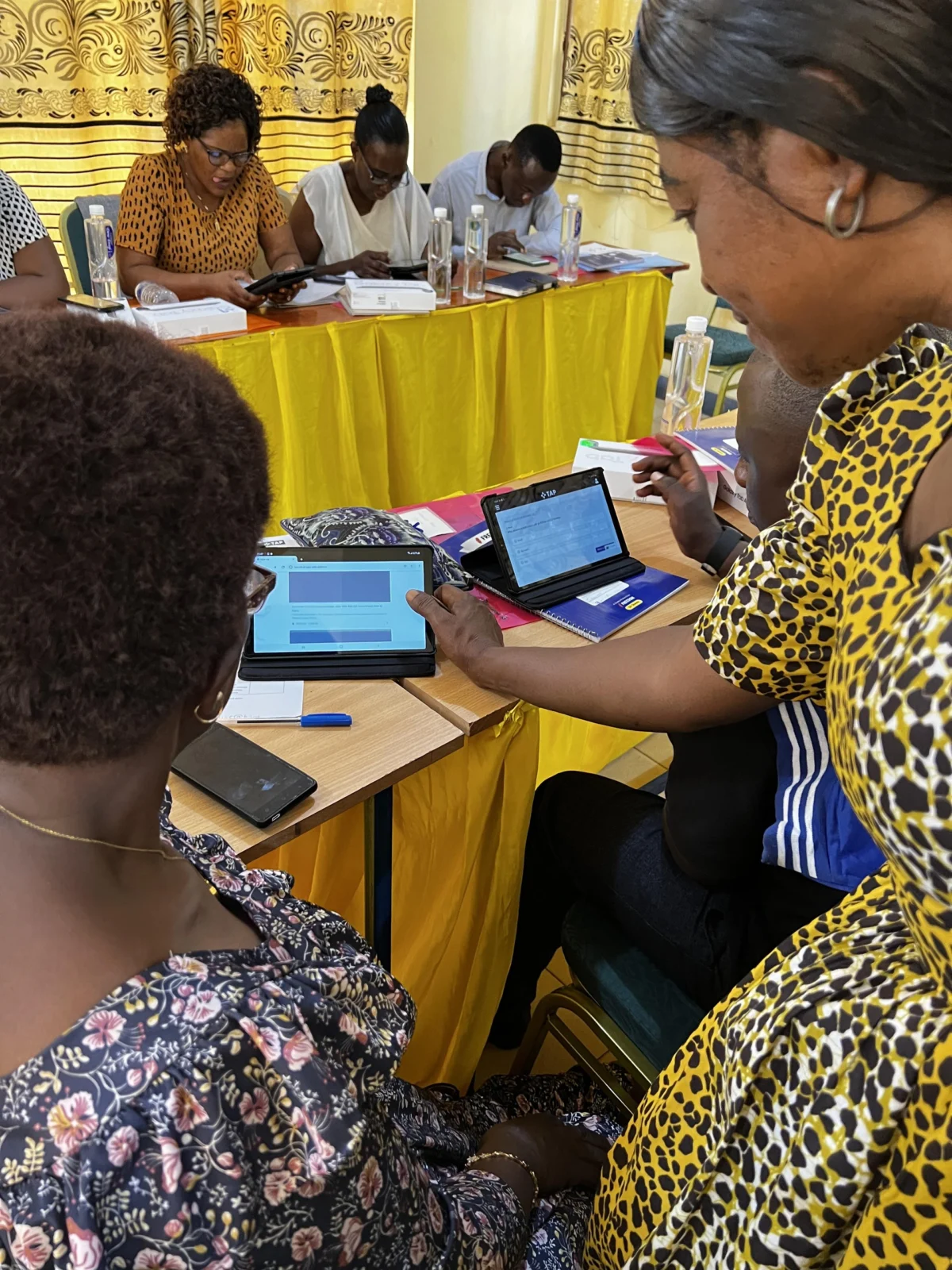
The strategic vision underpinning this partnership focuses heavily on the transformative potential of digital technologies. While the benefits of AT are clear, numerous barriers often impede access, including high costs, limited availability, lack of awareness, insufficient training for health professionals, inadequate infrastructure for distribution and maintenance, and sometimes cultural acceptance issues. Ireland’s targeted investment aims to tackle these multifaceted challenges by developing innovative digital solutions. These include creating digital platforms to empower users with comprehensive information about available assistive technologies and how to access them, implementing digital tracking systems to optimize supply chain management and product distribution, and developing online training and support modules for health workers. A tangible example of this approach is already seen in initiatives like the online training on assistive products for health personnel in Tanzania, which leverages digital platforms to facilitate efficient learning and ongoing mentor support through communication applications. Such programs are crucial for making simple assistive products like walking aids and reading glasses more readily available through community and primary health care facilities.
Dr. Yukiko Nakatani, WHO Assistant Director-General for Access to Medicines and Health Products, warmly welcomed Ireland’s substantial contribution and lauded its proactive leadership in the digital initiative. She emphasized that the partnership with the Government of Ireland is instrumental in advancing WHO’s overarching mission to ensure health for all, everywhere. Dr. Nakatani reiterated that assistive technologies are not merely medical devices but powerful enablers of well-being, inclusion, and participation, directly aligning with the principles set forth in the 2018 World Health Assembly resolution. Through Ireland’s support and in concert with its extensive network of global partners, WHO plans to develop robust, evidence-based guidance for Member States. This guidance will focus on strengthening AT access by fostering a deeper understanding of needs, prioritizing interventions, and stimulating increased innovation and adoption of digital solutions. The collaboration will also involve piloting national, regional, and global projects designed to test and refine these digital solutions, with the ultimate goal of generating insights and lessons learned that can help countries expand their knowledge, skills, and capacities in integrating assistive technology as an essential component of Universal Health Coverage (UHC).
The broader implications of this partnership extend far beyond the immediate provision of devices. By prioritizing assistive technology within national health systems and leveraging digital tools, the initiative directly supports the "Leaving No One Behind" principle, a core tenet of the Sustainable Development Goals. Ensuring that people with disabilities, the older population, and those affected by chronic diseases have access to the AT they need is fundamental to fostering truly inclusive societies where everyone can live healthy, productive, and dignified lives. The positive ripple effects are profound: enhanced individual independence, reduced burden on families and caregivers, increased participation in community and economic life, and potentially significant long-term socioeconomic benefits through greater productivity and reduced healthcare expenditures associated with preventable complications or institutionalization.
While the commitment is substantial, the path ahead is not without its challenges. Issues such as the digital divide in underserved regions, ensuring the sustainability of funding, adapting solutions to diverse cultural contexts, and establishing robust maintenance and repair networks will require ongoing attention. However, by focusing on evidence-based guidance, capacity building, and the strategic deployment of digital innovations, the Ireland-WHO partnership is poised to establish replicable models and best practices that can significantly transform global access to assistive technology. This collaborative endeavor represents a vital step towards realizing a future where the promise of Universal Health Coverage truly extends to everyone, everywhere, unlocking human potential and building a more equitable and inclusive world for all.
About the Author