A novel pharmaceutical compound, designated enlicitide, has demonstrated a significant reduction in low-density lipoprotein (LDL) cholesterol, often colloquially termed "unhealthy" cholesterol, by approximately 60% in a recently concluded Phase 3 clinical investigation. The findings, which were published in The New England Journal of Medicine, signal a potentially transformative advancement in cardiovascular medicine, offering a convenient oral therapeutic option for millions globally who struggle to manage their lipid profiles. Should this medication receive regulatory authorization from health authorities like the U.S. Food and Drug Administration (FDA), it could substantially enhance strategies aimed at mitigating the prevalence of myocardial infarctions and cerebrovascular accidents.
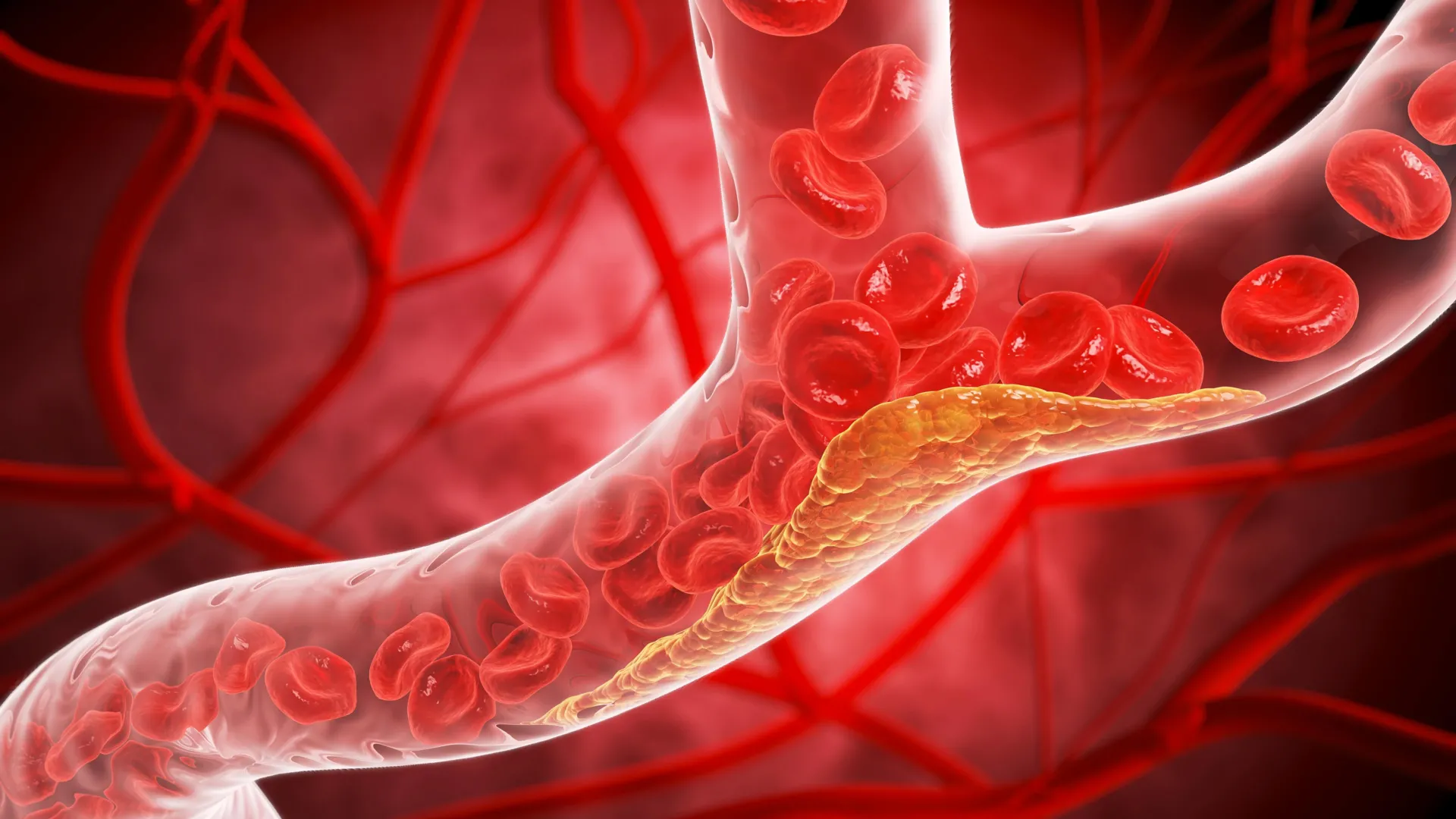
Cardiovascular disease remains the leading cause of morbidity and mortality worldwide, imposing an immense burden on public health systems and individual lives. A cornerstone of preventing and managing this pervasive condition is the meticulous control of circulating LDL cholesterol concentrations. For decades, medical science has recognized the pivotal role of these lipid particles in the pathogenesis of atherosclerosis, a chronic inflammatory process characterized by the accumulation of fatty plaques within arterial walls. This progressive buildup narrows blood vessels, impeding vital blood flow and increasing the risk of acute thrombotic events such as heart attacks and strokes. Consequently, therapeutic interventions focused on lowering LDL cholesterol are critical for both primary prevention in individuals at risk and secondary prevention in those with established atherosclerotic cardiovascular disease (ASCVD).
Despite the availability of highly effective lipid-lowering agents, a substantial proportion of patients, particularly those with existing ASCVD, do not achieve recommended LDL cholesterol targets. Dr. Ann Marie Navar, a distinguished cardiologist and Associate Professor of Internal Medicine and Public Health at UT Southwestern Medical Center, who served as the principal investigator for this pivotal study, highlighted this persistent clinical challenge. "A significant number of individuals with confirmed atherosclerotic cardiovascular disease currently do not meet their prescribed LDL cholesterol objectives," Dr. Navar explained. "The advent of an oral therapy demonstrating such profound efficacy holds the promise of fundamentally enhancing our collective capacity to avert heart attacks and strokes across broader populations." The clinical trial was supported by funding from Merck & Co. Inc., the pharmaceutical entity developing enlicitide.
The development of enlicitide represents the culmination of extensive scientific inquiry spanning several decades at institutions such as UT Southwestern. This rich history began with groundbreaking discoveries that elucidated the fundamental mechanisms of cholesterol metabolism. In a landmark achievement, researchers Michael Brown, M.D., and Joseph Goldstein, M.D., identified the LDL receptor on the surface of liver cells. This critical protein is responsible for binding and internalizing LDL particles from the bloodstream, thereby clearing excess cholesterol. Their revolutionary work earned them the Nobel Prize in Physiology or Medicine in 1985 and subsequently paved the way for the development of statins, which are presently the most widely prescribed class of cholesterol-lowering medications. Statins work primarily by inhibiting an enzyme involved in cholesterol synthesis, thereby increasing the number of LDL receptors on liver cells.
Further insights emerged from the Dallas Heart Study at UT Southwestern, a large, multi-ethnic population-based study led by Helen Hobbs, M.D., and Jonathan Cohen, Ph.D. Their investigations revealed that certain individuals possess naturally lower LDL cholesterol levels due to specific genetic variations. These genetic alterations were found to reduce the production of a protein known as proprotein convertase subtilisin/kexin type 9 (PCSK9). PCSK9 plays a crucial role in regulating LDL receptor abundance; it binds to LDL receptors and targets them for degradation, effectively reducing the liver’s capacity to remove LDL cholesterol from circulation. The identification of this regulatory pathway provided a novel therapeutic target and led to the creation of injectable PCSK9 inhibitors. These advanced biological therapies, which include monoclonal antibodies like evolocumab and alirocumab, as well as RNA-based treatments, function by neutralizing PCSK9, thereby increasing the availability of LDL receptors and achieving substantial reductions in LDL cholesterol, often comparable to the 60% observed with enlicitide.
Despite their proven efficacy, the utilization of existing injectable PCSK9 inhibitors in routine clinical practice has been somewhat limited. Dr. Navar noted that early adoption faced hurdles primarily related to high pharmaceutical costs and restrictive insurance coverage criteria. While these issues have seen some improvement over time, many healthcare providers still exhibit reluctance in prescribing these agents. A significant contributing factor to this underutilization is likely the requirement for subcutaneous injections, which can pose a barrier for both patients and clinicians compared to the convenience of an oral medication. Adherence to self-administered injectable regimens can be challenging for some patients, impacting long-term treatment success and overall cardiovascular risk reduction.
Enlicitide distinguishes itself by targeting the identical PCSK9 pathway as its injectable predecessors, yet it offers the distinct advantage of oral administration. Once ingested, enlicitide circulates in the bloodstream, where it interacts with the PCSK9 protein, preventing it from degrading LDL receptors. This mechanism allows the liver to maintain a greater number of LDL receptors, facilitating more efficient clearance of LDL cholesterol from the blood. The convenience of a once-daily oral pill represents a substantial difference from existing injectable therapies, potentially enhancing patient compliance and broadening access to this highly effective therapeutic approach.
The comprehensive Phase 3 clinical trial for enlicitide enrolled 2,909 participants, comprising individuals with established atherosclerosis or those deemed to be at elevated risk due to coexisting health conditions. The study design allocated approximately two-thirds of the participants to receive enlicitide, while the remaining cohort received a placebo. Notably, the majority of enrollees were already undergoing treatment with statin medications, yet their average baseline LDL cholesterol concentration stood at 96 milligrams per deciliter (mg/dl). This figure significantly exceeded recommended therapeutic targets, which are typically less than 70 mg/dl for patients with existing atherosclerosis and below 55 mg/dl for those at particularly high risk of ASCVD.
"The demographic and clinical characteristics of the study participants accurately mirror the patient population encountered in everyday clinical settings," Dr. Navar observed. "Even with maximal-intensity statin regimens, it is frequently challenging to guide patients to their optimal cholesterol objectives." Following a 24-week treatment period, patients receiving enlicitide experienced an approximate 60% reduction in their LDL cholesterol levels when compared to those in the placebo group. Beyond LDL cholesterol, the investigational drug also demonstrated favorable effects on other critical biomarkers associated with cardiovascular disease, including non-HDL lipoprotein cholesterol, apolipoprotein B, and lipoprotein(a), all of which are independent predictors of atherosclerotic risk. These beneficial lipid profile modifications were consistently sustained throughout a full year of follow-up monitoring, underscoring the drug’s enduring efficacy. Dr. Navar emphasized the magnitude of these results, stating, "The degree of LDL cholesterol reduction observed with enlicitide represents the most substantial achieved by any oral medication since the introduction of statins."
The promising outcomes from this Phase 3 trial mark a pivotal step in the drug’s journey towards potential clinical application. However, regulatory approval and widespread adoption will hinge on further evidence demonstrating a direct impact on cardiovascular event rates. To address this crucial question, an additional clinical outcomes trial is currently underway. This large-scale study is specifically designed to ascertain whether the significant reductions in cholesterol levels achieved with enlicitide translate into a tangible decrease in the incidence of major adverse cardiovascular events, such as heart attacks and strokes. The successful completion of such an outcomes trial is typically a prerequisite for a new cardiovascular drug to gain broad clinical acceptance and become a standard of care.
The scientific foundation for enlicitide’s development is deeply rooted in the pioneering research conducted by several distinguished scientists. Dr. Brown, a Regental Professor, holds the Paul J. Thomas Chair in Medicine and the W.A. (Monty) Moncrief Distinguished Chair in Cholesterol and Arteriosclerosis Research. Similarly, Dr. Goldstein, also a Regental Professor, holds the Julie and Louis A. Beecherl, Jr. Distinguished Chair in Biomedical Research and the Paul J. Thomas Chair in Medicine. Dr. Hobbs holds the Dallas Heart Ball Chair in Cardiology Research and is affiliated with the Harold C. Simmons Comprehensive Cancer Center, while Dr. Cohen holds the C. Vincent Prothro Distinguished Chair in Human Nutrition Research. This extensive research lineage, supported by funding from Merck Sharp & Dohme, a subsidiary of Merck, underscores the collaborative and cumulative nature of scientific progress in medicine. Dr. Navar disclosed receiving consulting fees from Merck for specific aspects of her involvement in this study, in addition to other consulting engagements with Merck and other pharmaceutical firms engaged in developing lipid-lowering therapies, as per the study’s disclosure requirements. The potential for an orally administered agent to achieve such profound LDL cholesterol reduction offers a compelling vision for a future where managing cardiovascular risk is both highly effective and more accessible for patients globally.
About the Author