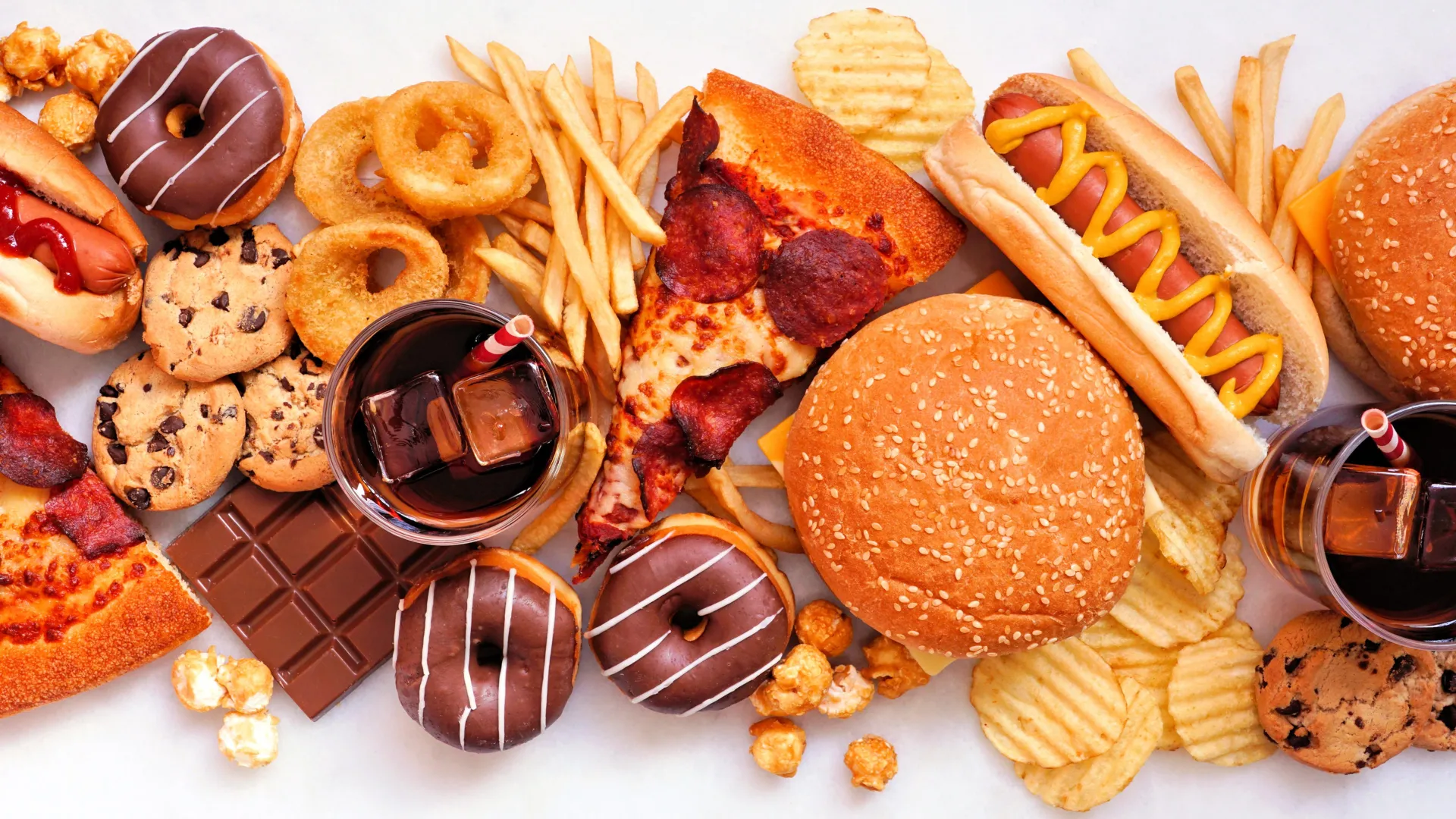
The contemporary food landscape, particularly in industrialized nations, is increasingly characterized by the pervasive presence of ultra-processed foods (UPFs). These industrially manufactured products now constitute a significant portion of daily caloric intake, with estimates indicating they supply nearly 60% of calories for adults and approximately 70% for children in the United States. Such items, which range from carbonated beverages and pre-packaged breakfast cereals to savory snacks and reconstructed meat products, are meticulously formulated. Their composition typically involves sophisticated combinations of refined fats, sugars, starches, salts, and a plethora of additives like emulsifiers, artificial flavors, and colors. These ingredients are chosen and engineered not primarily for nutritional density, but to enhance palatability, extend shelf life, and optimize convenience, often resulting in a diminished nutritional profile compared to whole or minimally processed foods.
A growing body of scientific literature has established a compelling association between elevated consumption of UPFs and a spectrum of adverse health outcomes. Researchers have posited several intricate biological mechanisms through which these highly modified dietary components could potentially contribute to various pathologies, including the initiation and progression of cancer. Among the theorized pathways are the disruption of metabolic homeostasis, the induction of chronic low-grade inflammation, an increase in systemic oxidative stress, and adverse alterations to the delicate balance of the gut microbiome, known as dysbiosis. While the broader links between UPFs and general cancer risk have been under scrutiny, specific investigations into their potential role in prostate cancer have, until recently, remained relatively limited.
Prostate cancer stands as a formidable public health challenge globally, representing the most frequently diagnosed malignancy among men in the United States. Domestically, it is surpassed only by lung cancer as a leading cause of cancer-related mortality in the male population. Projections from organizations like the American Cancer Society forecast over 333,000 new prostate cancer diagnoses in U.S. men by 2026, with more than 36,000 succumbing to the disease. The global burden is equally substantial; the International Agency for Research on Cancer reported nearly 1.5 million diagnoses and approximately 400,000 deaths worldwide from prostate cancer in 2022 alone. While established risk factors such as age, genetic predisposition, and ethnic background are well-recognized, the influence of modern dietary patterns, particularly the role of UPFs, has become an area of intense epidemiological interest.
In a significant contribution to this evolving understanding, new research originating from Florida Atlantic University’s Charles E. Schmidt College of Medicine suggests a notable correlation between increased UPF intake and an elevated risk of prostate cancer development. This observational study, meticulously detailed in The American Journal of Medicine, leveraged an extensive dataset derived from the National Health and Nutrition Examination Survey (NHANES). NHANES is a nationally representative program designed to assess the health and nutritional status of adults and children in the United States, providing invaluable insights into population-level trends. The study cohort comprised 17,024 U.S. men aged 18 and older, with data collected between 2003 and 2023.
To accurately quantify UPF consumption, the research team employed a rigorous dietary assessment methodology. Each participant provided two 24-hour dietary recalls, a standard method where individuals report all foods and beverages consumed over a preceding 24-hour period. These detailed accounts allowed researchers to calculate the proportion of daily caloric intake attributable to ultra-processed foods. For classification purposes, the study utilized the widely validated NOVA system, which categorizes foods based on the nature, extent, and purpose of industrial processing rather than on nutrient content alone. This system delineates four groups: unprocessed or minimally processed foods, processed culinary ingredients, processed foods, and ultra-processed foods. Following this classification, participants were stratified into four distinct quartiles based on their UPF caloric contribution, ranging from those whose diets comprised less than approximately 20% UPFs to those for whom UPFs accounted for over 44% of total daily calories.
The findings from this comprehensive analysis revealed a compelling association. Men situated in the three higher UPF consumption groups exhibited a statistically significant elevated risk of prostate cancer when compared to individuals in the lowest consumption quartile. Specifically, these groups demonstrated an approximate 29% greater propensity for developing the disease. A more granular examination showed that men within the two highest consumption categories faced a heightened risk of around 30%. Crucially, this relationship maintained its statistical significance even after the researchers meticulously adjusted for several potential confounding variables, including age, racial and ethnic identity, smoking status, and socioeconomic indicators such as poverty level. Post-adjustment, the observed increase in risk varied between 24% and 31%, underscoring the robustness of the association. While the cohort representing the absolute highest intake of UPFs displayed a potential 34% increase in prostate cancer risk, this particular finding did not achieve conventional statistical significance. The researchers attributed this specific outcome to the comparatively smaller number of prostate cancer cases identified within that most extreme consumption group, which can impact statistical power.
Dr. Charles H. Hennekens, the distinguished senior author of the study and the First Sir Richard Doll Professor of Medicine and Preventive Medicine at FAU’s College of Medicine, underscored the gravity of these findings. He articulated that among the representative adult male population studied in the U.S., a higher intake of ultra-processed foods was consistently linked to substantially increased risks of subsequent prostate cancer development. Dr. Hennekens further emphasized that these results serve to strengthen the accumulating body of evidence highlighting the detrimental health ramifications of UPFs. He advocated strongly for the necessity of conducting large-scale observational studies and meticulously designed randomized controlled trials to definitively test the causal hypothesis connecting these foods to disease.
The authors situate their novel findings within a broader, ongoing public health discourse that critically examines the inherent tension between the commercial objectives of the food industry and the fundamental health requirements of the population. They drew a thought-provoking parallel to the historical trajectory of tobacco, recalling how scientific evidence documenting the profound dangers of cigarette smoking began to emerge in the mid-20th century. Yet, despite compelling data, several decades elapsed before the overwhelming weight of scientific consensus, coupled with the dedicated efforts of forward-thinking public health officials, translated into effective policies aimed at curbing tobacco consumption. The researchers suggested that ultra-processed foods might be following a similar trajectory, implying a potential lag between scientific discovery and robust public health intervention.
Dr. Timothy De Ver Dye, a co-author and Professor and Chair of FAU’s Department of Population Health, highlighted the formidable complexity of reducing UPF consumption at a societal level. He pointed out the ubiquitous availability and pervasive accessibility of these products, which present significant challenges to dietary modification. Dr. Dye stressed the imperative for healthcare providers to acknowledge that many patients face substantial systemic barriers, including economic constraints and geographical limitations, in accessing and affording healthier, minimally processed food options. He posited that effective strategies for addressing these deeply entrenched challenges must extend far beyond individual dietary choices, necessitating comprehensive, systemic efforts to foster greater access to nutritious foods for all segments of the population.
In light of these findings, Dr. Hennekens urged all healthcare professionals to actively counsel their patients on the adoption of holistic, healthy lifestyle practices and evidence-based therapeutic interventions. Concurrently, he recommended guiding patients toward a conscious reduction in their reliance on ultra-processed foods. He suggested that incorporating this new scientific insight into patient-provider discussions could form a crucial component of broader, more integrated initiatives aimed at promoting and facilitating healthier dietary choices across the population. The collaborative research effort also included contributions from FAU medical students Hunter Scott and John Dunn, alongside Yanna Willett, a doctoral candidate affiliated with the University of Oxford in the United Kingdom, further emphasizing the interdisciplinary nature of this significant inquiry into diet and cancer risk.
About the Author