A groundbreaking scientific investigation, recently published in the esteemed journal Nature Communications, has unveiled a previously unrecognized, intricate metabolic system operating directly within the confines of the human cell nucleus. This discovery fundamentally challenges long-held tenets in cellular biology, demonstrating that over 200 distinct metabolic enzymes, traditionally associated with energy production in the cytoplasm and mitochondria, are in fact intimately associated with human DNA. The revelation suggests a far more complex and integrated cellular architecture than previously conceived, with profound implications for comprehending fundamental biological processes and advancing medical science, particularly in the realm of oncology.
For decades, the prevailing view in cellular biology compartmentalized major cellular functions: the nucleus served as the cell’s genetic vault, housing the genome and regulating gene expression; mitochondria were recognized as the cell’s powerhouses, generating adenosine triphosphate (ATP) through oxidative phosphorylation; and the cytoplasm hosted a multitude of metabolic pathways, synthesizing vital molecules and processing nutrients. This clear division, while useful, obscured a deeper interconnectedness that researchers are only now beginning to uncover. The presence of such a vast array of metabolic machinery within the nucleus, directly interacting with chromatin—the complex of DNA and proteins that forms chromosomes—signals a significant paradigm shift. It implies that genomic regulation and metabolic activity are not merely co-occurring processes but are inextricably linked at the most fundamental level.
The research team employed a sophisticated methodology to isolate proteins that are physically bound to chromatin, the highly organized structure that compacts DNA within the nucleus. This approach allowed them to meticulously survey the nuclear landscape across a diverse set of samples. Their extensive analysis included 44 different cancer cell lines, alongside 10 healthy cell types derived from various human tissues. The sheer scale and rigor of this experimental design provided robust evidence for their startling findings. What they observed was not merely the occasional stray enzyme, but a widespread and organized presence, indicating a dedicated nuclear metabolic ecosystem. Approximately seven percent of all proteins found bound to chromatin were identified as metabolic enzymes, a proportion substantial enough to suggest the operation of what the scientists have termed a "mini metabolism" within the nucleus itself.
One of the most striking aspects of this discovery is the observed variability in the nuclear metabolic enzyme profiles. The study found that different cell types, distinct tissues, and various cancer types each exhibit their own unique arrangement of these enzymes within the nucleus. This distinctive pattern has been aptly described as a "nuclear metabolic fingerprint." The existence of such unique signatures is a monumental finding, representing the first concrete evidence that human cells might possess these individualized nuclear metabolic identities. This specificity hints at a finely tuned regulatory mechanism, where the precise complement of nuclear enzymes could dictate specific cellular behaviors, responses to stress, or even predispositions to disease.
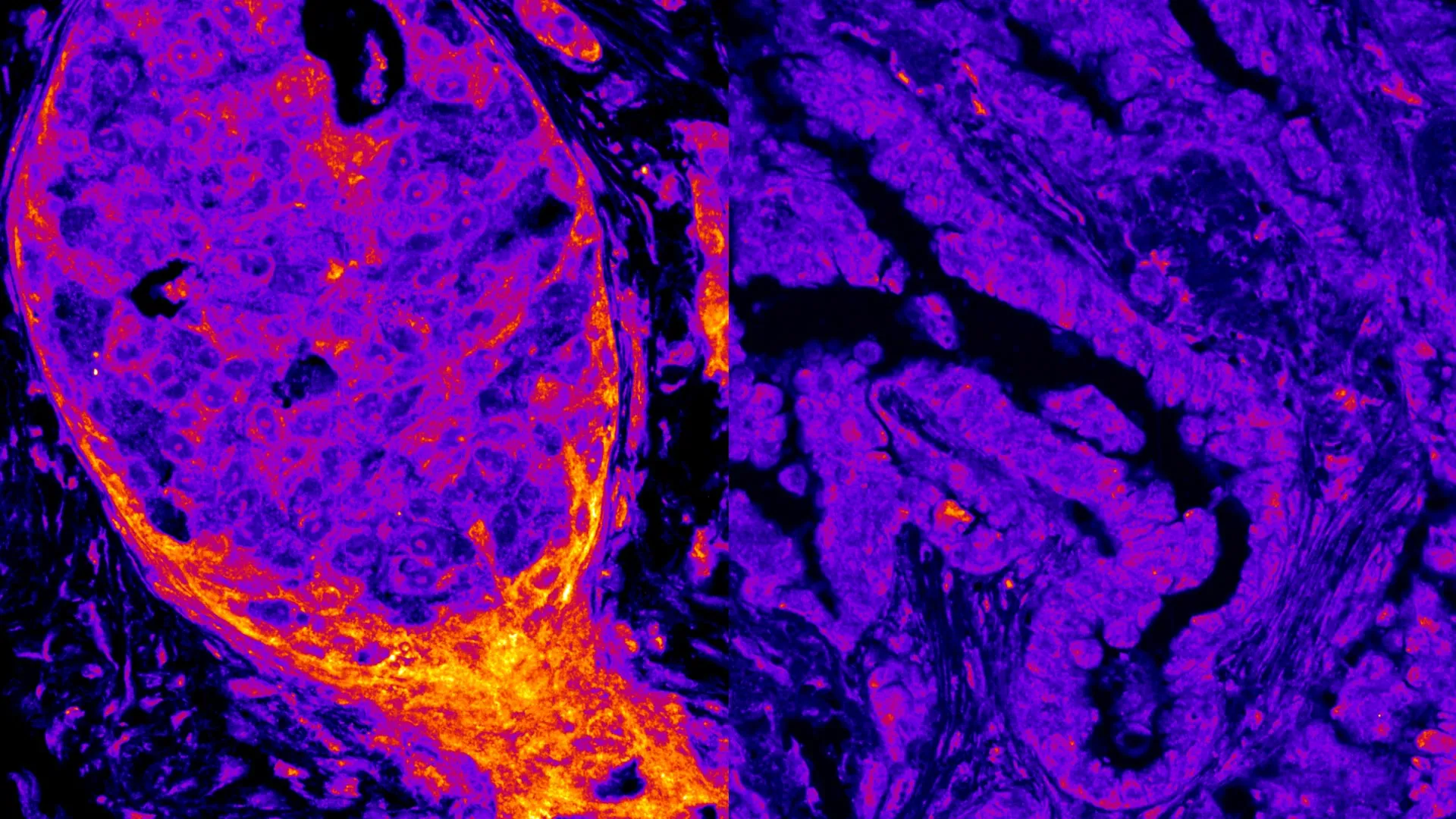
Among the enzymes identified, the presence of proteins involved in oxidative phosphorylation was particularly surprising. Oxidative phosphorylation is the principal biochemical pathway responsible for generating the vast majority of a cell’s energy currency, ATP, typically occurring on the inner mitochondrial membrane. Finding these energy-generating components as regular occupants of the nucleus challenges the exclusive mitochondrial role in this process and raises fundamental questions about energy dynamics within the nuclear compartment. Furthermore, the distribution of these oxidative phosphorylation enzymes was not uniform across cancer types. For instance, they were frequently detected in breast cancer cells but were conspicuously absent or significantly diminished in lung cancer cells. This trend was not confined to cell lines; when researchers examined tumor samples directly extracted from patients, they observed the identical variation, solidifying the evidence that nuclear metabolism is indeed tissue- and disease-specific.
The precise functions of these newly discovered nuclear enzymes are still under intensive investigation, representing an entirely new frontier for exploration. However, initial experiments have begun to shed light on their potential roles. Scientists hypothesize that these enzymes could be directly driving critical chemical reactions essential for nuclear processes, influencing the intricate machinery that switches genes on or off, or even contributing to the structural integrity and organization of chromatin. Dr. Sara Sdelci, a corresponding author of the study and a researcher at the Centre for Genomic Regulation, emphasized the potential significance: "Many of these enzymes synthesize essential building blocks of life, and their nuclear localization is associated with DNA repair. Their presence in the nucleus may therefore directly shape how cancer cells respond to genotoxic stress, a hallmark of many chemotherapeutic treatments. It’s an entirely new world to explore." This statement underscores the profound implications for understanding how cells, particularly cancer cells, maintain their genomic stability and cope with DNA damage, a constant threat to cellular integrity.
Further experiments specifically focused on enzymes involved in DNA synthesis and repair pathways provided compelling evidence of their functional significance within the nucleus. The research team observed that these particular enzymes rapidly accumulate and concentrate near regions of chromatin when DNA damage occurs. This localized recruitment strongly suggests that they play a direct, active role in facilitating the repair of the genome, ensuring its integrity and preventing mutations that can lead to disease. This finding aligns with Dr. Sdelci’s hypothesis about their role in genotoxic stress response.
The study also revealed another fascinating aspect: the function of an enzyme can be profoundly influenced by its subcellular location. A specific enzyme, IMPDH2 (Inosine-5′-monophosphate dehydrogenase 2), exhibited distinct behaviors depending on whether it was located in the nucleus or the cytoplasm. When researchers experimentally manipulated IMPDH2 to remain within the nuclear compartment, it contributed significantly to maintaining genomic stability. Conversely, when the same enzyme was restricted to the cytoplasm, it influenced entirely different cellular pathways, unrelated to genomic integrity. This phenomenon of location-dependent functionality adds another layer of complexity to cellular regulation, indicating that enzymes are not merely passive catalysts but active participants whose roles are contextualized by their immediate environment.
The implications of this integrated view of metabolism and genome regulation are particularly significant for cancer research and therapeutic development. Cancer cells are characterized by uncontrolled proliferation and often possess perturbed metabolic profiles, alongside extensive genomic instability and impaired DNA repair mechanisms. Many current cancer treatments either target metabolic vulnerabilities in cancer cells or aim to disrupt their DNA repair systems, thereby inducing lethal damage. The revelation that these two fundamental biological processes are far more tightly intertwined than previously thought necessitates a re-evaluation of current therapeutic strategies and the development of new approaches. Dr. Savvas Kourtis, the first author of the study, succinctly captured this newfound perspective: "We’ve been treating metabolism and genome regulation as two separate universes, but our work suggests they’re talking to each other, and cancer cells might be exploiting these conversations to survive." This "conversation" could be the key to understanding why some tumors develop resistance to therapy or why different cancer types respond disparately to identical treatments. As Dr. Sdelci further elaborated, this discovery "could help explain why tumors of different origins, even when carrying the same mutations, often respond very differently to chemotherapy, radiotherapy, or targeted inhibitors." Understanding these nuclear metabolic fingerprints could unlock new avenues for personalized cancer medicine.
Despite these transformative insights, the research team acknowledges that considerable work lies ahead. A primary objective for future studies is to systematically determine whether all observed nuclear enzymes are functionally active within this compartment and to elucidate the specific, unique role that each one plays. As Dr. Kourtis noted, "Each enzyme may have its own, unique nuclear function, so this must be addressed one by one." This monumental task will involve detailed biochemical and genetic analyses for each of the over 200 identified enzymes.
Another perplexing, yet equally critical, unanswered question pertains to the mechanism by which these relatively large metabolic enzymes gain entry into the cell nucleus in the first place. The nucleus is meticulously segregated from the cytoplasm by the nuclear envelope, a double membrane punctuated by highly selective nuclear pores. These pores act as gatekeepers, tightly regulating the passage of molecules based on size and specific transport signals. Many of the enzymes discovered directly on DNA are significantly larger than the size thresholds generally believed to be permissible for passive diffusion through nuclear pores. This observation strongly suggests the existence of an as-yet-unknown, sophisticated cellular mechanism responsible for actively transporting these bulky proteins into the nucleus. Unraveling this transport pathway could be pivotal, as it may reveal novel therapeutic targets for precisely controlling nuclear metabolic activity in diseased cells, offering an entirely new dimension for pharmacological intervention.
In the long term, the systematic mapping of the precise intranuclear locations of these enzymes and a comprehensive understanding of their functions hold immense promise. Such detailed knowledge could lead to the identification of novel biomarkers, which could significantly improve the early diagnosis of various diseases, including cancer. Furthermore, by pinpointing critical vulnerabilities within these nuclear metabolic networks, scientists may uncover entirely new targets for the development of anti-cancer drugs or other therapeutic agents. This discovery marks a pivotal moment in cell biology, forcing a re-evaluation of fundamental cellular organization and opening up vast new territories for research that will undoubtedly reshape our understanding of health and disease for years to come.
About the Author