
Inflammatory Bowel Disease (IBD), an umbrella term encompassing Crohn’s disease and ulcerative colitis, represents a group of chronic, debilitating conditions characterized by persistent inflammation of the digestive tract. Affecting millions worldwide, IBD manifests through a range of symptoms from abdominal pain and severe diarrhea to fatigue and weight loss, profoundly impacting patients’ quality of life. The precise etiology of IBD remains complex, involving a delicate interplay of genetic predispositions, environmental factors, immune system dysregulation, and microbial imbalances within the gut. For years, dietary components have been suspected as potential triggers or exacerbators of IBD symptoms, yet pinpointing specific culprits and mechanisms has proven exceptionally challenging, often leading to confusion and frustration for patients seeking dietary guidance.
A groundbreaking study originating from the UNC School of Medicine, published on August 13, 2026, in the distinguished journal Cellular and Molecular Gastroenterology and Hepatology (CMGH), has brought a novel perspective to this intricate challenge. Led by postdoctoral scholar Dr. Anna Salvador, a registered and licensed dietitian, under the mentorship of Dr. Shehzad Z. Sheikh, a Professor of Medicine and Genetics, the research suggests that a naturally occurring compound, oxalate, commonly found in many otherwise healthful plant-based foods, might play a more active role in perpetuating intestinal inflammation in IBD patients than previously understood. This investigation moves beyond simply identifying trigger foods, instead delving into a fundamental biological dysfunction within the IBD gut’s ability to process dietary oxalate, offering a fresh avenue for understanding disease pathogenesis and developing targeted interventions.
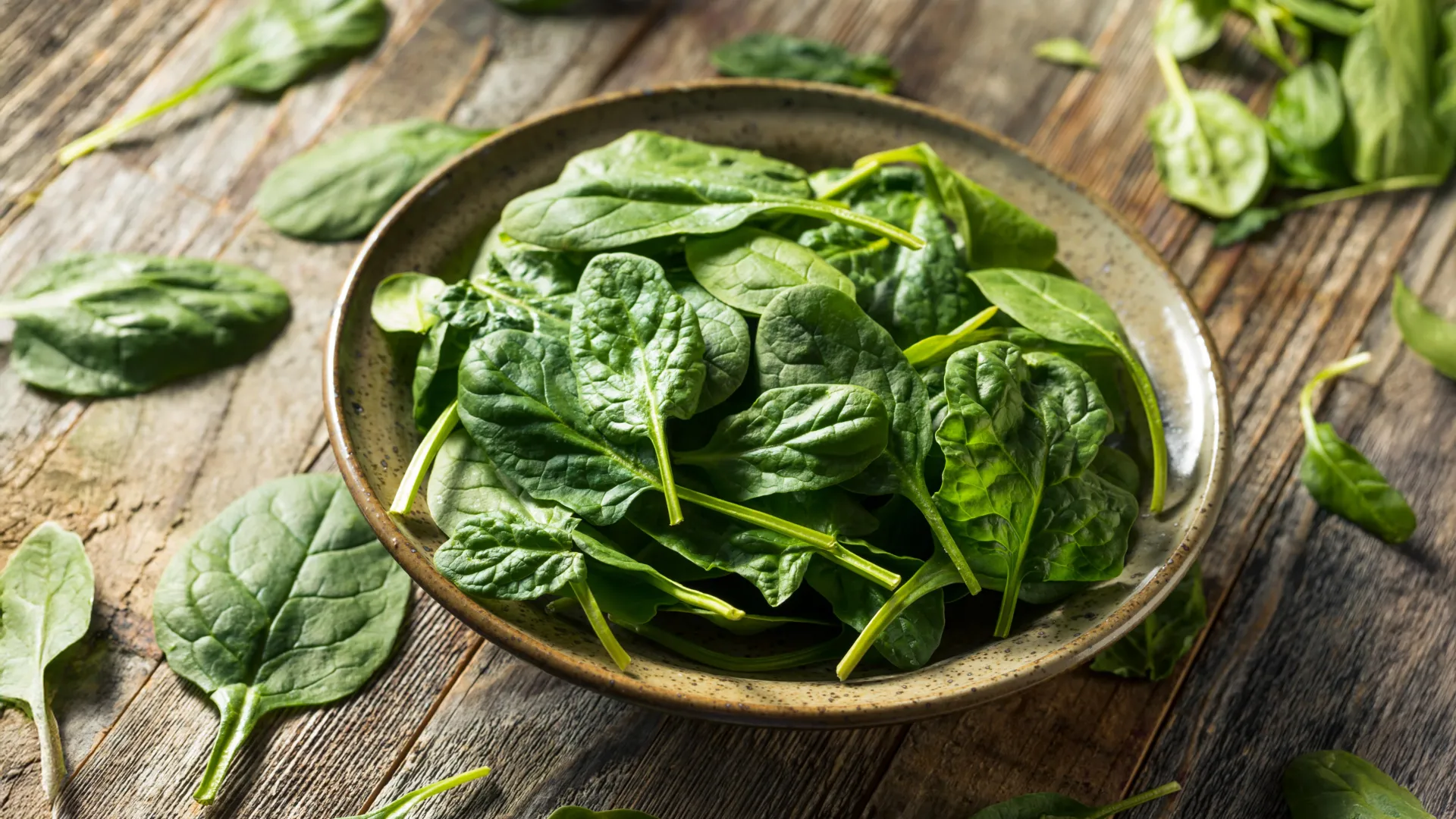
Oxalate, or oxalic acid, is a dicarboxylic acid found abundantly in a wide array of plant-derived foods. While often associated with specific "superfoods" like spinach, almonds, and sweet potatoes, it is, in fact, present in varying concentrations across virtually all plant matter. In individuals with a healthy digestive system, the vast majority of dietary oxalate ingested passes through the gastrointestinal tract without being absorbed, eventually being excreted in the stool. A smaller portion is absorbed into the bloodstream and eliminated via the kidneys. This efficient processing ensures that oxalate levels in the body remain within a safe range, preventing the formation of kidney stones and other complications associated with oxalate accumulation. The conventional understanding has largely focused on managing dietary oxalate intake to prevent renal issues, with less attention paid to its direct impact on gut inflammation.
The UNC research team employed a multi-faceted approach to unravel the connection between oxalate and IBD. Their methodology encompassed a comprehensive analysis of human subjects, including detailed examinations of gene expression profiles in intestinal tissues, quantification of oxalate levels in stool samples, and meticulous assessment of dietary patterns in both IBD patients and healthy control groups. Complementing these human studies, the researchers conducted a series of sophisticated experiments utilizing mouse models and cultured human cells to precisely investigate the molecular mechanisms by which dietary oxalate might influence and exacerbate inflammatory processes within the intestinal lining. This rigorous combination of observational and experimental approaches strengthens the validity and translational potential of their findings.
One of the most compelling discoveries centered on specific transporter proteins responsible for regulating oxalate movement across the gut lining. The study revealed a consistent and significant reduction in the expression levels of two crucial oxalate efflux transporters, SLC26A2 and SLC26A3, within the intestinal tissue of patients diagnosed with either ulcerative colitis or Crohn’s disease. This deficiency was observed across affected areas of the intestine, irrespective of whether active inflammation was overtly present at the time of biopsy. Furthermore, a dose-response relationship was noted: the more severe the inflammatory state of the tissue, the lower the expression of these vital transporters tended to be. These findings suggest a foundational defect in the gut’s ability to clear oxalate in IBD, rather than merely a consequence of inflammation.
The impairment of these specialized transport systems has a critical consequence: less dietary oxalate is efficiently absorbed and cleared from the intestinal lumen. This leads to an undesirable accumulation of oxalate within the gut environment. The study’s novel insights propose that this elevated luminal oxalate, rather than being an inert bystander, actively contributes to and amplifies the chronic inflammatory cascade characteristic of IBD. It shifts the focus from simply the presence of oxalate to the gut’s compromised capacity to handle it, transforming oxalate from a passive dietary component into a potential pro-inflammatory agent in susceptible individuals.
Further reinforcing this hypothesis, a striking observation emerged from the analysis of Crohn’s disease patients. Despite consuming comparable amounts of plant-based foods to their healthy counterparts, individuals with Crohn’s exhibited significantly higher concentrations of oxalate in their stool samples. To accurately assess dietary intake, the researchers utilized two distinct and robust methodologies: a well-established validated dietary questionnaire (Diet History Questionnaire III) and, notably, DNA metabarcoding. The latter, an innovative molecular technique, allowed for the identification of plant species represented in stool samples, providing an objective and unbiased measure of dietary exposure. This marked the first instance of DNA metabarcoding being employed to evaluate dietary patterns within an IBD patient population, underscoring the study’s methodological pioneering spirit.
Dr. Salvador articulated the profound implication of this finding, stating, "For the first time, we observed that IBD patients and healthy controls were eating similar amounts of plant-based foods yet CD patients still had more oxalate in their stool. That told us this isn’t just about what patients eat. Something is fundamentally different about how their gut handles oxalate." This statement encapsulates a paradigm shift, suggesting that the problem lies less with the quantity of oxalate consumed and more with a deep-seated biological malfunction in the gastrointestinal tract’s processing machinery.
The mechanistic link between oxalate and inflammation was further solidified through a series of rigorous animal experiments. In mouse models designed to mimic colitis, those receiving an oxalate-supplemented diet in conjunction with an inflammation-inducing substance demonstrated a stark 60 percent reduction in survival rates compared to control mice not given additional dietary oxalate. In two distinct genetically engineered mouse models predisposed to spontaneously developing colitis, dietary oxalate consistently accelerated the onset of the disease and significantly increased its severity. Crucially, in these susceptible mouse strains, the genes governing oxalate transport were already observed to be less active even before any oxalate was introduced into their diets, a pattern mirroring the deficiencies identified in human IBD patients.
At the cellular level, the research provided another vital piece of the puzzle. Experiments conducted on cultured immune cells revealed that oxalate directly intensified inflammatory responses in both macrophages and dendritic cells. These immune cell types are pivotal players in the gut’s immune surveillance and regulatory processes, orchestrating the balance between tolerance and defense. The observation that oxalate exacerbates their inflammatory signaling suggests a direct mechanism by which this dietary compound can contribute to the sustained immune activation seen in IBD.
Beyond its role in exacerbating active inflammation, the research team also explored whether oxalate-related gene expression could offer insights into the long-term progression of Crohn’s disease. In an exploratory analysis, a diminished expression of another oxalate transporter, SLC26A6, was found to be strongly associated with the development of stricturing Crohn’s disease. This aggressive phenotype of the condition is characterized by the formation of scar tissue, leading to narrowing of the intestinal lumen, which often necessitates surgical intervention. A striking nearly 75 percent of patients exhibiting low SLC26A6 expression were found to have stricturing disease. This preliminary finding raises the intriguing possibility that monitoring oxalate transporter activity could eventually serve as a valuable prognostic biomarker, helping clinicians identify IBD patients at higher risk of developing more severe, complicated forms of the disease. However, the researchers prudently emphasize the critical need for validation in larger, independent patient cohorts before such clinical applications can be considered.
Dr. Sheikh underscored the intellectual drive behind the study, commending Dr. Salvador for "conceptualiz[ing] and driv[ing] this work from the beginning. She asked a question that hadn’t been asked before: What if a specific dietary molecule is an active driver of gut inflammation in IBD, not just a bystander? The rigor she brought to answering it is what makes these findings so compelling." This highlights the study’s innovative approach in challenging conventional wisdom and exploring dietary components as active pathological agents rather than mere indicators.
For individuals living with IBD, these findings carry significant implications, though it is paramount to understand what they do not suggest. The research unequivocally does not advocate for the complete elimination of healthful plant foods from the diets of IBD patients. Plant-based foods are indispensable sources of essential vitamins, minerals, fiber, and diverse phytonutrients, all crucial for overall health and gut microbiome diversity. Instead, the study indicates that in genetically predisposed individuals, even moderate amounts of oxalate, typically considered harmless, may contribute to the ongoing inflammation within the intestinal lining due to their compromised processing capabilities. The findings also provide a potential explanation for the inconsistent results of previous dietary studies in IBD, suggesting that individual differences in oxalate exposure and, critically, processing, may have complicated their interpretation.
Looking ahead, the research opens several promising new avenues for therapeutic intervention. One particularly exciting path involves leveraging the gut microbiome. Certain beneficial intestinal bacteria, most notably Oxalobacter formigenes, possess the unique ability to metabolize and break down oxalate, effectively reducing its luminal concentration. Intriguingly, these oxalate-degrading bacteria are often found in reduced abundance within the gut microbiomes of IBD patients. This observation raises the compelling possibility that future microbiome-based therapies, such as targeted probiotics, prebiotics designed to foster oxalate-degrading microbes, or even fecal microbiota transplantation, could be developed to enhance oxalate breakdown directly within the gut. Such approaches could offer a valuable alternative or complement to dietary modifications, potentially reducing the reliance on restrictive eating patterns.
Despite the profound implications, the researchers caution that these findings, while robust, are not yet sufficient to underpin formal dietary guidelines regarding oxalate intake for individuals with IBD. The journey from scientific discovery to clinical recommendation is often long and meticulous. Future research endeavors will necessitate large-scale, prospective studies that track extensive cohorts of patients over extended periods. These studies must integrate a comprehensive suite of measurements, including precise quantification of stool oxalate, meticulously documented dietary intake, sophisticated molecular profiling of gut tissues, and in-depth analyses of the gut microbiome. Only through such exhaustive investigations can the complex interplay between diet, genetics, microbiome, and inflammation be fully elucidated, paving the way for evidence-based, personalized dietary and therapeutic strategies.
Dr. Sheikh concluded by emphasizing the transformative potential of this work: "For patients living with Crohn’s disease or ulcerative colitis, this research opens a genuinely new therapeutic angle—one that connects the food on their plate to the inflammation in their gut. Diet is one of the most powerful, modifiable levers we have in medicine, and this study gives us a molecular framework to start using it more precisely." This research marks a significant step forward in the quest for precision medicine in IBD, promising a future where dietary interventions are not based on generic advice but tailored to the unique physiological and metabolic profiles of individual patients.
This groundbreaking study received generous financial support from a consortium of distinguished organizations, including the Helmsley Charitable Trust, the National Institute of Diabetes and Digestive and Kidney Diseases (NIDDK), the Chan Zuckerberg Initiative, Schmidt Sciences, the Burroughs Wellcome Fund, and additional National Institutes of Health sources. The collaborative spirit of the research is further highlighted by the contributions of co-authors spanning multiple prestigious institutions, including UNC-Chapel Hill, Texas A&M University, and Duke University.
About the Author









