Navigating the physiological shifts that accompany aging often brings specific concerns about body composition, particularly the accumulation of adipose tissue around the abdomen. While a thickening waistline after the age of sixty is a widely observed phenomenon, it is not an unchangeable consequence of advancing years. Instead, it frequently stems from a confluence of factors, including a natural decline in muscle mass, reduced daily physical activity, and increased sedentary periods. For many seeking to address these changes, the initial inclination might be to turn to specialized gym equipment, hoping for a targeted solution. However, contemporary fitness insights, particularly from experienced trainers specializing in older adult populations, suggest that a more integrated and functional approach, centered on standing movements, yields more effective and sustainable results than isolated machine-based routines.
Understanding the underlying mechanisms behind these age-related bodily transformations is crucial. As individuals progress past their fifth decade, the body undergoes a series of changes that can predispose it to altered fat distribution, especially around the core. One primary contributor is sarcopenia, the gradual and progressive loss of skeletal muscle mass and strength. Muscle tissue is metabolically active, meaning it burns more calories at rest than fat tissue. A reduction in muscle mass thus leads to a corresponding decrease in basal metabolic rate, making it easier for the body to store excess calories as fat. Hormonal fluctuations, such as declining estrogen levels in women and testosterone in men, can also influence where fat is stored, often favoring the abdominal region. Furthermore, modern lifestyles frequently involve extended periods of sitting, which not only contributes to lower overall energy expenditure but can also weaken core musculature and compromise postural integrity. In this context, relying solely on machines designed for specific muscle isolation often falls short because they rarely engage the body in the holistic, multi-joint movements necessary for significant metabolic impact and functional strength development. The pervasive myth of "spot reduction"—the idea that exercising a particular body part will reduce fat specifically from that area—is a persistent misconception that often leads to unproductive workout strategies. True body re-composition requires a comprehensive strategy that burns overall calories and builds lean muscle throughout the entire physique.
This is precisely where the philosophy of functional standing exercises shines, particularly for the over-sixty demographic. Functional fitness emphasizes movements that mimic real-life activities, thereby enhancing strength, balance, and coordination in ways directly applicable to daily living. Standing exercises, by their very nature, compel the entire kinetic chain to engage simultaneously. They necessitate the recruitment of muscles in the legs, hips, shoulders, and, critically, the deep core stabilizers, all working in concert to maintain equilibrium and execute the movement. This integrated muscle activation not only promotes greater caloric expenditure during the workout itself, contributing to overall fat reduction, but also fosters the development of practical strength, improving an individual’s ability to perform everyday tasks with greater ease and reduced risk of injury. Unlike many seated machine exercises, which often isolate muscles without a significant cardiovascular component, standing movements frequently elevate the heart rate, providing a dual benefit of muscular conditioning and light aerobic activity. This makes them a superior choice for developing comprehensive fitness, enhancing posture, and supporting spinal health, often proving more beneficial than investments in specialized gym equipment.
Drawing from years of experience coaching older adults, fitness professionals consistently observe that clients who achieve the most remarkable transformations in their midsection appearance do so by embracing full-body movement patterns rather than dedicating endless hours to isolated abdominal exercises. These five dynamic standing exercises are designed to fortify the core comprehensively, simultaneously sharpening balance, coordination, and overall functional capacity. When integrated with consistent walking and a nutritionally sound eating plan, they establish a robust foundation for a stronger body and a more sculpted abdominal region.
1. Elevated Knee March: This fundamental movement is an exceptional starting point for individuals seeking to fortify their core without needing to get down onto the floor. Each deliberate repetition demands that the abdominal musculature actively stabilize the spinal column, while the hip flexors and the supporting leg engage synergistically to preserve balance. The emphasis here is on controlled, measured knee elevation rather than rapid execution, as this slower tempo significantly amplifies core activation. Consistent practice of this exercise frequently leads to improvements in posture and an observable increase in endurance during daily activities. Its simplicity, effectiveness, and adaptability make it accessible across a broad spectrum of fitness levels.
2. Rotational Torso Chop: The ability to generate and control rotational force is a cornerstone of a powerful and functionally robust core. The standing rotational torso chop is a multifaceted exercise that simultaneously engages the oblique muscles, shoulders, hips, and deep abdominal musculature. It is particularly effective at teaching the body to execute controlled twisting motions, thereby minimizing reliance on the lumbar spine for stability. This movement is frequently recommended due to its capacity to activate multiple muscle groups concurrently, leading to both enhanced strength and an elevated caloric burn. Many practitioners report a noticeable improvement in the ease and safety of everyday twisting motions after incorporating this exercise into their regimen, positioning it as a highly effective, standing-based alternative to many machine-centric core workouts.
3. Lateral Step with Overhead Extension: Movements that challenge the body in the lateral plane offer unique benefits that linear exercises cannot replicate. The lateral step with overhead extension specifically targets and strengthens the hip abductors and gluteal muscles, while the synchronized overhead reach compels the core to actively stabilize the torso throughout the entire range of motion. This exercise is often prescribed for its dual benefits of improving dynamic balance and gently elevating cardiovascular activity. Participants commonly report feeling more agile and coordinated after just a few weeks of consistent practice. Such improvements in movement quality often translate directly into increased confidence and independence during a wide array of daily tasks.
4. Cross-Body Punching Sequence: This dynamic exercise seamlessly integrates core strengthening with a degree of cardiovascular conditioning, rendering it an excellent choice for adults over sixty. Each purposeful punch activates a network of muscles including the shoulders, chest, obliques, and hips. The gentle rotational component of the torso further challenges the abdominal muscles to stabilize and regulate the movement. A key instructional cue for this exercise is to initiate the rotation from the torso rather than merely swinging the arms, a subtle adjustment that dramatically intensifies core engagement. Beyond its physical benefits, this movement is often described as enjoyable and invigorating, leaving the entire body feeling energized and revitalized.
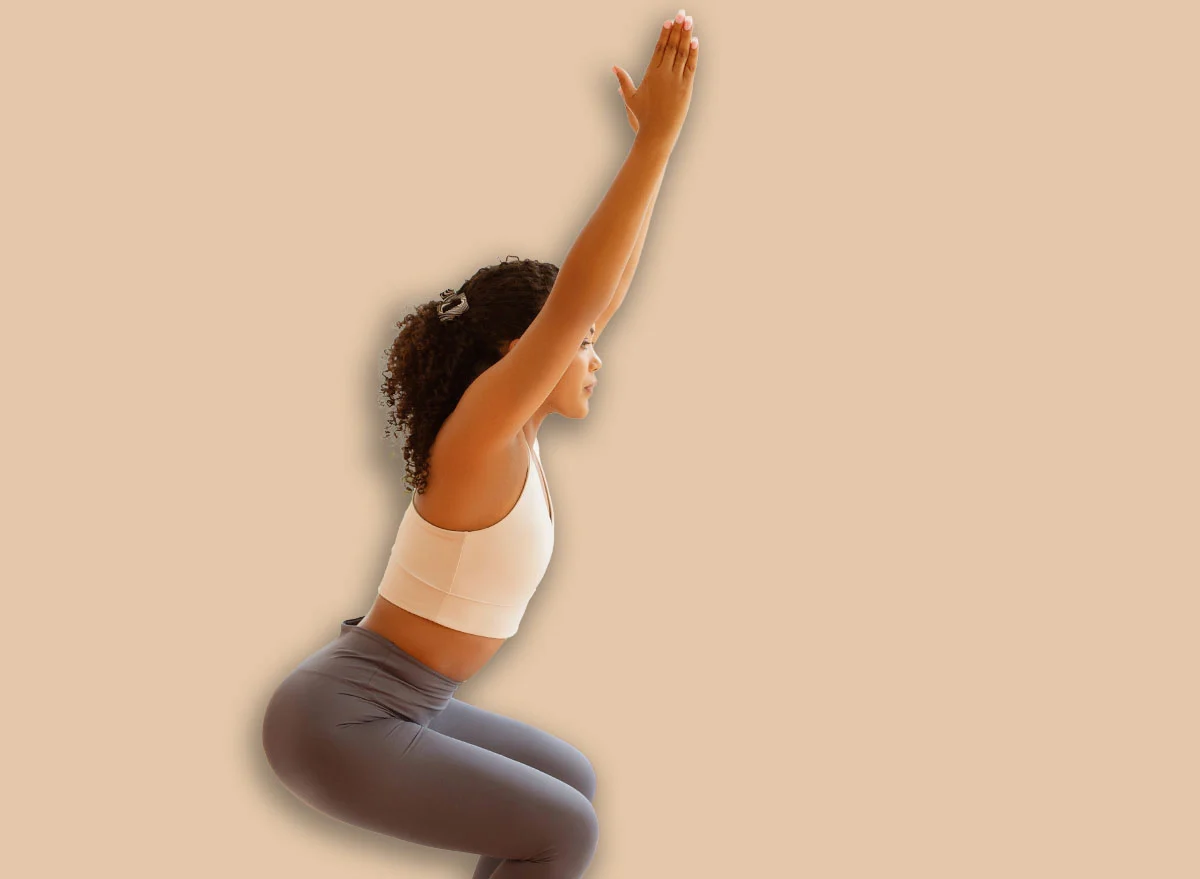
5. Squat with Vertical Arm Extension: Concluding a workout with a movement that enlists nearly every major muscle group in the body provides a comprehensive and potent stimulus. The squat component effectively strengthens the muscles of the legs and glutes, while the integrated overhead arm extension demands that the core musculature exert significant effort to stabilize the spine as the body extends vertically. This combination creates a profoundly functional exercise that not only expends more energy than isolated machine movements but also systematically fortifies the muscles essential for maintaining healthy, upright posture. Clients often articulate a pervasive sense of strength, extending from head to toe, after incorporating this exercise. It serves as a powerful reminder that the pursuit of a more defined midsection is inextricably linked to the broader objective of cultivating an overall stronger and more resilient physique.
Ultimately, achieving a more toned midsection and enhanced overall fitness beyond the age of sixty is an attainable goal, but it necessitates a thoughtful, integrated strategy. While specific exercises are vital, their efficacy is significantly amplified when paired with complementary lifestyle choices. Regular ambulation, such as daily walking, provides consistent low-impact cardiovascular benefits and supports metabolic health. Equally important is a commitment to balanced and nutritious eating, which underpins all efforts toward body recomposition and overall well-being. By embracing a holistic approach that prioritizes functional, multi-joint standing movements, coupled with a healthy lifestyle, individuals can build a foundation for improved physical capacity, increased confidence in daily activities, and a noticeably more defined abdominal profile, fostering vitality well into their later years.
About the Author