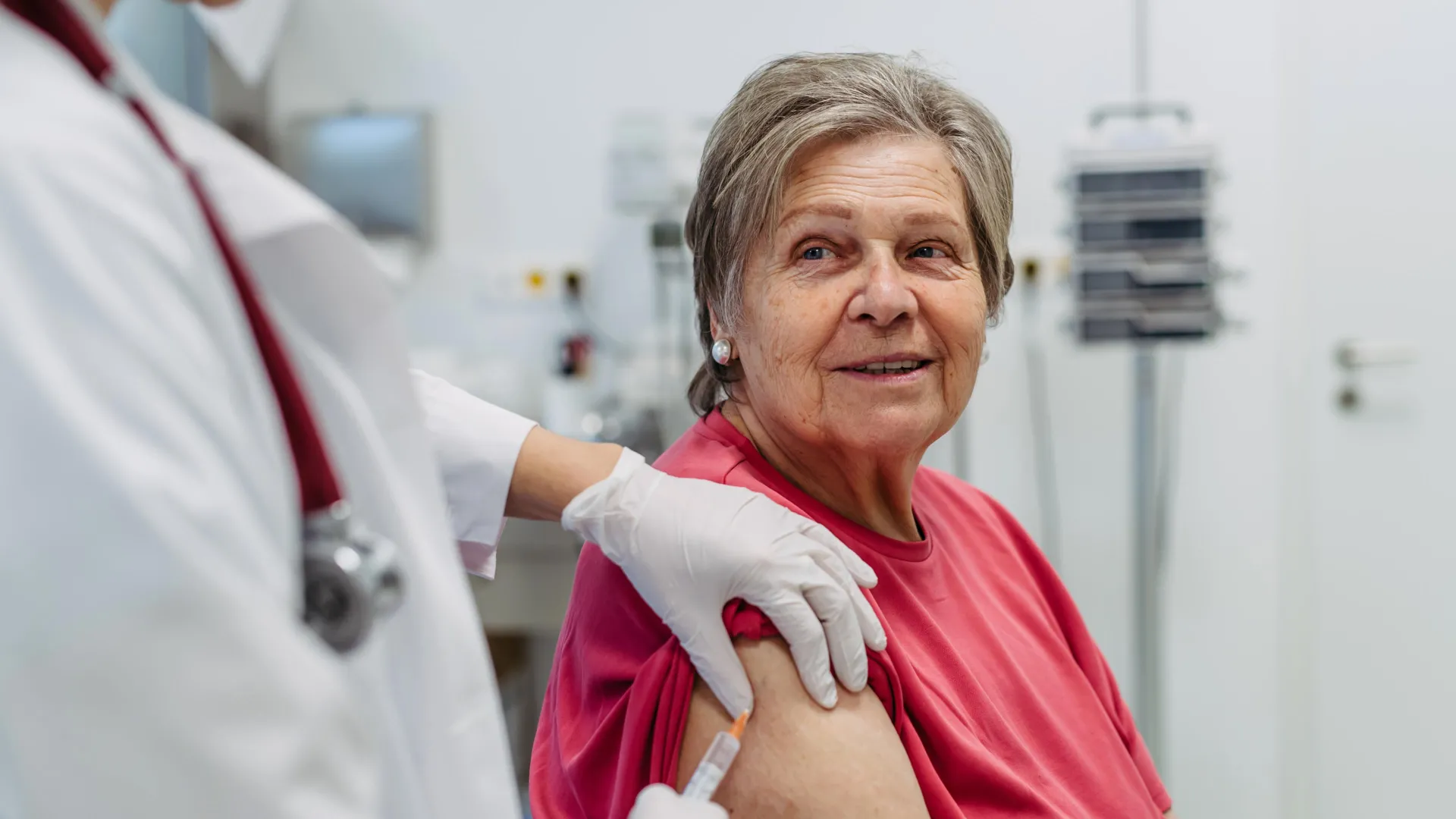
New scientific inquiry originating from the University of Southern California’s Leonard Davis School of Gerontology suggests that a vaccine designed to ward off shingles might offer benefits extending beyond its primary protective function, potentially influencing the pace of biological aging among elderly individuals. This groundbreaking research posits a correlation between receiving the shingles vaccination and a demonstrably slower trajectory of physiological deterioration, independent of chronological age. The findings, derived from an extensive analysis of a nationally representative cohort, introduce a compelling new perspective on the multifaceted impact of adult immunizations.
The investigation centered on over 3,800 participants aged 70 and above, drawn from the U.S. Health and Retirement Study, with data collected in 2016. Researchers meticulously adjusted for a variety of confounding variables, including pre-existing health conditions and demographic characteristics, to isolate the specific effect of shingles vaccination. Their analysis revealed a statistically significant association: individuals who had undergone vaccination exhibited a slower rate of biological aging compared to their unvaccinated counterparts. This suggests that the intervention may be influencing fundamental processes of aging within the body.
Shingles, medically termed herpes zoster, is a painful cutaneous eruption characterized by blistering, which arises from the reactivation of the varicella-zoster virus, the same pathogen responsible for chickenpox. While anyone who has experienced chickenpox carries the dormant virus and thus remains susceptible to shingles, the risk escalates considerably after the age of 50. Individuals with compromised immune systems face an even greater propensity to develop the condition. Historically, vaccination has been predominantly recommended for older demographics, aiming to mitigate the incidence of shingles and, crucially, to reduce the likelihood of postherpetic neuralgia – a debilitating chronic pain syndrome that can persist long after the skin lesions have healed.
The prevailing understanding of vaccines has primarily focused on their capacity to prevent infectious diseases. However, a burgeoning body of scientific evidence is now indicating that these interventions may exert broader, more systemic effects on health. Dr. Jung Ki Kim, an Associate Professor of Gerontology and the lead author of the current study, pointed to prior research that has established links between various adult vaccinations, including those for influenza and shingles, and a reduced incidence of neurodegenerative disorders such as dementia. This new study, therefore, builds upon this evolving paradigm, proposing that vaccines could play a proactive role in fostering healthy aging by positively modulating biological systems, extending their influence beyond mere infection control.
Distinguishing between chronological and biological aging is paramount to understanding the study’s implications. Chronological age simply refers to the number of years a person has lived, a static measure. Biological aging, conversely, quantifies the functional status and resilience of the body’s various systems. It acknowledges that physiological decline is not uniform; two individuals of the same chronological age can possess vastly different biological profiles. One might exhibit cellular and organ function characteristic of a much younger person, while the other may show signs of premature or accelerated aging. This disparity underscores the importance of metrics that capture the dynamic process of aging at a cellular and molecular level.
To rigorously assess biological aging, Dr. Kim, in collaboration with co-author Dr. Eileen Crimmins, a distinguished USC University Professor and AARP Professor of Gerontology, employed a multifaceted approach. Their evaluation incorporated seven distinct biomarkers associated with physiological aging. These markers, collectively, provide a comprehensive snapshot of the aging process. The researchers then integrated these individual measurements to generate an overarching biological aging score for each participant, allowing for a holistic assessment of their physiological status.
The results of this detailed analysis revealed a significant disparity between vaccinated and unvaccinated groups concerning key indicators of aging. On average, individuals who had received the shingles vaccine demonstrated lower levels of systemic inflammation, a phenomenon increasingly recognized as a driver of age-related diseases. Furthermore, they exhibited slower rates of epigenetic aging, which pertains to changes in gene expression without altering the underlying DNA sequence, and transcriptomic aging, which reflects alterations in RNA production. These findings were complemented by superior overall biological aging scores among the vaccinated cohort. This convergence of evidence strongly suggests that the immune system’s response to vaccination may have a beneficial impact on the aging trajectory.
Chronic, low-grade inflammation, often referred to by researchers as "inflammaging," is a well-established contributor to a spectrum of age-related ailments, including cardiovascular disease, frailty, and cognitive impairment. Dr. Kim elucidated that the shingles vaccine might exert its beneficial effects by helping to dampen this underlying inflammatory burden. By potentially preventing the reactivation of the varicella-zoster virus, the vaccine could indirectly mitigate the chronic inflammatory cascade associated with aging, thereby supporting a healthier aging process. While the precise molecular pathways remain an area for further investigation, the vaccine’s demonstrated capacity to reduce inflammation positions it as a promising adjunct to broader strategies aimed at enhancing resilience and decelerating age-related functional decline.
Moreover, the study explored the temporal dimension of these potential benefits, examining the duration since participants had received their vaccination. Intriguingly, individuals who had been vaccinated four years or more prior to the blood sample collection still exhibited slower epigenetic and transcriptomic aging, alongside improved overall biological aging scores, when compared to unvaccinated individuals. This persistence of effect suggests that the positive influences of the shingles vaccine may extend for several years post-immunization, indicating a potentially long-lasting impact on the aging process.
Dr. Crimmins emphasized that these findings underscore the vaccine’s influence on critical biological domains directly linked to aging. While acknowledging the necessity for further research, including longitudinal studies and experimental designs to confirm and expand upon these observations, she highlighted the study’s contribution to a growing body of evidence suggesting that vaccines could serve as valuable tools within comprehensive healthy aging strategies, moving beyond their primary role of acute illness prevention.
The study, titled "Association between shingles vaccination and slower biological aging: Evidence from a U.S. population-based cohort study," was formally published in the Journals of Gerontology, Series A: Biological Sciences and Medical Sciences on January 20, 2026. This research was generously supported by grants from the National Institute on Aging at the National Institutes of Health, including grant P30 AG017265. The foundational data for this investigation was provided by the Health and Retirement Study, which itself receives vital support from the National Institute on Aging under grant U01 AG009740.
About the Author