Nations worldwide have collectively affirmed their resolve to press forward with the development of a proposed international instrument on pandemic prevention, preparedness, and response, signaling a crucial phase in global health diplomacy just weeks before the Seventy-seventh World Health Assembly (WHA), scheduled to commence on May 27, 2024. This renewed commitment underscores the profound lessons learned from the devastating impact of the COVID-19 pandemic and the collective determination to forge a more resilient global health security framework.
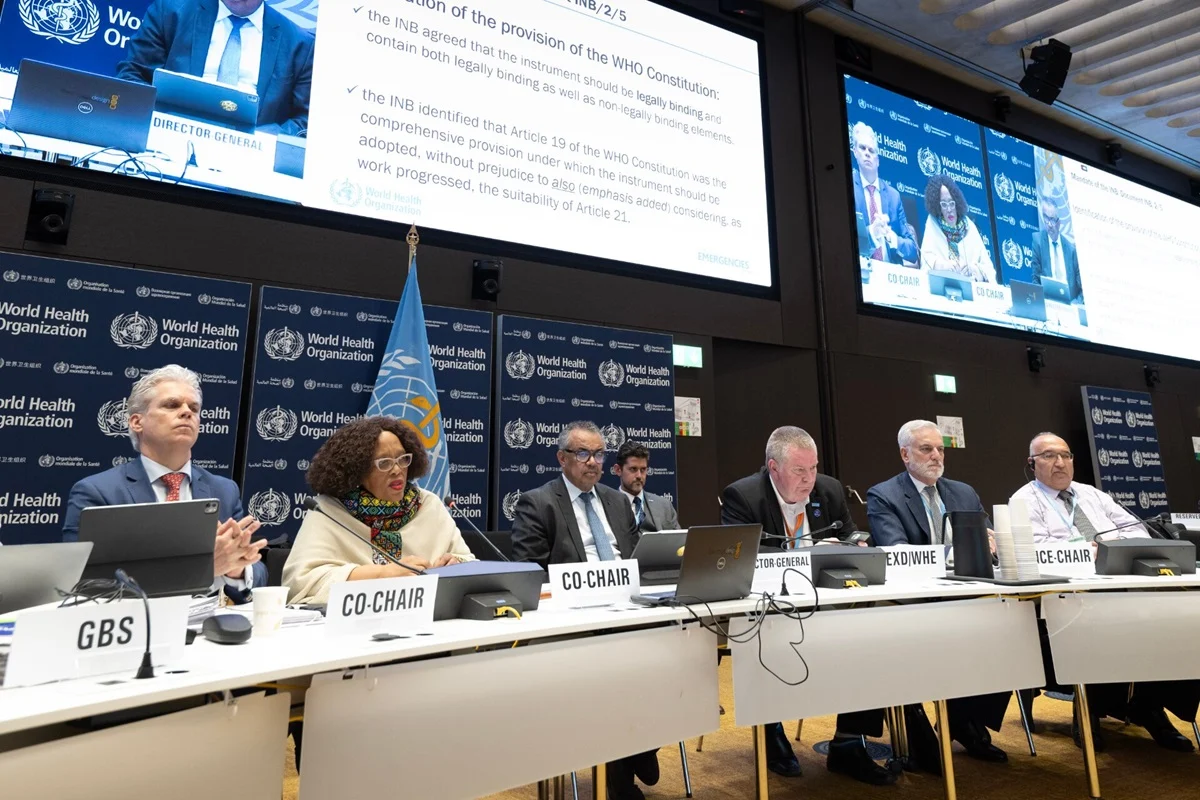
Meeting at the World Health Organization (WHO) headquarters in Geneva, representatives from various governments concluded a significant round of discussions, agreeing to resume both hybrid and in-person sessions in the immediate future. These intensified deliberations aim to resolve outstanding complexities across several pivotal domains. Central to these negotiations are the establishment of a novel global system for equitable access to pathogens and the fair sharing of benefits derived from them—encompassing life-saving vaccines, therapeutic treatments, and diagnostic tools. Additionally, discussions are zeroing in on robust strategies for pandemic prevention, guided by the holistic "One Health" approach, and the critical financial mechanisms required to substantially enhance countries’ capabilities to anticipate, prepare for, and effectively respond to future health crises.
The impetus for this ambitious undertaking emerged directly from the unprecedented global emergency triggered by the COVID-19 pandemic. In March 2021, an influential group of two dozen heads of state and government issued a joint statement, unequivocally advocating for a unified global approach to confronting future pandemics. This high-level call to action crystallized into a concrete mandate in December 2021, when WHO Member States formally decided to initiate a comprehensive process. Their goal: to draft and negotiate a legally binding international convention, agreement, or other instrument specifically designed to fortify global pandemic prevention, preparedness, and response. This decision recognized that while national sovereignty remains paramount, effective pandemic management necessitates unparalleled international collaboration and coordination.
The body entrusted with this monumental task is the Intergovernmental Negotiating Body (INB), a Member State-led entity established over two years ago. The INB’s mandate is to guide this complex effort towards a consensus. Its Bureau, comprising key representatives, plays a pivotal role in steering the negotiations and is tasked with submitting the eventual outcome for formal consideration and adoption by the World Health Assembly. This structured approach highlights the seriousness and meticulousness with which the international community is approaching the creation of a framework intended to safeguard humanity from future health catastrophes.
Dr. Tedros Adhanom Ghebreyesus, the Director-General of the WHO, emphasized the historic nature of these ongoing efforts. "Over more than two years of exhaustive negotiations, the Member States of the WHO have consistently demonstrated an unwavering dedication to crafting a generational agreement," Dr. Tedros remarked, underscoring the profound intent to shield the world from a recurrence of the suffering and disruption wrought by the COVID-19 pandemic. He further welcomed the demonstrable resolve of all participating nations to persist in their work and to fulfill the vital mission they embarked upon, recognizing the immense stakes involved in creating a durable legacy for global health security.
The complexities inherent in forging such a comprehensive, legally binding accord among nearly 200 sovereign nations are substantial. Diverse national interests, varying levels of economic development, differing legal frameworks, and distinct healthcare priorities all contribute to a challenging negotiating landscape. Yet, as Dr. Precious Matsoso of South Africa, Co-Chair of the INB Bureau, noted, considerable headway has been achieved across a broad spectrum of provisions outlined in the draft agreement during the latest round of discussions. Dr. Matsoso articulated the profound historical significance of the moment, stating, "We are witnessing history unfold before our very eyes during this process, with all countries uniting to determine a binding pact designed to protect every citizen of the world." She acknowledged the formidable nature of the undertaking, emphasizing that this marks the first time such an agreement on pandemic prevention, preparedness, and response is being developed. "Achieving this means doing it correctly," she affirmed, reiterating the INB Bureau’s steadfast commitment to facilitating the finalization of a meaningful and enduring international instrument.
Her fellow INB Bureau Co-Chair, Mr. Roland Driece from the Netherlands, echoed this sentiment, recalling the ambitious timeline set when countries first embarked on the process two years prior. He highlighted that the decision to develop a pandemic agreement was made in direct response to the unprecedented global emergency presented by the COVID-19 pandemic. "This unparalleled endeavor by all WHO Member States was launched in reaction to an unprecedented global crisis," Mr. Driece stated, underscoring that sovereign states recognized the indispensable need for extensive collaboration and coordination in the face of pandemics. While acknowledging the occasional arduous nature of the negotiations, he stressed the universal consensus among nations that the world must be substantially better equipped for the next pandemic. "It is not a question of whether a pandemic will recur; it is a certainty of when," he cautioned, urging the international community not to squander this historic opportunity to fortify global defenses against future pandemic threats.
Expanding on the critical issues being addressed, the proposed global system for pathogen access and benefit sharing (PABS) seeks to rectify the inequities witnessed during the COVID-19 crisis, where access to pathogen samples, research, and life-saving countermeasures was often skewed. The new framework aims to establish a more transparent and equitable mechanism, ensuring that all countries, particularly those in resource-limited settings, have timely and fair access to the tools needed to combat emerging pathogens. This involves intricate discussions around intellectual property rights, technology transfer, and sustainable manufacturing capabilities, seeking a balance between innovation incentives and global public health imperatives.
The "One Health" approach to pandemic prevention signifies a fundamental paradigm shift, recognizing that human health is intrinsically linked to animal health and the health of our shared environment. This integrated strategy calls for enhanced surveillance systems that monitor zoonotic diseases at their source, strengthened biosecurity measures, and cross-sectoral collaboration to mitigate risks before they escalate into global pandemics. Implementing this requires significant investment in veterinary public health, environmental monitoring, and interdisciplinary research, particularly in regions identified as high-risk for disease emergence.
Furthermore, the imperative for robust financial coordination underscores the need for predictable, sustainable, and equitably shared funding mechanisms for pandemic preparedness and response. The ad-hoc, often insufficient, and inequitably distributed funding during past crises demonstrated a critical weakness in the global health architecture. The new agreement seeks to establish frameworks for rapid mobilization of resources, investment in national capacities, and ensuring that financial burdens are shared fairly, reflecting the collective responsibility to protect global health. This includes discussions on innovative financing models and commitments from high-income countries to support capacity building in less developed nations.
The impending World Health Assembly serves as a pivotal moment for these negotiations. It represents the ultimate decision-making body of the WHO, where the INB Bureau will present the outcome of its intensive work. While the aspiration is to finalize a comprehensive and legally binding accord, the complex political dynamics and varying national priorities mean that the WHA could lead to a final agreement, a mandate for further targeted negotiations, or even a more prolonged process. Regardless of the immediate outcome, the very act of engaging in such extensive negotiations reflects a profound shift in global consciousness regarding collective responsibility for health security.
The proposed pandemic accord represents more than just a legal document; it embodies a collective global aspiration to learn from past mistakes, foster genuine international solidarity, and build a future where humanity is better prepared for health crises. It is a testament to the belief that in an interconnected world, no nation can truly be safe until all nations are safe. The tireless efforts of diplomats, public health experts, and political leaders in Geneva are geared towards delivering a framework that can transform this aspiration into a tangible reality, safeguarding generations to come from the devastating specter of future pandemics. The world watches intently as these critical discussions unfold, hoping for a landmark agreement that will forever alter the landscape of global health security.
About the Author