In a significant advancement for immunology and physiological understanding, researchers at the University of Liège have pinpointed a fundamental genetic mechanism crucial for the proper development and operation of macrophages, the immune system’s versatile cellular sentinels. This pivotal discovery centers on a specific protein, known as MafB, which functions as an indispensable transcriptional control element, dictating the maturation trajectory of these vital immune cells and, consequently, safeguarding the well-being of numerous bodily systems. The identification of MafB’s role provides unprecedented insight into how these ubiquitous cells maintain their functional integrity across diverse tissue environments and offers promising avenues for addressing a spectrum of chronic health conditions.
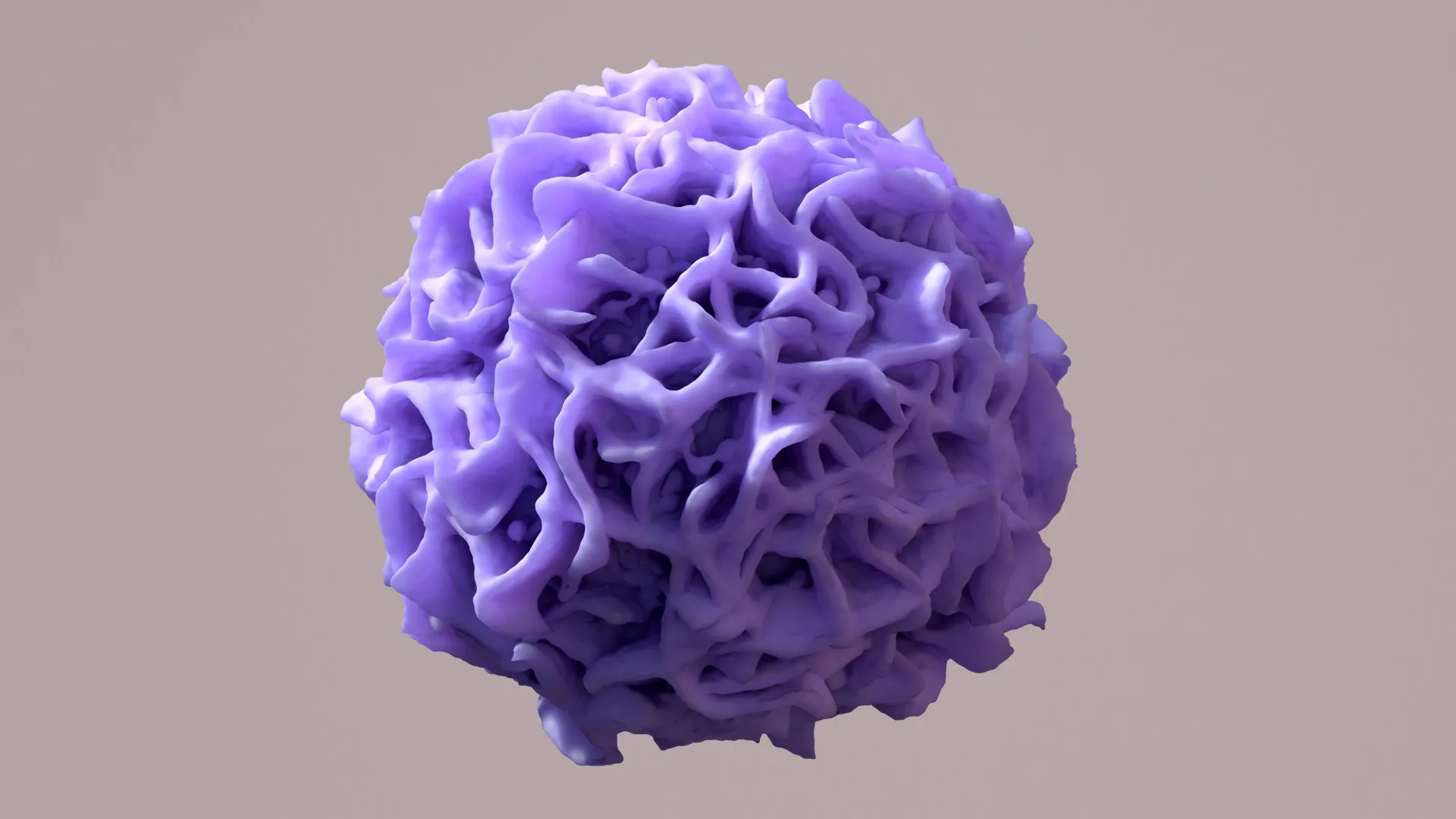
Macrophages represent a cornerstone of the innate immune system, strategically positioned in nearly every organ and tissue throughout the mammalian body. Far from being mere pathogen fighters, these remarkable cells perform a multifaceted array of roles that are indispensable for maintaining internal equilibrium, a state known as homeostasis. They are voracious phagocytes, capable of engulfing and neutralizing invading microbes, cellular debris, and senescent cells, thereby acting as the body’s intrinsic waste disposal and recycling system. Beyond this, macrophages are deeply involved in tissue repair and regeneration, modulate inflammatory responses, contribute to metabolic regulation, and play a critical part in the systemic recycling of essential elements, such as iron. Their ability to adapt their phenotype and functional repertoire to the specific demands of their microenvironment—whether it be the liver, brain, or lungs—is astounding, yet they consistently retain a foundational identity that enables them to execute these core responsibilities. For a long time, the precise molecular mechanisms governing this dual nature of specialization alongside conserved identity remained a scientific enigma.
The breakthrough, spearheaded by Professor Thomas Marichal and his team at the Immunophysiology Laboratory at ULiège, unveils MafB as the central orchestrator behind this complex process. MafB, a member of the basic leucine zipper (bZIP) family of transcription factors, exerts its influence by binding to specific DNA sequences within the nucleus, thereby regulating the expression of a vast network of genes. In essence, it acts as a conductor, directing the cellular machinery to activate or repress particular genetic programs at critical junctures in the macrophage’s life cycle. The scientists observed that as immature precursor cells, known as monocytes, embark on their journey to differentiate into mature, tissue-resident macrophages, the cellular concentration of MafB progressively escalates. This increase in MafB levels is not coincidental but rather a deliberate signal, guiding these nascent cells towards their fully differentiated and operational state.
The ramifications of MafB’s absence underscore its indispensable nature. Experimental models demonstrated that without adequate MafB expression, macrophages fail to complete their developmental program. They remain in an arrested, immature state, severely compromising their ability to perform their protective duties. These developmentally stunted cells, though physically present in tissues, are functionally impaired, akin to an operational unit lacking the essential training and equipment to execute its mission. Professor Marichal emphasized the profound impact of this finding, stating that MafB functions as a "master programming element that bestows upon macrophages their defining characteristics and endows them with the full suite of capabilities required for upholding organ vitality." Without this critical instructional blueprint, he noted, these cellular entities exist but are profoundly deficient in their operational capacity.
Delving deeper into the molecular underpinnings, the research revealed that MafB directly controls a wide-ranging transcriptional program vital for numerous macrophage functions. This includes genes involved in phagocytosis, the cellular process of engulfing particles, and those crucial for maintaining tissue homeostasis. The study also highlighted a remarkable aspect of this regulatory system: its profound evolutionary conservation. The MafB-dependent genetic program was found to be strikingly similar across disparate species, from murine models to humans and indeed across various vertebrate lineages. This high degree of conservation across millions of years of evolution strongly suggests that MafB’s role in macrophage development is not merely important but absolutely fundamental to the survival and physiological stability of complex organisms. Such deep evolutionary roots signify a mechanism that is critical and has been preserved due to its undeniable biological utility.
The consequences of a disrupted MafB-dependent maturation pathway extend far beyond localized immune defense, impacting the systemic physiological balance. The investigative team documented observable dysfunctions across multiple organ systems when macrophage maturation was compromised. Specific issues were identified in the spleen, a crucial organ for blood filtration and iron recycling, where impaired macrophages led to inefficiencies in iron metabolism. Furthermore, the normal operational efficiency of critical organs such as the lungs, intestines, and kidneys was significantly hampered. In the lungs, macrophages are vital for clearing airborne particulates and maintaining respiratory surface integrity; in the intestines, they regulate immune tolerance and nutrient absorption; and in the kidneys, they contribute to filtration processes and waste removal. The widespread nature of these observed impairments vividly illustrates the profound and pervasive contribution of properly functioning macrophages to the overall health and functional equilibrium of the entire organism. As Domien Vanneste, the lead author of the scientific publication, elucidated, these findings clarify how a universally conserved genetic program underpins the diverse specializations of macrophages across various tissues, enabling them to adapt to different organ environments while steadfastly preserving their essential identity.
This groundbreaking discovery carries substantial medical implications, particularly given the extensive involvement of dysfunctional macrophages in a myriad of chronic human diseases. Impaired macrophage activity is a recognized contributor to the pathogenesis of various inflammatory disorders, such as atherosclerosis, inflammatory bowel disease, and rheumatoid arthritis. They also play a critical role in fibrotic conditions, where excessive scar tissue forms, impacting organs like the lungs (pulmonary fibrosis) and liver (cirrhosis). Furthermore, macrophage dysfunction is implicated in the persistence of chronic infections, metabolic diseases like type 2 diabetes and obesity, and even certain neurodegenerative disorders. The ability of macrophages to switch between pro-inflammatory and anti-inflammatory states, and their capacity for tissue repair, means their dysregulation can either perpetuate disease or hinder recovery.
By precisely identifying MafB as a central regulatory node, researchers have opened novel therapeutic avenues. The possibility of modulating MafB’s activity, or that of the specific biological pathways it controls, presents an exciting prospect for restoring healthy macrophage function in disease contexts. For instance, in conditions where macrophages are underperforming or skewed towards a detrimental phenotype, therapeutic strategies could aim to enhance MafB expression or function to promote proper maturation and beneficial activity. Conversely, in situations where overactive or aberrantly functioning macrophages contribute to pathology, approaches might focus on carefully modulating MafB-regulated pathways to dampen their detrimental effects. While the development of such targeted interventions is complex and requires extensive further research, this discovery provides a crucial molecular handle for developing precision medicines that address the root causes of macrophage-mediated pathologies.
In summary, the identification of MafB as an evolutionarily conserved, central regulator of macrophage development, identity, and functional competence represents a profound leap forward in our understanding of immune system biology. This research not only illuminates a critical genetic program essential for maintaining systemic organ health but also lays a robust foundation for future investigations into macrophage-centric diseases. The insights garnered from this study offer renewed hope for developing innovative strategies to restore immune cell equilibrium and improve tissue health across a broad spectrum of debilitating chronic conditions, ultimately enhancing human well-being.
About the Author