
Maintaining robust physical capabilities becomes increasingly vital with advancing age, significantly impacting an individual’s quality of life and independence. Among the myriad assessments of physical fitness, the humble push-up stands out as a deceptively simple yet profoundly informative measure of comprehensive bodily strength and endurance. Far from being a mere indicator of arm strength, this foundational bodyweight exercise offers a window into an individual’s overall physiological resilience, particularly for those navigating their sixth decade and beyond. Its accessibility, requiring no specialized equipment or gym membership, makes it an ideal tool for self-assessment and a benchmark for functional health.
The push-up is a compound movement, meaning it engages multiple joints and muscle groups simultaneously, making it an exceptionally efficient exercise. When executed correctly, it activates primary movers such as the pectoralis major (chest muscles), anterior deltoids (front of the shoulders), and triceps brachii (back of the upper arms). Beyond these primary muscles, it also demands significant contributions from stabilizing muscles, including the serratus anterior, which helps protract the scapulae and stabilize the shoulder girdle, and a host of core muscles—abdominals, obliques, and even glutes—to maintain a rigid, plank-like posture throughout the movement. This synergistic muscle activation cultivates not only raw pushing strength but also muscular endurance and crucial trunk stability.
The practical implications of these developed physical attributes extend far into daily living. The strength gained from push-ups directly translates to essential functional movements: pushing open heavy doors, rising effortlessly from a low chair or the floor, maintaining balance to prevent falls, and comfortably managing tasks like carrying groceries or navigating stairs. For older adults, the ability to perform such actions without strain is paramount for sustaining autonomy and enjoying an active lifestyle, mitigating the common challenges associated with age-related decline in strength and mobility.
Intriguingly, contemporary research has elevated the push-up from a mere fitness test to a potential biomarker for broader health outcomes. A notable study published in 2019 in JAMA Network Open brought this correlation to the forefront. Researchers at Harvard T.H. Chan School of Public Health tracked 1,104 active, middle-aged male firefighters over a period of ten years. The findings were compelling: participants who could complete more than 40 push-ups exhibited a remarkable 96% lower risk of experiencing cardiovascular disease events compared to their counterparts who managed fewer than 10 repetitions. While the average age of the study cohort was approximately 40 years, not specifically over 60, the fundamental takeaway holds significant relevance across age demographics. The study underscores a powerful link between higher levels of physical fitness, particularly upper body strength and endurance as measured by push-ups, and a reduced susceptibility to cardiovascular ailments. This suggests that the physiological robustness indicated by push-up capacity reflects a broader state of systemic health, encompassing cardiorespiratory fitness, muscle integrity, and potentially healthier lifestyle habits.
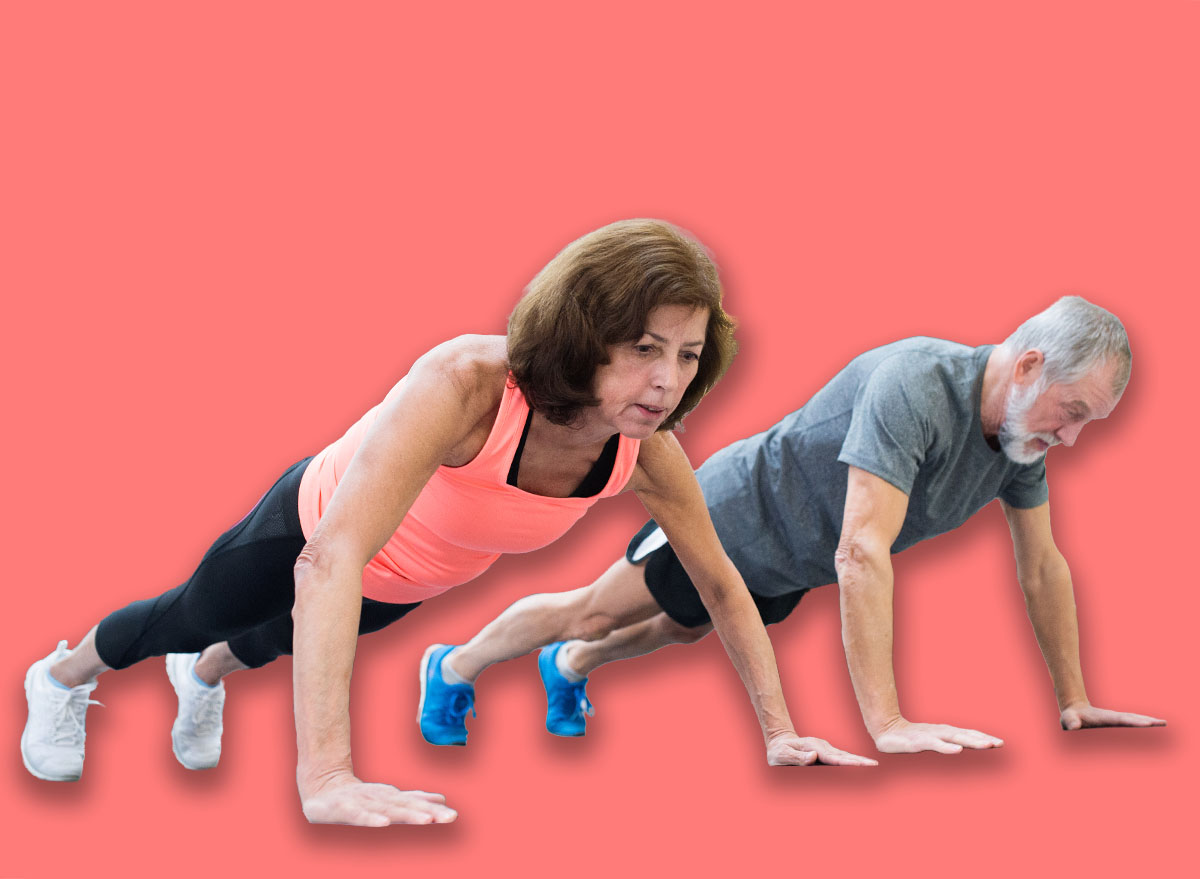
For individuals over the age of sixty, achieving a specific benchmark in push-up performance is indicative of robust upper body strength and overall functional capacity. According to insights from certified personal trainers, including James Bickerstaff of OriGym, the ability to execute 15 push-ups with impeccable form signifies an exceptional level of fitness for this demographic. This particular number is not arbitrary; it represents a blend of strength, muscular endurance, and core stability that supports continued physical independence and resilience in later life. It’s a testament to consistent effort and a well-maintained physical condition, suggesting that the individual possesses the foundational strength to navigate daily physical demands with ease and confidence.
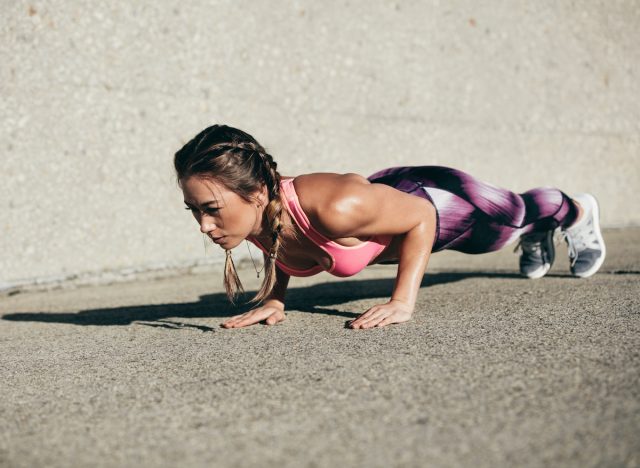
The emphasis on "impeccable form" is critical and cannot be overstated. The quality of each repetition far outweighs the sheer quantity. A truly effective push-up involves a full range of motion: starting from a plank position with arms extended, the body lowers until the chest is just inches from the floor, or at least until the elbows form a 90-degree angle, then pushes back up to the starting position. Throughout this movement, the body should remain in a straight line from head to heels, preventing the hips from sagging towards the floor or piking upwards. The elbows should ideally track relatively close to the sides, engaging the triceps and chest effectively, rather than flaring out widely. Performing repetitions with a controlled tempo, both on the way down and up, ensures maximal muscle engagement and prevents momentum from doing the work. In contrast, partial, rushed repetitions, or those performed with poor body alignment, inflate rep counts without genuinely building the comprehensive strength and stability that the exercise is intended to measure. Such "sloppy" execution fails to properly activate the target muscles and offers a less accurate reflection of true physical capability.
For many, reaching the benchmark of 15 full, well-executed push-ups may seem like a challenging endeavor, especially if they are new to regular strength training or have experienced a decline in physical activity. However, it is a highly achievable goal through a structured and progressive approach. The principle of progressive overload, which involves gradually increasing the demands on the body, is key.
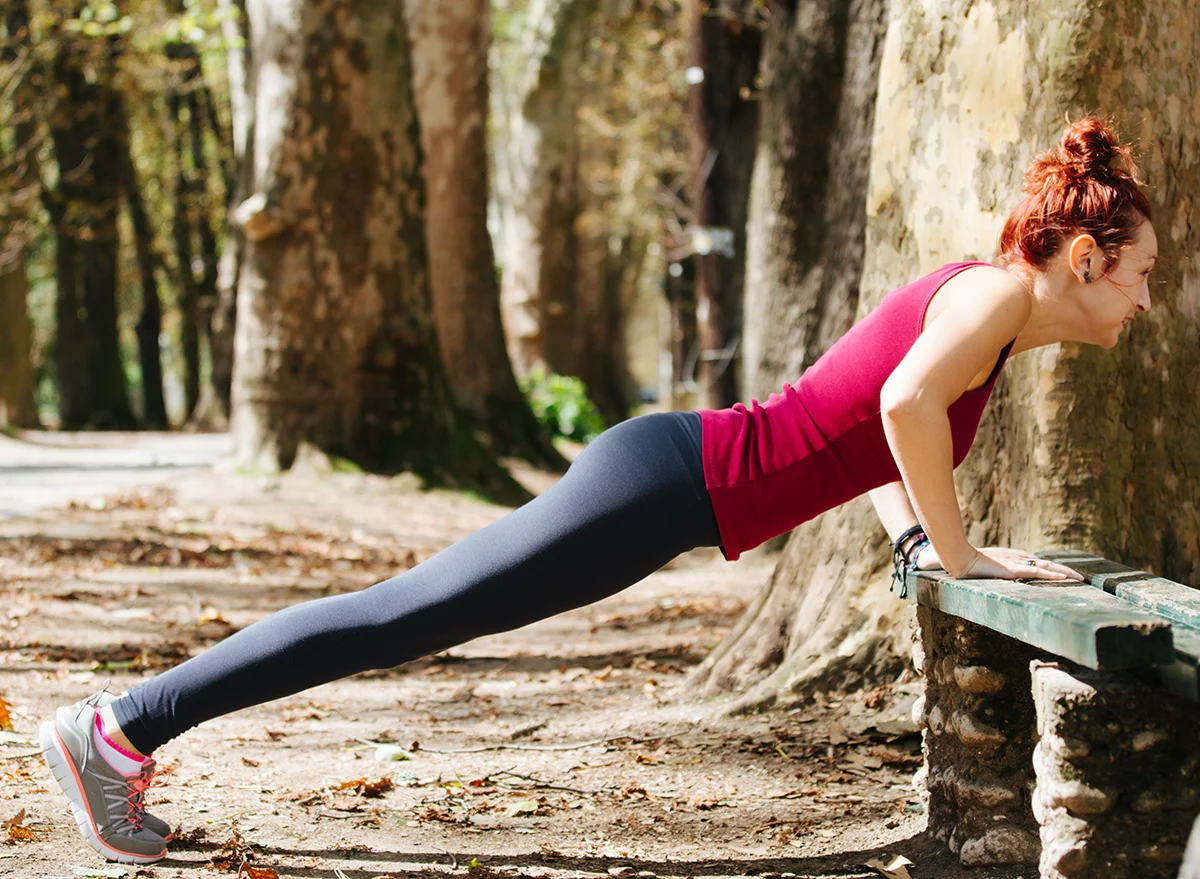
A sensible progression might begin with wall push-ups, where the individual stands facing a wall and pushes away, adjusting their distance to the wall to vary the intensity. As strength improves, the angle of the body can be decreased by moving to incline push-ups against a sturdy countertop, a table, or a bench. The higher the incline, the less body weight is being lifted, making the exercise easier. Gradually, the incline can be lowered until one is performing push-ups from the knees on the floor. Knee push-ups still engage the chest, shoulders, and triceps, but reduce the load on the core.
Once knee push-ups become manageable, the next step might involve eccentric, or negative, push-ups. Here, the individual starts in the top position of a full push-up and slowly lowers their body to the floor with controlled movement, taking several seconds. Once at the bottom, they can either reset by returning to the starting position on their knees or simply stand up and repeat the controlled lowering phase. This method builds strength effectively as the body is typically stronger during the eccentric phase of a movement. Complementary exercises such as planks (for core stability), dumbbell chest presses (to build pushing strength), and triceps extensions can also accelerate progress towards achieving full push-ups. Consistency in practice, patience, and a focus on proper form at each stage are crucial for safely and effectively building towards the ultimate goal of 15 full push-ups.
In conclusion, the capacity to perform 15 push-ups with excellent form after the age of sixty is more than just a mark of physical prowess; it is a profound indicator of functional longevity and overall systemic health. This accessible bodyweight exercise provides a comprehensive assessment of upper body strength, muscular endurance, and core stability—qualities fundamental to maintaining independence and an active lifestyle. Furthermore, scientific evidence hints at a deeper correlation between push-up ability and cardiovascular health. While the journey to achieving this benchmark may require dedication and progressive training, the benefits—ranging from enhanced daily functionality to a potentially reduced risk of chronic disease—make it a worthwhile pursuit for anyone aiming to cultivate robust well-being throughout their later years. Viewing the push-up as a tool for self-empowerment, individuals can actively work towards a future of sustained vitality and independence.
About the Author










