As individuals navigate the landscape of life beyond 50, many encounter a common physiological shift: an increased predisposition to accumulating adipose tissue around the midsection, often referred to colloquially as an "apron belly." This phenomenon is not merely an aesthetic concern but frequently signals underlying changes in body composition and metabolic health. While a dedicated fitness regimen and mindful nutritional choices are foundational for overall well-being at any age, targeting abdominal fat after five decades can present unique challenges, often leaving individuals frustrated even with consistent effort. Understanding the multifaceted causes behind these changes and adopting strategically tailored exercises can empower a more effective approach to core health and functional strength.
The physiological mechanisms driving increased abdominal adiposity and diminished core strength in older adults are complex and interconnected. Hormonal fluctuations play a significant role; for women, the decline in estrogen during menopause influences fat distribution, often shifting it from the hips and thighs to the abdominal area. Men also experience a gradual decrease in testosterone, which can contribute to both fat gain and muscle loss. Beyond sex hormones, changes in cortisol levels and insulin sensitivity can further impact how the body stores and utilizes fat. Concurrently, the natural aging process is accompanied by sarcopenia, the progressive loss of muscle mass and strength. This reduction in lean muscle tissue not only slows metabolism but also directly compromises the structural integrity and power of the core musculature, which includes the deep abdominal muscles like the transverse abdominis and the internal obliques. Research consistently indicates a strong correlation between aging, higher abdominal fat percentages, and a reduction in overall lean muscle mass. This combination can diminish the stomach’s appearance and, more importantly, its functional strength, hindering its capacity to stabilize the spine and support the lower abdomen effectively.
The core, often mistakenly reduced to just the "six-pack" muscles (rectus abdominis), is a sophisticated network of muscles that envelops the torso, providing stability, facilitating movement, and protecting the spine. Its functionality extends far beyond aesthetics, acting as the body’s powerhouse for nearly every physical activity. A robust core is crucial for maintaining proper posture, preventing lower back pain, improving balance, and enhancing overall functional strength—qualities that become increasingly vital as we age. For adults over 50, strong core muscles translate into a reduced risk of falls, greater ease in performing daily tasks like lifting groceries or reaching overhead, and an improved quality of life. When these deep abdominal muscles weaken, the body’s ability to stabilize itself and support the lower stomach is significantly impaired, contributing to the appearance of a protruding abdomen and increasing vulnerability to injury.
Traditional abdominal exercises, such as crunches or machine-based workouts, often isolate specific muscle groups or involve supine positions that may not fully engage the core in a functional, integrated manner. Furthermore, repetitive spinal flexion, common in many crunch variations, can be counterproductive or even detrimental for some older adults, potentially exacerbating existing back issues or contributing to poor postural habits. This is where standing core exercises offer a distinct advantage, presenting a paradigm shift in how we approach abdominal training, particularly for the mature demographic.
Standing exercises inherently demand greater balance and proprioception—the body’s awareness of its position in space. By challenging the core to stabilize the entire body against gravity, these movements recruit a broader spectrum of muscles, including deep stabilizers, synergistically. Unlike isolated movements, standing exercises mimic real-world activities, thereby enhancing functional strength that translates directly into improved daily performance and a reduced risk of injury. James Bickerstaff, a certified personal trainer at OriGym, underscores the profound benefits of this approach: "These movements train the abdominal muscles to stabilize the spine and control the pelvis. That’s important for strengthening the muscles that support the lower stomach and improving overall core function." This emphasis on stabilization and integrated muscle engagement makes standing exercises a superior choice for fostering robust core health and a more streamlined abdominal profile in individuals over 50, surpassing the efficacy of many conventional methods.
Incorporating specific standing movements into a regular fitness routine can yield significant improvements in core strength, balance, and overall body control. Here are four highly effective exercises that address the unique needs of adults over 50:
Standing Knee Drives
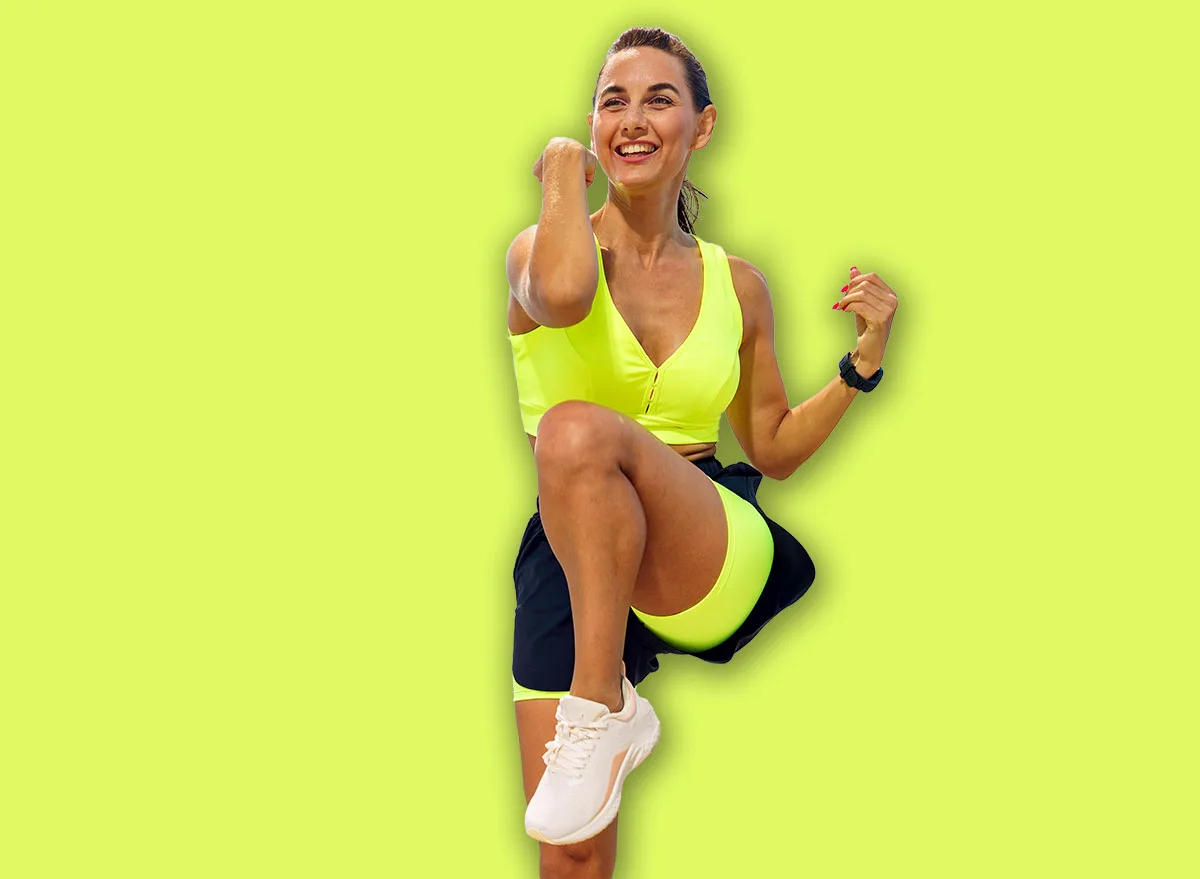
This dynamic exercise is exceptional for engaging the lower abdominal muscles while simultaneously activating the hip flexors and demanding significant stabilization from the core. The act of lifting one leg while maintaining an upright posture requires the entire abdominal complex to work synergistically to prevent unwanted swaying or loss of balance. This integrated demand strengthens the rectus abdominis, particularly its lower segments, and enhances hip mobility—a critical component of functional movement for older adults. By continuously challenging the core to stabilize the torso against the shifting weight, standing knee drives improve neuromuscular coordination and contribute to a firmer, more engaged midsection.
Standing Cross-Body Crunch
The standing cross-body crunch introduces a rotational element, making it a powerful exercise for targeting the oblique muscles—the side abdominals responsible for twisting and lateral flexion—in conjunction with the lower abdominals. This compound movement, which combines a knee lift with a torso twist, mimics common everyday actions like reaching for an object or turning. Bickerstaff explains its effectiveness: "This targets your obliques and lower abdominals at the same time, helping tighten the entire waistline. The twisting motion also strengthens the deep core muscles which can also help flatten the lower stomach area over time." By integrating rotation and flexion, this exercise not only sculpts the waistline but also significantly improves the core’s ability to control and stabilize rotational movements, reducing the risk of strain during daily activities.
Standing Pelvic Tucks
Unlike more outwardly dynamic movements, standing pelvic tucks are a controlled, subtle exercise specifically designed to activate the deep stabilizing muscles of the core, most notably the transverse abdominis. This deep muscle acts like a natural corset, wrapping around the abdomen and playing a crucial role in maintaining internal abdominal pressure and providing spinal stability. "Pelvic tucks are excellent for activating the deep core muscles that support your lower stomach," notes Bickerstaff. "This controlled movement also strengthens the transverse abdominis, the deep muscle layer responsible for pulling the abdomen inward." By consciously engaging and strengthening this often-neglected muscle, individuals can improve their posture, reduce the appearance of a protruding lower belly, and enhance the overall structural support of their core. The precise nature of this exercise fosters a deeper mind-muscle connection, improving internal body awareness.
Standing March with Core Brace
This low-impact exercise is a foundational movement for building comprehensive abdominal wall strength while simultaneously enhancing balance and refining posture. The core brace technique, involving a conscious tightening of the abdominal muscles as if preparing for a gentle impact, is integrated throughout the standing march. This constant bracing trains the entire core to provide continuous spinal stabilization and alleviates undue pressure on the lower back and abdomen. Bickerstaff highlights its holistic benefits: "This is a low impact movement that strengthens the entire abdominal wall while improving your balance and posture. Bracing your core throughout the exercise trains it to stabilise the spine and reduces pressure on your lower abdomen." The standing march with a core brace is an accessible yet potent exercise that reinforces the core’s role in maintaining equilibrium and upright alignment, making it invaluable for older adults seeking to improve their mobility and reduce fall risk.
Integrating these standing core exercises into a regular fitness routine, typically 2-3 times per week, can significantly contribute to enhanced core strength, improved balance, and a more robust, functional midsection for adults over 50. While the specific number of repetitions and sets will vary based on individual fitness levels, the emphasis should always be on controlled, mindful execution rather than speed or momentum. Listening to one’s body and progressing gradually are paramount to preventing injury and ensuring long-term adherence. Beyond targeted exercises, a holistic approach encompassing a balanced diet, adequate hydration, sufficient sleep, and stress management will further amplify the benefits, fostering overall well-being and supporting the body’s natural capacity for health and vitality. By embracing these functional standing movements, older adults can actively combat the age-related decline in core strength and abdominal definition, paving the way for a more active, stable, and independent future.
About the Author