
The ubiquitous presence of coffee in daily routines has evolved significantly, transitioning from a simple morning brew to an indulgent, often dessert-like beverage. However, this culinary transformation comes with a critical nutritional caveat: many popular offerings from major fast-food chains are laden with alarmingly high levels of added sugars, prompting serious public health discussions and calls for greater corporate accountability. Consumers, in their quest for a caffeine boost or a sweet treat, may unknowingly be consuming quantities of sugar that far exceed recommended daily limits, contributing to a broader societal health challenge.
This escalating concern has drawn the attention of prominent figures, including Health and Human Service Secretary Robert F. Kennedy Jr., who has publicly challenged industry giants like Dunkin’ and Starbucks regarding the sugar content of their coffee menu items. Kennedy’s direct question to these corporations — "Show us the safety data that show that it’s OK for a teenage girl to drink an iced coffee with 115 grams of sugar in it?" — underscores a growing demand for transparency and a re-evaluation of product formulations, particularly when it comes to beverages frequently consumed by younger demographics. The implication is clear: what appears to be an innocent coffee drink can, in fact, be a potent source of refined sugars, with potential long-term health ramifications that warrant scrutiny.
To contextualize these figures, it is essential to reference established health guidelines. The American Heart Association (AHA) advises a daily limit of approximately 25 grams (or 6 teaspoons) of added sugar for women and 36 grams (or 9 teaspoons) for men. Many fast-food coffee concoctions dramatically surpass these recommendations in a single serving, transforming what could be a simple pick-me-up into a substantial caloric and sugary intake more akin to a dessert. Consistently exceeding these limits can contribute to a range of adverse health outcomes, including increased risk of obesity, type 2 diabetes, cardiovascular disease, and other chronic conditions. The liquid nature of these calories often means they are less satiating than solid foods, potentially leading to overconsumption and further weight gain without providing significant nutritional value.
The phenomenon of "coffee as dessert" is driven by consumer demand for rich, sweet, and often visually appealing drinks. Chains respond by incorporating various sugary components: flavored syrups, caramel and chocolate sauces, whipped creams, and sweet toppings. These additions, while enhancing flavor and texture, significantly inflate the sugar count, effectively disguising a sugar bomb within a coffee vessel.
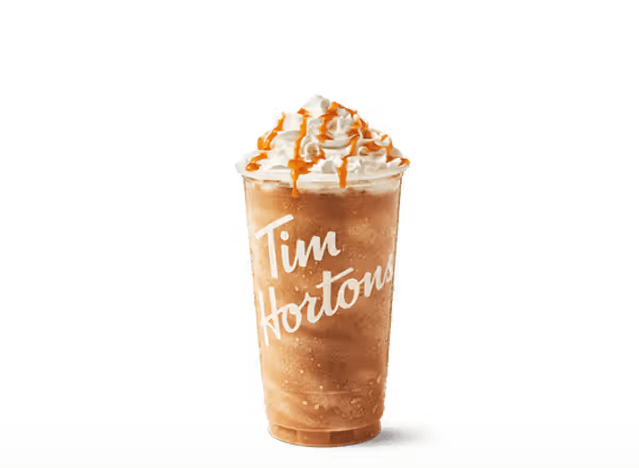
Examining specific examples from prominent fast-food establishments reveals the extent of this issue. Tim Hortons, a beloved Canadian coffee and donut chain, offers its popular Caramel Iced Capp, a medium size of which astonishingly contains 136.2 grams of sugar. To put this into perspective, this single beverage delivers more than five times the AHA’s recommended daily limit for women and nearly four times that for men. It clearly positions itself as an indulgent treat rather than a conventional coffee. For those seeking a less sugary option from Tim Hortons, the regular Iced Capp is a markedly better choice, coming in at a comparatively modest 28.6 grams of sugar for a medium size, though still approaching the daily limit for women.
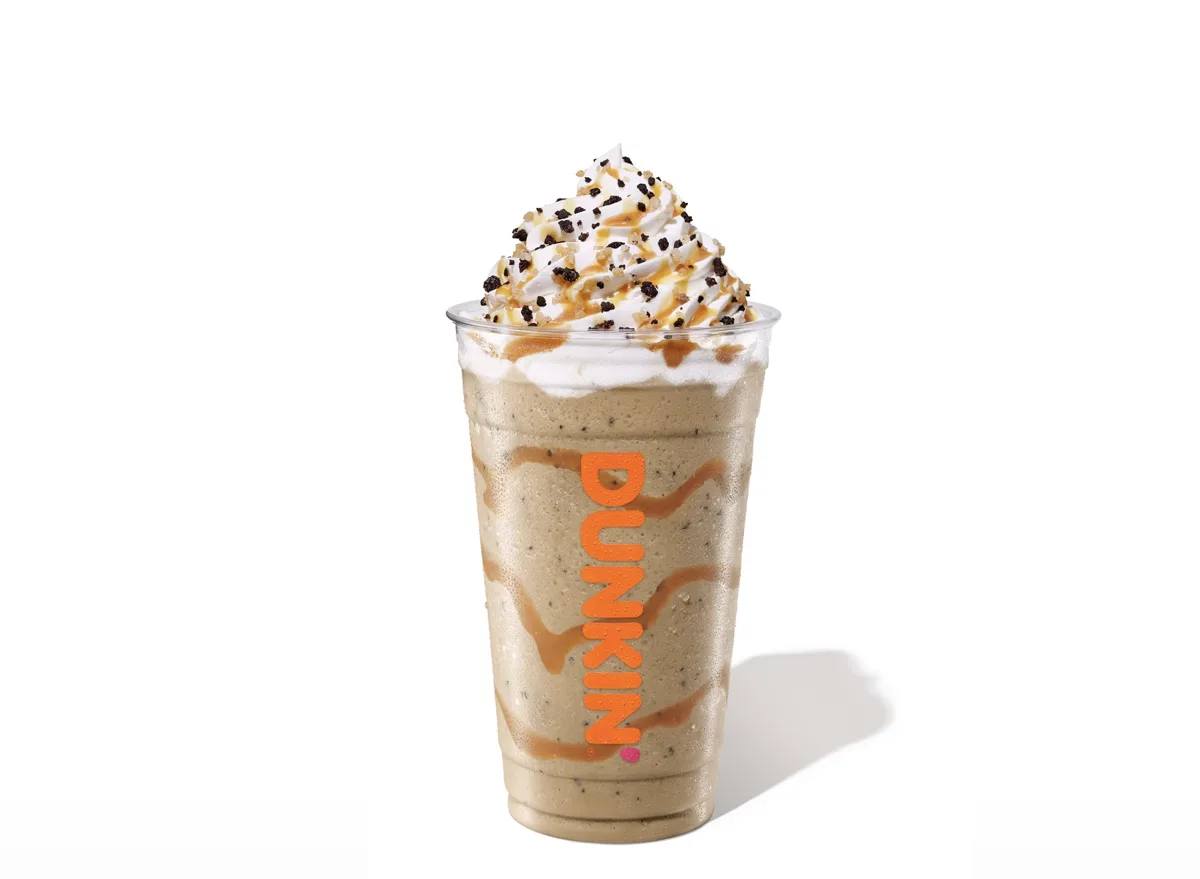
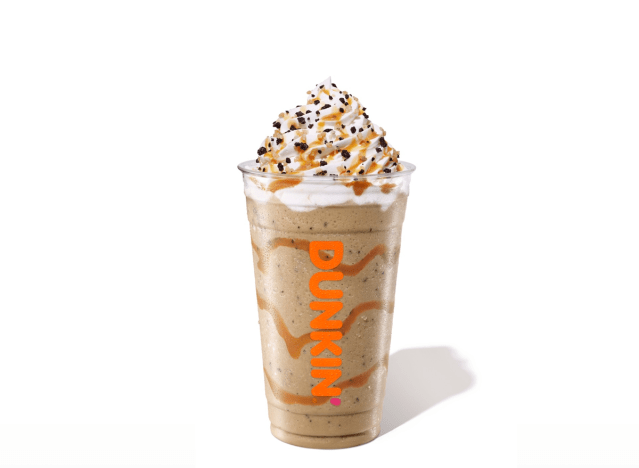
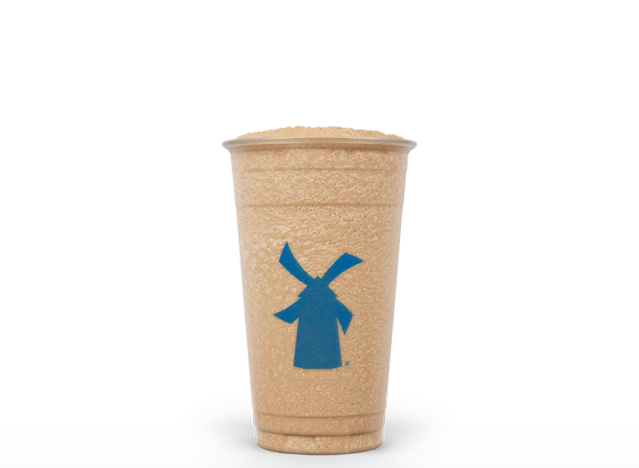
Dunkin’, another major player in the quick-service beverage market, also features several high-sugar items. Their Butter Pecan Swirl Frozen Coffee, when prepared with whole milk, contains a staggering 129 grams of sugar, with 117 grams identified as added sugars. Even without the specific flavor swirl, Dunkin’s standard Frozen Coffee still packs 84 grams of sugar. The brand’s Frozen Matcha Latte, often perceived as a healthier alternative due to the matcha, surprisingly contains 82 grams of sugar, demonstrating that even "green" options can be sugar-laden. These figures highlight a consistent pattern across their blended frozen offerings.
At Caribou Coffee, the Campfire Mocha presents another instance of a coffee drink masquerading as a confection. A medium serving of this beverage, which combines real chocolate, espresso, milk, and toasted marshmallow flavor, delivers 70 grams of sugar. Similarly, their Iced Cinnamon Sugar Caramel Espresso Shaker, a blend of espresso, ice, caramel, and cinnamon sugar sauce topped with oat milk, also contains 70 grams of sugar for a medium size. These drinks, with their elaborate flavor profiles, clearly prioritize sweetness and indulgence.
Dutch Bros. Coffee, known for its extensive and customizable menu, also contributes to the high-sugar landscape. Their medium Iced White Chocolate Mocha contains 62 grams of sugar per serving. The company describes its White Mocha Freeze as a "delicious mix of blended coffee, our exclusive chocolate milk and white chocolate syrup," an explanation that directly points to the source of its high sugar content. Other popular Dutch Bros. drinks like the Caramelizer (espresso, caramel, and chocolate milk) and the Cocomo (chocolate and coconut flavors) also contain significant amounts, with 57 grams and 58 grams of sugar, respectively.
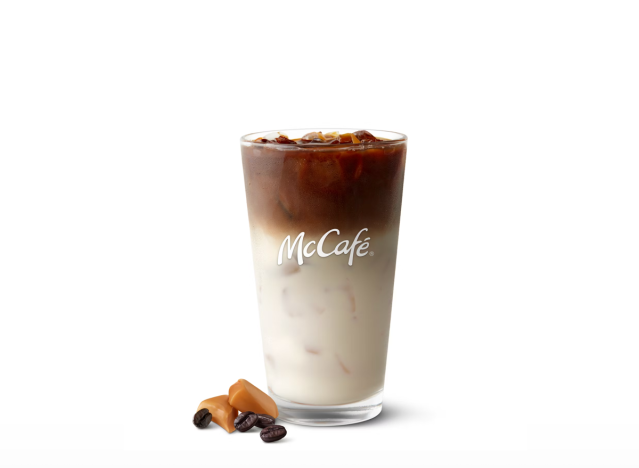
McDonald’s McCafé line includes the Caramel Frappé, a medium version of which contains 62 grams of sugar, with 52 grams of that being added sugars. This blended beverage, featuring caramel flavor and a hint of coffee, topped with whipped light cream, is another example of a coffee-adjacent drink designed for maximum sweetness. A slightly more moderate choice from McDonald’s is the McCafé Iced Caramel Macchiato, which contains 35 grams of sugar, including 26 grams of added sugar. While still high, it demonstrates that within the same chain, some options are less sugar-intensive than others.
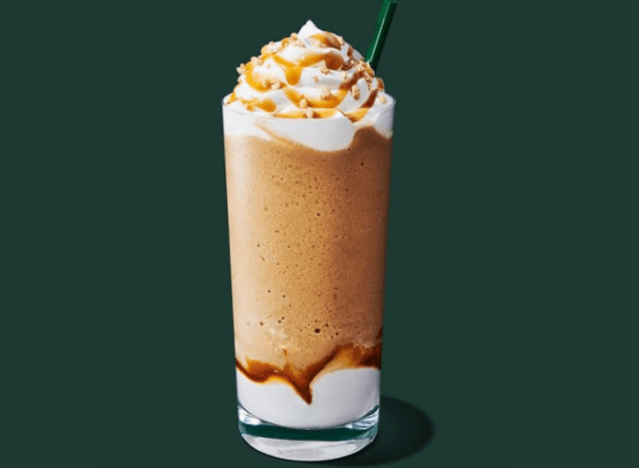
Starbucks, a global leader in coffee culture, also offers several popular drinks that are high in sugar. Their Grande Caramel Ribbon Crunch Frappuccino Blended Beverage contains 60 grams of sugar. This elaborate drink includes caramel syrup, coffee, milk, and ice, finished with dark caramel sauce, whipped cream, caramel drizzle, and a crunchy caramel-sugar topping, all contributing to its rich, sweet profile. Another high-sugar item is the Mocha Cookie Crumble Frappuccino, which has 55 grams of sugar per serving. Its description – "Frappuccino Roast coffee, mocha sauce and Frappuccino chips blended with milk and ice, layered on top of whipped cream and chocolate cookie crumble and topped with vanilla whipped cream, mocha drizzle and even more chocolate cookie crumble" – clearly illustrates the multiple layers of sugary components. For consumers at Starbucks looking for alternatives, the Iced Vanilla Protein Latte offers a more balanced nutritional profile, with 29 grams of sugar alongside 29 grams of protein, providing a more functional beverage choice.
The prevalence of these hyper-sweetened beverages highlights a critical distinction between naturally occurring sugars found in whole foods and added sugars. While natural sugars in fruits and dairy come packaged with fiber, vitamins, and minerals, added sugars offer little to no nutritional benefit beyond calories. Regular consumption of liquid added sugars, in particular, has been linked to an increased risk of chronic diseases, as the body processes liquid calories differently, often failing to register them as effectively as solid food, leading to compensatory eating and weight gain.
In an environment where such indulgent drinks are readily available and heavily marketed, consumer awareness becomes paramount. It is crucial for individuals to routinely check nutritional information, often available on company websites, in-store, or through mobile apps. Simple modifications can significantly reduce sugar intake: opting for smaller sizes, requesting fewer pumps of syrup, choosing unsweetened coffee or tea bases, and declining whipped cream or extra drizzles. Many chains also offer sugar-free syrup options, though artificial sweeteners come with their own set of considerations.
The ongoing public discourse, amplified by voices like Robert F. Kennedy Jr., signals a potential shift towards greater industry responsibility. As consumers become more educated about the nutritional content of their favorite drinks, the pressure on fast-food chains to offer more transparent labeling and develop genuinely healthier alternatives will undoubtedly intensify. Ultimately, navigating the landscape of quick-service coffee requires an informed approach, empowering individuals to make choices that align with their health goals without entirely sacrificing the enjoyment of an occasional treat.
About the Author










