The global health landscape faces an escalating challenge in the form of dementia, a debilitating neurological syndrome characterized by a progressive erosion of cognitive faculties, including memory, critical thinking, problem-solving, and the capacity to perform everyday functions. With an estimated 57 million individuals worldwide currently living with this condition, and nearly ten million new diagnoses occurring annually, the pervasive impact of dementia extends far beyond the individual, placing immense strain on families, healthcare systems, and national economies. Alzheimer’s disease, recognized as the most prevalent etiology, is believed to account for a substantial majority of cases, ranging from 60% to 70% of all diagnoses. As demographic trends project an increasingly aging global population, the urgency to address this burgeoning public health crisis has intensified, prompting a renewed focus on preventative measures and early interventions.
In a pivotal move to confront this growing health imperative, the World Health Organization (WHO) has recently issued updated guidelines outlining evidence-based recommendations aimed at reducing the risk of cognitive decline and delaying the onset of dementia across an individual’s lifespan. These comprehensive directives represent a significant evolution in scientific understanding since the organization’s initial recommendations in 2019, reflecting the latest research and innovative approaches in dementia risk reduction. The guidelines provide countries with a critical framework, translating complex scientific knowledge into actionable strategies that can be implemented immediately to safeguard cognitive health on a global scale. This initiative underscores a fundamental shift in approach, emphasizing proactive prevention rather than solely reactive management of an incurable condition.
A cornerstone of these revised recommendations is the profound recognition that a substantial proportion of dementia risk is not predetermined but rather influenced by modifiable factors. Current epidemiological evidence suggests that up to 45% of the risk associated with developing dementia can be attributed to elements within an individual’s control or amenable to public health interventions. This revelation offers a beacon of hope, transforming the narrative around dementia from one of inevitable decline to one where significant preventative action is possible. By identifying and addressing these controllable variables, the global community gains a powerful leverage point against a condition that profoundly diminishes independence, dignity, and personal safety. The ability to intervene effectively hinges on a deeper understanding of these modifiable elements and the implementation of targeted strategies to mitigate their influence.
Among the key modifiable lifestyle and behavioral factors highlighted in the guidelines are well-established public health concerns such, as tobacco consumption and excessive alcohol intake. The detrimental effects of smoking on cardiovascular health are widely documented, and these vascular compromises directly impact brain health, increasing the risk of stroke and contributing to various forms of dementia. Similarly, chronic heavy alcohol use is neurotoxic, leading to brain atrophy and impaired cognitive function. The WHO’s advice strongly advocates for cessation of tobacco use and moderation or reduction in alcohol consumption as fundamental steps towards preserving cognitive vitality. Furthermore, the guidelines reinforce the critical role of physical activity, recommending regular engagement in moderate-to-vigorous exercise. Physical activity not only promotes cardiovascular fitness but also enhances blood flow to the brain, supports neurogenesis, and reduces systemic inflammation, all of which are crucial for maintaining optimal brain function.
Expanding beyond individual behaviors, the updated advice also incorporates a newly emphasized environmental factor: exposure to air pollution. Emerging scientific literature increasingly points to a link between chronic exposure to fine particulate matter and neuroinflammation, oxidative stress, and accelerated brain aging, thereby contributing to cognitive decline and heightened dementia risk. This inclusion signifies a broader understanding of dementia’s multifactorial etiology, urging policymakers and urban planners to consider air quality initiatives as integral components of public health strategies aimed at fostering brain health. Adopting a healthy, balanced diet, rich in fruits, vegetables, whole grains, and lean proteins, and low in processed foods and saturated fats, is another critical recommendation. Dietary patterns like the Mediterranean diet, known for their anti-inflammatory and antioxidant properties, have been consistently associated with better cognitive outcomes and reduced risk of neurodegenerative diseases.
Beyond lifestyle adjustments, effective management of underlying medical conditions, particularly noncommunicable diseases (NCDs), forms another crucial pillar of dementia prevention. Conditions such as hypertension (high blood pressure), diabetes, and hypercholesterolemia (high cholesterol) are significant risk factors for various types of dementia, especially vascular dementia, which results from impaired blood flow to the brain. The guidelines underscore the importance of early diagnosis, consistent monitoring, and robust treatment strategies for these cardiometabolic disorders. By maintaining blood pressure, blood glucose levels, and cholesterol within healthy ranges, individuals can substantially reduce the likelihood of microvascular damage in the brain, thereby safeguarding cognitive function. A notable addition to the updated advice includes considering hearing aids as part of comprehensive risk-reduction strategies. While the precise mechanisms are still being elucidated, untreated hearing loss is increasingly recognized as a potential modifiable risk factor, possibly by increasing cognitive load, reducing social engagement, or contributing to brain structural changes.
The guidelines also delve into interventions focused on cognitive and social engagement, emphasizing their importance for both individuals with normal cognition and those experiencing mild cognitive impairment (MCI). Engaging in activities that stimulate the brain, such as learning new skills, reading, solving puzzles, and participating in cognitive training programs, helps build cognitive reserve and maintain neural plasticity. Equally vital is active participation in social activities, which combats social isolation—a recognized risk factor for cognitive decline—and provides emotional support, mental stimulation, and a sense of purpose. These recommendations highlight the brain’s lifelong capacity for adaptation and the profound influence of a stimulating environment on cognitive resilience.
Crucially, the WHO’s recommendations also provide clarity on interventions that are not supported by current evidence. The guidelines explicitly state that supplementation with vitamins B and E, omega-3 polyunsaturated fatty acids (PUFAs), and general multivitamins/minerals is not recommended for reducing the risk of cognitive decline or dementia in the absence of a diagnosed deficiency. This cautionary advice stems from a lack of conclusive evidence demonstrating significant benefits that outweigh potential unexpected harmful effects, underscoring the importance of relying on proven, holistic approaches rather than unverified supplements. This guidance is vital in directing public and clinical attention towards interventions with demonstrated efficacy, preventing the misallocation of resources and the promotion of potentially ineffective or harmful practices.
The profound human and economic costs associated with dementia underscore the imperative for these preventative strategies. Beyond the individual’s diminished capacity to live independently, work, or engage in meaningful activities, the disease places an extraordinary emotional and physical burden on family members and informal caregivers, who often provide unpaid care for years. Economically, dementia represents a staggering global financial drain, with annual costs estimated at US$1.3 trillion. A significant proportion of this monumental figure, approximately half, is attributed to the invaluable, yet unremunerated, care provided by relatives and friends. Understanding the multifaceted risk factors and proactively implementing preventative measures can profoundly enhance the quality of life for millions, empowering individuals to live longer, healthier, and more autonomous lives, while simultaneously alleviating the immense pressures on healthcare systems and national budgets.
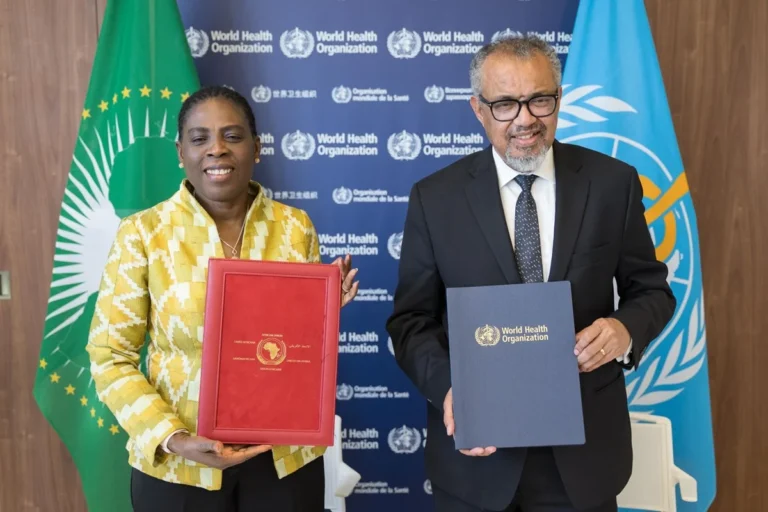
In releasing these critical guidelines, Dr. Tedros Adhanom Ghebreyesus, the WHO Director-General, articulated the organization’s conviction: "We possess an unprecedented depth of knowledge regarding the drivers of dementia risk, and these guidelines effectively translate that scientific understanding into tangible actions." He further emphasized the immediate applicability of these recommendations, stating, "Nations now have a clear, evidence-based blueprint they can operationalize without delay to safeguard the cognitive well-being of their populations." This call to action implores countries to integrate these recommendations into their public health policies, fostering a more cohesive approach to noncommunicable diseases, mental health, and overall brain health.
The successful implementation of these guidelines will necessitate a concerted, multi-sectoral effort. Governments must invest in public awareness campaigns, develop accessible healthcare services that integrate dementia risk reduction into routine care, and formulate policies that support healthy lifestyles and mitigate environmental hazards like air pollution. Healthcare providers will play a pivotal role in educating patients, screening for risk factors, and managing co-morbid conditions effectively. Ultimately, the updated WHO guidelines offer a powerful, evidence-backed roadmap for navigating the complexities of dementia prevention. By empowering individuals and nations with the knowledge and tools to modify significant risk factors, the global community can collectively aspire to a future where the burden of dementia is substantially lessened, allowing more people to experience extended periods of cognitive vitality and independent living.
About the Author