Chronic back discomfort represents a widespread challenge, particularly among individuals navigating their later years. While often attributed to the natural aging process, contemporary understanding increasingly points to musculoskeletal weakness, rather than age itself, as a significant underlying contributor. Research consistently demonstrates a strong correlation between diminished endurance in core musculature, reduced hip strength, and the persistent lower back pain frequently experienced by those over sixty. This paradigm shift suggests that proactive strengthening, even with low-impact, accessible methods, can play a pivotal role in maintaining spinal health and functional independence.
For many, the notion of physical therapy conjures images of specialized equipment and structured clinical environments. While formal therapeutic interventions are undeniably effective and often medically necessary for specific conditions, a substantial portion of the population can derive considerable benefit from consistent, gentle strengthening regimens that can be performed in the comfort of their own homes. These types of exercises prioritize activating deep, stabilizing muscles that are frequently underutilized, without imposing excessive strain on delicate joints. Studies have highlighted that routines specifically designed to enhance motor control and engage deep trunk muscles can significantly alleviate pain and improve daily performance in older adults grappling with chronic lumbar discomfort.
The vast landscape of online health information can be overwhelming, making it difficult to discern effective strategies from fads. However, expert consensus emphasizes the value of foundational movements. James Brady, a seasoned personal trainer at OriGym, champions a set of exercises designed specifically to bolster back strength. He articulates the unique advantage of performing these movements in a controlled environment, such as a bed. "Exercising in a supine or prone position," Brady explains, "effectively reduces the compressive load on the spinal column. Simultaneously, it fosters enhanced coordination between the hips and the core, emphasizing endurance and precise control over raw intensity." This approach not only makes the exercises safer and more comfortable but also allows individuals to focus on the quality of movement, which is crucial for building lasting strength and stability.
Understanding the biomechanics of the spine is key to appreciating the efficacy of these targeted exercises. The lumbar spine, or lower back, relies heavily on a complex network of muscles for stability, mobility, and shock absorption. These include the deep abdominal muscles (transversus abdominis), the multifidus muscles that run along the spine, and the larger global muscles of the core, hips, and glutes. As we age, or adopt sedentary lifestyles, these muscles can weaken, leading to imbalances and increased stress on the spinal discs, ligaments, and facet joints. This muscular weakness can manifest as stiffness, reduced range of motion, and persistent aches that impact everything from walking to sleeping. By systematically strengthening these supportive structures, individuals can create a more resilient spinal column, mitigate pain, and enhance their overall quality of life.
The exercises outlined here are specifically chosen for their ability to target these critical muscle groups with minimal impact, making them ideal for a demographic often concerned about joint stress or re-injury. They are not merely stretches but deliberate movements intended to build endurance and intelligent control, laying a foundation for improved functional movement throughout the day.
Pelvic Tilts: Mastering Lumbar Awareness
Pelvic tilts are fundamental for re-establishing proprioception and control over the lumbar spine. This region often experiences a decline in strength and stability with advancing age or as a consequence of prolonged sitting, which can shorten hip flexors and weaken core stabilizers. By gently articulating the pelvis, individuals engage the deep abdominal and spinal stabilizing muscles without undue strain, promoting a neutral spinal alignment.
- Rationale: This exercise helps individuals learn to distinguish between movements of the pelvis and the lumbar spine, a critical skill for protecting the lower back during everyday activities. It strengthens the core’s ability to stabilize the pelvis, which is the base for the spine.
- Benefits: Improved body awareness, activation of the transversus abdominis and multifidus, reduction in excessive lumbar lordosis (swayback) or kyphosis (flattening), and preparation for more complex movements.
Glute Bridges: Foundation for Hip and Spinal Support
The glute bridge is a cornerstone exercise for building strength in the hip extensors, particularly the gluteal muscles. These muscles are direct and powerful supporters of the lower back. Robust glutes are essential for efficient movement, reducing the compensatory strain that often falls upon the lumbar spine during activities like walking, climbing stairs, or simply standing upright for extended periods. Weak glutes can lead to an anterior pelvic tilt, further exacerbating lower back discomfort.
- Rationale: This movement targets the gluteus maximus, hamstrings, and core. Strengthening these muscles helps to stabilize the pelvis, improve hip extension, and reduce the workload on the lower back.
- Benefits: Enhanced hip strength, improved pelvic stability, relief from lower back strain, and better posture during dynamic movements.
Prone Back Extension Hold: Cultivating Spinal Extensor Strength
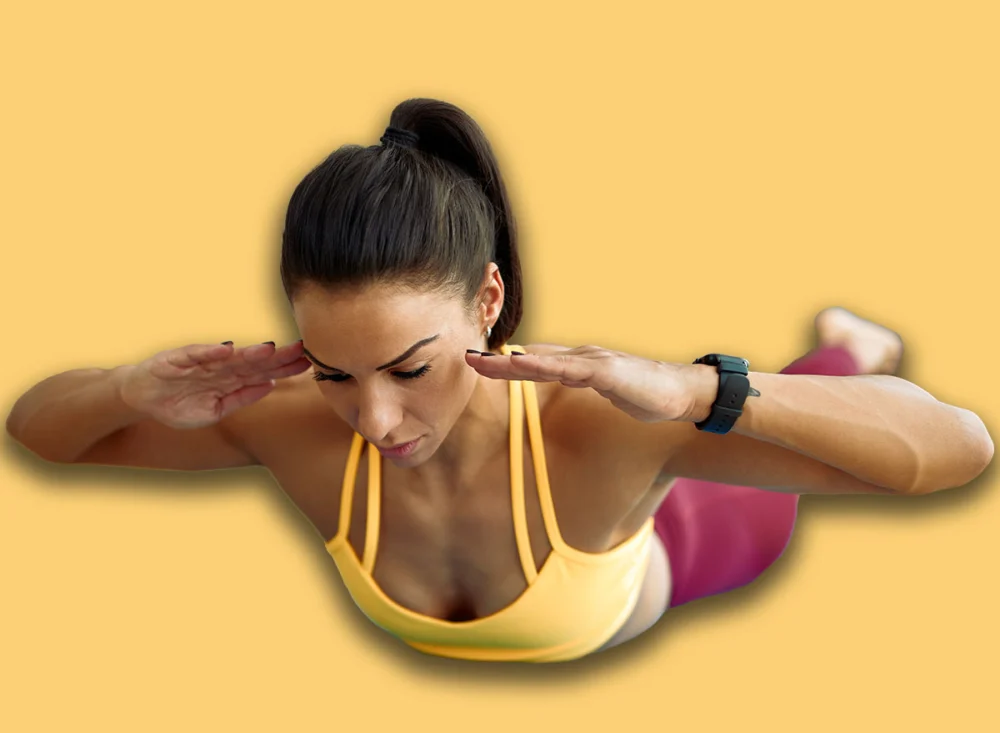
The prone back extension hold specifically activates the spinal extensor muscles, which are crucial for maintaining an upright posture and counteracting the forward-flexed postures often adopted in daily life. This exercise is performed with a focus on controlled, small movements, emphasizing length and engagement of the posterior chain rather than achieving maximal height. It helps to strengthen the erector spinae group and the multifidus, which directly support the vertebral column.
- Rationale: This exercise directly targets the muscles responsible for extending the spine, which are often weak in individuals with chronic back pain or poor posture. By holding the position, it builds endurance in these critical muscles.
- Benefits: Improved posture, increased endurance of spinal extensors, reduction in slouching, and enhanced spinal stability.
Dead Bug: Integrated Core and Limb Coordination
The Dead Bug is a classic abdominal exercise that transcends simple core engagement, building intricate coordination between the core and back muscles. By performing alternating arm and leg movements while rigorously maintaining spinal stability, the body learns to resist unwanted movement, particularly rotation and extension. This anti-extension control is vital for protecting the spine during functional tasks such as lifting objects, carrying groceries, or even twisting to reach for something, minimizing the risk of injury from uncontrolled forces.
- Rationale: This exercise trains the deep core stabilizers to work in concert with limb movements, simulating real-life scenarios where the core must stabilize the trunk while the limbs move. It particularly targets the transversus abdominis and obliques, emphasizing controlled movement and spinal neutrality.
- Benefits: Superior core stability, improved coordination, enhanced body control, and reduced risk of spinal injury during dynamic activities.
Side-Lying Hip Abduction Hold: Bolstering Lateral Hip Stability
Side-lying hip abduction specifically strengthens the lateral hip muscles, primarily the gluteus medius and minimus. These muscles are indispensable for maintaining spinal and pelvic stability, particularly in the frontal plane, preventing the pelvis from dropping during single-leg stance (a common issue known as Trendelenburg gait). Weakness in these hip stabilizers forces the lower back to compensate, leading to increased strain and pain during ambulation and prolonged standing.
- Rationale: This exercise isolates the hip abductors, which are critical for stabilizing the pelvis during walking and standing on one leg. Strengthening these muscles helps to prevent excessive lateral sway and reduce stress on the lumbar spine.
- Benefits: Stronger hip abductors, improved pelvic stability, better gait mechanics, and reduced compensatory strain on the lower back.
Implementing a Proactive Approach
Adopting these bed-based exercises is more than just a temporary fix; it represents a commitment to long-term spinal health. For individuals over sixty, consistency is paramount. Integrating these movements into a daily or near-daily routine can yield significant improvements in strength, flexibility, and overall comfort. While the exercises are designed to be gentle, it is crucial to listen to one’s body, perform each movement with control and awareness, and never push into pain. Progression should be gradual, focusing on perfecting form before increasing repetitions or holds.
It is important to reiterate that these exercises, while highly beneficial, are not a substitute for professional medical advice or prescribed physical therapy for specific diagnosed conditions. Individuals experiencing severe, acute, or worsening back pain, or those with underlying medical conditions, should always consult a healthcare provider before initiating any new exercise program. However, for those seeking a safe, effective, and accessible method to proactively address age-related musculoskeletal weakness and foster greater spinal resilience, these targeted, low-impact routines offer a powerful pathway to enhanced well-being and sustained independence. By empowering themselves with knowledge and practical tools, older adults can significantly improve their relationship with their back, moving beyond the limitations often associated with age and embracing a more active, comfortable future.
About the Author