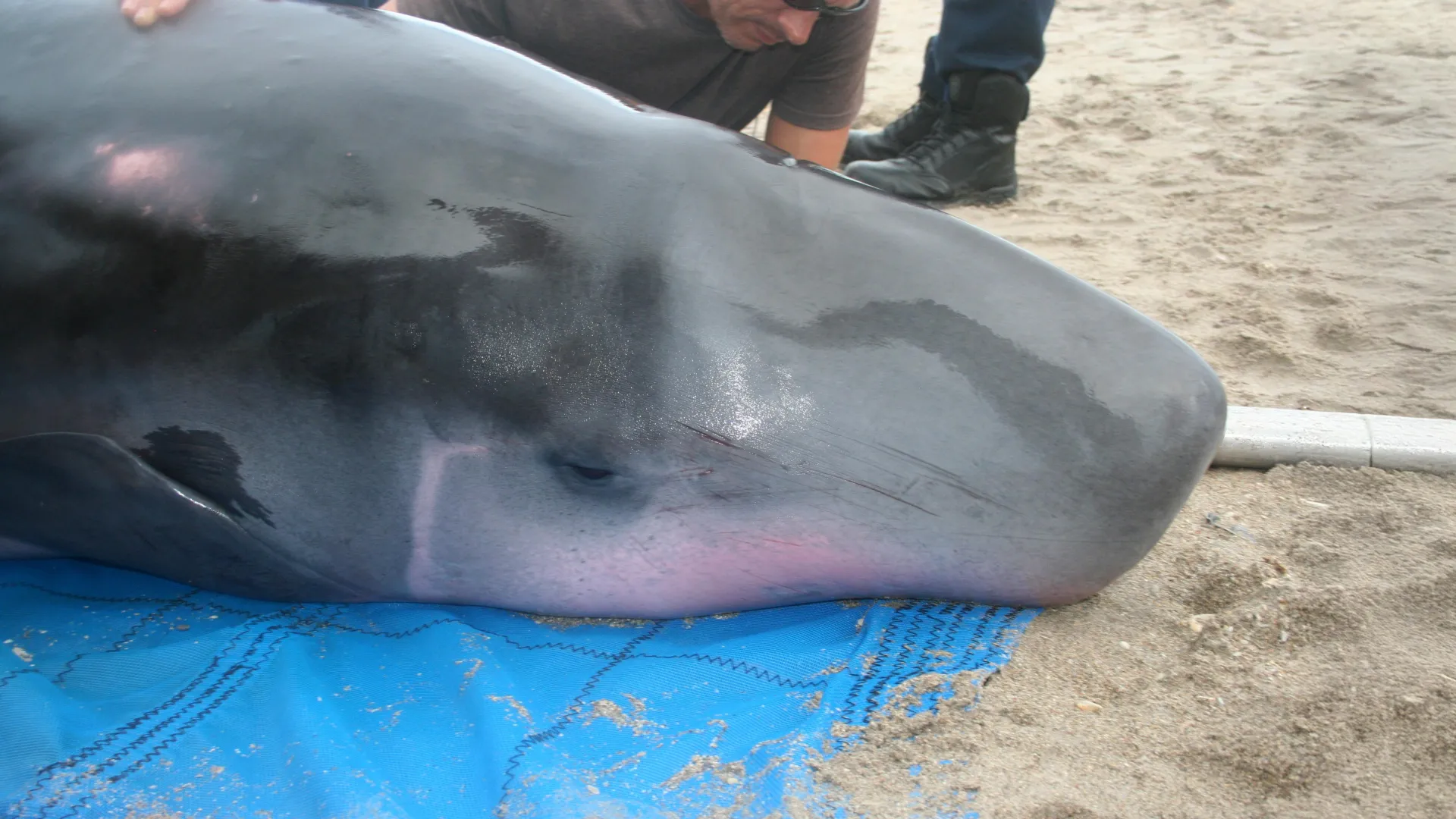
Deep beneath the ocean’s surface, a world of enigmatic life thrives, largely unseen and poorly understood by humanity. Among these reclusive inhabitants are the pygmy sperm whales (Kogia breviceps), small, deep-diving cetaceans renowned for their secretive nature and preference for offshore waters. Their existence is characterized by quiet movements and infrequent surface appearances, making direct observation in their natural habitat exceedingly rare. This inherent elusiveness has historically presented significant hurdles for marine biologists and veterinarians attempting to decipher their ecology, behavior, and health status, leaving critical gaps in our knowledge of these fascinating creatures.
Consequently, a substantial portion of the scientific understanding regarding pygmy sperm whales, and indeed many other marine mammal species, stems from comprehensive studies conducted on individuals that succumb to illness or injury and wash ashore. These tragic events, known as strandings, transform unfortunate occurrences into invaluable opportunities for scientific inquiry. Along the southeastern coast of the United States, a region recognized as a hotspot for marine mammal strandings, Kogia breviceps appear with notable frequency, offering a unique, albeit somber, window into their biology. For decades, dedicated networks of scientists and responders have meticulously documented and examined these stranded animals, slowly piecing together the complex puzzle of their lives and the challenges they face in an increasingly dynamic ocean environment.
It was within this framework of long-term stranding response and post-mortem analysis that a remarkable discovery unfolded, shedding new light on the intricate health dynamics of these elusive whales. A collaborative research endeavor, spearheaded by experts at Florida Atlantic University’s Harbor Branch Oceanographic Institute in conjunction with leading institutions like the University of Florida’s College of Veterinary Medicine, Colorado State University, and Marine Mammal Pathology Services, embarked on a meticulous review of over two decades of accumulated stranding records and carefully preserved tissue samples. This extensive dataset, spanning from 1999 through 2020, encompassed examinations of 59 pygmy sperm whale strandings responded to by FAU Harbor Branch, with a rigorous post-mortem analysis completed on an impressive 80% of these individuals.
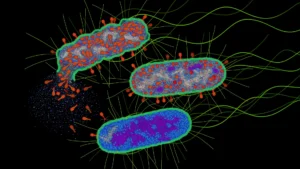
Early investigations into the health of stranded pygmy sperm whales frequently identified a recurring pattern of gastrointestinal distress, particularly the presence of stomach ulcers. Such gastric lesions in mammals, both terrestrial and aquatic, often prompt suspicion of bacterial involvement, specifically from the genus Helicobacter. These spiral-shaped microorganisms are infamous for their association with a spectrum of digestive ailments in a wide array of hosts, including humans, where they are a primary cause of chronic gastritis and peptic ulcers, and can even contribute to gastric malignancies. Recognizing this potential link, the research team focused their attention on identifying and characterizing any Helicobacter species present within the whale tissues.
Through the meticulous re-examination of preserved stomach tissue samples, initially collected during routine necropsies, scientists observed distinct spiral-shaped bacteria in four specific cases. This observation served as a critical starting point for a more in-depth investigation. Employing a sophisticated suite of diagnostic techniques, including detailed histopathology to visualize cellular changes, advanced molecular testing to detect bacterial DNA, and high-resolution DNA sequencing to pinpoint genetic identity, the team set out to precisely characterize these microbial inhabitants. This rigorous multi-pronged approach proved instrumental, moving beyond mere observation to definitive identification.
The advanced molecular analysis yielded truly groundbreaking results: the identification of three distinct Helicobacter genotypes previously undocumented in scientific literature. These novel strains were subsequently named Kogia Helicobacter 1, Kogia Helicobacter 2, and Kogia Helicobacter 3, marking their official recognition as unique entities within the Helicobacter genus. This discovery represents the inaugural confirmed documentation of these specific bacterial genotypes within pygmy sperm whales, providing an unprecedented glimpse into the microbial world residing within these deep-sea mammals. The findings, meticulously detailed in the prestigious Journal of Wildlife Diseases, extend beyond mere taxonomy, opening new avenues for understanding marine mammal health and broader ecological interconnections.
Further genetic analysis of these newly identified strains revealed intriguing evolutionary relationships. Kogia Helicobacter 1 and Kogia Helicobacter 2 exhibited genetic similarities to Helicobacter species previously isolated from other cetaceans, such as dolphins and porpoises, and even from humans. This shared ancestry suggests potential pathways for microbial exchange or adaptation across different mammalian hosts, highlighting the dynamic nature of bacterial evolution. However, Kogia Helicobacter 3 presented a more divergent genetic lineage, indicating a significant evolutionary separation from its known relatives. This particular finding holds profound implications, suggesting the existence of a vast, unexplored microbial diversity within the ocean, with potentially many more undiscovered bacterial species yet to be characterized. Intriguingly, both Kogia Helicobacter 1 and Kogia Helicobacter 3 were found concurrently within the forestomach tissue of a single whale, hinting at complex co-infections or distinct niche preferences within the host’s digestive system.
Crucially, the presence of these novel Helicobacter genotypes was not an isolated finding; it was consistently associated with significant pathological changes in the host animals. Each of the four pygmy sperm whales that tested positive for these bacteria displayed unequivocal signs of gastrointestinal disease. The post-mortem examinations revealed a spectrum of severe gastric pathologies, including marked gastritis, characterized by inflammation of the stomach lining; pronounced gastric ulcers, indicative of tissue erosion; and fibrosis, signifying the scarring and thickening of tissues due to chronic inflammation. In one particular case, evidence of colitis, an inflammation of the colon, was also observed, suggesting that the infection’s reach might extend beyond the stomach to other parts of the digestive tract. While the researchers cautiously noted that Helicobacter was not definitively identified as the direct cause of death in any of these animals, the consistent co-occurrence of these bacteria with severe gastrointestinal lesions strongly implicates them as significant contributors to chronic illness and debilitation in these whales.
The discovery underscores a growing understanding of the role Helicobacter bacteria play in marine mammal health. The first report of Helicobacter in marine mammals emerged in 2000, and since then, related bacteria have been identified in various cetacean species across the globe. In many of these cases, infections have been linked to a range of debilitating symptoms, including reduced energy levels, loss of appetite, episodes of regurgitation, and, critically, the development of stomach ulcers and inflammation. These clinical manifestations bear striking resemblances to the symptoms observed in humans suffering from Helicobacter infections, reinforcing the common physiological responses across diverse mammalian species to these pervasive microbes.
The implications of this research extend far beyond individual whale health, posing significant questions for the broader conservation of marine life. Pygmy sperm whales, like many other marine species, are already confronted by numerous anthropogenic threats, including entanglement in fishing gear, acoustic pollution, ship strikes, and the pervasive impacts of climate change on their ecosystems. The added burden of chronic Helicobacter infections, potentially leading to compromised digestive function and overall health, could profoundly affect an individual whale’s ability to forage effectively, maintain body condition, and resist other environmental stressors or pathogens. For populations already teetering on the brink of vulnerability, such widespread, debilitating infections could exacerbate existing challenges, potentially impacting reproductive success and long-term survival rates. The presence of these pathogens therefore serves as a critical indicator, raising concerns not only for specific marine mammal populations but also for the overall health and resilience of the marine environment.
Looking forward, this pioneering study lays the groundwork for crucial future investigations. The current research provides definitive evidence of novel Helicobacter genotypes and their association with gastric disease in pygmy sperm whales, yet many questions remain unanswered. Scientists must now endeavor to determine the true prevalence of these newly identified bacteria within pygmy sperm whale populations globally. Understanding their transmission dynamics – how they spread among individuals or potentially from other species – is also paramount. Furthermore, extensive research will be required to conclusively ascertain the long-term impact of these infections on individual whales and, ultimately, on the health and stability of the entire species. Such knowledge is essential for developing effective conservation strategies and for comprehensively assessing the myriad threats confronting these magnificent, deep-diving giants.
Ultimately, this profound discovery powerfully underscores the indispensable value of sustained, long-term marine mammal stranding response programs. As Dr. Annie Page, a senior author of the study and a clinical veterinarian at FAU Harbor Branch, eloquently stated, "Every whale tells a story, and sometimes that story leads us into entirely new scientific territory." Without the dedicated efforts to recover, examine, and meticulously document stranded animals over decades, the existence of these novel bacterial pathogens might have remained undiscovered, leaving a crucial piece of the marine health puzzle missing. This interdisciplinary research, made possible by the unwavering commitment of institutions and the generous support from initiatives like the Florida State Specialty License Plate Program’s "Protect Florida Whales" grant, exemplifies how persistent scientific inquiry, even in the face of profound elusiveness, can unlock vital secrets essential for safeguarding the health of our planet’s oceans and the incredible life they sustain.
About the Author