The deli counter is a staple in American households, offering convenience and versatility for countless meals, from quick sandwiches to elaborate breakfast spreads. Among the myriad options, ham consistently ranks as a top choice, celebrated for its savory flavor and adaptability. However, the quality of commercially available hams can vary dramatically, a factor often overlooked by busy consumers. A significant distinction lies in the presence—or absence—of fillers and excessive added water, ingredients frequently incorporated by manufacturers to augment product weight and manipulate texture at a lower cost. For those discerning palates seeking a more authentic, "meaty" experience, understanding how to identify premium whole-muscle hams that prioritize natural ingredients is crucial. While these higher-quality selections may command a slightly greater price point, the investment often translates into a superior culinary outcome and a cleaner nutritional profile.
The journey to a better ham begins with scrutinizing product labels, which serve as the primary window into a product’s composition. Many commercially processed hams contain various binders, starches, and other non-meat ingredients—collectively termed "fillers"—alongside significant quantities of water or brine injected to increase mass. This practice can dilute the natural flavor of the pork, alter its texture to be less firm and more gelatinous, and ultimately diminish the overall eating experience. In contrast, hams crafted from real whole muscle meat offer a more robust flavor, a satisfyingly firm texture, and a more concentrated nutritional value.
A common area of confusion for consumers revolves around the terms "cured" and "uncured." Traditionally, ham is cured using sodium nitrite and salt, a process that preserves the meat, enhances its color, and contributes to its characteristic flavor. "Uncured" hams, on the other hand, are typically processed without synthetic sodium nitrites or nitrates. Instead, they often utilize natural sources of these compounds, such as celery powder, beet powder, or sea salt, which naturally contain nitrates that convert to nitrites during the curing process. While the source differs, the chemical outcome—the presence of nitrites—is often similar, albeit sometimes in varying concentrations and with different accompanying compounds from the natural sources. This distinction is particularly important for consumers who are cautious about synthetic additives but still desire the unique taste and preservation qualities of cured pork. Products labeled "no nitrates or nitrites added*" (with the asterisk typically referring to the naturally occurring ones) are increasingly popular, reflecting a broader consumer preference for ingredients perceived as more natural.
Beyond curing agents, a growing number of consumers are also paying attention to other attributes like the absence of antibiotics and added hormones in the animals from which their ham is sourced. Organic certifications, for instance, signify adherence to strict standards regarding animal feed, living conditions, and the prohibition of antibiotics and growth hormones. These certifications provide an additional layer of assurance for those prioritizing animal welfare and seeking a product free from certain veterinary interventions. The production method, such as slow smoking over specific wood types like applewood, further distinguishes premium hams, imparting complex layers of flavor that cannot be replicated by artificial smoke flavorings. Small-batch production, too, often implies a greater degree of artisanal care and quality control compared to mass-produced alternatives.
Navigating the multitude of choices can be daunting, but several brands have distinguished themselves by adhering to higher standards, delivering products that consistently meet the expectations of quality-conscious consumers. These options not only skip the unwanted fillers but also often boast cleaner ingredient lists and superior flavor profiles.
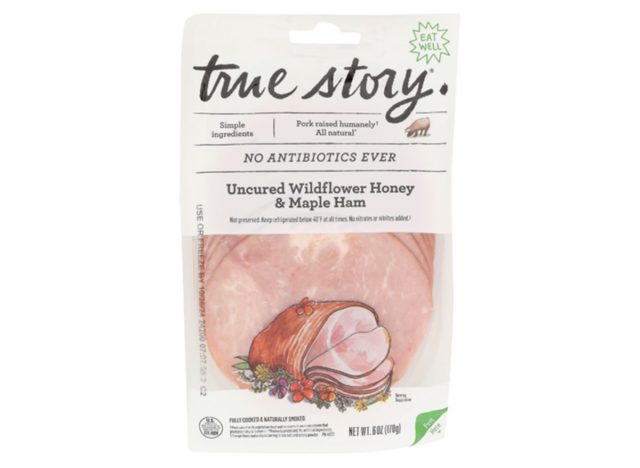
Among the standout selections is the True Story Uncured Wildflower Honey & Maple Ham. This product exemplifies the appeal of simplicity, focusing on core ingredients that deliver a rich, balanced flavor. The inclusion of wildflower honey and maple syrup provides a natural sweetness that complements the savory pork without overwhelming it, creating a sophisticated taste profile. Consumers frequently praise its straightforward composition and the depth of its flavor, often noting how it elevates everyday sandwiches and breakfast platters. One shopper at Sprouts, for example, highlighted its status as an exception to their usual avoidance of processed meats, citing the thoroughly enjoyable experience it provides on a sandwich. This positive feedback underscores the brand’s success in crafting a deli meat that appeals to those seeking both flavor and ingredient transparency.
Another highly regarded option is Sprouts Sliced Ham Off The Bone. This product stands out due to its "off the bone" designation, which typically indicates a more traditional preparation where the ham is cooked on the bone and then sliced, retaining a more authentic texture and flavor profile than hams made from pressed or reformed meat. The quality of the slicing is also a frequently lauded feature, with slices described as perfectly portioned for sandwiches, yet substantial enough to be halved if preferred. Shoppers consistently commend its excellent flavor and remarkable freshness, suggesting that it offers a superior experience compared to many pre-packaged deli meats. Its reputation for high quality and excellent taste makes it a favored choice for repeated purchase among its loyal customer base.
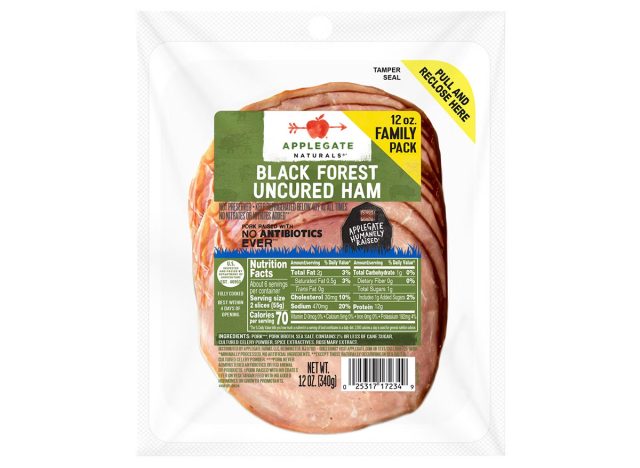
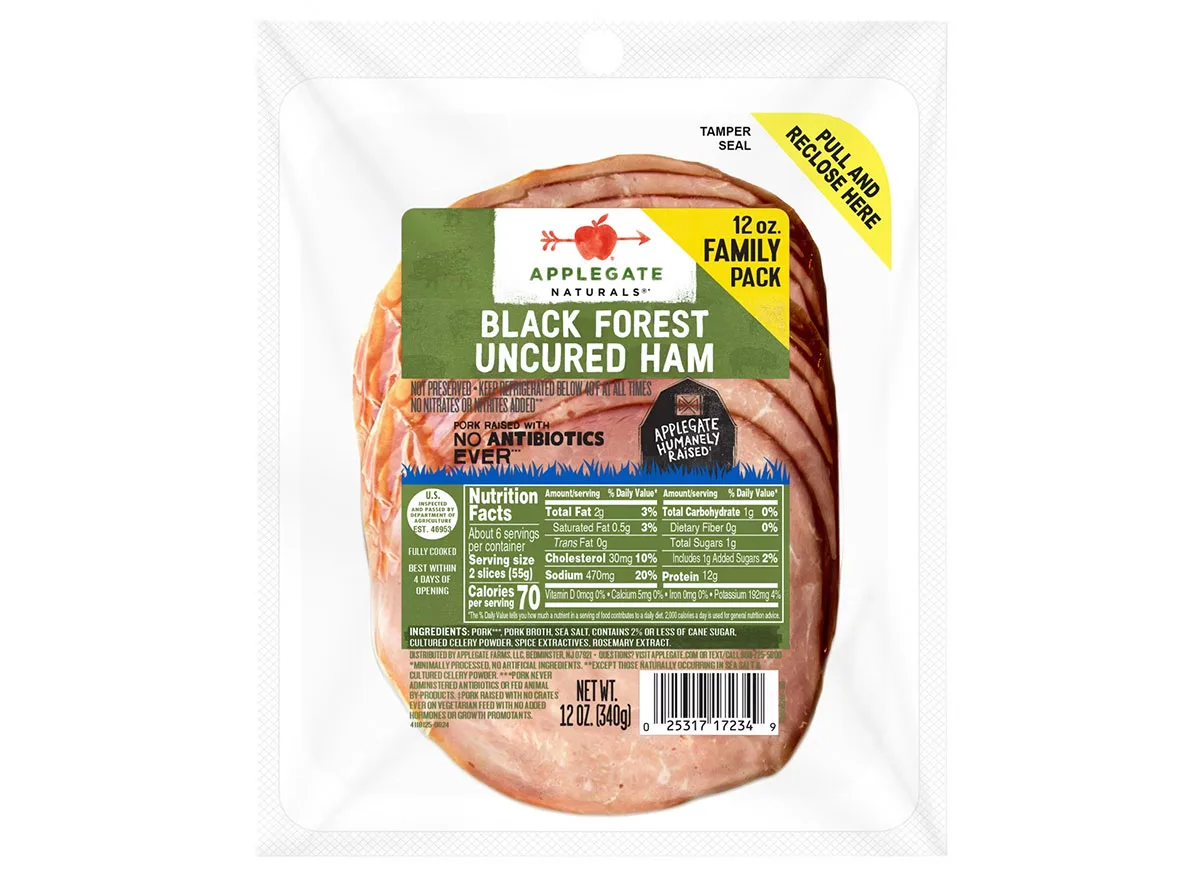
For those prioritizing organic ingredients and a classic flavor, Applegate Organic Uncured Black Forest Ham presents a compelling choice. Applegate has long been recognized for its commitment to natural and organic meat products, and this ham is no exception. It is made without a host of questionable additives, aligning with the brand’s ethos of cleaner eating. The Black Forest style typically denotes a ham that is lightly smoked, often with a subtle sweetness, offering a distinct and popular flavor profile. Consumer reviews consistently highlight its delicious taste and appealing texture, making it a hit with families. Many parents appreciate its suitability for school lunches, finding it a wholesome and enjoyable option that both children and adults appreciate, solidifying its position as a go-to deli meat.
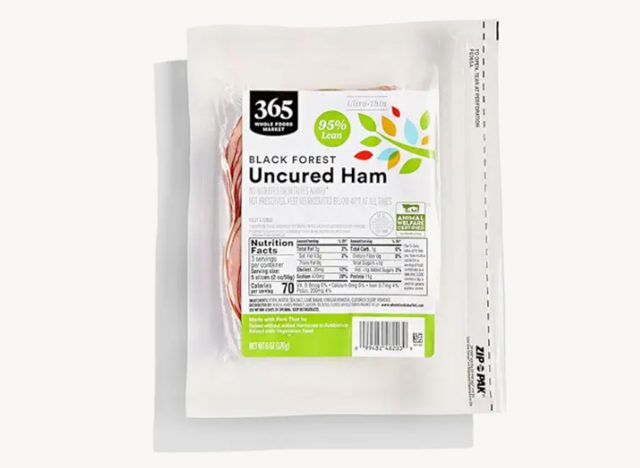
The private label brand 365 by Whole Foods Market Black Forest Uncured Ham also garners significant attention for its adherence to strict quality benchmarks. As part of Whole Foods Market’s house brand, it embodies the retailer’s commitment to products free from undesirable ingredients. This particular ham features a concise ingredient list and explicitly states the absence of added hormones, antibiotics, carrageenan, and synthetic nitrates or nitrites. Its "95% lean" claim appeals to health-conscious consumers looking for a leaner protein option. The product’s clean label, combined with its classic Black Forest flavor profile, makes it an ideal choice for a variety of culinary applications, from simple wraps to more elaborate gourmet sandwiches, catering to a wide range of dietary preferences and uses.
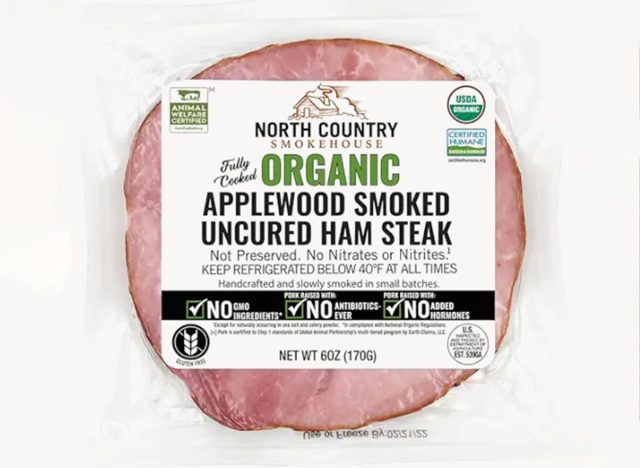
For those seeking a more substantial cut than deli slices, the North Country Smokehouse Organic Applewood Smoked Pork Ham Steak offers an exceptional experience. This product is a testament to artisanal craftsmanship and traditional smoking methods. The brand prides itself on a "low and slow" smoking process over applewood, which deeply infuses the pork with a natural, sweet, and smoky aroma and flavor. Further enhancing its profile, the pork is marinated in authentic New England maple syrup, adding another layer of complex sweetness that distinguishes it from other hams. North Country Smokehouse emphasizes its commitment to handcrafting premium meats in small batches, a practice that ensures meticulous quality control and a consistently superior product. This ham steak is not just a meal component but a culinary experience in itself, perfect for a hearty breakfast or a quick dinner.
Finally, the Sprouts Uncured Boneless Ham Steak rounds out the list with its reputation for quality and deliciousness. Like other uncured options, it is prepared without synthetic nitrates and nitrites, appealing to those seeking "cleaner" ingredients. Shoppers consistently rate this ham steak as one of the best available, praising its robust flavor and versatility. It performs exceptionally well whether heated on a griddle for a warm meal or served cold in a sandwich, making it a convenient and satisfying choice. The emphasis on clean ingredients and the absence of nitrates are key factors that resonate with its fan base, highlighting a growing demand for transparency in food production and a return to simpler, more wholesome options.
In conclusion, the modern consumer has an increasing array of choices when it comes to deli meats. While the market is flooded with options that prioritize cost-efficiency through fillers and excess water, a dedicated segment of brands is committed to delivering superior quality through whole muscle meat, transparent ingredient lists, and thoughtful production methods. By understanding the nuances of labeling—such as "uncured," "organic," and claims regarding antibiotics and hormones—and recognizing the value of traditional preparation techniques like applewood smoking and small-batch production, consumers can make informed decisions. Investing in these premium, additive-free hams not only promises a more flavorful and texturally satisfying eating experience but also aligns with a broader trend towards healthier, more natural food choices, ensuring that every bite is as wholesome as it is delicious.
About the Author