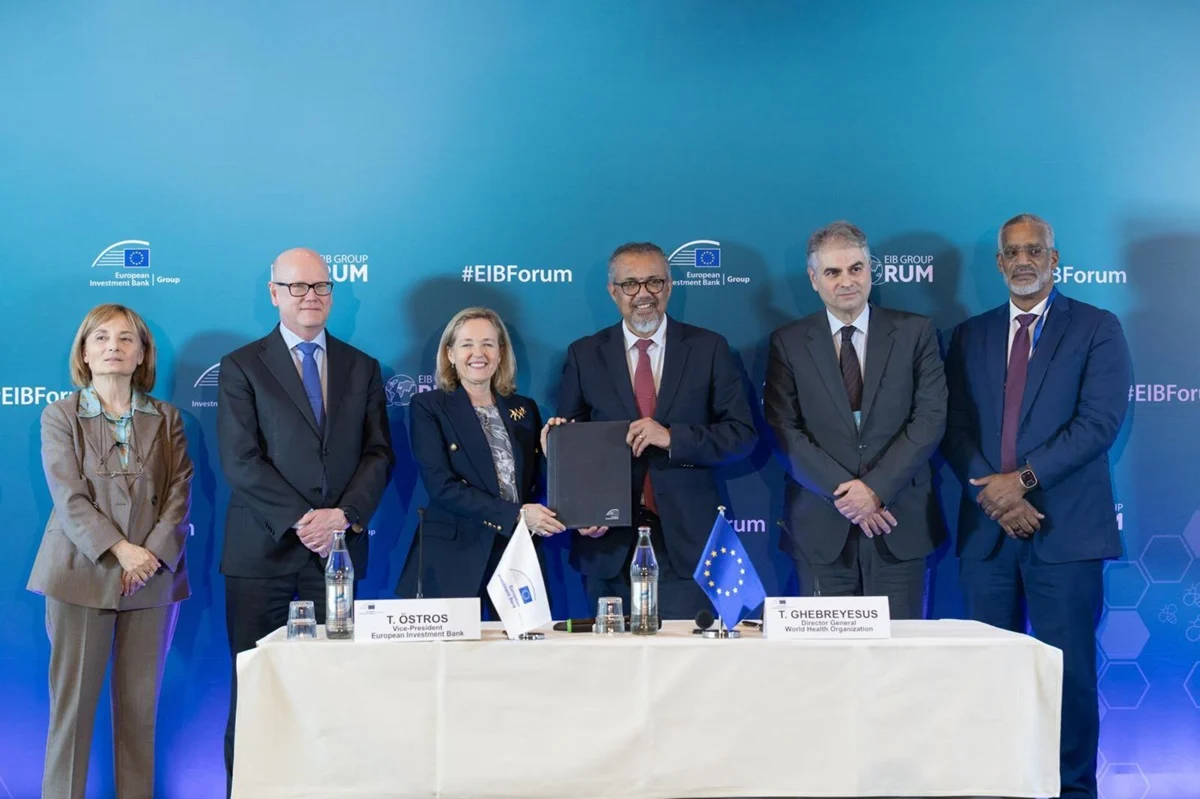
On March 6, 2025, a significant financial commitment totaling €10 million was formally established to bolster Lebanon’s critically strained public health sector. This pivotal agreement, signed in Luxembourg during the European Investment Bank (EIB) Group Forum, signifies a concerted effort by international partners to address the profound healthcare challenges facing the nation. Key figures present at the signing included Dr. Tedros Adhanom Ghebreyesus, Director-General of the World Health Organization (WHO), and Thomas Östros, Vice-President of EIB Global, the EIB’s dedicated development arm for operations outside the European Union.
This substantial funding injection is earmarked for the crucial restoration and enhancement of Lebanon’s national public health laboratory, a cornerstone of any effective health surveillance system. Furthermore, a significant portion of the grant is dedicated to ensuring the consistent provision of essential pharmaceuticals and comprehensive healthcare assistance for more than 50,000 individuals afflicted with long-term medical conditions such as diabetes, various cardiovascular ailments, and cancer. The initiative represents a targeted intervention designed to alleviate immediate suffering and rebuild fundamental health infrastructure.
Lebanon’s healthcare system, once a regional paragon, has been in a precipitous decline for several years, battered by an unprecedented confluence of crises. A severe economic meltdown, characterized by hyperinflation and the dramatic depreciation of the national currency, has decimated purchasing power and rendered essential medical supplies prohibitively expensive. This financial catastrophe was compounded by the devastating Beirut port explosion in August 2020, which not only inflicted widespread damage on hospitals and clinics but also exacerbated the humanitarian crisis. The ongoing political instability and the enduring ramifications of the COVID-19 pandemic have further strained resources, leading to a mass exodus of healthcare professionals, chronic shortages of vital medicines and equipment, and a significant degradation of public health services. Many healthcare facilities now operate with skeletal staff and limited capabilities, struggling to meet even the most basic needs of the population.
At the heart of any resilient public health infrastructure lies a robust central laboratory, capable of comprehensive disease surveillance, quality assurance, and scientific research. Lebanon’s Central Public Health Laboratory (CPHL) has, over the past years, suffered from severe underfunding, dilapidated equipment, and a loss of skilled personnel, severely impeding its capacity to perform these critical functions. The "re-establishment" outlined in the new agreement signifies a multi-faceted approach to revitalize this vital institution. This will involve the procurement and installation of modern diagnostic and analytical equipment, crucial for accurate pathogen identification and drug quality testing. Equally important will be the investment in human capital through specialized training programs for laboratory technicians and scientists, ensuring they are equipped with the latest knowledge and techniques. Restoring the CPHL’s operational capacity is paramount for effective disease outbreak detection and response, ensuring the safety of food and water supplies, and monitoring the quality of pharmaceutical products entering the country. Its revival is not merely about a building or equipment; it’s about reinstating a critical line of defense for national health security.
Beyond infrastructure, the grant directly confronts the severe issue of pharmaceutical scarcity, which has left countless Lebanese citizens vulnerable. The economic crisis has led to a dramatic reduction in drug imports, creating an acute shortage of even life-saving medications. For individuals living with chronic diseases, consistent access to their prescribed treatments is not merely a matter of comfort but of survival. The initiative specifically targets three high-burden chronic conditions:
- Diabetes: A widespread metabolic disorder requiring continuous management through insulin or oral medications. Interruptions in treatment can lead to severe complications, including kidney failure, blindness, amputations, and cardiovascular events. Providing consistent medication supply for diabetic patients is crucial to prevent these debilitating outcomes and improve their quality of life.
- Cardiovascular Issues: Encompassing a range of conditions such as hypertension, heart disease, and stroke, these often necessitate lifelong medication regimens (e.g., statins, blood thinners, antihypertensives). Irregular access to these drugs significantly increases the risk of heart attacks, strokes, and other life-threatening cardiac events. The funding will ensure that patients can maintain their treatment protocols, thereby reducing morbidity and mortality.
- Cancer: Cancer patients require highly specialized and often extremely expensive treatments, including chemotherapy, radiation, and supportive care drugs. Disruptions in their therapeutic regimens can have devastating consequences, impacting treatment efficacy and patient prognosis. The provision of these critical medications offers a lifeline to those battling this aggressive disease.
The commitment to support over 50,000 individuals with these conditions represents a substantial direct impact, alleviating immense financial burdens on families and preventing countless medical emergencies that would further strain an already overwhelmed healthcare system.
The World Health Organization, under the leadership of Director-General Dr. Tedros Adhanom Ghebreyesus, has consistently been a pivotal actor in global health, particularly in regions facing complex emergencies. With its mandate to promote health, keep the world safe, and serve the vulnerable, WHO has maintained a significant presence in Lebanon, providing technical assistance, coordinating humanitarian health responses, and strengthening local health capacities. This latest grant aligns perfectly with WHO’s strategic priorities in fragile and conflict-affected settings, where the objective is not only to provide immediate relief but also to foster long-term resilience within health systems. Dr. Tedros has frequently underscored the principle that health is a fundamental human right, and WHO’s involvement ensures that the aid provided is technically sound, ethically guided, and effectively targeted to achieve maximum impact on public well-being. The organization’s expertise in disease surveillance, laboratory strengthening, and pharmaceutical supply chain management will be invaluable in the successful implementation of this initiative.
As the lending arm of the European Union, the European Investment Bank, through its EIB Global division, plays a crucial role in fostering sustainable development and economic stability outside the EU. Vice-President Thomas Östros represents the EIB’s commitment to strategic investments in vital sectors such as infrastructure, climate action, and social development, including healthcare. The EIB Group Forum, where this agreement was signed, serves as a prominent platform for global leaders, policymakers, and financial institutions to converge, discuss pressing international challenges, and forge partnerships that drive impactful solutions. EIB Global’s engagement in the Middle East and North Africa (MENA) region often focuses on supporting economic resilience and improving living standards, recognizing that a robust health system is foundational to societal stability and economic productivity. This €10 million grant for Lebanon exemplifies EIB Global’s dedication to humanitarian-development nexus programming, where financial assistance is strategically deployed to address immediate crises while building capabilities for the future.
This collaboration between a leading global health agency and a major international financial institution exemplifies the synergy required to tackle complex humanitarian and development challenges. The partnership between WHO’s technical expertise and EIB Global’s financial prowess creates a robust mechanism for delivering tangible improvements in public health outcomes. This initiative serves as a model for coordinated international efforts, demonstrating how targeted investments can provide critical support during periods of profound crisis, laying groundwork for recovery. While the immediate focus is on re-establishing the CPHL and securing essential medications, the broader implications include strengthening Lebanon’s overall health resilience, enhancing its capacity to respond to future health threats, and improving the quality of life for a significant portion of its vulnerable population.
While this €10 million injection offers a beacon of hope, the path to full recovery for Lebanon’s health sector remains fraught with challenges, including the ongoing economic instability and the need for sustained political commitment to reform. Therefore, transparent implementation mechanisms, rigorous monitoring, and robust accountability frameworks will be crucial to ensure that these funds are utilized efficiently and effectively, reaching the intended beneficiaries and achieving their desired impact. This oversight will be essential to build trust and demonstrate the tangible benefits of international cooperation.
Ultimately, this targeted financial support represents a critical stride in safeguarding the well-being of the Lebanese population, offering a much-needed lifeline to a health system teetering on the brink. It underscores the enduring commitment of the international community to assist Lebanon in rebuilding its vital social infrastructure and ensuring access to essential healthcare for its citizens.
About the Author