
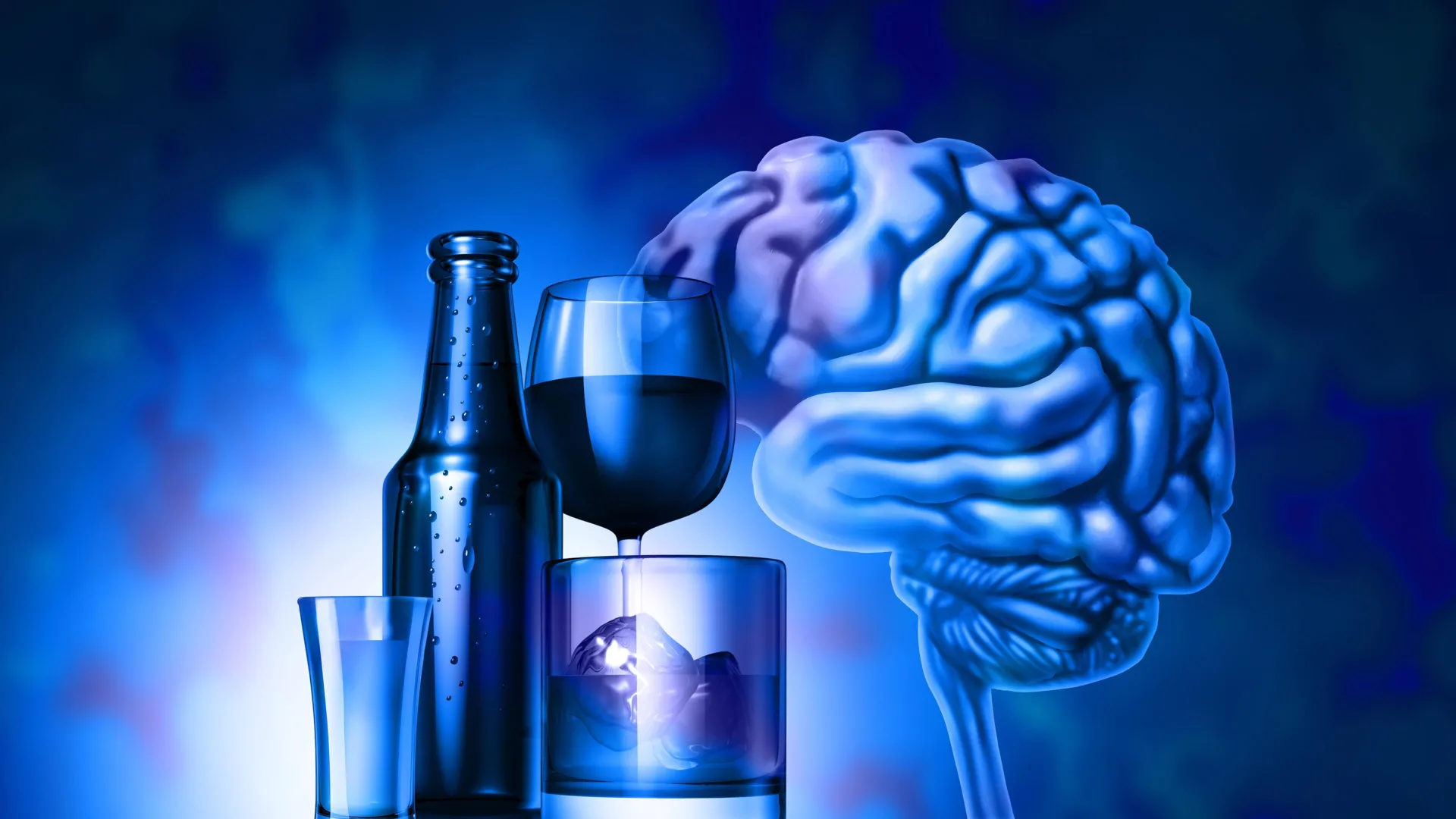
A groundbreaking investigation originating from the University of Massachusetts Amherst offers compelling evidence that the reliance on alcohol as a coping mechanism for stress during the formative years of early adulthood can instigate enduring neurological modifications that remain even after extended periods of sobriety. These detrimental shifts, which may become apparent by mid-life, have the potential to diminish cognitive adaptability, escalate the propensity to resort to alcohol during subsequent stressful episodes, and contribute to the cognitive deterioration patterns observed in conditions such as dementia and Alzheimer’s disease.
The findings, meticulously detailed in the esteemed scientific journal Alcohol Clinical and Experimental Research, illuminate the intricate interplay between alcohol consumption and stress, and how their combined influence can fundamentally reshape neural pathways. The researchers posit that a deeper comprehension of these mechanisms could pave the way for more effective therapeutic interventions that address the protracted neurological sequelae of alcohol use, moving beyond a singular focus on abstinence.
The reciprocal relationship between stress and alcohol has been a subject of scientific inquiry for a considerable time. While alcohol may offer a transient reprieve from feelings of stress, its repeated use can progressively erode the brain’s inherent capacity for stress management. This gradual depletion of natural resilience can foster a dependence on alcohol, compelling individuals to consume it more frequently and in larger quantities to achieve the same perceived relief. Concurrently, escalated alcohol consumption can itself become a source of significant stress, often stemming from imprudent decisions and their ensuing repercussions. This creates a self-perpetuating cycle, the breaking of which becomes increasingly arduous as the brain adapts to the sustained exposure to both stressors. The core objective of this research was to elucidate the long-term transformations occurring within the brain under these combined conditions.
Dr. Elena Vazey, an associate professor of biology at UMass Amherst and the senior author of the study, elaborated on the lab’s focus: "My lab studies the neurocircuitry that underlies how we make decisions. We all know that drinking can often lead to poor decision-making, but we wondered how early adulthood drinking combined with stress affects that circuitry, especially as we grow older. If we can figure out how alcohol and stress change the brain’s circuitry, then we can help figure out how best to help people."
With crucial financial backing from the National Institute on Alcohol Abuse and Alcoholism (NIAAA), Dr. Vazey and her research cadre employed mice as their model organisms, recognizing the substantial homology between their brain circuits and those found in humans. Their experimental results unequivocally demonstrated that the synergistic effect of alcohol and stress exerted a far more profound impact on the brain than either factor alone.
The research team observed that a history of heavy alcohol use, employed as a strategy to alleviate stress during early adulthood, significantly amplified the likelihood that these animal subjects would revert to drinking when faced with stress in middle age, even after undergoing prolonged periods of complete abstinence. This finding strongly suggests that the confluence of alcohol and stress can precipitate enduring neurological alterations that persist long after the cessation of drinking.
Intriguingly, the study identified minimal differences in learning capabilities between middle-aged mice with a history of stress-related drinking and those with a history of lighter alcohol consumption. The most pronounced divergence lay in cognitive flexibility, defined as the capacity to fluidly adapt to evolving circumstances and formulate novel decisions when situational demands shift.
"Middle age is when problems start to add up," Dr. Vazey commented. "We know that alcohol is a risk factor for early cognitive decline, and we saw that that this alcohol-stress combination creates the kind of trouble adapting to changing situations that also happens in the early stages of dementia."
To unravel the underlying mechanisms responsible for these persistent neurological effects, the researchers directed their attention to a diminutive region within the brainstem known as the locus coeruleus (LC). This area plays a pivotal role in adaptive decision-making processes in both rodents and humans. Under typical conditions, the LC exhibits heightened activity in response to stressful stimuli and subsequently returns to its baseline state once the stressor is removed. However, in the mice subjected to a regimen of both alcohol and chronic stress, the LC appeared to have lost critical molecular components essential for its normal regulatory function, specifically its ability to deactivate itself. Consequently, this brain region remained in a state of disarray, thereby compromising its capacity to guide effective decision-making.
Furthermore, the scientific team detected elevated levels of oxidative stress within the LC. This particular form of cellular damage is a well-documented hallmark in the brains of individuals diagnosed with Alzheimer’s disease and is known to inflict harm on cells throughout the body. Even following extended periods of abstinence, the middle-aged brains of the mice that had previously engaged in heavy drinking exhibited minimal evidence of recovery from this damage.
"The brain can really struggle to recover from a history of chronic stress and drinking in early adulthood," Dr. Vazey emphasized. "We think that the oxidative damage might be one of the things that keeps the heavy drinking going, that can lead to someone going back to alcohol even after long-term abstinence. It’s these persistent changes in the brain that also impair decision making and lead to the kinds of early cognitive decline associated with dementia and Alzheimer’s. The brain’s wiring system is damaged, which means quitting drinking or making better decisions isn’t a matter of willpower. After a history of stress and drinking, the brain simply works differently, and our treatment strategies need to able to address these long-lasting differences." This statement underscores the profound implications of the findings, suggesting that interventions must acknowledge and address the fundamental alterations in brain function, rather than relying solely on behavioral modifications. The research highlights a critical need for novel therapeutic approaches that target the cellular and molecular damage inflicted by the combined effects of early-life stress and alcohol use, offering a more hopeful outlook for individuals grappling with these persistent neurological challenges.
About the Author












