
Across the Atlantic, a significant disparity exists in the regulatory frameworks governing food additives, leading to a curious phenomenon where certain beloved American snack products are either outright banned or require reformulation to be sold in European Union member states. This divergence stems from fundamentally different philosophical approaches to food safety and public health between the United States Food and Drug Administration (FDA) and the European Food Safety Authority (EFSA). While American regulations often operate on a "Generally Recognized As Safe" (GRAS) principle, requiring proof of harm to remove an additive, European policy largely adheres to the "precautionary principle," demanding scientific evidence of safety before an additive is approved for use. This critical distinction shapes the ingredients lists of everyday items and underscores a broader global conversation about consumer protection and the long-term effects of synthetic compounds in our diet.
The European Union’s robust regulatory system mandates that food manufacturers demonstrate the safety of all ingredients, particularly synthetic additives, before they can be incorporated into products available for sale within its borders. This rigorous screening process often identifies substances deemed permissible in the United States but questionable or outright unsafe under European scrutiny. Consequently, many iconic American treats, from breakfast cereals to candies and desserts, find themselves excluded from the European market unless their recipes are significantly altered to comply with local standards. This creates a fascinating case study in international trade, consumer preference, and the evolving science of food safety.
One of the most frequently cited categories of restricted ingredients involves artificial food dyes, which are ubiquitous in American processed foods, contributing to vibrant colors in cereals, candies, and baked goods. These synthetic colorants, such as Red 40, Yellow 5, and Yellow 6, are derived from petroleum and are designed to enhance the visual appeal of food. While the FDA currently permits their use, often with specific labeling requirements, the EFSA and individual European nations have taken a much stricter stance. Scientific research, including the prominent 2007 Southampton study, has suggested a potential link between the consumption of certain artificial food dyes and hyperactivity in children. This research prompted the European Parliament to introduce legislation requiring warning labels on products containing these dyes if sold within the EU, effectively discouraging their use. Beyond labeling, some European countries, notably Norway and Austria, have gone further, implementing outright bans on several of these artificial colorings.
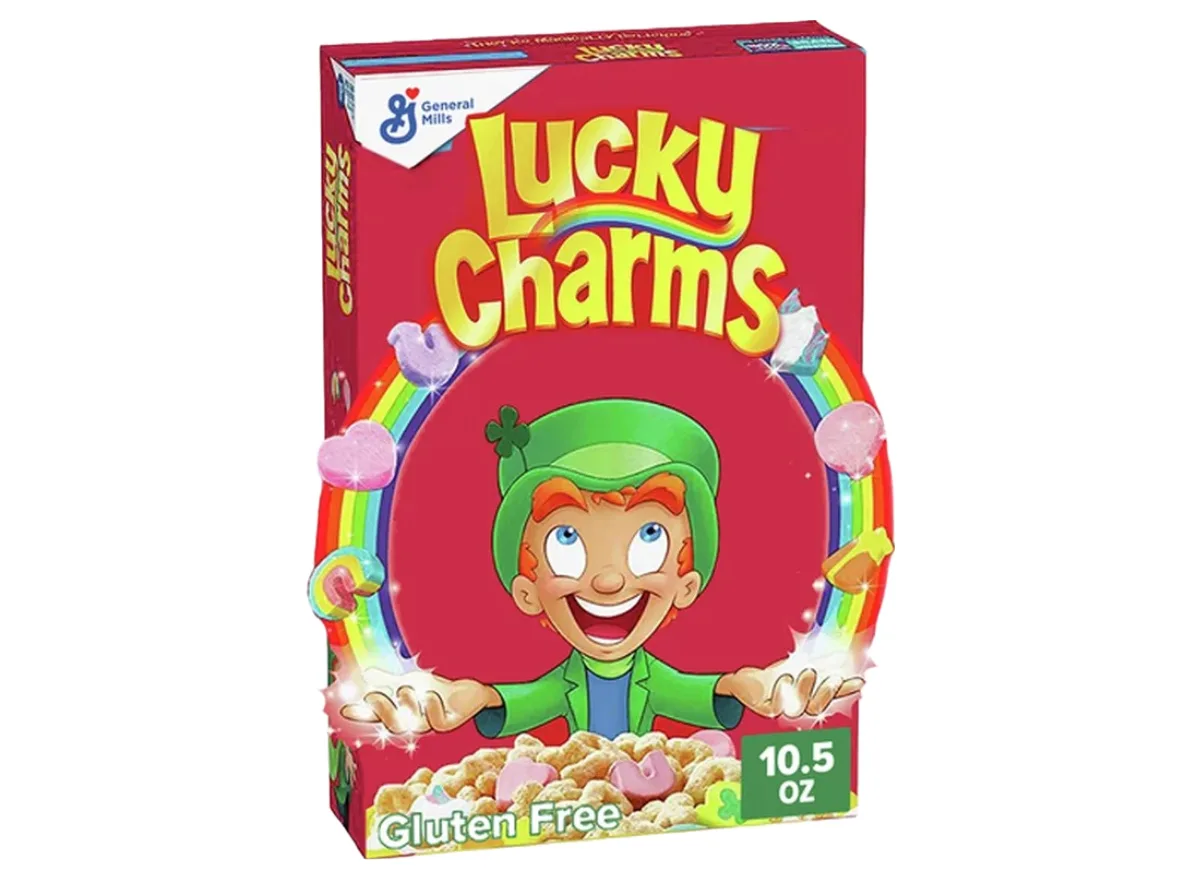
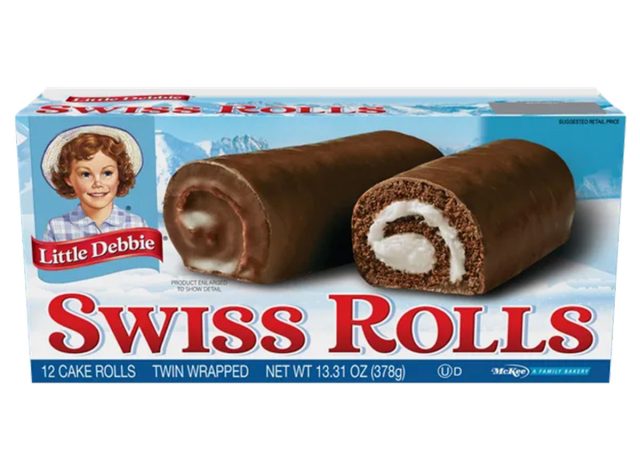
A prime example of a product impacted by these dye regulations is Lucky Charms cereal. Its signature brightly colored marshmallows, a hallmark of its appeal to American consumers, rely heavily on Red 40, Yellow 5, and Yellow 6. These specific dyes, while cleared for consumption by the FDA, are the very reason Lucky Charms in its original formulation cannot be sold in nations like Norway and Austria. The ongoing debate within the United States, including discussions within the FDA about potentially phasing out certain dyes by dates like 2026, reflects a growing domestic awareness and pressure for American food companies to align more closely with European standards. Similarly, Little Debbie Swiss Rolls, another classic American snack cake, contains artificial dyes Yellow 5 and Red 40. These additives subject the product to the same restrictions, rendering its standard version unavailable in countries with strict dye prohibitions. Medical professionals have voiced concerns about these substances; for instance, Elizabeth W. Barnhardt, DO, MA, from Ohio State Health, has highlighted that "Food dyes and some other additives are a public health concern. Even children and young adults without a mental health condition could become agitated after having food dye."
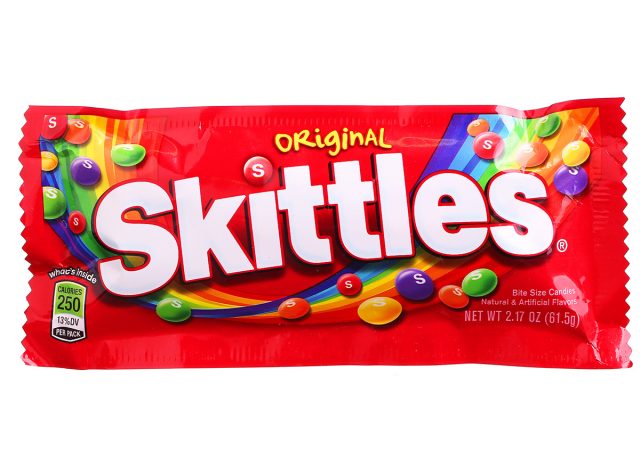
Beyond artificial colors, other additives face European disapproval. Titanium dioxide (E171), commonly used as a whitening agent and color enhancer in various food products, particularly candies and chewing gum, represents another significant point of contention. For years, this ingredient was widely accepted globally. However, in 2021, the EFSA re-evaluated its safety, concluding that it "can no longer be considered safe for consumption" due to concerns about potential genotoxicity, meaning its ability to damage DNA. This re-evaluation led to a full ban on titanium dioxide as a food additive across the entire European Union, effective from early 2022. The popular candy Skittles was a prominent American product that historically contained titanium dioxide. Following intense pressure from health advocacy groups and the European ban, Mars, the manufacturer of Skittles, eventually removed titanium dioxide from its US formulation, demonstrating how European regulatory shifts can influence product changes in the American market.
Another additive facing scrutiny is carrageenan, a thickening and emulsifying agent derived from red seaweed. While broadly utilized in dairy products, alternative milks, and processed foods in the U.S., it has been a subject of ongoing debate among scientists and consumer advocates. The controversy centers around two forms: undegraded (food-grade) carrageenan, and degraded carrageenan (poligeenan), which is known to cause inflammation and gastrointestinal issues. Critics argue that even food-grade carrageenan can contain traces of degraded carrageenan or that it may degrade under certain conditions within the digestive system, potentially leading to inflammatory responses. Although the EFSA has previously reviewed carrageenan and deemed food-grade carrageenan safe, some European nations and food companies exercise greater caution. For instance, Nestle’s Drumstick frozen desserts, a staple in American freezers, contain carrageenan in their standard U.S. recipe. This inclusion often renders them unsuitable for import into European countries with stricter interpretations or specific prohibitions against the additive, reflecting a more conservative approach to ingredients that have generated health concerns.
Finally, the preservative butylated hydroxytoluene (BHT) presents another regulatory divide. BHT is an antioxidant commonly added to cereals, chewing gum, and other processed foods to prevent rancidity and extend shelf life by inhibiting the oxidation of fats. Despite its widespread use in the United States, BHT has been banned as a food additive in the European Union and Japan. These regions cite concerns about its potential health effects, which have been subject to various studies. The American Conference of Governmental Industrial Hygienists, for example, suggests BHT acts as a human respiratory irritant, and some research has raised questions about its endocrine-disrupting potential, though it is not classified as a human carcinogen by all bodies. American breakfast cereals like Honey Bunches of Oats (and others such as Rice Krispies) frequently contain BHT in their domestic formulations. This makes them non-compliant with European food standards, preventing their direct import without reformulation. The Environmental Working Group (EWG) has consistently highlighted these concerns, advocating for the removal of such additives from the food supply, noting that "despite health harm concerns, BHA and BHT remain in food and cosmetics" in the U.S.
The transatlantic divide in food additive regulation highlights a broader philosophical split concerning public health and consumer protection. While American food companies are increasingly adapting by reformulating products for global markets or proactively removing controversial ingredients from their domestic lines, the fundamental differences between the "GRAS" system and the "precautionary principle" persist. This ongoing regulatory friction not only impacts international trade and consumer choice but also fuels a vital public discourse about what constitutes safe and acceptable ingredients in our modern food supply. As scientific understanding evolves and consumer demand for "cleaner" labels grows, the landscape of food regulation, both domestically and internationally, will undoubtedly continue to shift.
About the Author










