
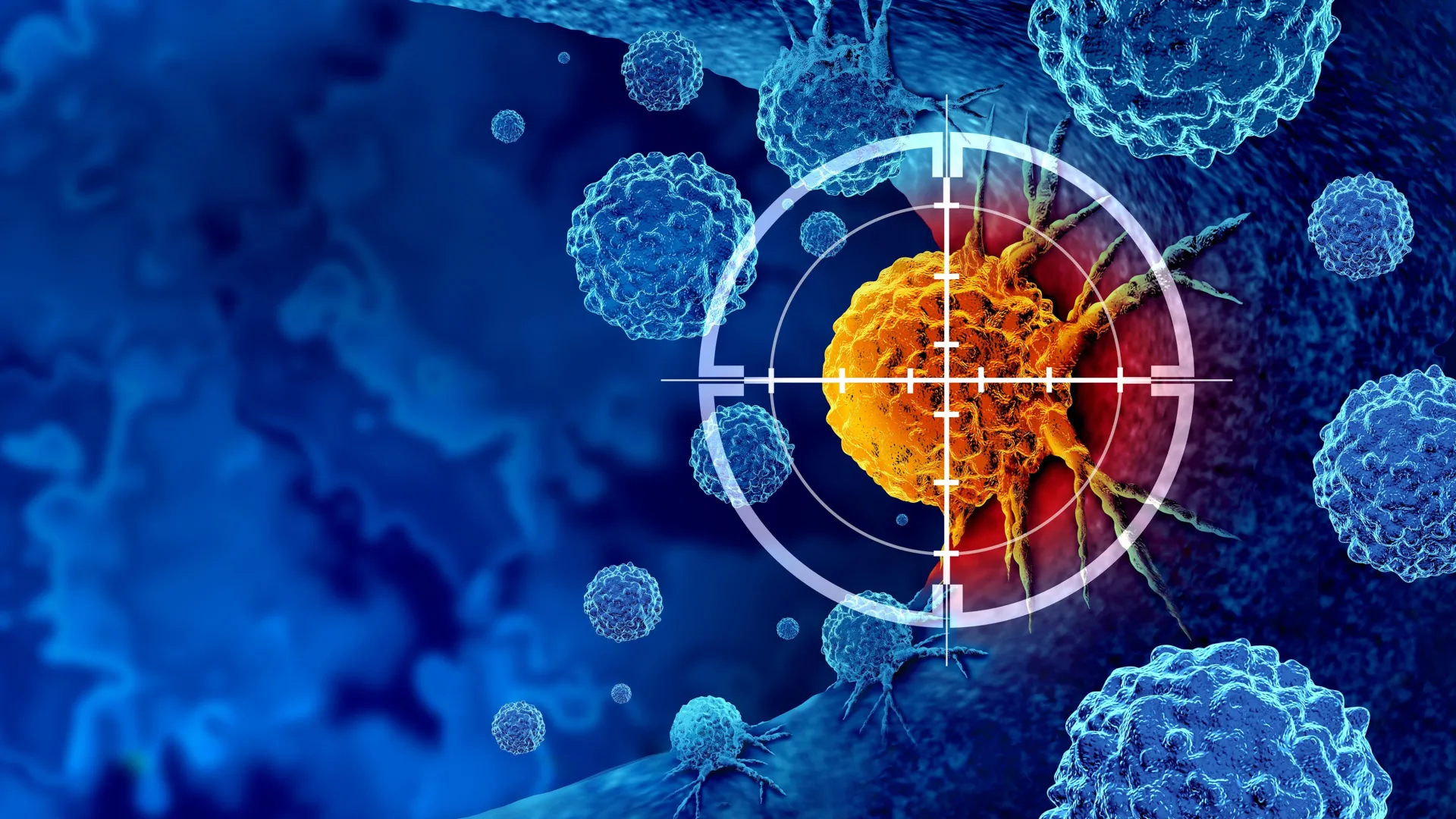
A significant breakthrough in cancer research has emerged from the University of Chicago, identifying a widely available nutrient with a previously unrecognized capacity to bolster the body’s own defenses against malignant growths. Zeaxanthin, a naturally occurring carotenoid long recognized for its benefits to ocular health, has been found by a team of scientists to possess a potent, novel function: amplifying the effectiveness of immune cells crucial for tumor eradication. These groundbreaking findings, detailed in the journal Cell Reports Medicine, suggest that this common dietary supplement could serve as a powerful adjunct to existing cancer treatments, particularly immunotherapies, thereby improving patient outcomes.
The research initiative stems from an extensive investigation by Professor Jing Chen and her colleagues into the intricate ways in which dietary components influence immune system responses. Their meticulous analysis of a comprehensive inventory of blood-borne nutrients revealed zeaxanthin as a standout compound, demonstrating a direct and significant impact on the performance of CD8+ T cells. These specialized lymphocytes are the frontline soldiers of the adaptive immune system, tasked with identifying and neutralizing cells that exhibit cancerous characteristics. The study underscores a paradigm shift, moving beyond solely therapeutic interventions to explore how fundamental nutritional elements can synergistically support anti-cancer immunity.
At the molecular level, zeaxanthin appears to facilitate the intricate machinery that enables CD8+ T cells to recognize and engage with aberrant cells. These T cells utilize a complex protein structure, the T-cell receptor (TCR), to detect the subtle molecular signatures of malignancy. The University of Chicago team observed that zeaxanthin plays a critical role in stabilizing the formation and function of this TCR complex when a T cell encounters a tumor cell. This stabilization process is not merely structural; it triggers a cascade of enhanced intracellular signaling within the T cell. The downstream effects include a marked increase in the production of cytokines – signaling molecules that orchestrate immune responses – and a substantial improvement in the T cells’ cytotoxic capacity, empowering them to more effectively eliminate tumor cells.
The preclinical validation of zeaxanthin’s anti-cancer properties was vividly demonstrated in murine models. When administered orally to mice bearing tumors, zeaxanthin supplementation led to a noticeable deceleration in tumor growth. The true extent of its potential, however, became apparent when zeaxanthin was introduced as a co-treatment alongside immune checkpoint inhibitors, a revolutionary class of immunotherapy drugs that have transformed the landscape of cancer treatment in recent years. In this combined regimen, the anti-tumor response was significantly more robust than what was observed with immunotherapy alone, highlighting zeaxanthin’s synergistic capability.
Further laboratory investigations extended to human T cells that had been genetically engineered to target specific cancer biomarkers. These modified immune cells, when exposed to zeaxanthin, exhibited an augmented ability to destroy cancer cells derived from melanoma, multiple myeloma, and glioblastoma. Professor Chen emphasized the broad applicability of these findings, stating, "Our data indicate that zeaxanthin enhances both natural and engineered T-cell responses, suggesting high translational potential for patients undergoing immunotherapies." This broad impact across different T-cell types and cancer origins underscores zeaxanthin’s versatility.
The inherent accessibility and safety profile of zeaxanthin contribute significantly to its promising therapeutic outlook. Already widely available as an over-the-counter supplement primarily for maintaining eye health, zeaxanthin is also abundant in a variety of common foods, including bell peppers, spinach, and kale. Its low cost, ease of procurement, and established tolerability in humans make it an exceptionally attractive candidate for rapid evaluation as a complementary strategy in cancer care. This contrasts with many novel therapeutic agents that can face lengthy development and approval pathways.
These discoveries also serve to underscore the profound and often underestimated influence of diet on overall immune system vitality. This is not the first time Professor Chen’s laboratory has identified a dietary nutrient with immune-modulating properties. Previously, her team had elucidated the role of trans-vaccenic acid (TVA), a fatty acid found in dairy and meat products, in enhancing T-cell function through a distinct molecular pathway. The convergence of these findings, one highlighting a plant-derived carotenoid and the other an animal-derived fatty acid, suggests a complex and complementary interplay between diverse dietary components and the immune system, working in concert to fortify its defenses.
While the current findings represent a significant leap forward, the researchers are diligent in noting that this body of work remains in its nascent stages. The bulk of the compelling evidence to date has been derived from in vitro experiments and studies conducted in animal models. The critical next step involves translating these promising laboratory observations into tangible benefits for patients. Rigorous clinical trials are an indispensable prerequisite to definitively ascertain whether zeaxanthin supplementation can translate into improved clinical outcomes for individuals battling cancer.
Professor Chen articulated the broader implications of their research, framing it as the genesis of a new interdisciplinary field: "Our findings inaugurate a novel domain of nutritional immunology, which aims to unravel how specific dietary constituents interact with the immune system at a granular, molecular level." She further expressed optimism that continued investigation into natural compounds could unlock new avenues for making existing cancer therapies not only more effective but also more accessible to a wider patient population.
The research contributing to this significant discovery was made possible through grants from the National Institutes of Health, the Ludwig Center at the University of Chicago, and the Harborview Foundation Gift Fund. The study, officially titled "Zeaxanthin augments CD8+ effector T cell function and immunotherapy efficacy," involved a multidisciplinary team of researchers. Contributing authors from the University of Chicago included Freya Zhang, Jiacheng Li, Rukang Zhang, Jiayi Tu, Zhicheng Xie, Takemasa Tsuji, Hardik Shah, Matthew Ross, Ruitu Lyu, Junko Matsuzaki, Anna Tabor, Kelly Xue, Chunzhao Yin, Hamed R. Youshanlouei, Syed Shah, Michael W. Drazer, Yu-Ying He, Marc Bissonnette, Jun Huang, Chuan He, Kunle Odunsi, and Hao Fan. Collaborations extended to Fatima Choudhry from DePaul University, Chicago; Yuancheng Li and Hui Mao from Emory University School of Medicine, Atlanta; Lei Dong from the University of Texas Southwestern Medical Center, Dallas; and Rui Su from the Beckman Research Institute, City of Hope, Duarte, CA, underscoring the collaborative nature of modern scientific inquiry.
About the Author












