
Consumers today are increasingly discerning about the nutritional composition of their purchases, meticulously scrutinizing labels for ingredients that align with their health goals. Despite this heightened awareness, a pervasive marketing strategy often leads individuals to believe certain products are inherently beneficial or benign, particularly those labeled "sugar-free," "no sugar added," or generally "healthy." However, a closer inspection frequently reveals the presence of non-nutritive sweeteners (NNS), a category of artificial and natural compounds designed to impart sweetness without contributing significant calories. While initially lauded as a solution for weight management and diabetes control, an expanding body of scientific evidence suggests that these alternatives may not be the innocuous substitutes once presumed, prompting a reevaluation of their role in a balanced diet and their potential long-term health implications.

The proliferation of NNS across the global food supply chain stems from a decades-long effort to reduce caloric intake and address the widespread health challenges associated with excessive sugar consumption, such as obesity, type 2 diabetes, and cardiovascular disease. These compounds, which include well-known substances like sucralose, aspartame, saccharin, acesulfame potassium, and sugar alcohols such as xylitol and sorbitol, are hundreds to thousands of times sweeter than sucrose (table sugar). This potency allows manufacturers to use minimal quantities while achieving a desired sweet taste, thereby lowering a product’s calorie count. For many years, the prevailing scientific consensus and regulatory approvals viewed NNS as safe for human consumption within acceptable daily intake levels, offering a guilt-free way to enjoy sweet foods and beverages.
However, recent research has begun to unravel a more complex narrative, challenging the unqualified health benefits of NNS. The World Health Organization (WHO), for instance, recently issued a guideline advising against the long-term use of NNS for weight control in adults and children, citing potential links to an increased risk of type 2 diabetes, cardiovascular diseases, and mortality. This evolving understanding points to several proposed mechanisms by which NNS might exert unintended effects. One prominent theory involves the gut microbiome: NNS can alter the delicate balance of bacteria in the digestive tract, which in turn may influence glucose metabolism and insulin sensitivity. Furthermore, the intense sweetness of NNS, decoupled from caloric content, might confuse metabolic pathways, potentially leading to increased cravings for sweet foods, altered appetite regulation, and even a paradoxical increase in overall calorie intake and weight gain over time. Dr. Melissa Young, a functional medicine specialist, underscores this concern, stating that both sugar and artificial sweeteners pose health challenges, but she posits that "artificial sweeteners are far worse than sugar," highlighting their potential for greater systemic impact. This perspective suggests that the fundamental issue lies not merely in calorie reduction but in the body’s complex response to sweetness itself.

The lack of transparency in food labeling further complicates consumer efforts to make informed choices. While NNS must be listed in the ingredients, the precise quantities are often not disclosed, making it difficult to assess total intake. Dr. James Krieger, a clinical professor of health systems and population health at the University of Washington and executive director of Healthy Food America, observes that "the food industry is not very transparent about how much non-sugar sweeteners are in their products." This opacity places the burden squarely on the consumer to not only identify these ingredients but also to remain vigilant about their prevalence across a surprisingly wide array of grocery items.
Below are several common grocery products that, despite often being perceived as healthful or diet-friendly, frequently contain artificial sweeteners, necessitating careful label scrutiny:

1. Yogurt:
Often celebrated for its probiotic content, protein, and calcium, yogurt is a staple in many health-conscious diets. However, many flavored, "low-fat," or "sugar-free" varieties introduce NNS such as sucralose and aspartame to achieve sweetness while keeping sugar content low. Consumers seeking to reduce their sugar intake might inadvertently replace natural sugars with these artificial alternatives. This substitution, as Dr. Young suggests, might not offer the anticipated health benefits and could even introduce new risks, as the body’s response to artificial sweetness can differ significantly from its response to natural sugars. Opting for plain, unsweetened yogurt and adding fresh fruit or a small amount of honey can be a more wholesome approach.
2. Bread:
Even a fundamental dietary staple like bread can harbor hidden NNS, particularly in "light" or "diet" formulations. Manufacturers incorporate these sweeteners to reduce the carbohydrate and calorie count, aiming to appeal to individuals managing weight or blood sugar levels. However, this strategy can backfire. Dr. Young points out a crucial behavioral aspect: "When you’re consuming artificial sweetener, your body starts to crave more of it. And it can be easier to give in to that craving because you think you’re making a healthier choice." This can lead to increased overall calorie consumption as the body seeks to satisfy a perceived energy deficit associated with the sweet taste, ultimately undermining dietary goals and potentially fostering a persistent "sweetness addiction."
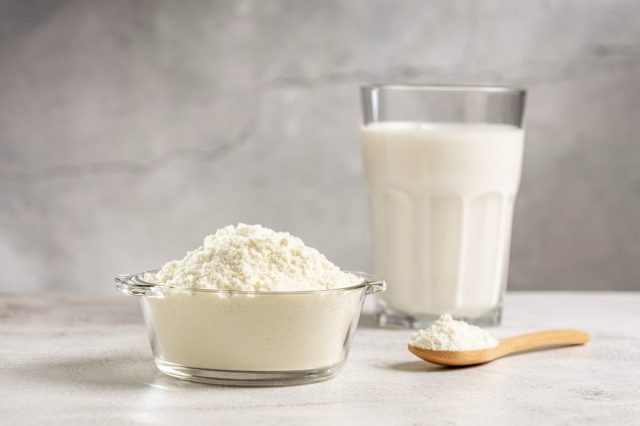
3. Protein Shakes and Bars:
Marketed extensively to athletes and individuals seeking convenient nutritional boosts, protein shakes and bars are often positioned as essential components of a healthy, active lifestyle. While they deliver protein, many brands rely heavily on NNS, including sucralose, to mask the inherent bitterness of protein isolates and create palatable flavors without adding significant sugar calories. Some products might even contain high-fructose corn syrup alongside NNS, further complicating their nutritional profile. Dr. Young cautions against the perception that NNS can transform an otherwise processed item into a health food: "No artificial sweetener can turn an unhealthy food into a healthy one." The convenience and marketing of these products can overshadow their often-complex ingredient lists, making label reading paramount. Dr. Krieger further links consistent exposure to non-sugar sweeteners, as found in such products, to serious public health issues, noting "pretty good evidence from long-term epidemiological diet studies that link exposure to non-sugar sweeteners to Type II diabetes, to weight gain, to heart disease."
4. Flavored Cottage Cheese:
Cottage cheese is widely recognized for its high protein content, making it an excellent snack for satiety and muscle support. However, pre-flavored versions, often featuring fruit or dessert-like profiles, frequently use NNS to achieve their sweet taste without adding caloric sugars. This transforms what could be a simple, nutritious food into one with questionable additive content. The lack of specific quantity disclosure for NNS, as highlighted by Dr. Krieger, means consumers are often unaware of the actual dose they are ingesting, making it challenging to make truly informed choices about these seemingly innocent snacks.

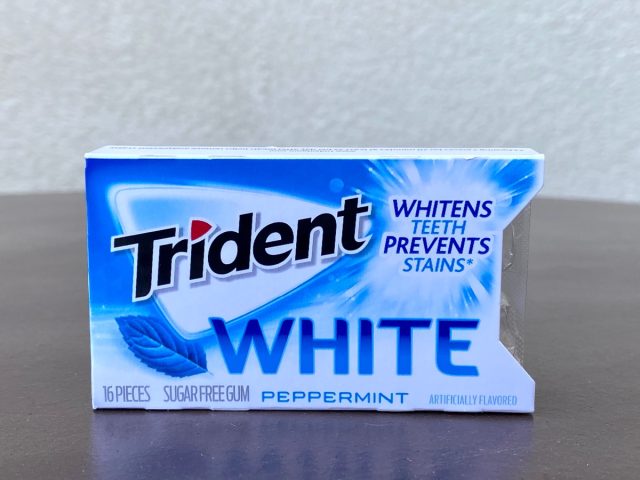
5. Sugar-Free Gum:
While often recommended by dentists for oral health benefits, particularly in preventing cavities, sugar-free gum is by definition reliant on NNS for its flavor. Common sweeteners found in gum include sugar alcohols like sorbitol and xylitol. While generally considered safe and even beneficial for dental health, some NNS have distinct health considerations beyond general metabolic effects. For instance, recent research has raised specific concerns about xylitol. Physician-scientist Dr. Stanley Hazen, addressing the potential dangers, states, "Our studies show that elevated blood levels of xylitol contribute to heightened platelet reactivity and are associated with an enhanced risk for cardiovascular events, like heart attacks and strokes." This underscores that even NNS with perceived benefits can have specific, potentially serious, health implications that consumers should be aware of.
6. Pasta Sauce:
Pasta sauce, a foundational component of countless meals, is not immune to the trend of NNS inclusion. Certain brands, particularly those marketing "low-sugar" or "no-sugar added" varieties, may incorporate artificial sweeteners to balance the acidity of tomatoes or enhance the overall flavor profile while minimizing caloric sugars. While the intention might be to offer a healthier alternative, Dr. Young reiterates a critical message: "Swapping out sugar for artificial sweetener isn’t going to give you the health benefits you’re looking for, and may prove to be dangerous to your long-term health." This reminds consumers that a "sugar-free" label does not automatically equate to a genuinely healthy choice, especially when NNS are introduced.
In conclusion, the pervasive presence of non-nutritive sweeteners in products often perceived as healthy underscores a critical need for consumer vigilance. The initial promise of NNS as a simple solution for reducing sugar intake and improving health has been complicated by emerging scientific evidence suggesting potential adverse effects on metabolism, gut health, and even cardiovascular well-being. Consumers are encouraged to move beyond marketing claims and cultivate a habit of meticulously reading ingredient labels. Prioritizing whole, unprocessed foods, choosing unsweetened versions of common products, and opting for natural sweetening agents in moderation can empower individuals to make truly health-conscious decisions, fostering a diet that supports long-term well-being rather than falling prey to the subtle deceptions of the "health halo."
About the Author