

As individuals navigate the landscape of later life, maintaining physical robustness becomes an increasingly pertinent focus for preserving independence and enhancing overall well-being. A natural physiological process known as sarcopenia, characterized by age-related muscle loss, typically begins in the third decade of life and accelerates after 50, profoundly impacting strength, balance, and metabolic health. While the prospect of intensive gym routines might seem daunting, especially for those over 55, emerging insights from certified strength and conditioning specialists highlight the efficacy of concise, targeted exercise protocols that can significantly counter muscle degradation. One such method involves an eight-minute morning routine, meticulously crafted to stimulate muscle tone and functional strength without the time commitment or complexity often associated with traditional weight training.
The human body is remarkably adaptable, and even short, consistent bursts of physical activity can trigger profound positive changes. For older adults, initiating the day with purposeful movement offers a dual advantage: it capitalizes on a window of opportunity when consistency is often highest, and it primes the body for the day ahead. This foundational principle underpins the approach advocated by experts like Jarrod Nobbe, a USAW National Coach and seasoned sports performance coach. His observations, spanning years of working with diverse clientele from elite athletes to everyday individuals, underscore the powerful impact of morning routines. Such early engagement serves to awaken dormant muscle fibers, enhance systemic circulation, and imbue the body with a sense of readiness and vigor, laying a strong physiological and psychological groundwork for daily activities.
Beyond mere energy activation, consistent morning exercise plays a crucial role in fortifying the muscular systems essential for proper posture, dynamic balance, and the seamless execution of everyday movements. The insidious progression of sarcopenia not only diminishes raw strength but also compromises neuromuscular coordination, leading to increased risk of falls and reduced capacity for independent living. By integrating specific, compound movements into a daily regimen, individuals can proactively combat these age-related declines, fostering a sense of self-reliance and vitality that extends far beyond the workout itself. The beauty of this approach lies in its accessibility and efficiency, demonstrating that significant gains in muscular health are achievable without prolonged or equipment-heavy sessions.
The effectiveness of an eight-minute routine, particularly when designed to engage multiple major muscle groups concurrently through smooth, controlled motions, is rooted in principles of functional training. Unlike isolated exercises that target single muscles, compound movements mimic the integrated actions required in real-life scenarios, thereby building more practical strength and improving overall body coordination. This holistic engagement means that a short session can yield comprehensive benefits, activating the entire musculoskeletal system, revitalizing muscle tone, and preparing the body to move with greater ease and confidence throughout the day. The protocol leverages an interval-based structure, alternating between periods of activity and brief recovery, which is highly efficient for maintaining muscular engagement and stimulating adaptation without excessive fatigue.
For this particular regimen, the equipment requirements are minimal, necessitating only a modest open space and a stable elevated surface such as a counter, bench, or chair for incline push-ups. The routine is structured around two fundamental exercises: incline push-ups and standing alternating reverse lunges. Each exercise is performed for 30 seconds, followed by a 30-second rest period. This sequence is repeated, alternating between the two movements, for a total of four rounds of each, culminating in an eight-minute workout that is both challenging and sustainable.
Exercise 1: Incline Push-Ups
Incline push-ups are an excellent upper-body exercise that effectively targets the chest (pectoralis major), shoulders (deltoids), and triceps, while also engaging the core musculature for stabilization. The use of an elevated surface significantly modifies the difficulty, making the movement more accessible for individuals who may find traditional floor push-ups too challenging due to strength limitations or joint discomfort. By adjusting the height of the incline, the resistance can be scaled—a higher incline reduces the body weight percentage being lifted, while a lower incline increases it. This adaptability makes incline push-ups an ideal starting point for building foundational upper-body strength.
The functional benefits of incline push-ups are considerable. Stronger chest, shoulder, and arm muscles translate directly into improved capacity for daily tasks such as pushing open heavy doors, lifting objects, or supporting oneself when rising from a seated position. Furthermore, the constant engagement of the core throughout the movement helps to stabilize the torso, reinforcing good posture and contributing to overall spinal health. Over time, consistent practice of incline push-ups cultivates robust upper-body muscle tone and endurance, enhancing both physical capability and confidence.
- Muscles Activated: Primarily the chest (pectoralis major), shoulders (anterior and medial deltoids), triceps brachii. Secondary engagement of the core stabilizers (rectus abdominis, obliques).
- Execution Guidance: Begin by standing a comfortable distance from your sturdy elevated surface (e.g., a kitchen counter or a sturdy chair). Place your hands slightly wider than shoulder-width apart on the edge of the surface, fingers pointing forward. Ensure your body forms a straight line from the crown of your head through your heels, avoiding any sagging in the hips or arching of the lower back. Initiate the movement by bending your elbows, lowering your chest towards the surface in a controlled manner. Keep your elbows tracking slightly backward and outward. Once your chest is close to the surface, press back through your hands to return to the starting position, extending your arms fully but without locking the elbows. Maintain core engagement throughout the entire motion to keep the body rigid.
- Form Emphasis: The critical aspect is to maintain a rigid plank-like body alignment. Avoid letting your hips drop or pike up. Control both the lowering and pressing phases of the movement.
- Variations for Progression/Regression: For easier modification, use a higher incline (e.g., a wall). To increase difficulty, use a lower incline (e.g., a sturdy coffee table). Close-grip incline push-ups can be employed to place more emphasis on the triceps.
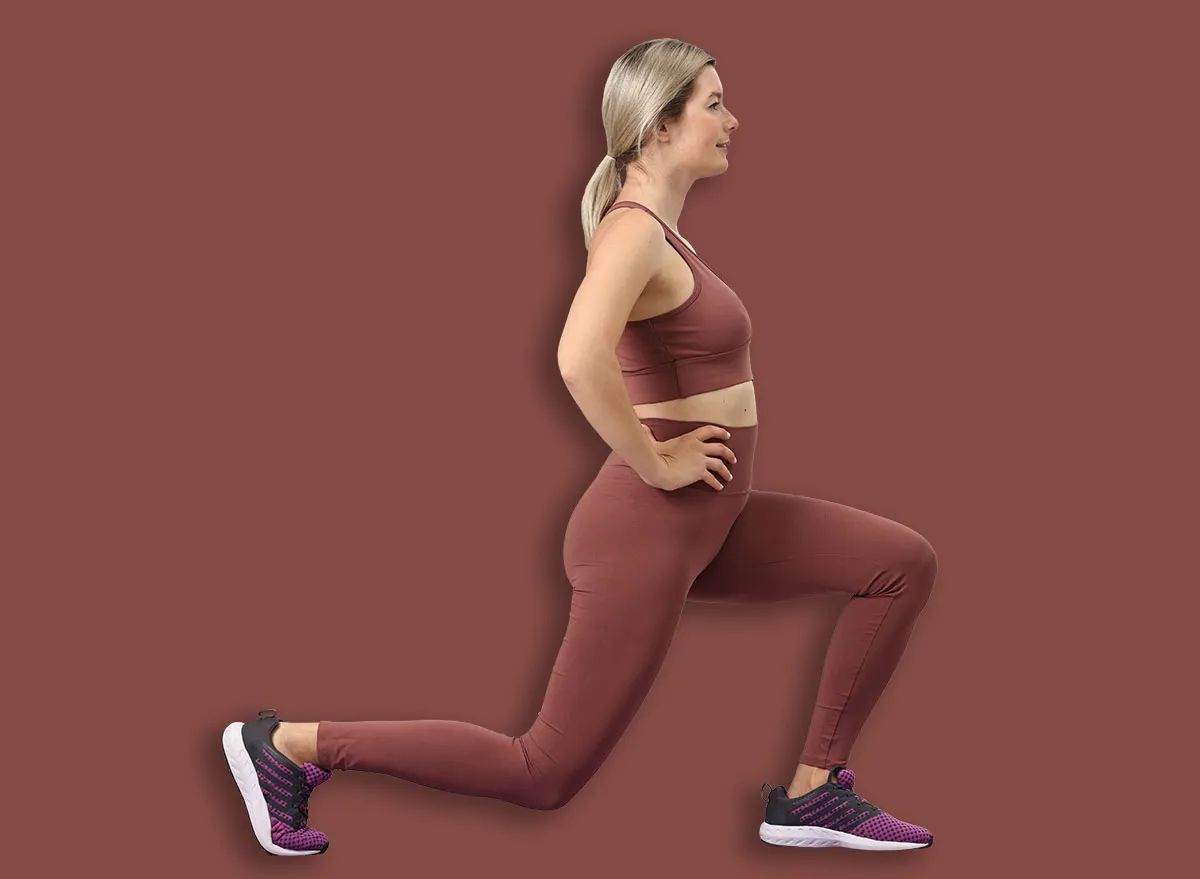
Exercise 2: Standing Alternating Reverse Lunges
Standing alternating reverse lunges are a powerful lower-body exercise that simultaneously strengthens the quadriceps, glutes, and hamstrings, while significantly improving balance, coordination, and hip stability. Unlike forward lunges, stepping backward places less stress on the front knee joint, making it a safer and often more comfortable option for older adults. The reverse motion allows the front leg to bear the primary load and drive the concentric (upward) phase, which effectively activates the gluteal muscles and quadriceps.
This exercise is particularly valuable for enhancing functional lower-body strength, which is directly applicable to everyday movements like walking, ascending stairs, and rising from a chair or floor. The unilateral (single-leg) nature of the lunge challenges the body’s balance mechanisms, improving proprioception—the sense of body position and movement. Stronger hips and a stable core, both actively engaged during reverse lunges, are paramount for preventing falls and maintaining mobility. Consistent practice of this movement contributes to rebuilding and maintaining robust lower-body muscle tone, vital for independent living.

- Muscles Activated: Primary movers include the quadriceps (front of thigh), gluteus maximus (buttocks), and hamstrings (back of thigh). Core muscles and hip stabilizers are also heavily engaged to maintain balance.
- Execution Guidance: Begin in a standing position with your feet hip-width apart and hands placed on your hips or by your sides for balance. Take a controlled step backward with one foot, ensuring the front foot remains flat on the ground. As you step back, lower your hips until both knees are bent at approximately a 90-degree angle. The front knee should be stacked directly over the ankle, and the back knee should hover just above the floor. Maintain an upright torso, avoiding leaning forward excessively. Push off the back foot and drive through the heel of your front foot to return to the starting standing position. Alternate legs with each repetition, ensuring smooth transitions.
- Form Emphasis: Crucially, step far enough back so that your front knee does not extend beyond your toes. Focus on a controlled descent and ascent, and keep your core engaged to prevent rocking or instability.
- Variations for Progression/Regression: For added challenge, hold light dumbbells in each hand (dumbbell reverse lunge). For improved balance and coordination, consider a walking reverse lunge where you continue moving forward with each step. A knee-drive reverse lunge adds an explosive element and further engages the core.
Integrating Exercise into a Holistic Morning Routine for Seniors
While an eight-minute targeted routine is a powerful catalyst for restoring muscle tone, its efficacy is amplified when integrated into a broader spectrum of healthy morning habits. Consistency is the cornerstone of any successful fitness endeavor, and short, manageable workouts are inherently easier to adhere to daily. Beyond the physical activation, these routines contribute to a positive mental state, setting an energetic and focused tone for the day.
Complementary habits that bolster muscular health and overall vitality for individuals over 55 include:
- Prioritizing Protein Intake: Muscle protein synthesis, the process by which muscles repair and grow, requires adequate dietary protein. Incorporating a protein-rich breakfast, such as eggs, Greek yogurt, or a protein smoothie, can significantly support muscle maintenance and recovery.
- Optimal Hydration: Water is crucial for countless bodily functions, including nutrient transport to muscles, joint lubrication, and maintaining energy levels. Starting the day with a glass of water can kickstart metabolism and hydration.
- Quality Sleep: Muscle repair and growth primarily occur during sleep. Ensuring 7-9 hours of restorative sleep each night is as vital as the exercise itself for physical recovery and cognitive function.
- Mindfulness and Stress Management: Chronic stress can negatively impact hormone levels, which in turn can affect muscle health. Incorporating brief mindfulness practices, deep breathing, or meditation into the morning can reduce stress and enhance mental clarity.
- Flexibility and Mobility Work: While strength is key, maintaining a good range of motion is equally important. Gentle stretching or mobility exercises can be incorporated into the morning routine or performed later in the day to improve joint health and prevent stiffness.
- Regular Consultations with Healthcare Professionals: Before embarking on any new exercise regimen, particularly after age 55, it is advisable to consult with a doctor or physical therapist. They can provide personalized advice, address any pre-existing conditions, and ensure the routine is appropriate for individual health needs.
In conclusion, the journey to sustained physical strength and vitality in later life doesn’t demand arduous, time-consuming workouts. Instead, it often hinges on the consistent application of intelligent, efficient strategies. An eight-minute morning routine, grounded in functional compound movements like incline push-ups and reverse lunges, provides a powerful and accessible pathway to combating sarcopenia, enhancing muscle tone, and improving overall physical capability. By embracing such a routine, alongside other supportive health habits, individuals over 55 can unlock a renewed sense of strength, balance, and independence, ensuring that each new day begins with a foundation of readiness and resilience.
About the Author










