As individuals age, maintaining optimal posture frequently presents a growing challenge, influenced by a confluence of lifestyle factors and physiological shifts. The cumulative impact of prolonged sitting, the ubiquitous use of digital devices requiring a downward gaze, and a general reduction in daily physical activity contribute significantly to a gradual decline in spinal alignment. This insidious process often goes unnoticed until the emergence of persistent stiffness, localized discomfort, or restricted mobility signals a more pronounced issue. For those navigating their sixth decade and beyond, the implications extend beyond mere aesthetics, affecting overall well-being, functional independence, and even respiratory capacity.
The human spine, a marvel of biomechanical engineering, relies on a complex interplay of muscles, ligaments, and joints for its structural integrity and dynamic flexibility. When this intricate system is compromised, the body adopts compensatory postures, often manifesting as a forward head position, rounded shoulders, or an exaggerated curve in the lower back. These adaptations, while seemingly minor, can lead to a cascade of problems, including chronic pain, diminished balance, an increased risk of falls, and even impaired organ function due to compression. A proactive approach to postural health is therefore not merely about appearing more upright, but fundamentally about preserving vital bodily functions and enhancing the quality of life.
While specialized physical therapy offers invaluable guidance for severe postural issues, many foundational improvements can be fostered through consistent, gentle, and intentional movements performed within the comfort of one’s home. A certified fitness professional often advocates for an initial focus on re-establishing voluntary control over the deep stabilizing muscles that directly support the spine. These crucial muscular groups are predominantly situated within the core, hips, and upper back, forming an interconnected network responsible for maintaining an erect and balanced stance. Unlike high-intensity or rapid-repetition exercises, these core-centric movements respond most effectively to deliberate, controlled execution, allowing for a deeper neuromuscular connection and enhanced proprioception—the body’s awareness of its position in space.
The strategic choice of performing these beneficial exercises on a bed or a soft mat offers several distinct advantages, particularly for older adults. This supportive surface inherently reduces gravitational strain on joints, minimizes the impact often associated with standing exercises, and provides a sense of security and comfort. Such an environment facilitates a heightened focus on the internal sensations of each movement, allowing individuals to concentrate on muscle engagement and spinal articulation without the added concern of balance or potential instability. This low-barrier entry point significantly boosts adherence, as movements that feel approachable and comfortable are far more likely to be integrated into a regular routine. This consistency, rather than sporadic intensity, is the true catalyst for lasting postural improvements, fostering a more natural, upright stance and smoother, pain-free movement throughout the day.
It is paramount to underscore that while these home-based exercises are powerful tools for enhancing movement patterns and bolstering postural support, they are explicitly designed to complement, not supersede, professional medical advice or physical therapy interventions. Individuals experiencing significant pain, diagnosed spinal conditions, or mobility limitations should always consult with a qualified healthcare provider, such as a physician or licensed physical therapist, before commencing any new exercise regimen. These recommended practices serve as an excellent addition to a daily wellness routine, working in concert with professional guidance to steer the body toward improved alignment and functionality.
Let us delve into a selection of five fundamental movements, each meticulously chosen for its capacity to fortify the muscles critical for sustained postural integrity and to encourage improved spinal alignment.
Glute Bridge Holds: Anchoring Pelvic Stability
The glute bridge hold is an exceptionally effective exercise for rehabilitating strength in the gluteal muscles and surrounding hip complex, which are foundational to proper pelvic positioning and, by extension, overall spinal alignment. When the glutes are adequately activated and strengthened, they act as powerful stabilizers, ensuring the pelvis remains in a neutral position. This directly influences the lumbar spine, preventing excessive arching or flattening that can contribute to lower back discomfort and poor posture. The sustained isometric contraction inherent in holding the top position of the bridge cultivates muscular endurance, which is crucial for maintaining an upright posture over extended periods, rather than just momentary bursts of strength. Over time, robust gluteal muscles contribute significantly to a more stable, centered, and erect body posture. This exercise primarily targets the glutes, hamstrings, and the deep core stabilizers, enhancing their coordinated function. To perform, lie supine with knees bent and feet flat on the bed. Engaging the glutes, lift the hips off the surface until the body forms a straight line from shoulders to knees. Hold this elevated position, ensuring the lower back remains unarched, before slowly lowering. Aim for three sets, holding for 20 to 30 seconds per repetition, with 45-second rests between sets.
Alternating Dead Bugs: Core Control and Spinal Stabilization
The alternating dead bug is a sophisticated core exercise that specifically targets the deep abdominal muscles responsible for stabilizing the lumbar spine. This movement demands precise coordination, as opposing limbs extend simultaneously while the core musculature works strenuously to prevent any movement or arching in the lower back. This anti-extension and anti-rotation challenge effectively trains the body to maintain optimal spinal alignment even during dynamic limb movements. Many individuals report a profound increase in their proprioceptive awareness of core engagement during this exercise, learning to actively control their abdominal wall. Consistent practice significantly enhances intrinsic core strength, leading to improved spinal stability and a more controlled, upright posture throughout daily activities. Key muscles engaged include the transverse abdominis, rectus abdominis, and hip flexors. While lying on your back, bring knees directly over hips and arms extended toward the ceiling. Slowly lower one arm and the opposite leg simultaneously towards the bed, maintaining a pressed lower back. Return to the starting position and alternate sides. Execute three sets of 10 to 12 repetitions per side, allowing for 45 seconds of rest between sets.
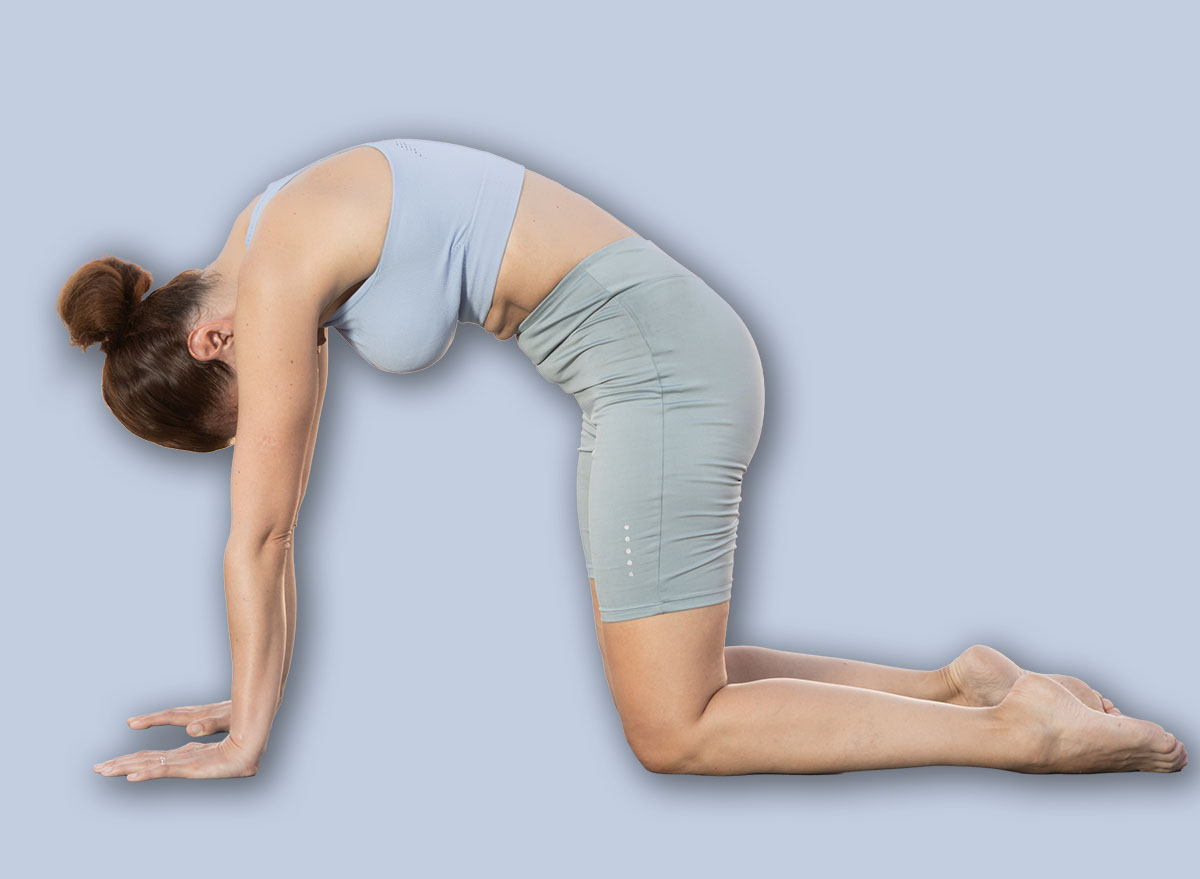
Cat-Cows: Restoring Spinal Mobility and Fluidity
The cat-cow exercise is a classic yet profoundly effective movement for promoting dynamic spinal mobility through controlled flexion and extension. In an age where many spend prolonged periods in static positions, leading to spinal stiffness and reduced range of motion, the cat-cow gently encourages the spine to articulate segment by segment. This rhythmic movement not only helps to lubricate the spinal joints and release tension in the back but also cultivates a greater awareness of one’s spinal position. By consciously transitioning between the rounded "cat" position and the arched "cow" position, individuals learn to differentiate and control individual vertebral segments, fostering a more natural and fluid posture. Regular engagement with cat-cows can counteract the rigidity caused by sedentary habits, promoting a sense of ease and openness in the entire back. This movement primarily benefits the spinal stabilizers, deep core, and upper back musculature. Starting on all fours, gently round your back towards the ceiling while dropping your head (cat), then slowly arch your back, lifting your tailbone and head (cow). Perform three sets of 10 to 12 repetitions, resting for 30 seconds between sets, focusing on the slow, deliberate motion of each spinal segment.
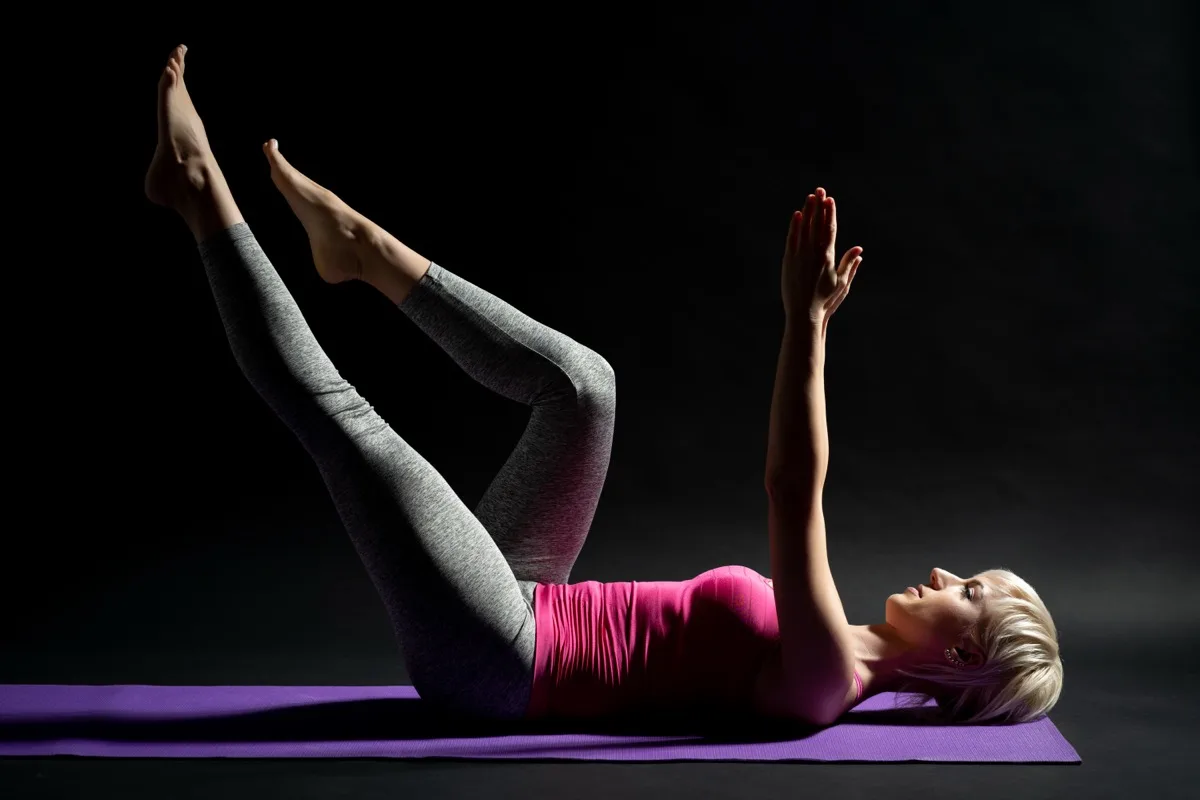
Supine Leg Drops: Lower Core Strength for Pelvic Control
Supine leg drops present a potent challenge to the lower abdominal muscles and core stabilizers, demanding precise control over the pelvis as the legs move through a range of motion. The act of lowering one or both legs requires significant engagement from the lower abdominals to prevent the lower back from arching excessively, which is a common compensatory pattern when core strength is lacking. This exercise directly strengthens the muscles crucial for maintaining a stable and neutral pelvis, which is a cornerstone of proper spinal alignment. Many practitioners quickly recognize the intense engagement of their deep lower core during this movement, highlighting its effectiveness in targeting often-neglected muscle groups. Regular integration of supine leg drops contributes significantly to enhanced core control and a more stable, supportive foundation for upright posture. This movement primarily strengthens the lower abdominals, hip flexors, and the entirety of the core stabilizing system. Lying flat on your back with knees bent, slowly extend one leg towards the ceiling, then lower it with control towards the bed, only as far as you can without arching your lower back. Return to the starting position and repeat on the other side. Complete three sets of 10 repetitions per leg, with 45 seconds of rest separating each set.
Quadruped Scapula Circles: Cultivating Upper Back and Shoulder Girdle Stability
Quadruped scapula circles are an invaluable exercise for enhancing the control and strength of the muscles surrounding the shoulder blades (scapulae), which are integral to maintaining an upright and open upper body posture. This movement specifically isolates the scapular muscles, encouraging them to move independently of the arms. Many individuals carry chronic tension in their upper back and shoulders, often contributing to a rounded, kyphotic posture. By performing controlled circular movements of the shoulder blades, this exercise improves neuromuscular control and awareness in this critical region. It helps to mobilize the thoracic spine, counteract the tendency for shoulders to roll forward, and foster better overall upper-body alignment. Over time, stronger and more coordinated scapular stabilizers translate to a more open chest, improved head position, and a significantly more upright posture. Muscles primarily engaged include the upper back, shoulders, and the intricate network of scapular stabilizers. Position yourself on all fours, hands directly under shoulders and knees under hips. Keeping your arms straight, allow your torso to drop slightly between your shoulder blades, then push back up, rounding the upper back. From this position, initiate a controlled circular motion with your shoulder blades, moving them through their full range of protraction, retraction, elevation, and depression. Perform three sets of 6 to 8 circles in each direction, resting for 30 seconds between sets, ensuring the movement originates from the shoulder blades, not the arms.
Beyond these targeted exercises, a holistic approach to postural improvement necessitates integrating mindful practices into daily life. Conscious awareness of one’s body position throughout the day—whether sitting at a desk, standing in line, or engaging in leisure activities—is fundamental. Regularly adjusting ergonomics at workstations, taking frequent movement breaks to counteract prolonged static positions, and choosing supportive footwear can all significantly reinforce the benefits derived from targeted exercises. Adequate hydration and a nutrient-rich diet support the health of connective tissues, while stress management techniques can alleviate the tension often carried in the neck and shoulders, which directly impacts posture. By embracing a comprehensive strategy that combines intentional movement with consistent postural awareness, individuals over 60 can proactively enhance their spinal health, reduce discomfort, and significantly improve their overall functional capacity and quality of life.
About the Author