As individuals progress into their sixth decade and beyond, maintaining core strength and stability becomes increasingly vital for overall health, functional independence, and quality of life. A common physiological observation in this demographic involves the accumulation of adipose tissue and a perceived weakening of the abdominal wall, often described as a "lower-belly overhang" or "apron." This phenomenon, while natural, can be disheartening and may lead to a reduction in confidence and an increased risk of musculoskeletal issues. While traditional, high-intensity gym regimens are often lauded for their fitness benefits, they may not always be the most appropriate or effective solution for targeting specific core challenges in older adults, particularly those stemming from factors such as balance concerns, joint limitations, or a need for more focused muscle activation.
Many conventional exercise classes tend to prioritize broad, dynamic movements that enhance cardiovascular health and general muscular endurance. However, their design may inadvertently bypass the precise, deep engagement required to strengthen the transverse abdominis and internal obliques—muscles fundamentally responsible for providing internal support to the abdominal cavity and contributing to a more streamlined midsection. A personal training philosophy, refined over years of working with clients in their fifties, sixties, and beyond, underscores the profound efficacy of targeted core activation, executed with consistent regularity. This approach often yields more noticeable and sustainable improvements in abdominal tone and functional strength than sporadic, generalized group fitness attendance.
Beyond the specific muscle targeting, the principles of comfort and accessibility play a paramount role in adherence and proper form execution. When physical activities are perceived as safe, manageable, and free from undue strain or the risk of falls, individuals are far more likely to integrate them into their daily routines. This is where chair-based exercise modalities offer a distinct advantage. By providing inherent postural support and stability, seated workouts effectively mitigate common concerns such as balance deficiencies, dizziness, or the discomfort associated with floor exercises. This foundational support liberates the exerciser to channel their focus entirely on the deliberate contraction and engagement of the abdominal muscles, fostering a deeper mind-muscle connection during each repetition. This heightened awareness is crucial for rebuilding neuromuscular pathways and strengthening the deep core structures that may have become dormant over time.
The power of consistency, even with seemingly small movements, cannot be overstated. Many older adults experience significant improvements in abdominal definition and functional core strength when they commit to a routine of focused, controlled core movements performed daily, rather than relying solely on one or two intensive weekly gym sessions. These incremental, regular efforts are often far more effective at restoring optimal muscle tone and responsiveness in the lower abdomen than longer, less targeted workouts. The cumulative effect of consistent, precise engagement helps to rebuild the inherent muscular support system that naturally contributes to a firmer, more pulled-in appearance of the abdomen.
The following series of chair-supported exercises has been carefully selected to fortify the deep core muscles, activate the hip flexors, and enhance the stabilizing musculature that underpins the lower stomach region. When performing these movements, it is imperative to move with deliberate slowness, consciously drawing the midsection inward during each contraction, and maintaining an erect, engaged posture throughout the entire sequence. With diligent and consistent practice, these specific movements contribute significantly to rehabilitating the muscle support system that inherently helps to draw the abdomen inward, fostering both aesthetic improvements and enhanced functional stability.
Seated Knee Tucks: Engaging the Core’s Foundation
The seated knee tuck is a foundational exercise, particularly effective for activating the lower abdominal musculature while ensuring robust support for the lumbar spine. This movement is frequently introduced early in client programs due to its capacity to teach proper core engagement without imposing undue strain on the spinal column. The act of drawing the knees deliberately towards the chest necessitates a powerful contraction of the lower abdominal fibers, directly addressing the area often associated with abdominal overhang. As the legs are then extended away from the body, the abdominal muscles must sustain their engagement to maintain torso stability, preventing the back from arching. This continuous isometric tension throughout the movement cycle is instrumental in building both strength and refined control within the lower midsection. With regular, mindful execution, individuals often report a palpable increase in firmness and responsiveness within their lower abdomen, translating into improved ease during daily movements and enhanced postural integrity. This exercise effectively mimics the core engagement required for functional tasks like rising from a seated position or lifting light objects.
Seated Leg Lifts: Isolating Lower Abdominal Strength
Seated leg lifts represent another highly beneficial exercise for fortifying the inferior aspect of the abdominal wall, simultaneously encouraging superior postural alignment. This particular movement is frequently recommended because it adeptly isolates the lower core region without necessitating a prone position, which many older clients find challenging or uncomfortable. The action of gently elevating the legs a short distance from the floor compels the abdominal muscles to dynamically stabilize the torso and meticulously control the limb movement. When executed with deliberate slowness and precision, the core musculature remains under continuous tension throughout the entire repetition. This sustained engagement is key to systematically rebuilding the strength of the deep muscles responsible for holding the stomach in a flattened, supportive position. Beyond abdominal toning, this exercise also subtly engages the quadriceps, contributing to overall leg strength and endurance, which are crucial for mobility.
Seated Twist: Cultivating Oblique Power and Spinal Mobility
The seated twist is a powerful movement designed to strengthen the oblique muscles located along the lateral aspects of the abdomen. These crucial muscles are integral to the comprehensive support of the entire abdominal wall and play a significant role in refining the waistline and enhancing rotational stability. As the obliques gain strength and resilience, individuals frequently experience a greater sense of stability and control within their midsection. This exercise is a staple in chair-based routines because it offers a dual benefit: not only does it enhance core strength, but it also gently improves spinal mobility, which often diminishes with age. Slow, controlled rotational movements encourage the deep abdominal muscles to engage synergistically, all while maintaining optimal postural alignment throughout the entire range of motion. Functionally, strong obliques are vital for everyday actions such as reaching across the body, turning to look behind, and maintaining balance during dynamic movements.
Seated March: Dynamic Core Stabilization and Hip Flexor Engagement
The seated march is a highly effective exercise that concurrently strengthens both the hip flexors and the lower abdominal muscles. This coordinated movement specifically trains the core to act as a stable anchor while the lower limbs move independently, a fundamental aspect of functional mobility. Regular practice of this exercise often leads to significant improvements in overall abdominal control. As one knee is progressively lifted upward, the core musculature must engage powerfully to counteract any tendency for the torso to lean backward or sway. This subtle yet potent contraction strengthens the deep stabilizing muscles that provide crucial support to the abdominal region, contributing to improved posture and reduced back strain. Furthermore, by actively engaging the hip flexors, this exercise supports gait mechanics and contributes to fall prevention, which are critical considerations for older adults.
Seated Forward Reach: Reinforcing Upper Abdominal Support and Posture
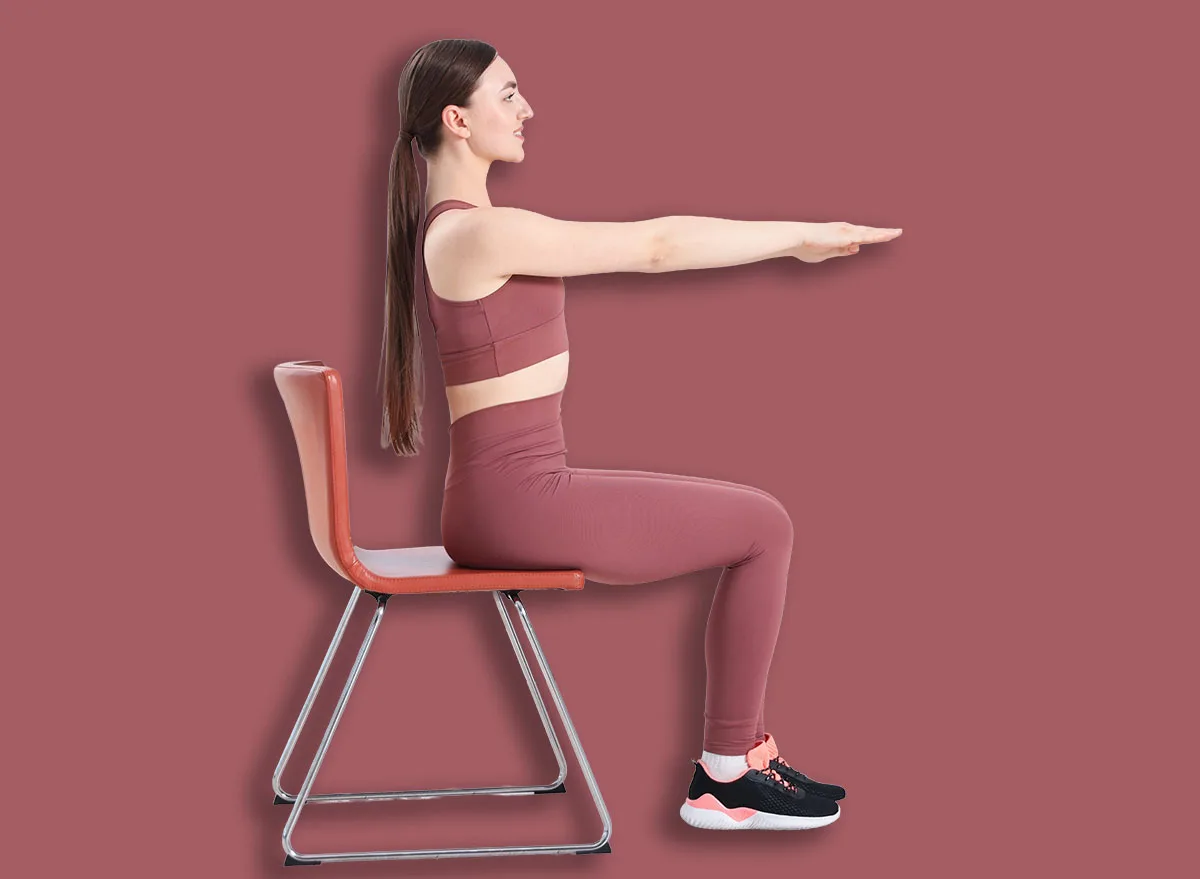
The seated forward reach is an excellent exercise for strengthening the upper abdominal muscles while simultaneously promoting superior postural habits. This movement is often incorporated towards the culmination of a core routine because it effectively engages the entire abdominal wall in a controlled manner, emphasizing coordinated breathing. The action of reaching forward with the upper body while consciously tightening the stomach forces the core musculature to provide robust support for the spinal column. When this movement is executed with deliberate slowness and precision, the abdominal muscles remain under consistent tension throughout the entire trajectory. This sustained engagement not only builds strength in the upper abdominals but also reinforces the muscle memory for maintaining an upright, supported posture, which is beneficial for reducing back discomfort during activities such as sitting at a desk or reaching for objects.
In conclusion, while the pursuit of a strong and toned core may present unique challenges as we age, the advent of accessible, chair-based exercise routines offers a powerful and safe pathway to achieving these objectives. These targeted movements, focusing on deep muscle activation and consistent practice, stand as a testament to the principle that effective fitness is not always about intensity, but rather about intentionality and accessibility. By integrating these specific exercises into a daily regimen, older adults can systematically rebuild core strength, enhance abdominal definition, improve posture, and significantly bolster their functional independence. It is always advisable to consult with a healthcare professional or certified fitness expert before embarking on any new exercise program, particularly if pre-existing health conditions are present. With patience, persistence, and the right approach, cultivating core resilience and enjoying a more stable, comfortable midsection is an achievable goal at any age.
About the Author