In an era dominated by rapidly evolving culinary trends and a pervasive emphasis on novel gastronomic experiences, certain classic dishes stubbornly persist, cherished by a loyal segment of the dining public. Among these, the unassuming combination of liver and onions stands as a testament to enduring tastes and the profound power of comfort food. Once a ubiquitous offering on diner and cafeteria menus across America, this dish, characterized by its distinct flavor profile and rich nutritional content, has become increasingly rare in mainstream restaurant chains. Yet, a select few national establishments continue to honor this time-honored recipe, providing a culinary anchor for those who seek its specific, nostalgic embrace. This exploration delves into the historical context of liver and onions and highlights the prominent restaurant chains that steadfastly keep this dish alive on their menus, catering to a dedicated clientele.

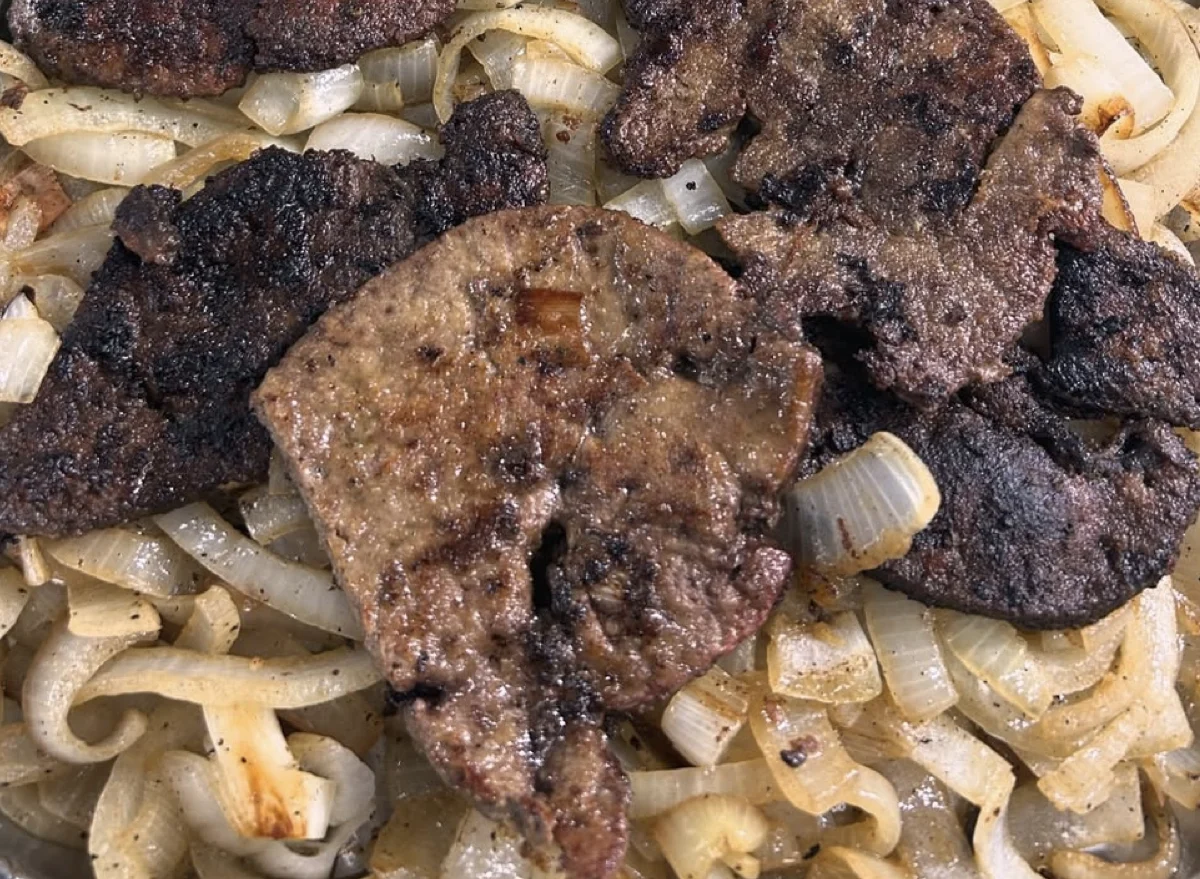
The history of organ meats in Western cuisine is long and storied, rooted in practices of sustainability and resourcefulness. Before the advent of industrial farming and widespread refrigeration, nearly every part of an animal was consumed, liver being particularly prized for its dense nutritional value and distinct taste. In post-World War II America, liver and onions gained significant traction as an affordable, hearty, and vitamin-rich meal. It became a staple in family kitchens and at local eateries, often prepared simply: slices of beef, calf, or pork liver, pan-fried or grilled, and served with a generous helping of caramelized or sautéed onions, frequently accompanied by a savory gravy. This preparation method aimed to mitigate the liver’s sometimes intense flavor while enhancing its inherent richness.
However, as American palates diversified and shifted towards leaner muscle meats, more processed foods, and international cuisines in the latter half of the 20th century, the popularity of organ meats waned considerably. Younger generations, often unaccustomed to the strong flavor and unique texture of liver, developed a preference for more conventional protein sources. Consequently, many restaurants phased out liver and onions from their menus, viewing it as a relic of a bygone era or an item with limited appeal. Despite this broader decline, a passionate cohort of diners has remained steadfast in their affection for the dish. For them, liver and onions represents more than just a meal; it evokes powerful memories of childhood, family gatherings, and simpler times. It embodies a sense of culinary heritage, a connection to traditional American home cooking that they find increasingly difficult to access.
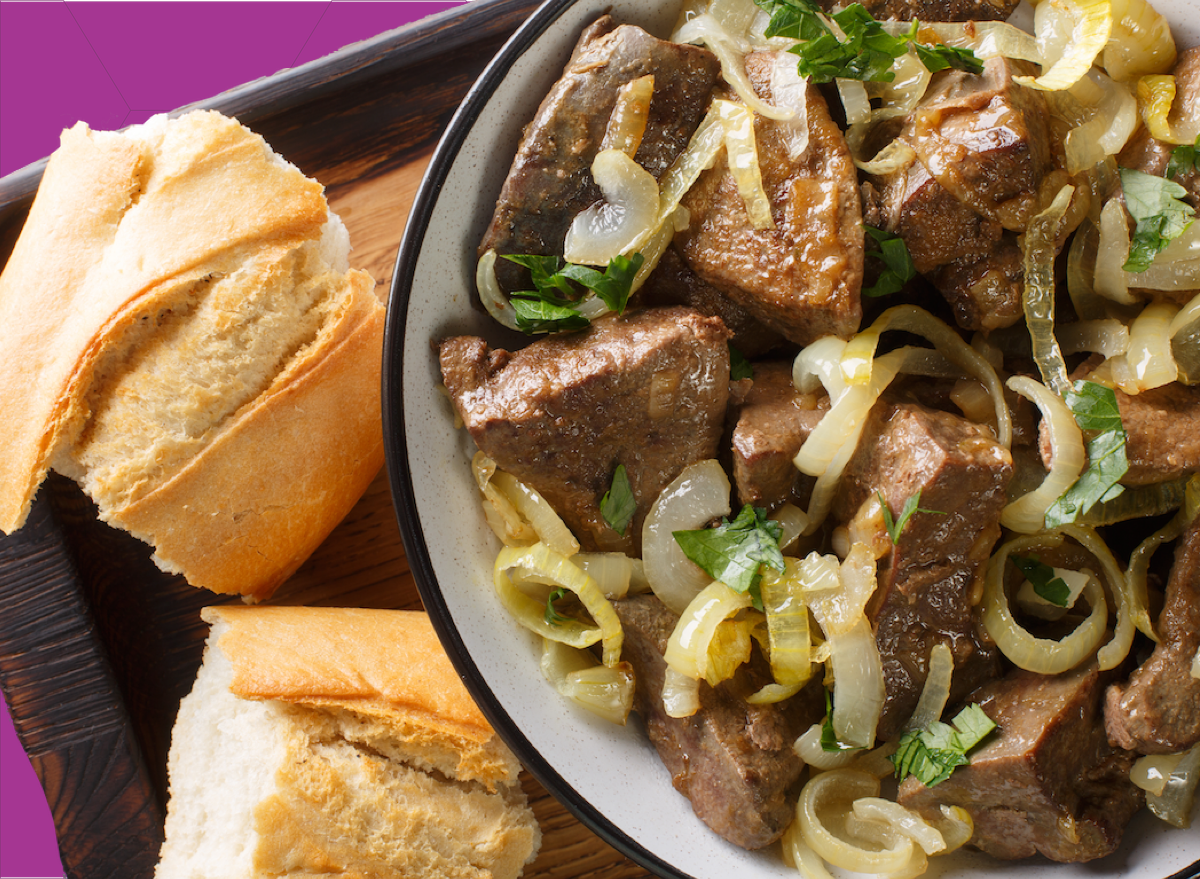
From a nutritional standpoint, liver is a powerhouse. It is exceptionally rich in iron, vitamin B12, vitamin A, folate, and other essential minerals, making it one of the most nutrient-dense foods available. This robust nutritional profile further underscores its historical importance as a dietary staple, particularly in times when access to a wide variety of foods was limited. For health-conscious individuals who appreciate its benefits, or simply those who enjoy its unique earthy flavor, the search for a well-prepared plate of liver and onions remains a persistent quest.
Against this backdrop of evolving tastes and vanishing traditions, a handful of national restaurant chains have consciously chosen to maintain liver and onions on their offerings. These establishments often share a common thread: a commitment to classic American fare, a value-oriented approach, and a customer base that appreciates enduring comfort foods. Their decision to continue serving this dish is a strategic nod to customer loyalty and an acknowledgment of the strong emotional connection many patrons have with their menus.
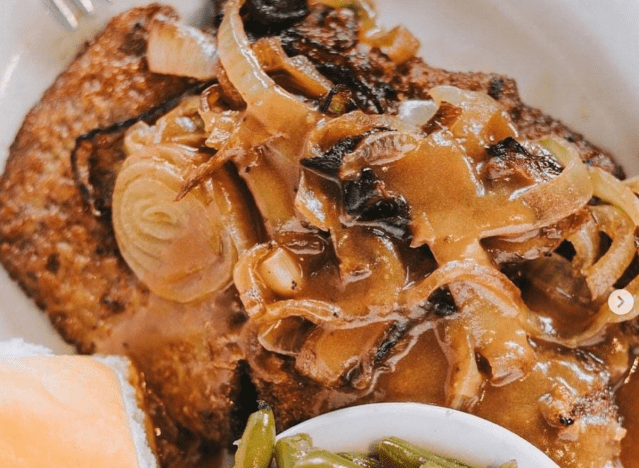
One such venerable institution is Luby’s Cafeteria. Hailing from Texas, Luby’s has cultivated a reputation for delivering traditional, homestyle American cuisine in a cafeteria-style setting since its inception. Their rendition of liver and onions is a celebrated menu item, featuring thinly sliced, lightly breaded beef liver, carefully pan-fried to achieve a tender interior and a subtly crisp exterior. This is then sumptuously topped with an abundance of sweet, sautéed onions, creating a harmonious blend of textures and flavors. For many regulars, it is not merely an entree but a signature offering, frequently incorporated into their popular "Luann" value meals, which allow diners to choose an entree with sides. The company itself has acknowledged the dish’s popularity, often engaging with customers on social media platforms where patrons enthusiastically share their devotion. Feedback from diners consistently highlights the dish’s quality and the challenge of replicating its distinctive taste at home, solidifying Luby’s position as a premier destination for this classic. Testimonials frequently convey sentiments of profound satisfaction and nostalgic comfort, underscoring the deep connection between the dish and its appreciative audience.
Similarly, Piccadilly Cafeteria, another long-standing establishment primarily serving the Southern United States, upholds the tradition of offering this beloved dish. Known for its expansive selection of Southern comfort food and daily specials, Piccadilly ensures that liver and onions remains a consistent option for its clientele. Their preparation typically involves savory beef liver, often pan-seared or grilled, generously smothered in a rich, flavorful onion gravy. This hearty entree is a staple on their rotating menu, allowing patrons to anticipate its availability as part of their diverse homestyle selections. The commitment to this classic is a clear indicator of Piccadilly’s understanding of its customer base, many of whom are seeking familiar, well-prepared dishes that evoke a sense of culinary tradition. Online forums and social media discussions frequently feature customers praising Piccadilly’s version, affirming its status as a consistently satisfying choice for those seeking this particular comfort food.
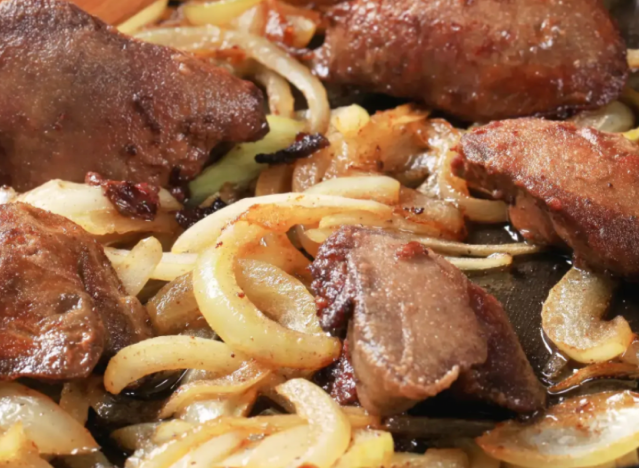
Venturing into the Midwest, MCL Restaurant & Bakery stands out as another champion of traditional American cooking. With roots stretching back decades, MCL has built its brand around providing freshly prepared, homemade-style meals in a casual dining environment. Their interpretation of liver and onions is a point of pride, celebrated as one of their original recipes. The dish features tender liver accompanied by deeply caramelized onions, a preparation that intensifies the sweetness of the onions and complements the richness of the liver. Recognizing its dedicated following, MCL often designates liver and onions as a weekly special, typically available on Thursdays, transforming it into an anticipated event for many patrons. The loyalty of these customers is remarkable, with some individuals reportedly traveling considerable distances to indulge in what they describe as an unparalleled culinary experience. Review platforms are replete with enthusiastic endorsements, with diners often using evocative language to describe the dish as "liver heaven" and praising its moistness, tenderness, and exceptional flavor.
Finally, the expansive buffet format of Golden Corral also provides a haven for liver and onions aficionados. As a national chain renowned for its vast array of American buffet classics, Golden Corral includes grilled liver and onions as part of its rotating hot food selection. This approach allows them to cater to a wide variety of tastes, including those who appreciate more traditional or less common dishes. The inclusion of liver and onions on a buffet means that diners can sample it alongside numerous other options, often leading to pleasant surprises for those who might not typically seek it out. Customer feedback highlights the quality of Golden Corral’s preparation, with many expressing astonishment at the tenderness and robust flavor of the grilled liver and its accompanying onions. For a chain of its scale, offering such a specific item on a rotating basis demonstrates a keen awareness of diverse customer preferences and a commitment to providing a comprehensive comfort food experience. Many diners have remarked on discovering a surprisingly excellent rendition of the dish at Golden Corral, further cementing its role in preserving this classic.
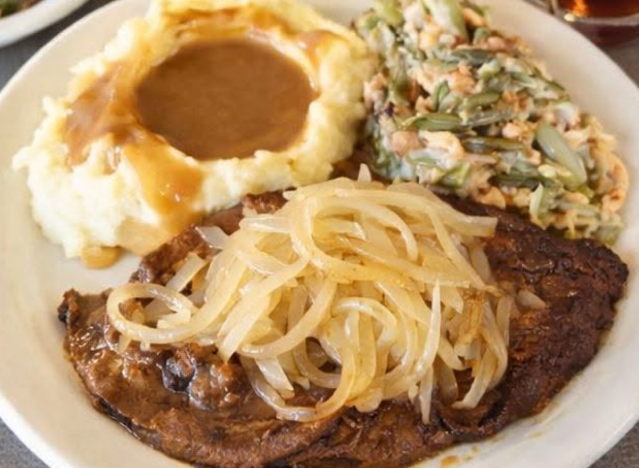
The continued presence of liver and onions on the menus of these national chains speaks volumes about the enduring power of culinary tradition and the unwavering loyalty of a particular demographic. In a dynamic food industry constantly chasing the next big trend, these restaurants represent bastions of consistency, offering a taste of the past that continues to resonate deeply with their patrons. Their commitment ensures that this iconic dish, despite its declining prevalence elsewhere, remains accessible, allowing new generations to discover its unique charm and devoted enthusiasts to reconnect with a cherished part of their culinary heritage. These establishments do more than just serve food; they preserve a piece of American dining history, one plate of liver and onions at a time.
About the Author