The universal appeal of a cold, sweet treat finds one of its most accessible expressions within the quick-service restaurant industry. From the iconic swirl atop a cone to elaborate blended concoctions, frozen desserts have become a staple offering, satisfying cravings across diverse demographics. However, the seemingly simple category of "soft serve" encompasses a fascinating spectrum of products, each distinguished by its composition, texture, and nomenclature. Understanding the subtle yet significant differences between traditional ice cream, soft serve, and frozen custard not only enriches the consumer experience but also highlights the ingenuity of food science and branding within the fast-food landscape. While many casually refer to all such offerings as "ice cream," regulatory definitions, particularly from the United States Department of Agriculture (USDA) and the Food and Drug Administration (FDA), draw clear lines based on milkfat content, total solids, and the presence of specific ingredients like egg yolks. These distinctions are crucial for manufacturers and, by extension, for the consumer’s informed choice.
Traditional ice cream, as defined by USDA standards, must contain a minimum of 10% milkfat and at least 1.6 pounds of total solids per gallon, weighing no less than 4.5 pounds per gallon. This composition contributes to its characteristic richness and dense texture. Soft serve, on the other hand, typically features a lower milkfat percentage, often between 3% and 6%, and a higher "overrun"—meaning more air is incorporated during freezing. This increased air content results in a lighter, smoother consistency and allows the product to be dispensed at a slightly warmer temperature, contributing to its "soft" appeal. Historically, some of these products were categorized as "ice milk" by the FDA, a classification that has since been eliminated, leading many companies to adopt broader terms like "frozen dairy dessert" for their offerings that don’t meet strict ice cream criteria. Frozen custard, a distinct and often revered category, elevates the game by incorporating egg yolks into its base, alongside milk, cream, and sugar. This addition imparts an unparalleled richness, density, and velvety texture, often with a lower overrun than even premium ice cream, and it is typically served at a temperature that maximizes flavor perception without numbing the taste buds.
The quick-service sector capitalizes on these varied dessert forms, offering convenient, consistent, and often nostalgic indulgences. For many, a fast-food frozen treat evokes childhood memories, representing an accessible moment of pleasure amidst busy lives. The consistent quality and familiar taste profiles offered by established chains cultivate a loyal customer base, transforming a simple dessert into a cherished part of their dining experience. The following establishments have earned a reputation among consumers for their exceptional frozen offerings, each presenting a unique take on the beloved creamy delight.
Dairy Queen: A Legacy of Soft Swirl Innovation
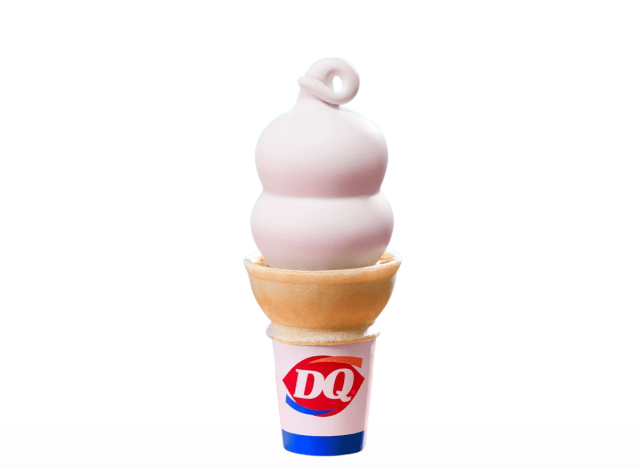
Dairy Queen stands as a venerable institution in the realm of frozen treats, recognized globally for its distinctive soft serve. While deeply ingrained in the public consciousness as an "ice cream" purveyor, the company has historically been transparent about the technical classification of its signature product. For decades, Dairy Queen’s soft serve was categorized as "ice milk" due to its lower milkfat content compared to the USDA’s minimum standard for ice cream. This distinction became less relevant following the FDA’s decision to discontinue the "ice milk" designation, prompting many such products to be referred to generically as "frozen dairy desserts." Despite these regulatory nuances, Dairy Queen’s specific formulation and unique freezing process yield a product with a texture and flavor profile that has become iconic. Its soft serve is celebrated for its smooth, light, and ethereal quality, forming the foundation for a vast array of menu items, from simple cones to elaborate Blizzards, where mix-ins are blended directly into the frozen base. The brand’s commitment to this particular style has solidified its position as a primary destination for those seeking a reliably delicious and uniquely textured soft serve experience, a testament to its enduring appeal and consistent product delivery across its numerous locations.
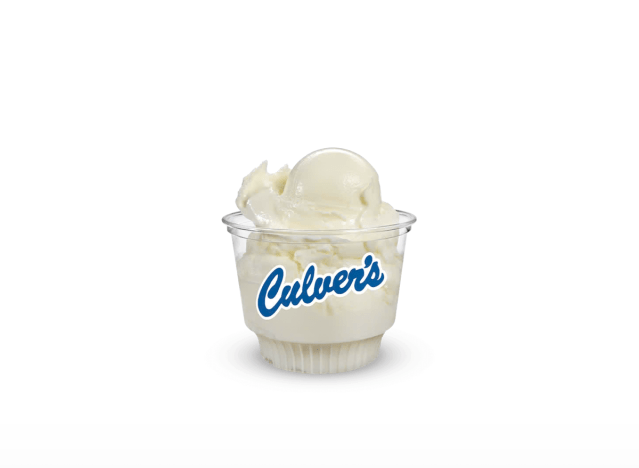
Culver’s: The Art of Fresh Frozen Custard
Emerging from the heartland, Culver’s has cultivated a devoted following for its fresh frozen custard, distinguishing itself through an unwavering commitment to quality ingredients and traditional preparation methods. Unlike standard soft serve or even many premium ice creams, Culver’s custard is characterized by its inclusion of egg yolks, which are fundamental to achieving its signature richness and unparalleled creamy consistency. The company proudly sources real dairy from American family farms, many of whom have maintained relationships with Culver’s for over three decades, underscoring a dedication to local agriculture and fresh components. The process of making Culver’s frozen custard involves slow-turning small batches throughout the day. This meticulous approach ensures that the product served to customers is always at its freshest, boasting a denser texture with less incorporated air than typical ice cream. Furthermore, Culver’s serves its custard at a slightly warmer temperature than conventional ice cream, a deliberate choice that prevents the palate from becoming overly chilled, thereby allowing the full depth and complexity of its rich flavors to be savored for a longer duration. This combination of superior ingredients, careful preparation, and thoughtful presentation firmly establishes Culver’s as a premier destination for authentic frozen custard aficionados.
Freddy’s Frozen Custard & Steakburgers: A Dual-Threat Delight
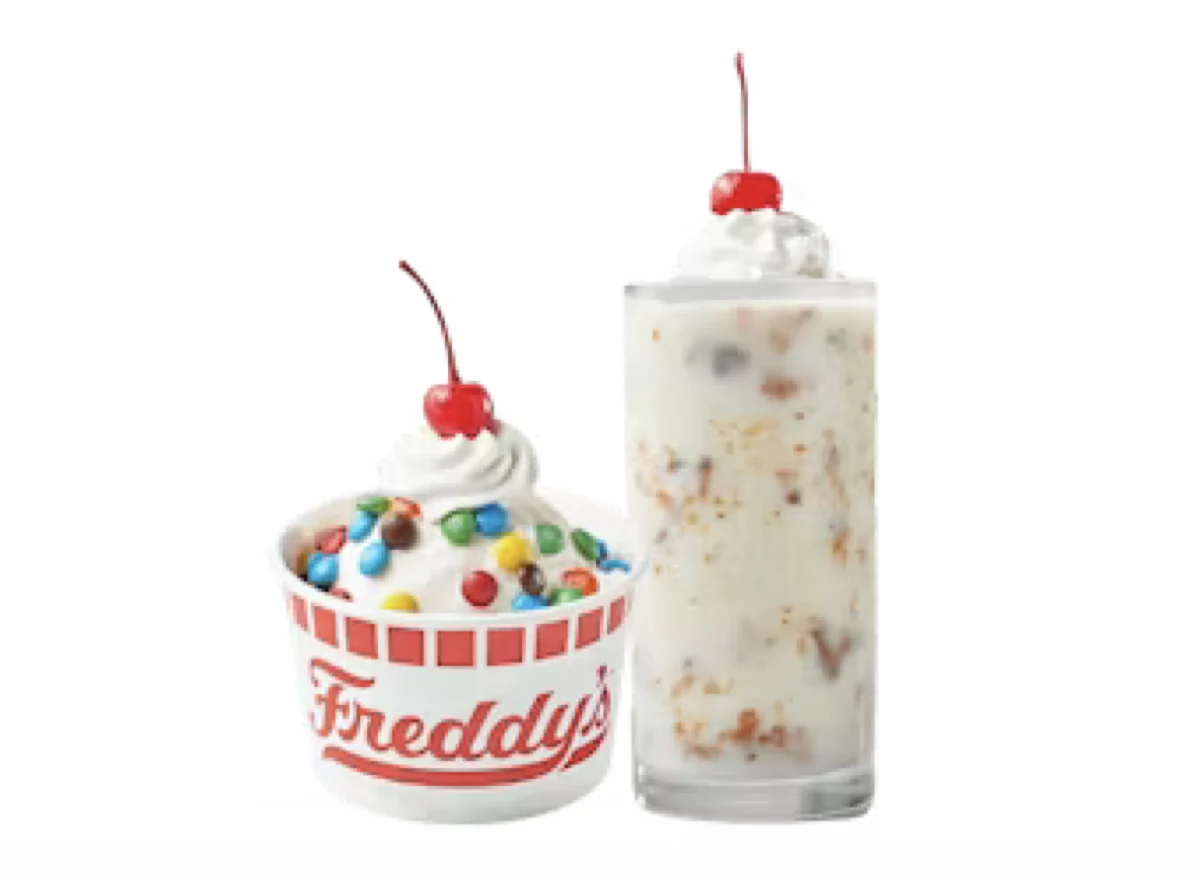
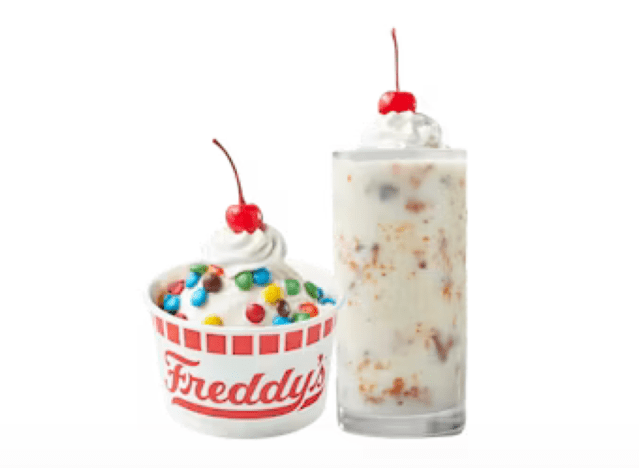
Freddy’s Frozen Custard & Steakburgers, a rapidly expanding chain, seamlessly blends a savory menu of steakburgers with a sweet counterpoint of rich frozen custard. Their approach to frozen custard mirrors the high standards set by other dedicated purveyors, emphasizing a recipe that includes milk, egg yolks, and sugar. This foundational trio is expertly processed to produce a dessert that is consistently described as exceptionally creamy and smooth. Freddy’s positions its frozen custard treats as a significant draw, acknowledging that the velvety decadence is often what initially captivates new patrons and ensures their return visits. The company articulates that the perfect combination and careful processing of these core ingredients are paramount to achieving the distinctive texture and taste that define their custard. Whether enjoyed in a classic cone, a sundae, or one of their signature concrete mixers, Freddy’s frozen custard offers a luxurious finish to a meal, solidifying its role as a key element of the brand’s identity and a celebrated indulgence among its customers.
McDonald’s: The Ubiquitous Vanilla Cone
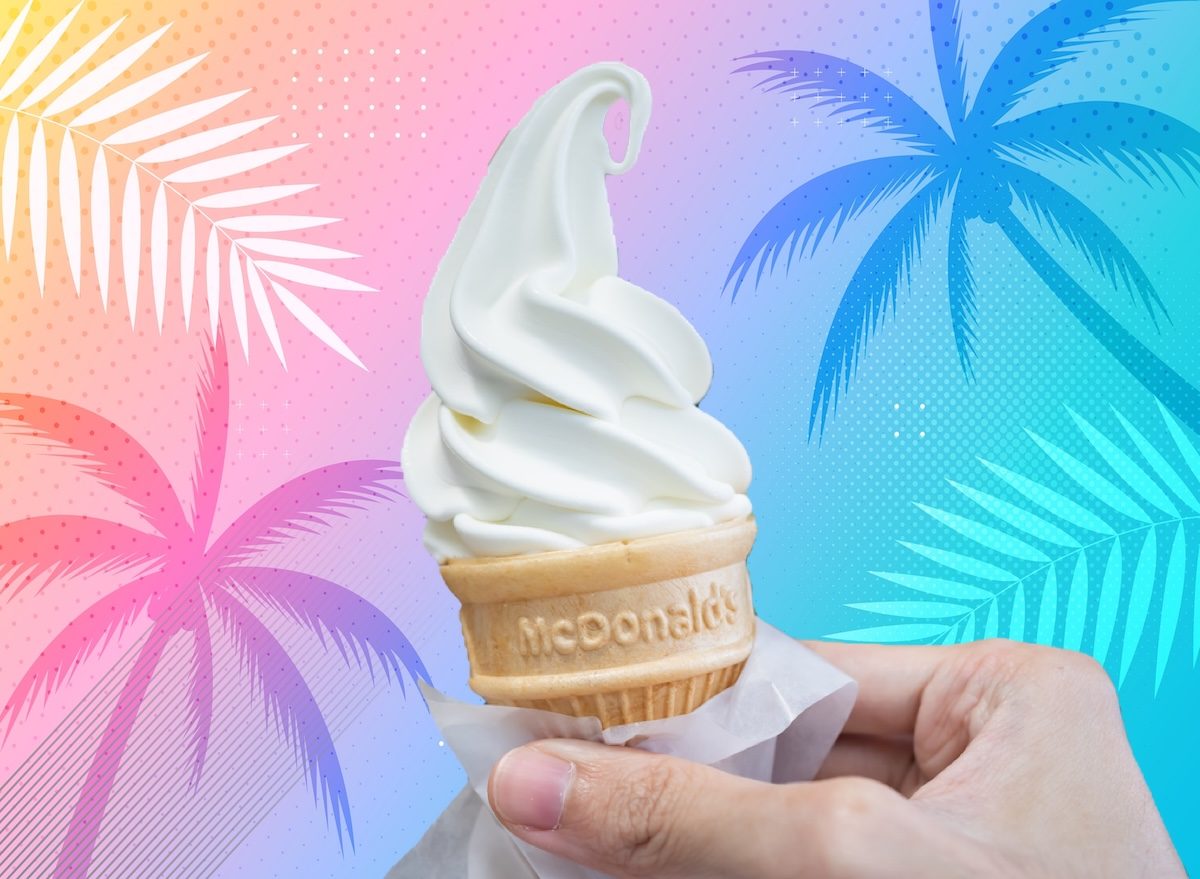
McDonald’s, a global titan of the fast-food industry, offers a soft serve product so ubiquitous it has achieved legendary status. Its "Vanilla Cone" is arguably one of the most recognized and widely consumed frozen treats worldwide. The simplicity of McDonald’s offering—creamy vanilla soft serve nestled in a crisp cone—belies a carefully formulated product designed for mass appeal and consistent delivery. The ingredient list for this iconic dessert typically includes milk, sugar, cream, corn syrup, and natural flavorings, alongside a blend of stabilizers such as mono and diglycerides, cellulose gum, guar gum, and carrageenan, often fortified with vitamin A palmitate. These stabilizers are crucial for maintaining the desired smooth texture, preventing ice crystal formation, and ensuring a consistent melt rate, which are vital characteristics for a product served across millions of transactions daily. Despite occasional challenges related to the maintenance of its specialized dispensing equipment, the McDonald’s vanilla cone remains a beloved, affordable, and readily available indulgence, representing a classic taste that transcends geographical and demographic boundaries. Its enduring popularity is a testament to the power of simplicity and accessibility in the quick-service dessert market.
Sonic Drive-In: A "Frozen Zone" of Customization
Sonic Drive-In distinguishes itself with its unique drive-in service model and an expansive "Frozen Zone" menu that goes far beyond basic soft serve. While its core offering is a classic soft serve base, Sonic leverages this foundation to create an impressive array of highly customizable desserts, from hand-mixed shakes to elaborate sundaes and blasts. The brand intentionally refrains from labeling its blended drinks as "milkshakes," opting instead for the more inclusive "shakes" to highlight the breadth of its offerings and perhaps to avoid strict dairy content classifications. This strategic naming convention underscores Sonic’s emphasis on variety and personalization. Consumers can enjoy a straightforward "Vanilla Cup," which is described as a creamy vanilla soft serve served simply in a cup, providing a pure taste of their base product. However, the true appeal lies in the extensive range of flavor combinations and add-ins available, allowing patrons to craft a dessert precisely to their liking. This focus on customization and an extensive, playful menu positions Sonic not just as a quick-service restaurant but as a versatile dessert destination, catering to a wide spectrum of sweet cravings through its innovative "Frozen Zone" concept.
Chick-fil-A: The Distinctive "Icedream" Experience
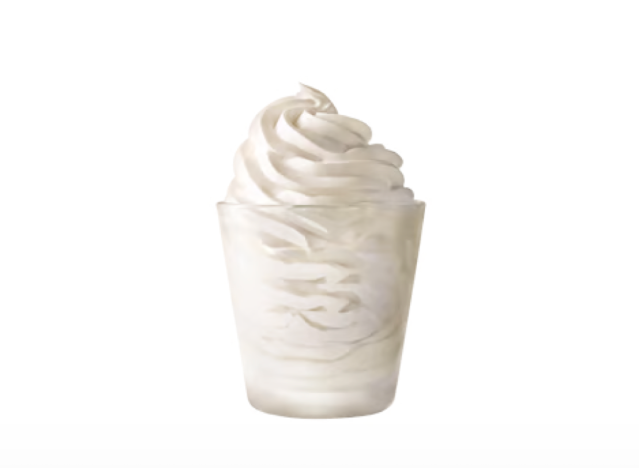
Chick-fil-A, renowned for its chicken sandwiches, also commands a loyal following for its signature frozen dessert, known as "Icedream." This product offers a distinct alternative to traditional ice cream or richer frozen custards, characterized by its relatively low butterfat content of just 3%. This places "Icedream" firmly within the category of a "frozen dairy treat" rather than qualifying it as conventional soft serve or ice cream, according to standard definitions. The main ingredients typically include milkfat and nonfat milk, sugar, natural and artificial flavors, and stabilizers such as mono and diglycerides, guar gum, and carrageenan, which act as thickeners to achieve its smooth consistency. Despite its lower fat profile, Chick-fil-A’s "Icedream" is celebrated for its "old-fashioned vanilla taste," appealing to those who prefer a lighter, yet still satisfying, sweet treat. From a nutritional perspective, an "Icedream Cone" offers a relatively modest 180 calories and 4 grams of fat per serving, including the cone, along with 4 grams of protein, according to the company’s website. This lighter, yet flavorful, profile aligns seamlessly with Chick-fil-A’s overall brand image, which often emphasizes perceived quality and a slightly more wholesome approach to fast food, making "Icedream" a popular and accessible dessert option for a broad customer base.
In conclusion, the fast-food industry’s frozen dessert landscape is a vibrant tapestry of textures, flavors, and unique compositions. From Dairy Queen’s foundational soft serve to Culver’s and Freddy’s rich frozen custards, McDonald’s universally recognized vanilla cone, Sonic’s customizable "Frozen Zone," and Chick-fil-A’s lighter "Icedream," each chain has carved out a distinct niche. These establishments not only provide convenient and affordable sweet treats but also showcase the diverse ways dairy-based desserts can be formulated and presented to capture the hearts—and palates—of millions. Consumer preference, driven by factors ranging from nostalgia and texture to specific flavor profiles and perceived nutritional value, continues to shape the success and evolution of these beloved quick-service indulgences.
About the Author