
For millions of consumers, a trip to Costco Wholesale represents an opportunity to secure exceptional value on bulk purchases, discover high-quality private label goods, and enjoy a curated shopping experience. The warehouse giant has cultivated a loyal membership base, largely due to its commitment to quality and competitive pricing, particularly with its proprietary Kirkland Signature brand. However, even within this highly regarded retail environment, some products fail to meet the elevated expectations of its discerning clientele. An extensive review of member feedback across various online platforms and direct customer reviews reveals a consistent pattern of dissatisfaction regarding specific items, highlighting that not every bulk buy proves to be a triumph. This analysis delves into seven products that, despite Costco’s general reputation, frequently fall short in terms of taste, quality, or overall value according to the very members who frequent its aisles.
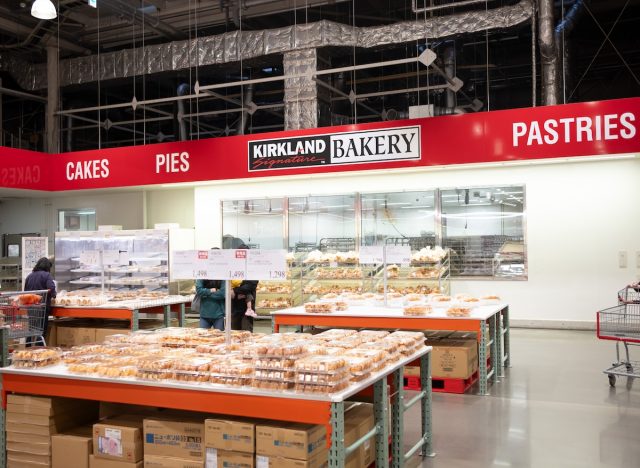
One category where a clear distinction emerges is packaged baked goods, particularly those sourced from external suppliers rather than Costco’s revered in-house bakery. While the fresh pastries, muffins, and cakes produced on-site often garner widespread acclaim, their pre-packaged counterparts frequently face criticism. Shoppers describe items such as individually wrapped crepes as possessing an unappetious "staleness" and an "unusual flavor profile." This suggests a disconnect between the freshness associated with bakery items and the realities of mass-produced, shelf-stable options. The expectation for baked goods, even those pre-packaged, is often tied to a perception of freshness that these particular items seemingly struggle to deliver, leading to a sense of disappointment among those accustomed to the superior quality of Costco’s internal offerings. The challenge for retailers lies in maintaining consistent quality across a vast array of products, especially when some categories inherently suffer from the compromises of extended shelf life and large-scale distribution.
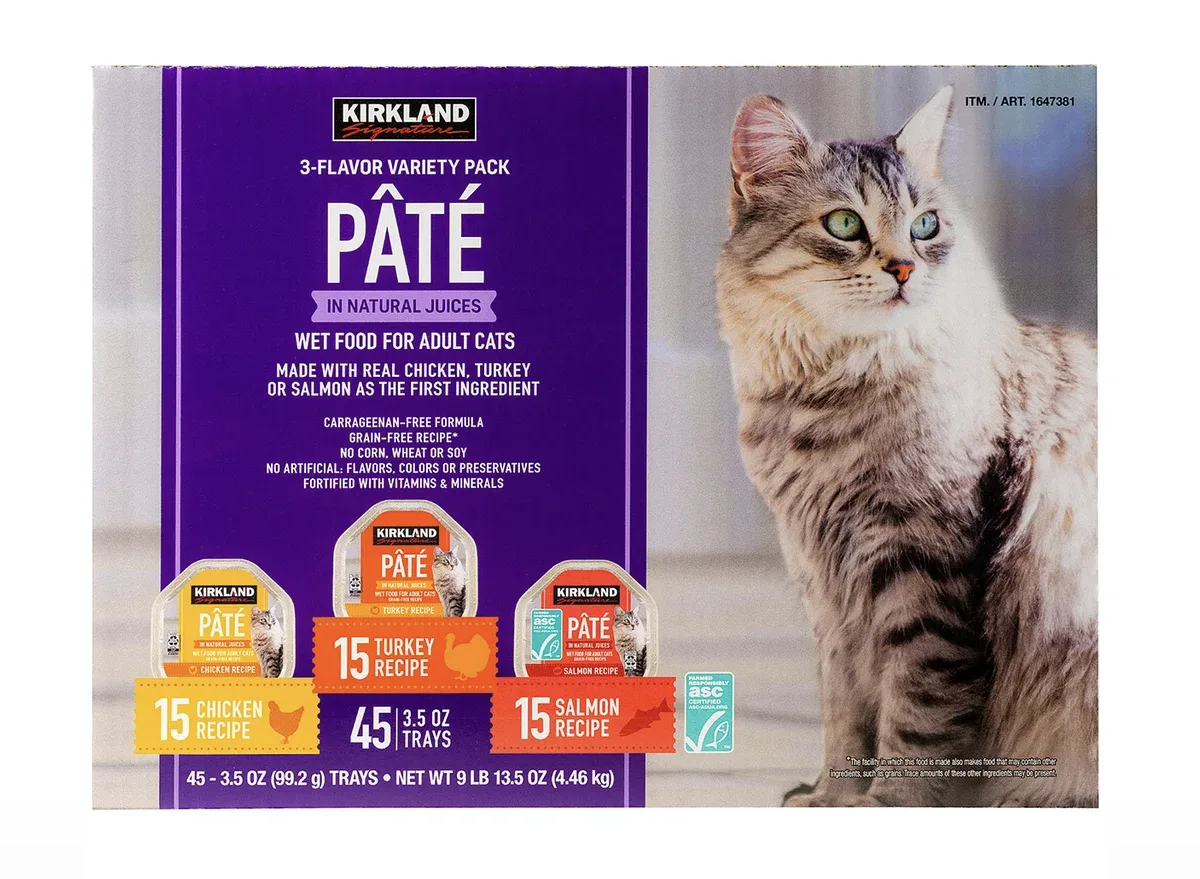
Moving into the pet care section, the Kirkland Signature Pate Cat Food has emerged as a surprisingly unpopular choice among feline owners. The Kirkland Signature brand typically enjoys a strong reputation for offering premium quality at an accessible price point, often rivaling national brands. Yet, this particular cat food formulation has drawn significant negative commentary, with owners reporting that their pets, even those known for being less selective, simply refuse to consume it. Instances where even community-fed stray cats reportedly turned their noses up at the offering underscore a profound issue with its palatability. This feedback highlights the critical importance of taste and texture in pet nutrition, where a product, regardless of its nutritional claims or cost-effectiveness, is deemed a failure if animals will not eat it. For many pet parents, investing in bulk pet food is a strategy to save money and ensure a consistent supply, making a product rejection by their furry companions particularly frustrating and wasteful.
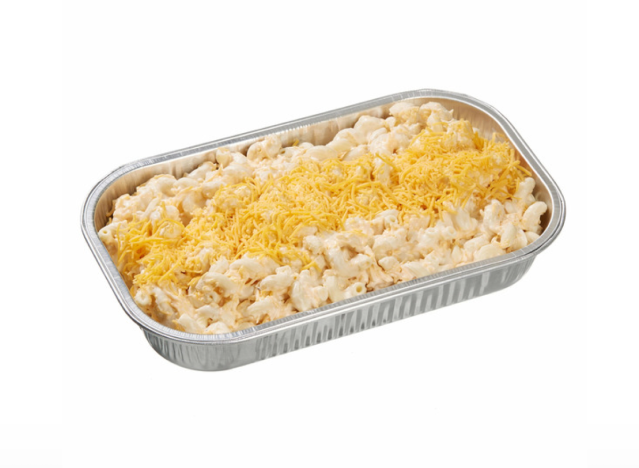
The prepared meal section, a popular destination for busy households seeking convenient dinner solutions, also features items that have seen a decline in favorability. The Kirkland Signature Mac and Cheese is one such product. Once praised for its rich, comforting qualities, recent iterations have prompted members to voice concerns about a noticeable dip in quality. Critics describe the cheese as having an "artificial" or "plastic-like" texture that resists proper cleaning from dishes, suggesting a formulation that prioritizes shelf stability or cost over authentic dairy characteristics. This feedback points to a broader trend where prepared foods, while offering convenience, can sometimes compromise on the genuine flavors and textures that consumers expect from classic dishes. For a brand as trusted as Kirkland Signature, a perceived decline in the quality of a staple comfort food can significantly erode customer loyalty and perception of value.
Similarly, the Kirkland Signature Chicken Alfredo with Penne Pasta, another convenient deli offering, has garnered adverse reactions. Shoppers lament that what was once a dependable and tasty meal option has inexplicably deteriorated in flavor. Personal accounts reveal experiences where the dish, prepared in-store and sold in the refrigerated section, delivered an "unpleasant taste" that led to a vow of non-repurchase. The expectation for such ready-to-heat meals is straightforward: consistent, enjoyable flavor and reasonable quality. When these fundamental criteria are not met, the convenience factor alone cannot compensate for a subpar culinary experience. This highlights the delicate balance food manufacturers and retailers must strike between efficiency in production and maintaining a desirable product standard, especially when consumer memories of a superior past version influence current perceptions.
Seasonal items, often a highlight of the Costco shopping calendar, are not immune to critical assessment. The Kirkland Signature Pumpkin Pie, a massive and often inexpensive holiday staple, has surprisingly faced significant disapproval from a segment of the membership. While its price point and sheer size are often lauded, some individuals express profound disappointment with its sensory attributes. Complaints range from an "underbaked, mushy, and soggy" texture to a filling described as "tasteless" and lacking the characteristic spices expected in a pumpkin pie. This feedback suggests that while value in terms of quantity and price is undeniable, it does not always translate into a satisfying gastronomic experience. For a product that holds such cultural significance during festive seasons, failing to deliver on traditional flavor and texture expectations can be a notable drawback, even if the price is compelling.
Another prepared meal that struggles with consistency is the Kirkland Signature Chicken Pot Pie. While a classic comfort food, this iteration frequently draws criticism for its excessive sodium content. Members describe the dish as "virtually inedible due to being so salty," with some even reporting a "tingling sensation" in their lips after consumption, indicative of an unpleasantly high salt level. Such an imbalance in seasoning not only detracts from the overall enjoyment of the meal but can also raise health concerns for some consumers. The challenge of mass-producing recipes while ensuring consistent flavor profiles and managing ingredient levels like sodium, especially in large formats, is complex. However, repeated complaints about this specific issue suggest a systemic problem that affects the desirability of an otherwise appealing convenience food.
Finally, a notable outlier among the list of less-favored items is the Gordon Ramsay Beef Wellington Bites. This product, bearing the name of a globally renowned chef, inherently sets a high bar for quality and culinary execution. However, Costco shoppers have frequently expressed disappointment, finding that these frozen appetizers fall short of the elevated expectations associated with the Gordon Ramsay brand. Common criticisms include an "incredibly salty" taste, similar to the chicken pot pie, and a tendency for the bites to "turn into a puddle" during cooking, regardless of adherence to instructions. This suggests issues with both flavor balance and structural integrity, crucial elements for a premium appetizer. The reception to these bites underscores consumer skepticism regarding celebrity-endorsed mass-market food products, especially when the end result fails to reflect the culinary excellence implied by the brand name. It highlights the difficulty in translating high-end cuisine into a convenient, freezer-to-oven format without significant compromises in quality and authenticity.
In conclusion, while Costco remains a retail powerhouse celebrated for its diverse product range and compelling value proposition, these seven items represent a segment where member satisfaction consistently falters. The feedback from the Costco community, rich with detailed observations and comparisons, serves as a vital barometer for both consumers seeking informed purchasing decisions and for the retailer aiming to refine its product offerings. It reinforces the notion that even for a brand as universally admired as Costco and its Kirkland Signature line, not every product achieves the desired balance of quality, taste, and value, reminding shoppers to exercise discernment even amidst the allure of bulk savings.
About the Author










