As individuals navigate the natural progression of aging, the preservation of physical independence and overall quality of life becomes paramount. A key component of this sustained autonomy lies in robust muscular strength and endurance, particularly within the hip and pelvic region. The human body undergoes various physiological changes over decades, including a gradual decline in muscle mass and strength, a phenomenon known as sarcopenia. This age-related reduction in muscle tissue can significantly impact balance, gait, and the ability to perform everyday activities, elevating the risk of falls and diminishing functional capacity. Understanding and addressing this decline through targeted assessment and exercise is crucial for promoting healthy longevity.
The musculature surrounding the hips and pelvis forms the bedrock of human movement and stability. This intricate network comprises the powerful gluteal muscles (gluteus maximus, medius, and minimus), the hamstrings, and a host of deeper stabilizers that work in concert with the core. Together, these muscle groups facilitate essential actions such as walking, climbing stairs, standing from a seated position, and maintaining equilibrium. Their collective strength and endurance are fundamental not only for dynamic movements but also for resisting external forces and recovering from unexpected shifts in balance. For older adults, the integrity of this system directly translates into the confidence to move freely and the resilience to prevent debilitating injuries.
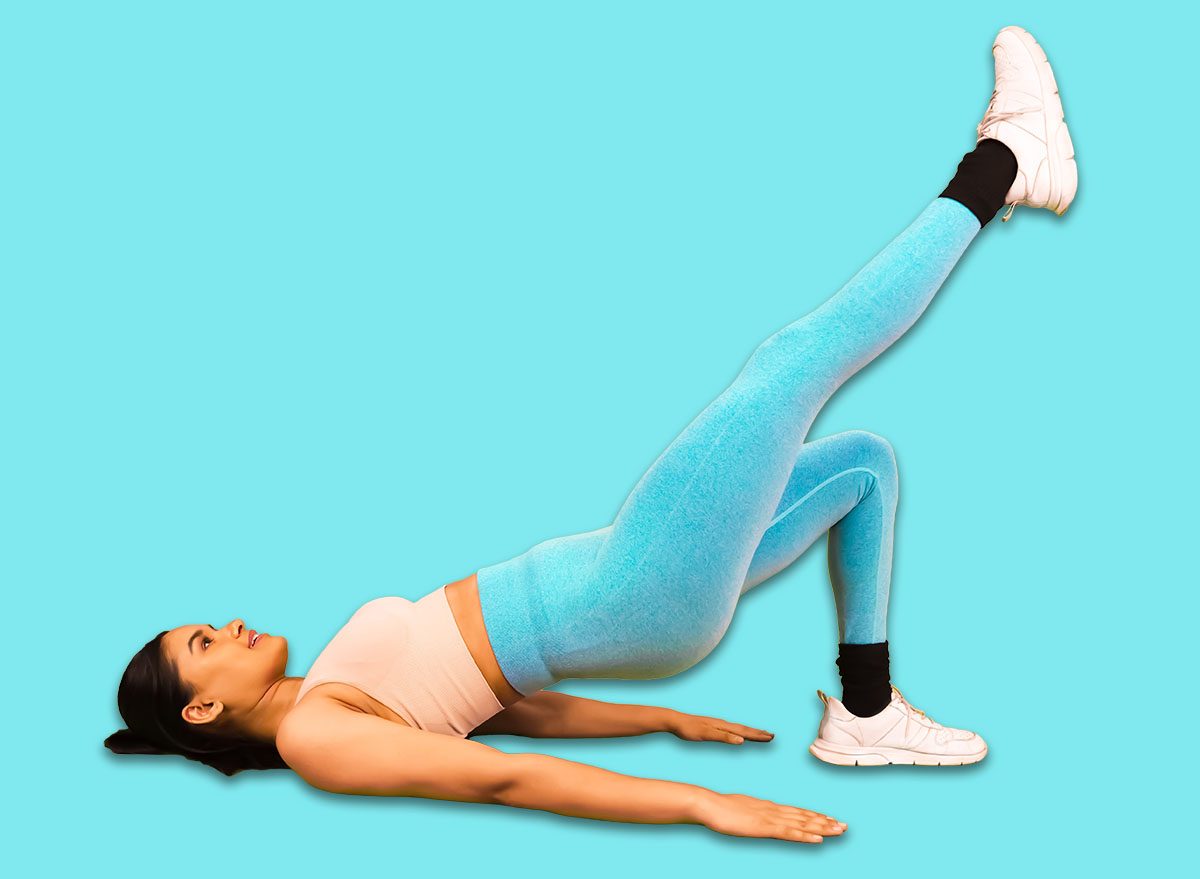
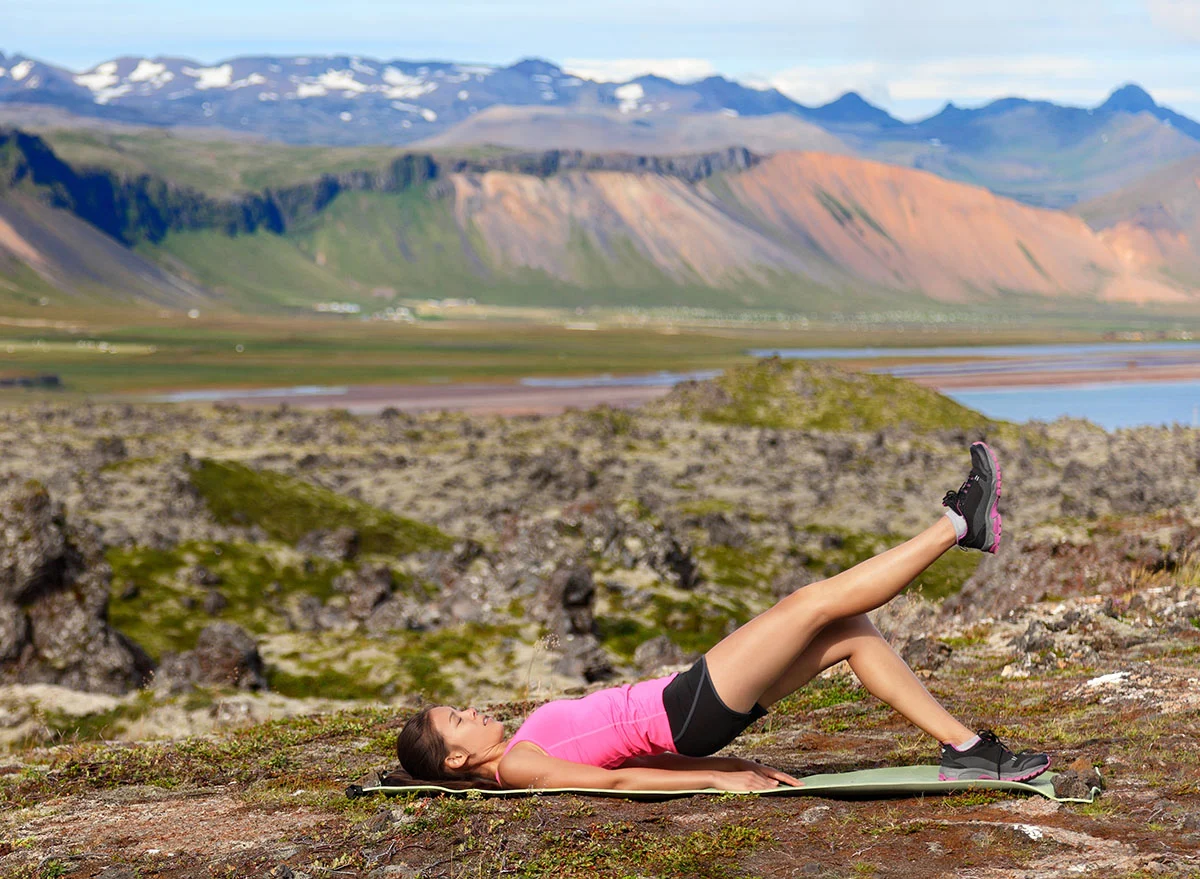
Among the various methods for evaluating lower body strength, a particular exercise stands out for its simplicity and diagnostic value: the single-leg bridge hold. This unilateral movement effectively isolates and challenges the posterior chain and pelvic stabilizers on one side of the body, providing clear insight into an individual’s muscular endurance in these critical areas. Unlike assessments requiring specialized equipment or extensive space, the single-leg bridge can be performed virtually anywhere, making it an accessible and practical tool for self-monitoring physical capability. It demands sustained tension from the glutes, hamstrings, and core, mimicking the unilateral demands of walking and maintaining balance during dynamic tasks.
The significance of maintaining strong hip musculature is not merely anecdotal but firmly supported by scientific investigation. A compelling study published in PLOS One in 2024 meticulously tracked community-dwelling older adults over a twelve-month period. The findings revealed a statistically significant correlation between greater hip abductor strength—muscles primarily responsible for moving the leg away from the body’s midline—and a substantially reduced likelihood of experiencing falls. This research underscores the role of hip strength as a vital protective factor against one of the most common and serious health threats facing the elderly population. Falls can lead to fractures, head injuries, and a cascade of negative health outcomes, including prolonged hospitalization, loss of independence, and even increased mortality. By identifying a direct link between specific muscle strength and fall prevention, this study provides a powerful impetus for incorporating targeted hip-strengthening exercises into wellness routines for seniors.
According to certified personal trainer James Brady of OriGym, achieving a controlled single-leg bridge hold for approximately 30 seconds on each side post-age 60 represents a robust demonstration of hip and posterior chain endurance. While the original assertion of this benchmark placing an individual "stronger than 90% of peers" may lack precise scientific validation through established age-specific percentile rankings, Brady clarifies that such a duration signifies excellent muscular stamina. He emphasizes that this 30-second duration should be viewed as a commendable personal goal and a strong indicator of functional fitness rather than an exact comparative statistic. It serves as a valuable internal benchmark for gauging individual progress and overall physical preparedness for the demands of daily life.
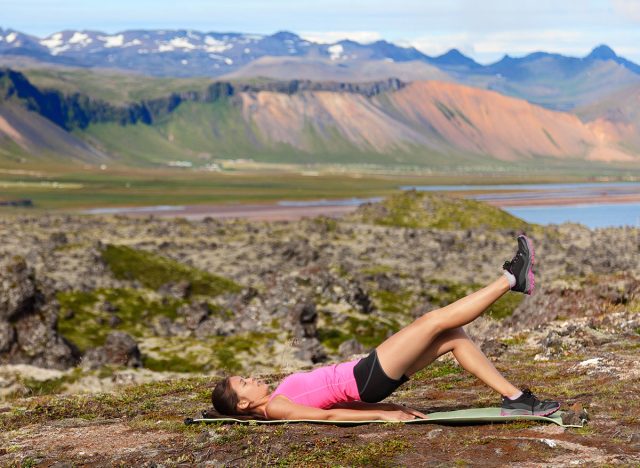
To perform the single-leg bridge hold effectively and safely, meticulous attention to form is paramount. The objective is to maintain a stable and elevated hip position, engaging the target muscles without compensating with other body parts. Brady stresses that the exercise should conclude not when a specific time target is reached, but when the individual can no longer sustain proper alignment. The moment the hips begin to sag, tilt, or drift out of a level plane, it signals that the supporting muscles have reached their point of fatigue, and the hold should cease. Prioritizing control over duration ensures that the intended muscle groups are adequately challenged and minimizes the risk of injury.
Executing the Single-Leg Bridge Hold:
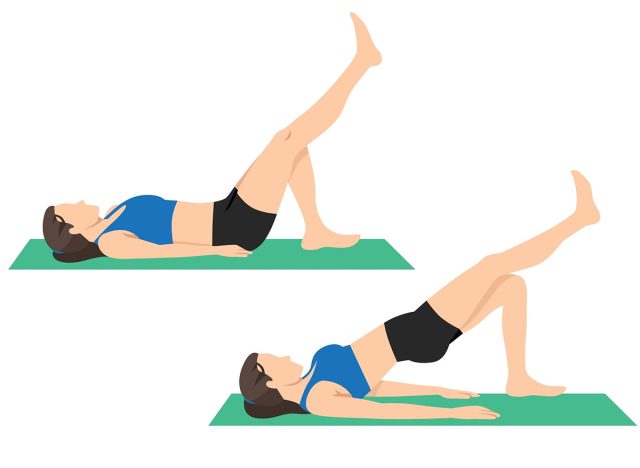
- Starting Position: Begin by lying flat on your back on a comfortable surface, such as a yoga mat. Bend both knees, placing your feet flat on the floor, roughly hip-width apart, with your heels positioned a few inches from your glutes. Ensure your arms rest comfortably at your sides, palms down, providing additional stability.
- Engage the Core and Lift Hips: Take a deep breath, brace your abdominal muscles, and press your lower back gently into the floor. As you exhale, powerfully engage your glutes and hamstrings to lift your hips off the ground. Continue lifting until your body forms a straight, diagonal line from your shoulders through your hips to your knees. Avoid arching your lower back excessively; the power should come from your posterior chain.
- Initiate Single-Leg Lift: Once your hips are fully elevated and stable, carefully lift one leg off the floor. Extend this leg straight up towards the ceiling, or keep the knee bent at a 90-degree angle, whichever feels more stable. The critical point is to maintain a perfectly level pelvis, preventing it from dropping or tilting to one side. The glutes and hamstrings of the standing leg should be actively engaged, working to stabilize the entire structure.
- Hold and Focus: Sustain this single-leg elevated position for as long as possible while strictly maintaining proper form. Concentrate on keeping the hips squared and high, resisting any tendency for them to drop. Breathe steadily throughout the hold.
- Return and Repeat: When your form begins to falter—indicated by hip drop, instability, or discomfort—gently lower the lifted leg back to the floor, followed by lowering your hips to the starting position. Rest briefly, then repeat the process on the opposite side. Record the duration of each controlled hold.
The insights gained from performing this simple test extend beyond mere bragging rights; they offer crucial information about an individual’s functional readiness. The ability to control the body’s mass on one leg for an extended period is a direct measure of muscular endurance in the glutes, hamstrings, and the deep muscles that stabilize the pelvis and spine. These muscles are not just for aesthetics; they are the unsung heroes of daily movement. Weakness in these areas can lead to a host of issues, including lower back pain, knee problems, and an increased propensity for gait abnormalities. For adults over 60, maintaining this strength is intrinsically linked to the ability to navigate uneven terrain, recover from a stumble, and perform activities requiring sustained balance, such as carrying groceries or gardening.
Should an individual’s hold time fall short of the 30-second benchmark, it should not be a cause for discouragement. Instead, it serves as a valuable baseline, a starting point from which improvement can be tracked and celebrated. The body is remarkably adaptable, and with consistent, targeted effort, muscular strength and endurance can be significantly enhanced at any age. Incorporating the single-leg bridge, alongside other exercises that strengthen the hips, glutes, and core, into a regular fitness regimen can yield substantial dividends. Retesting every few weeks provides tangible evidence of progress, motivating individuals to continue their journey toward improved physical resilience.
Ultimately, proactive engagement with physical fitness, particularly focusing on foundational strength in areas like the hips and core, is a powerful strategy for promoting healthy aging. Maintaining strong glutes and pelvic stabilizers fosters not only greater physical capability but also a profound sense of confidence and independence. It empowers individuals to continue enjoying an active lifestyle, participating in cherished hobbies, and navigating the world with reduced fear of falls and injury. The single-leg bridge hold, therefore, is more than just an exercise; it is a straightforward, potent indicator of one’s ongoing commitment to a vibrant and mobile future.
About the Author