
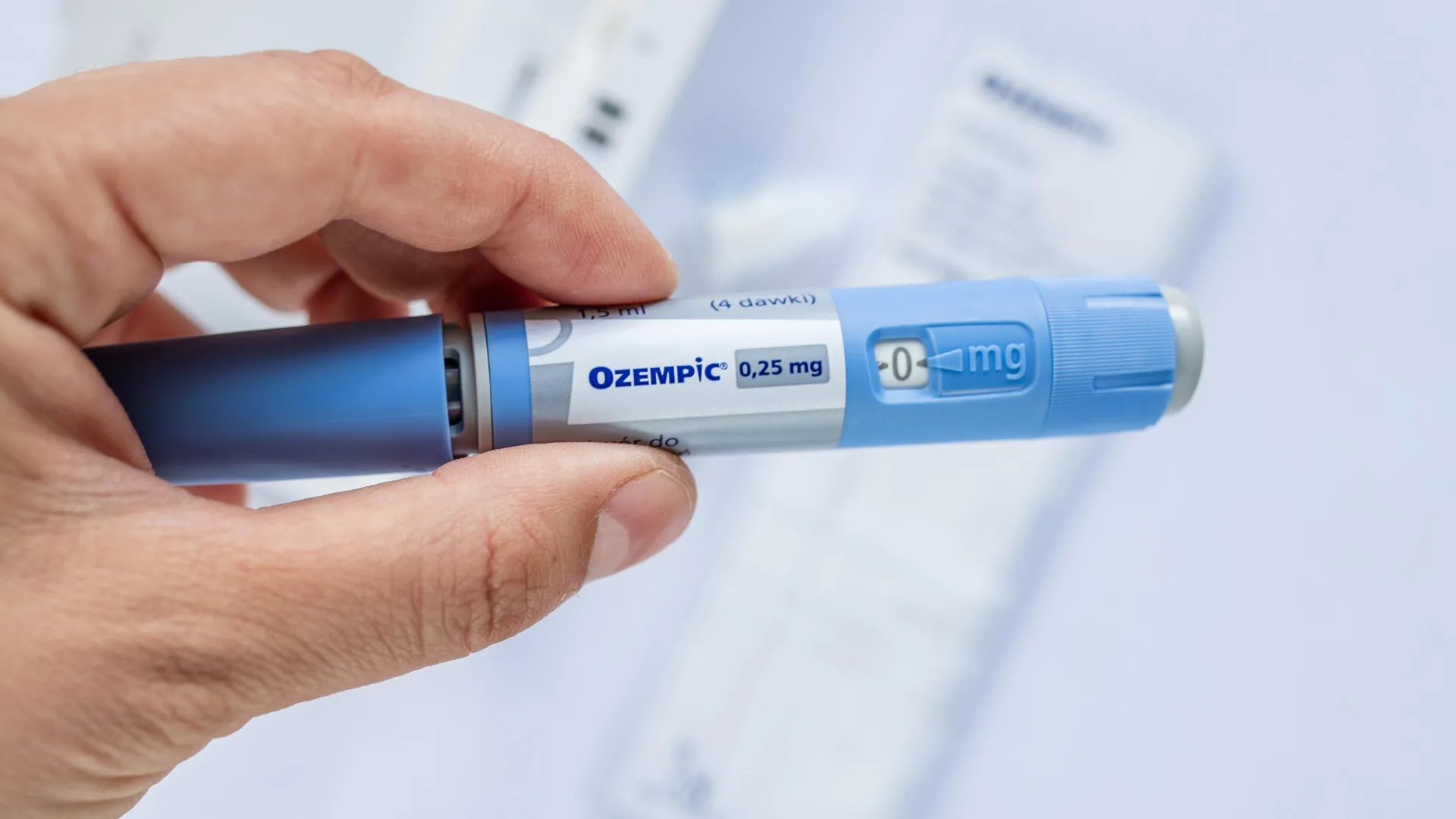
New research indicates that the significant cardiovascular advantages associated with GLP-1 receptor agonist medications, widely used for managing type 2 diabetes and promoting weight loss, may rapidly diminish upon discontinuation of treatment. A comprehensive study tracking a large cohort of U.S. veterans has revealed a concerning increase in the risk of major adverse cardiovascular events (MACE), including heart attack, stroke, and mortality, among patients who interrupt or cease their GLP-1 therapy. These findings underscore the critical importance of uninterrupted treatment for maintaining the heart-protective effects of these increasingly popular drugs.
GLP-1 receptor agonists, encompassing well-known medications such as semaglutide (marketed as Ozempic and Wegovy) and tirzepatide (known as Mounjaro and Zepbound), have revolutionized the therapeutic landscape for individuals grappling with type 2 diabetes and chronic obesity. Their efficacy in lowering blood glucose levels, facilitating substantial weight reduction, and demonstrating tangible benefits for cardiovascular health has led to their rapid and widespread adoption. Recent estimates suggest that approximately one in eight adults in the United States currently utilizes these medications, reflecting their profound impact on metabolic health management. While the positive effects on glycemic control and body weight are well-documented, a deeper understanding of the longevity of their cardiovascular benefits, particularly after treatment cessation, has been a growing area of scientific inquiry.
The impetus for this pivotal research stemmed from observations of high rates of treatment discontinuation among GLP-1 users. Dr. Ziyad Al-Aly, a clinical epidemiologist at Washington University School of Medicine in St. Louis and chief of the Research and Development Service at the VA Saint Louis Health Care System, noted the considerable enthusiasm surrounding the initiation of GLP-1 therapies, contrasted with a lack of attention given to the consequences of stopping them. He explained that many individuals discontinue treatment within months due to various factors, including financial burdens, bothersome side effects, or supply chain shortages. This trend raised critical questions about the fate of the hard-won cardiovascular protections once the medication regimen is interrupted.
To address this crucial knowledge gap, Dr. Al-Aly and his team embarked on a large-scale observational study, leveraging de-identified electronic health records from the extensive U.S. Department of Veterans Affairs healthcare system. Their investigation encompassed an impressive dataset of over 333,000 U.S. veterans diagnosed with type 2 diabetes, providing a robust foundation for analyzing long-term health outcomes. The study cohort was divided into two main groups: 132,551 individuals who had been prescribed GLP-1 receptor agonists and a comparison group of 201,136 patients who were receiving sulfonylureas, an alternative class of diabetes medications (such as glipizide, glimepiride, and glyburide). This design allowed researchers to assess the cardiovascular impact of GLP-1 therapy against a commonly used diabetes treatment, providing valuable comparative insights.
Participants in the study were meticulously followed for a period of up to three years. The researchers periodically reassessed each patient’s GLP-1 treatment status every six months, allowing for a dynamic understanding of adherence patterns. The analysis revealed that a significant proportion of GLP-1 users did not maintain continuous therapy: approximately 26% of patients discontinued the medication entirely during the study period, while another roughly 23% experienced a treatment hiatus lasting at least half a year before eventually resuming therapy. These patterns of interruption and cessation formed the basis for understanding how breaks in treatment might affect cardiovascular risk.
The primary outcome measured was the incidence of major adverse cardiovascular events (MACE), a composite endpoint that includes non-fatal myocardial infarction (heart attack), non-fatal stroke, and all-cause mortality. The findings, published in the esteemed journal BMJ Medicine, painted a clear picture: continuous, uninterrupted GLP-1 therapy conferred the most substantial cardiovascular benefits, while any deviation from this regimen was associated with a reduction or even a reversal of these protective effects.
Specifically, individuals who consistently remained on GLP-1 medications throughout the entire three-year study period demonstrated an impressive 18% lower risk of experiencing a major cardiovascular event compared to those in the sulfonylurea comparison group. To contextualize this statistically significant reduction, it translates to approximately four fewer major cardiovascular events for every 100 people over a three-year span. This highlights the potent and sustained protective capacity of GLP-1 agonists when taken as prescribed.
The research further elucidated that the duration of continuous GLP-1 treatment played a pivotal role in the extent of cardiovascular risk reduction. Patients who maintained continuous GLP-1 therapy for two years before stopping for the remainder of the study still observed a meaningful 7% reduction in risk. Similarly, those who continued for two and a half years before discontinuing experienced an even greater 15% reduction. However, a stark contrast emerged for those with shorter durations of continuous use: patients who ceased GLP-1 therapy before reaching 18 months of continuous treatment showed no statistically significant reduction in cardiovascular risk by the study’s conclusion, effectively nullifying any potential early gains compared to the sulfonylurea group.
Perhaps the most alarming finding was the rapid erosion of cardiovascular protection once GLP-1 therapy was discontinued. The study revealed that after a period of two years without GLP-1 treatment, the cumulative risk of heart attack, stroke, and death soared by up to 22% when compared to individuals who maintained continuous therapy. This significant rebound in risk effectively negated the heart-protective advantages accrued while the patients were actively taking the drugs.
Dr. Al-Aly termed this phenomenon "metabolic whiplash," emphasizing that the repercussions of stopping GLP-1s extend far beyond the commonly observed weight regain. He elaborated that cessation triggers a resurgence in key cardiovascular risk factors, including systemic inflammation, elevated blood pressure, and unfavorable cholesterol profiles. While weight regain is a visible and often disheartening consequence for patients, the metabolic reversal—the detrimental changes occurring internally—is largely invisible, yet profoundly impactful on heart health. "Our data suggest this metabolic whiplash is detrimental to heart health," Al-Aly stated, adding a cautionary note that "restarting the medication helped restore some protection, but only partially, showing that discontinuation leaves a lasting scar."
Even temporary interruptions in GLP-1 treatment proved to be detrimental. The analysis indicated that patients who temporarily stopped therapy and later resumed it experienced an average cardiovascular risk reduction of 12%, which, while still beneficial, was notably less than the 18% reduction observed in continuous users. Critically, even a relatively brief six-month interruption before restarting treatment was sufficient to weaken the overall cardiovascular benefit. Compared to continuous use, these treatment gaps were associated with a 4% to 8% increase in cardiovascular risk. The adverse effects of discontinuation escalated with longer periods off the medication: individuals who stopped GLP-1 treatment for one year without restarting faced a 14% higher risk of cardiovascular events compared to those with continuous use, a figure that climbed to 22% after two years off therapy. This pattern strongly suggests that the cardiovascular benefits accumulated over time during GLP-1 treatment can be lost with alarming rapidity once the medication is no longer taken.
These compelling findings carry profound implications for both patients and healthcare providers. They reinforce the paramount importance of continuous treatment adherence if the goal is to preserve and maximize the cardiovascular protective effects of GLP-1 therapy. Clinicians are urged to view adherence to GLP-1 treatment not as an ancillary consideration, but as a critical outcome in its own right. Dr. Al-Aly stressed the necessity for healthcare systems to develop robust strategies and infrastructure to support patients in continuing their medication indefinitely, recognizing that GLP-1s are treatments for chronic, lifelong conditions. This proactive approach should encompass comprehensive management of potential side effects, open and candid discussions with patients about the long-term nature of the treatment, the establishment of systems to identify and support individuals at risk of discontinuing therapy, and, critically, addressing the substantial cost barriers that often render GLP-1 therapy unsustainable for many patients.
The research also highlighted a crucial temporal asymmetry: while cardiovascular protection from GLP-1 treatment appears to accumulate gradually over time, it dissipates much more quickly upon cessation. For study participants, merely one year off the medication was enough to erode benefits that had taken years of consistent, continuous treatment to establish. Although restarting the drug offered some restoration of that vital protection, it was not a complete recovery, underscoring the irreversible nature of some of the lost benefits and the potential for a "lasting scar" on cardiovascular health.
This study, funded by the United States Department of Veterans Affairs, represents a significant contribution to the understanding of GLP-1 receptor agonists in real-world clinical practice. It provides invaluable data that will inform clinical guidelines, patient education, and health policy decisions regarding the long-term management of type 2 diabetes and obesity, with a particular focus on safeguarding cardiovascular health. The contents of this report do not, however, represent the official views of the US Department of Veterans Affairs or the US Government. The collective evidence strongly advocates for sustained engagement with GLP-1 therapies to ensure patients can fully realize and maintain the comprehensive health benefits these groundbreaking medications offer.
About the Author









