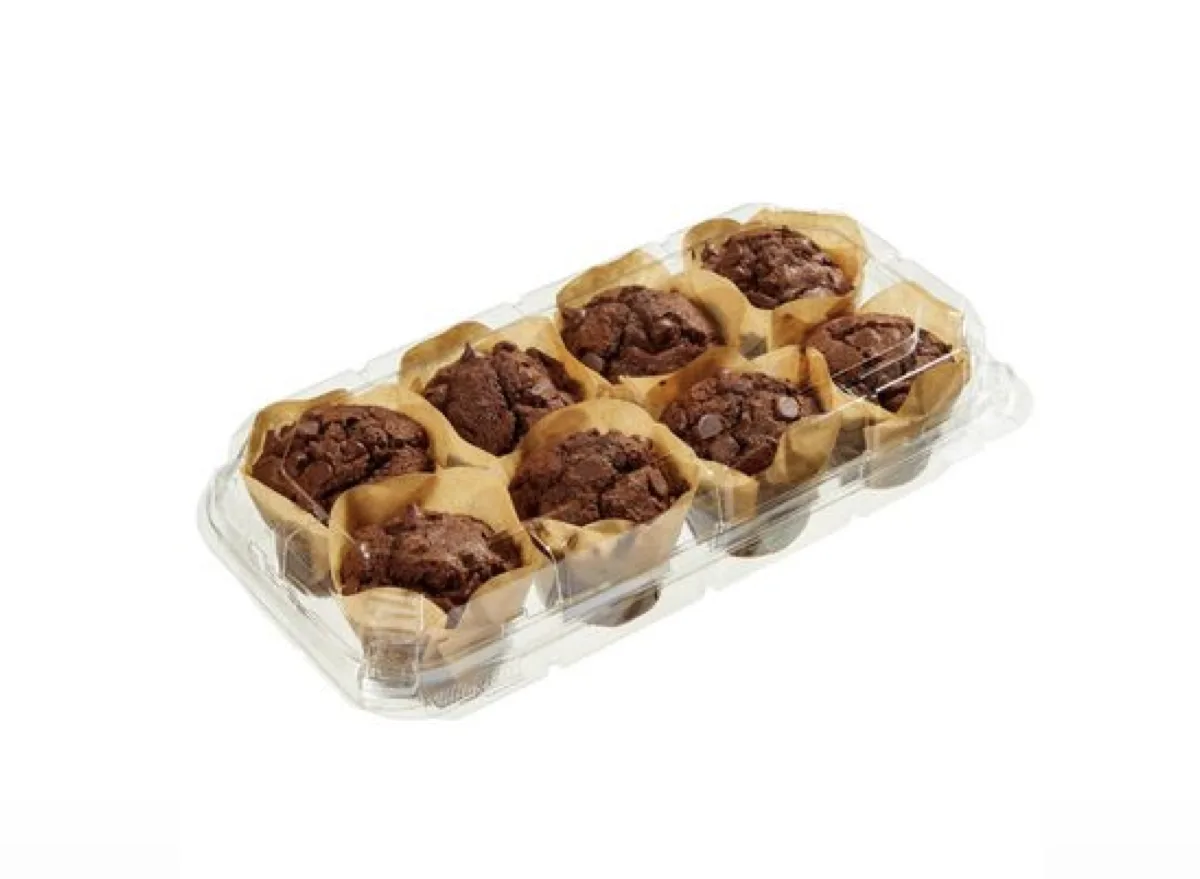
A wave of dissatisfaction has swept through the loyal customer base of Costco Wholesale Corporation following significant changes to its popular Kirkland Signature brand muffins. For years, the oversized bakery items were a staple for many shoppers, celebrated for their generous portions, palatable flavors, and exceptional value. However, recent alterations to both the recipe and the physical dimensions of these breakfast and snack favorites have ignited widespread complaints across various online platforms, leading many to express profound disappointment and even return the products for refunds.
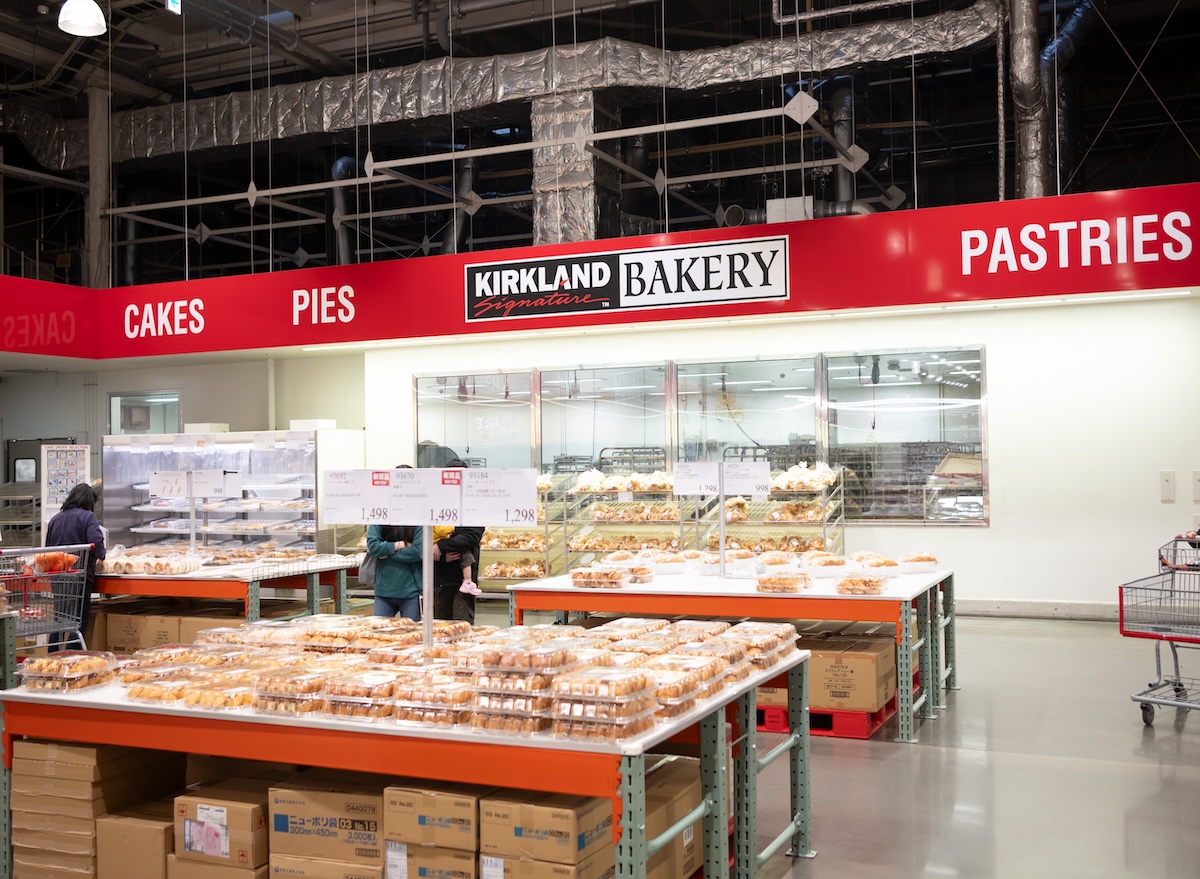
Costco’s bakery section is renowned for its diverse offerings, ranging from massive sheet cakes to artisanal breads and, crucially, its signature muffins. These products have historically played a vital role in enhancing the warehouse club’s appeal, contributing to its reputation for providing high-quality goods in bulk at competitive prices. The "Kirkland Signature" label itself has become synonymous with reliability and value, often fostering a deep sense of trust among members who expect a certain standard from the private label. This trust is now being tested as members articulate a clear preference for the previous iteration of the muffins.
The core of the issue centers on a perceived decline in quality and a reduction in size. Customers frequently recall the original jumbo muffins as moist, flavorful, and generously studded with ingredients like chocolate chips or plump blueberries. These attributes made them a convenient and satisfying option for family breakfasts, office potlucks, or simply as a comforting treat. The former formulation was particularly praised for its consistent texture and rich taste, which many felt justified the bulk purchase typical of Costco’s model. Freezing portions for later consumption was a common practice, a testament to their enduring appeal and utility.
However, the updated version of the Kirkland Signature muffins has been met with critical reviews. Shoppers report a noticeable decrease in size, which, when combined with an unchanged or minimally adjusted price point, translates into a diminished value proposition. Beyond the quantitative reduction, qualitative aspects have drawn the most severe criticism. The new muffins are frequently described as dense, dry, and lacking in flavor compared to their predecessors. Specific flavor combinations, such as lemon raspberry and cinnamon, which hold promise, are reported to "miss the mark by a lot," suggesting a fundamental flaw in the new recipe execution. The once-moist crumb has seemingly been replaced by a drier, less appealing consistency, alienating long-time devotees.
Online forums and social media platforms have become a primary outlet for this collective discontent. Reddit threads, in particular, are replete with detailed accounts from frustrated members. One user lamented the "dense, dry, and tasteless" nature of the new offerings, expressing sadness over the inability to continue a tradition of bringing packs of muffins as gifts to family visits. Another shopper recounted trying both the blueberry and chocolate varieties on different occasions, noting that both batches were uncharacteristically dry, regardless of baking date. This consistent feedback suggests a systemic change rather than isolated incidents of poor production.
Perhaps one of the most compelling indicators of the product’s decline comes from the youngest critics: children. Several parents have reported that their children, who previously enjoyed the original muffins, now refuse to eat the new ones. One account highlighted a household where even a "very hungry teenager" rejected the lemon blueberry and chocolate chip iterations, leading to the eventual disposal of the entire package. This anecdotal evidence underscores the severity of the taste and texture changes, as children’s palates are often considered a straightforward litmus test for universally appealing baked goods.
The financial aspect of the change also weighs heavily on consumer sentiment. While Costco is celebrated for its bulk savings, the perception of receiving a smaller, inferior product at a comparable price point has led to accusations of reduced value. Comments like "mini, double the price, ones" reflect a widespread feeling that the company has compromised its core offering. The sentiment is so strong that some members have taken direct action, leaving one-star reviews on public platforms like Google and articulating their belief that "Replacing large muffins with smaller more sugary muffins at the same price is a crime!" This strong language highlights a breach of perceived trust and a challenge to Costco’s established reputation for consumer-friendly pricing.
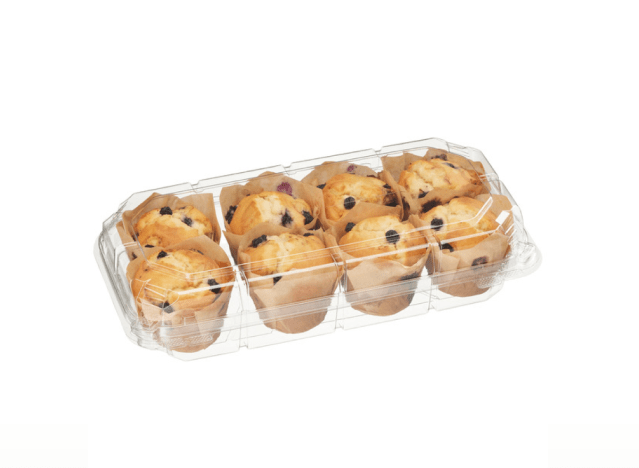
The ultimate expression of this dissatisfaction is the act of returning the muffins to the store for a refund. This decision, typically reserved for truly unsatisfactory purchases, signals a profound level of disappointment. One shopper recounted their fondness for the old version, which they would freeze and halve for later consumption, only to find the new ones so unpalatable that they sought a refund. This widespread return activity not only represents a loss of sales for Costco but also indicates a significant erosion of customer satisfaction and loyalty.
From a broader industry perspective, such product reformulations are not uncommon. Companies often undertake changes for a variety of reasons, including optimizing ingredient costs, streamlining supply chains, responding to evolving dietary trends, or refreshing product lines. However, when these changes impact a beloved item, particularly one from a private label like Kirkland Signature which carries significant brand equity, the potential for backlash is substantial. Consumers often develop emotional connections to familiar products, and altering them without maintaining or improving quality can lead to a sense of betrayal.
The challenge for Costco now lies in how it responds to this vocal segment of its membership. Maintaining brand loyalty and the integrity of the Kirkland Signature label is paramount to its business model, which relies heavily on repeat purchases and membership renewals. Ignoring the feedback risks alienating a significant portion of its dedicated customer base, who value the consistent quality and value propositions that define the Costco experience. The ongoing discourse surrounding the muffins serves as a stark reminder that even minor adjustments to popular products can have a disproportionately large impact on consumer perception and purchasing habits. For many, the message is clear: the new Kirkland Signature muffins are no longer the beloved bakery item they once were, prompting a definitive shift in shopping choices within the warehouse giant’s expansive aisles.
About the Author