
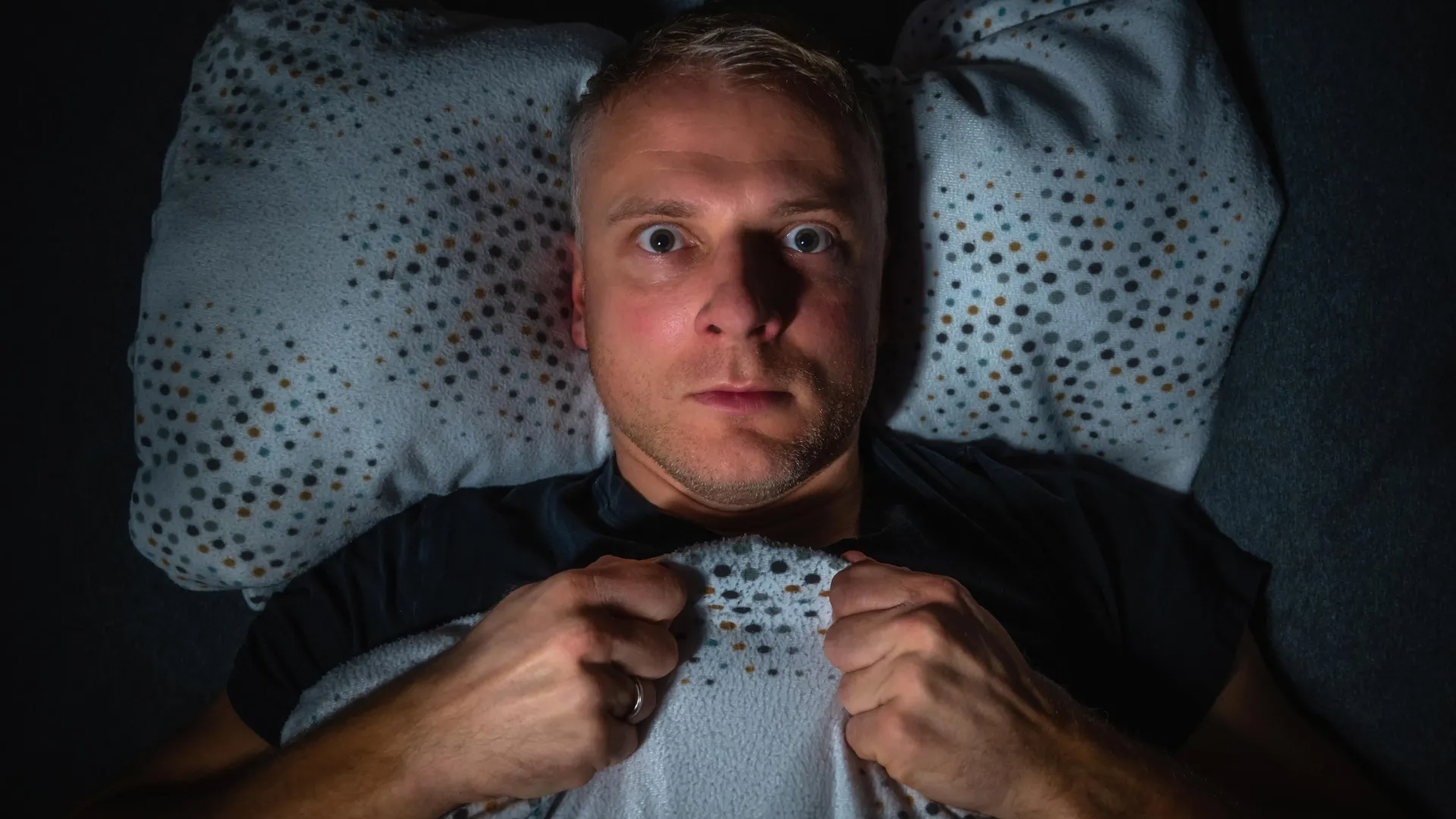
The debilitating impact of post-traumatic stress disorder (PTSD) often extends into the realm of sleep, manifesting as terrifying nocturnal visions that can leave individuals feeling as though they are reliving traumatic events. These recurrent nightmares, a hallmark symptom of PTSD, can profoundly disrupt sleep patterns, leading to chronic sleep deprivation and a pervasive fear of resting. For individuals grappling with the aftermath of experiences such as combat, severe accidents, or acts of violence, the inability to find solace in sleep exacerbates their overall suffering. Conventional pharmacological interventions have historically offered only marginal success in mitigating these distressing sleep disturbances, leaving a significant unmet need for effective treatments.
Recognizing this critical gap in care, researchers at Charité – Universitätsmedizin Berlin embarked on an investigation into the potential therapeutic benefits of a prescription medication containing tetrahydrocannabinol (THC), a primary psychoactive component of the cannabis plant. Their findings, recently published in the esteemed journal Nature Medicine, indicate a promising avenue for alleviating PTSD-related nightmares. The study demonstrated that a substantial proportion of participants experienced a positive response to the THC-based treatment, with a notable percentage reporting the complete cessation of their nightmares.
The inherent difficulty in treating trauma-induced nightmares stems from the complex neurobiological mechanisms underlying PTSD. Following exposure to overwhelming and life-threatening situations, the brain struggles to adequately process and integrate these distressing memories. Instead, these memories can become fragmented and hyper-aroused, leading to involuntary intrusions into conscious thought, particularly during sleep. The vivid and often graphic nature of these relived experiences during REM sleep can trigger intense fear and anxiety, resulting in sudden awakenings and a profound sense of distress. While certain antidepressants and blood pressure-lowering medications are sometimes prescribed to manage PTSD symptoms, their efficacy in directly addressing the nightmare component is frequently limited. Moreover, in countries like Germany, a specific medication approved solely for the treatment of trauma-related nightmares has not been widely available.
Professor Stefan Röpke, a leading expert in trauma-related disorders at the Department of Psychiatry and Neurosciences on the Benjamin Franklin Campus of Charité, spearheaded this research initiative. Driven by the pursuit of novel therapeutic strategies, Professor Röpke and his interdisciplinary team, collaborating with additional research partners, turned their attention to tetrahydrocannabinol (THC). As the principal psychoactive constituent of cannabis, THC has garnered increasing scientific interest for its potential to modulate various physiological and psychological processes.
THC exerts its effects by interacting with the body’s endocannabinoid system, a complex network of receptors and signaling molecules that plays a crucial role in regulating a wide array of bodily functions. This system is instrumental in governing sleep-wake cycles, managing stress responses, and influencing the consolidation and retrieval of emotional memories. Professor Röpke elaborated on the theoretical underpinnings of their approach, stating, "There is evidence suggesting that during REM sleep – the intense dream phases in which the brain processes experiences and regulates emotions – THC reduces dream activity and thereby alleviates nocturnal stress responses." This hypothesis posits that by dampening the intensity of dream content and the associated emotional arousal during REM sleep, THC could interrupt the cycle of trauma reenactment experienced by individuals with PTSD.
The therapeutic application of cannabis-derived compounds is not entirely novel, as such medicines are already employed in managing chronic pain, particularly in cases where conventional treatments prove insufficient or produce intolerable side effects. In Germany, the legal framework surrounding medical cannabis underwent a significant evolution with the enactment of the "Cannabis for medical purposes" law in 2017. This legislation broadened the scope for the medical and scientific utilization of cannabinoids, whether derived from natural sources or synthesized.
For their study, the research team utilized Dronabinol, a prescription pharmaceutical formulation that contains THC derived from the cannabis plant and is administered in liquid drop form. The primary objective was to ascertain the safety and efficacy of Dronabinol in reducing the frequency and severity of nightmares associated with PTSD.
The rigorous clinical trial involved over 170 participants diagnosed with PTSD and reporting frequent, severe nightmares. Over a ten-week period, participants were randomly assigned to receive either Dronabinol or an identically appearing, cannabis-flavored placebo. The medication or placebo was administered nightly, just prior to bedtime. Employing a double-blind, placebo-controlled design – widely regarded as the gold standard in clinical research – ensured that neither the participants nor the administering healthcare professionals were aware of which treatment was being received. This methodology is critical for minimizing bias and isolating the true effects of the intervention.
Upon completion of the ten-week study period, a significant reduction in nightmare severity was observed in the Dronabinol group compared to the placebo group. Participants receiving Dronabinol experienced an average decrease of 3.7 points on a nightmare severity scale ranging from zero to eight. In contrast, the placebo group reported an average reduction of 2.2 points. This statistically significant difference translated into a discernible improvement in the quality of life for individuals affected by these distressing nocturnal events.
Professor Röpke further detailed the profound impact of the treatment, stating, "More than a third of the patients treated with Dronabinol reported that they no longer experienced any nightmares after ten weeks. Another 21 percent reported that their nightmare burden had been at least halved." He added, "And about five out of six patients in the dronabinol group felt their health had markedly improved." These figures underscore the substantial benefit observed in a considerable portion of the study cohort.
Crucially, the research indicated that the cannabinoid appeared to exert its therapeutic effects primarily on nightmares and sleep quality, without significantly impacting other core symptoms of PTSD or associated depression. While the study could not definitively demonstrate a reduction in the overall severity of PTSD or comorbid depressive symptoms, the targeted relief of nightmares offered a substantial improvement in the well-being of many participants. By interrupting the cycle of nocturnal trauma reenactment, the Dronabinol treatment facilitated more peaceful and restorative sleep for a significant number of individuals.
The safety profile of Dronabinol in this study was also encouraging. No severe adverse events were reported. Mild to moderate side effects, such as dizziness, headaches, and increased appetite, were reported more frequently among those taking Dronabinol, but these were generally manageable. Furthermore, upon discontinuation of the medication at the study’s conclusion, researchers observed no evidence of withdrawal symptoms, suggesting a favorable tolerability profile.
Looking ahead, further research is warranted to explore the long-term safety and efficacy of Dronabinol for PTSD nightmares. Future studies aim to assess whether the therapeutic benefits are sustained with prolonged use and to investigate the potential for the development of tolerance over time.
This pioneering research was initiated and led by Charité, with significant contributions from scientists at the Psychiatric University Clinic of Charité at St. Hedwig Hospital, the University Medical Center Hamburg-Eppendorf, and the Central Institute for Mental Health in Mannheim. The project received support from Bionorica SE. The findings represent a significant step forward in understanding how cannabinoid-based therapies can address complex and often intractable symptoms associated with severe psychological trauma.
About the Author












