
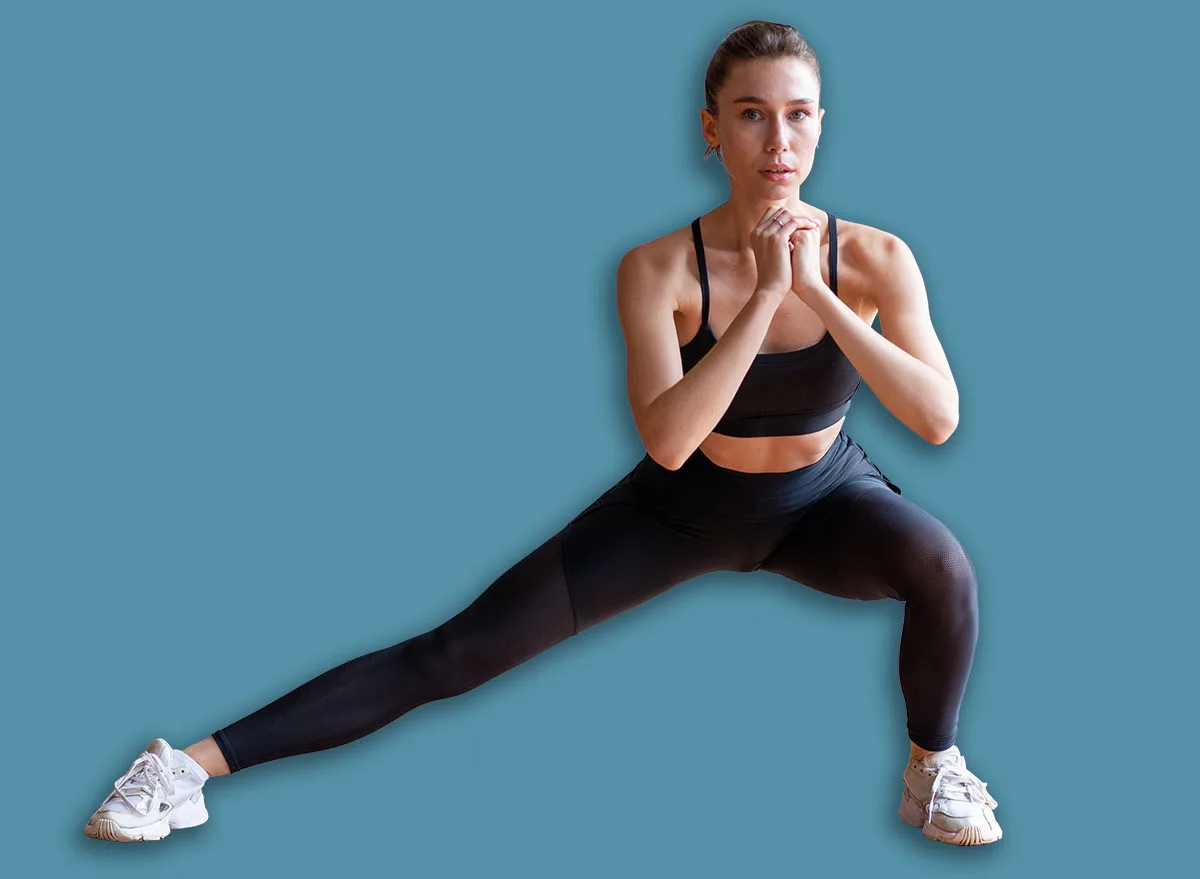
As individuals progress beyond the age of 55, maintaining robust lower body strength and agility becomes increasingly crucial for sustaining independence, mitigating the risk of falls, and preserving an active lifestyle. The natural physiological changes associated with aging, notably sarcopenia—the progressive loss of muscle mass and strength—can significantly impact daily functional capacity. While foundational exercises like squats are undeniably beneficial, a comprehensive approach integrating varied movement patterns can offer a more holistic and often more accessible pathway to revitalizing the muscular architecture of the thighs and surrounding support structures. Incorporating targeted physical activity into one’s morning ritual offers a profound opportunity to awaken the musculoskeletal system, improve circulation, and establish a positive trajectory for the day ahead, contributing significantly to both physical and mental well-being.
The initial hours of the day present an exceptional window for engaging in purposeful movement, transforming how the legs, hips, and core feel and perform. A brief, intelligently designed exercise sequence can prime the muscles, lubricate joints, and infuse the entire lower kinetic chain with a sense of readiness and vigor. For many seasoned adults, a consistent morning regimen translates into enhanced confidence in navigating everyday tasks, from ascending stairs to simply standing from a seated position. The following five exercises have been meticulously selected for their capacity to cultivate strength, promote stability, and enhance mobility across the lower body, offering a multifaceted approach that complements general strength training principles and specifically addresses the nuanced requirements of an aging physique. These movements collectively activate key muscle groups, including the quadriceps, glutes, and hamstrings, while simultaneously refining balance and coordination.
Understanding Age-Related Muscular Changes and the Importance of Intervention
The human body undergoes a myriad of transformations with advancing age, among the most impactful being the decline in muscle mass and strength. This process, known as sarcopenia, typically commences in the third decade of life but accelerates significantly after 50. The implications extend beyond mere aesthetic concerns; reduced muscle strength directly correlates with decreased metabolic rate, increased risk of chronic diseases, impaired balance, and a higher propensity for falls and subsequent injuries. Furthermore, joint stiffness often accompanies muscle atrophy, limiting range of motion and exacerbating discomfort.
Regular physical activity, particularly resistance training, serves as a powerful countermeasure against these age-related declines. It not only preserves existing muscle tissue but can also stimulate new muscle growth, a phenomenon known as hypertrophy. Beyond muscular benefits, exercise strengthens bones, improves cardiovascular health, enhances cognitive function, and fosters a sense of empowerment. The emphasis for older adults often shifts towards functional fitness—movements that mimic daily activities and directly contribute to independence and quality of life. The exercises detailed below are exemplary in this regard, integrating compound movements that recruit multiple joints and muscle groups, thereby building strength that translates directly into improved everyday performance.
1. Dynamic Reverse Lunge with Torso Rotation
This sophisticated exercise synergistically combines lower-body power generation with gentle spinal articulation, creating a comprehensive movement that enhances both strength and flexibility. Unlike traditional forward lunges, stepping backward significantly reduces the shear stress on the front knee joint, making it a more accessible option for individuals with knee sensitivities while still robustly activating the quadriceps and gluteal muscles of the leading leg. The addition of a torso rotation introduces a crucial element of core engagement and encourages coordinated movement between the hips and the thoracic spine. This multi-planar action not only fortifies the leg muscles but also improves rotational mobility, a critical component for activities such as reaching across the body or turning quickly, which are essential for balance and fall prevention.
- Muscles Engaged: Primarily targets the quadriceps, glutes, and hamstrings of the lead leg, alongside significant activation of the obliques and deeper core stabilizers during the rotational phase.
- Execution Protocol: Begin by standing tall with feet hip-width apart. Step one leg directly backward, lowering the hips until both knees form approximately 90-degree angles, ensuring the front knee remains aligned over the ankle. As you reach the lowest point of the lunge, gently rotate your torso towards the side of your front leg. Maintain a controlled movement, then unwind the rotation as you drive through the front heel to return to the starting position. Alternate legs with each repetition.
- Set and Repetitions Guidance: Aim for 3 sets, performing 8 to 10 repetitions on each leg. Allow for a recovery period of 45 seconds between sets.
- Form Enhancement Tip: Throughout the rotational phase, maintain a steadfast connection between the front heel and the floor to maximize stability and ensure proper muscle engagement.
- Progression and Variation: To increase the challenge, consider holding a dumbbell in the opposite hand to the forward leg during the lunge, or exploring a walking rotational lunge for added dynamic stability.
2. Transverse Plane Strength: Lateral Lunges
Many routine movements occur in the sagittal plane (forward and backward), leading to a potential neglect of strength and mobility in the frontal plane (side-to-side). Lateral lunges are instrumental in addressing this imbalance, specifically targeting the often-underutilized muscles of the inner and outer thighs (adductors and abductors) while simultaneously improving hip joint mobility across a wider range of motion. This controlled shift of body weight from side to side dynamically engages crucial stabilizing muscles, directly contributing to enhanced balance and agility—qualities paramount for preventing stumbles and falls. Regular practice of this exercise cultivates robust lateral strength, which is vital for navigating uneven terrain or quickly changing direction.
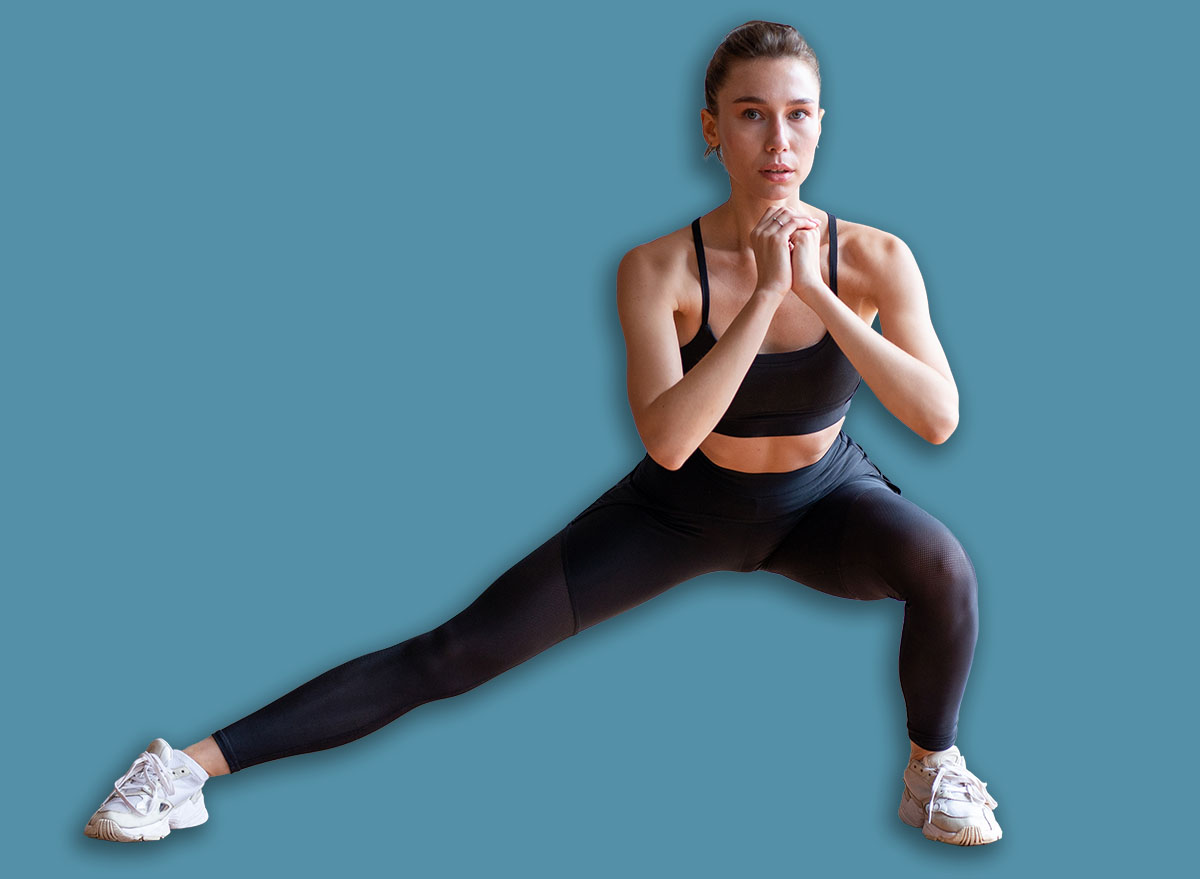
- Muscles Engaged: Works the quadriceps, glutes, and importantly, the adductor (inner thigh) and abductor (outer hip) muscles.
- Execution Protocol: Stand with your feet hip-width apart. Take a large step to one side, keeping the other leg straight. As you step, send your hips backward and bend the knee of the stepping leg, as if sitting into a chair. Ensure your chest remains upright and the knee of the bent leg tracks in line with your toes. Push off the stepping foot to return to the starting position. Alternate sides with each repetition.
- Set and Repetitions Guidance: Complete 3 sets of 8 to 10 repetitions per leg. Observe a 45-second rest interval between sets.
- Form Enhancement Tip: Consciously drive your hips backward as you lunge to the side; this maximizes the engagement of the gluteal muscles and inner thighs.
- Progression and Variation: For added resistance, hold a dumbbell in a goblet position or use two dumbbells at your sides. Tempo changes (slowing down the eccentric phase) can also amplify muscle recruitment.
3. Foundational Movement Pattern: Bodyweight Squats
Bodyweight squats stand as a fundamental, universally beneficial exercise, reinforcing a natural movement pattern essential for numerous daily activities, such as sitting, standing, and lifting. Performing these early in the day serves to awaken the major muscle groups of the lower body—quadriceps, glutes, and hamstrings—in a coordinated fashion. Beyond pure strength, the controlled descent and ascent in a squat enhance mobility through the hips, knees, and ankles, areas often prone to stiffness with age. This exercise also fosters a stronger connection between the core and lower extremities, improving overall bodily coordination and stability. Consistent engagement with bodyweight squats builds a profound sense of confidence in one’s physical capabilities, directly translating to greater ease and security in everyday movement.
- Muscles Engaged: Primarily targets the quadriceps, glutes, and hamstrings, with significant involvement of the core for stabilization.
- Execution Protocol: Stand with feet approximately shoulder-width apart, toes pointing slightly outward. Initiate the movement by sending your hips backward as if you are sitting into an imaginary chair. Descend to a depth that feels comfortable while keeping your chest upright and your back straight. Ensure your knees track in line with your toes. Drive through your heels to return to the standing position, squeezing the glutes at the top.
- Set and Repetitions Guidance: Perform 3 sets of 12 to 15 repetitions. Rest for 45 seconds between each set.
- Form Enhancement Tip: Maintain your body weight evenly distributed through your heels and the midfoot throughout the entire range of motion, avoiding excessive pressure on the balls of your feet.
- Progression and Variation: To increase difficulty, incorporate tempo squats (slower descent/ascent) or pause squats (holding at the bottom). For those needing assistance, squatting to a chair can provide a safe guide.
4. Core Stability and Gluteal Activation: Plank with Leg Lift
The plank is renowned as an exceptional core strengthening exercise, and by integrating a leg lift, its benefits extend significantly to the gluteal muscles and overall hip stability. During the single-leg lift, the body’s core and hips are forced to work harder to counteract the shift in weight, maintaining a stable, neutral spine. This action intensely activates the glutes and hamstrings of the supporting leg while simultaneously challenging the core’s anti-rotational capabilities. Furthermore, this exercise is instrumental in improving unilateral balance and fostering coordinated strength between the two sides of the body. Regular inclusion of the plank with leg lifts contributes substantially to the strength of muscles vital for hip and thigh stability, crucial for preventing lower back discomfort and enhancing gait efficiency.
- Muscles Engaged: Primarily strengthens the glutes and hamstrings, alongside comprehensive activation of the core musculature (rectus abdominis, obliques, transverse abdominis) and shoulders.
- Execution Protocol: Begin in a standard plank position, either on your forearms or hands, ensuring your body forms a straight line from head to heels. Engage your core tightly. Without allowing your hips to rotate or sag, slowly lift one leg a few inches off the floor, holding for a moment. Lower the leg with control and then repeat on the opposite side.
- Set and Repetitions Guidance: Perform 3 sets of 10 lifts per leg. Rest for 45 seconds between sets.
- Form Enhancement Tip: It is paramount to keep your hips absolutely level and still as you elevate each leg, preventing any tilting or twisting of the pelvis.
- Progression and Variation: Increase the duration of the leg hold, or try a slow-tempo leg lift for enhanced time under tension. For those finding a full plank challenging, perform the exercise with knees on the ground.
5. Unilateral Hip Strength: Single-Leg Glute Bridge
Targeting each leg independently, the single-leg glute bridge is an outstanding exercise for isolating and activating the gluteal muscles and hamstrings while profoundly enhancing hip stability. This unilateral training approach is particularly valuable for identifying and correcting muscular imbalances that often develop between the two sides of the body, which can contribute to gait issues and an increased risk of injury. Strong glutes are not only crucial for powerful hip extension but also play a pivotal role in safeguarding the knee joints and supporting the lower back during dynamic movements like walking, running, and climbing. Consistent engagement with this exercise systematically rebuilds and fortifies the foundational strength and stability of the lower body.
- Muscles Engaged: Directly targets the glutes and hamstrings, with significant contributions from the core stabilizers to maintain pelvic alignment.
- Execution Protocol: Lie on your back with your knees bent and feet flat on the floor, hip-width apart. Extend one leg straight out. Drive through the heel of your grounded foot, lifting your hips off the floor until your body forms a straight line from your shoulders to the knee of your bent leg. Squeeze your glutes powerfully at the peak of the movement. Slowly lower your hips back down to the starting position with control.
- Set and Repetitions Guidance: Complete 3 sets of 10 to 12 repetitions on each leg. Allow for a 45-second recovery period between sets.
- Form Enhancement Tip: Focus on driving power primarily through the heel of your planted foot and consciously contract your glutes at the apex of the hip lift to maximize muscle activation.
- Progression and Variation: To increase intensity, perform the exercise with your grounded foot elevated on a stable surface (e.g., a low step). Adding a resistance band around the thighs can further challenge the glutes.
Cultivating a Consistent Morning Movement Practice for Lasting Benefits
Integrating these movements into a regular morning schedule offers more than just immediate physical benefits; it establishes a powerful habit that cascades into improved overall well-being. A brief, intentional movement session at the start of the day not only encourages robust circulation and prepares the joints for daily activity but also sharpens mental focus and boosts mood. The cumulative effect of consistent practice is profound: a gradual but significant restoration of lower body strength, enhanced stability, and a profound sense of physical capability that empowers individuals to engage fully with life’s demands.
Beyond the specific exercises, several principles underpin a successful morning routine:
- Consistency is Key: The most significant gains come from regular, even if short, engagement rather than sporadic, intense sessions. Aim for at least 3-5 times per week.
- Listen to Your Body: Pay attention to any discomfort or pain. Modify exercises as needed and never push through sharp pain. A gentle warm-up before starting is advisable.
- Progressive Overload: As you get stronger, gradually increase the challenge—either by adding more repetitions, sets, reducing rest times, or incorporating light resistance (e.g., dumbbells, resistance bands) if appropriate.
- Hydration and Nutrition: Support your muscles and energy levels by staying well-hydrated and consuming a balanced diet rich in protein for muscle repair and growth.
- Mindful Movement: Focus on the quality of each repetition, connecting with the muscles being worked. This enhances effectiveness and reduces the risk of injury.
Embracing a morning routine focused on these comprehensive lower body exercises is an investment in long-term health, vitality, and functional independence. By consistently dedicating a few minutes each day, individuals over 55 can significantly enhance their thigh power, improve balance, and cultivate a stronger, more resilient foundation for an active and fulfilling life. Always consult with a healthcare professional or physical therapist before commencing any new exercise program, especially if you have underlying health conditions or concerns.
About the Author










