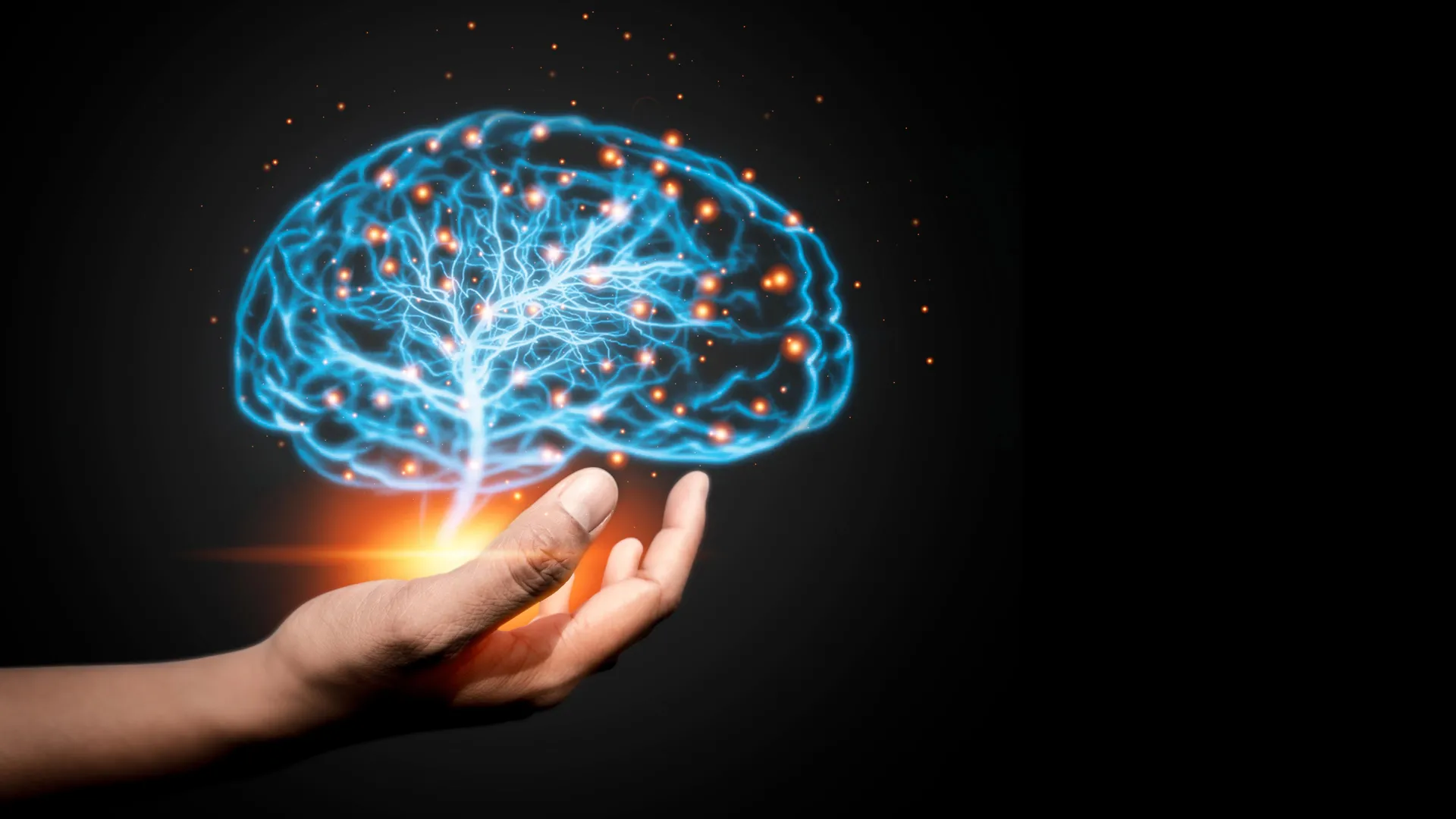
The human brain, an organ of unparalleled complexity, begins its intricate formation long before birth, meticulously assembling billions of neurons into highly specialized circuits. This astonishing feat of biological engineering, which underpins all thought, sensation, and action, relies on a finely tuned orchestration of cellular processes. For decades, scientists have grappled with understanding the fundamental principles that guide nerve cells, or neurons, as they navigate the embryonic landscape, extending their long, slender projections—known as axons—to establish precise connections across vast distances. These axonal pathways are the literal "wires" of the brain, transmitting electrochemical impulses that dictate every function of the central nervous system. The precision required for this process is immense; even minor deviations can have profound implications for cognitive function and overall health.
Historically, the scientific community understood that this complex cellular navigation was primarily directed by a sophisticated interplay of biochemical cues. Researchers identified various signaling molecules, acting as molecular breadcrumbs or deterrents, forming gradients that would either attract or repel growing axons, guiding them along precise trajectories to their designated targets. These chemical signposts, such as neurotrophins or semaphorins, were believed to provide the essential directional information, ensuring that neural circuits formed with remarkable accuracy. This framework explained much about how cellular identities were established and how cells migrated to their correct positions within developing tissues.
However, a more recent wave of investigations began to highlight the equally significant, yet less understood, influence of the physical environment on cellular behavior. Studies demonstrated that mechanical attributes of tissues, such as their stiffness or elasticity, could profoundly impact how cells proliferate, differentiate, and migrate. For instance, cells grown on softer substrates might behave differently than those on rigid ones, suggesting that the physical "feel" of their surroundings played a critical role in their fate. Despite these separate lines of evidence, a comprehensive understanding of how these two distinct guidance mechanisms—the chemical and the mechanical—integrated to orchestrate complex tissue formation, particularly in the brain, remained an elusive challenge. The precise nature of their interrelationship, whether one merely provided a backdrop for the other, or if they actively conversed, was largely a mystery.
A groundbreaking international collaborative study, spearheaded by researchers from institutions including the Max-Planck-Zentrum für Physik und Medizin (MPZPM), the Friedrich-Alexander-Universität Erlangen-Nürnberg (FAU), and the University of Cambridge, has now provided a pivotal answer to this long-standing question. Published in the prestigious journal Nature Materials, their findings illuminate a direct and previously unrecognized communication channel between the physical and chemical dimensions of the developing brain. The core revelation is that the biomechanical rigidity of neural tissue does not merely provide a passive scaffold; it actively dictates the biosynthesis of crucial molecular signals essential for guiding neuronal growth. This discovery fundamentally alters our perception of developmental biology, positing that mechanical forces are not just bystanders but central conductors in the symphony of organogenesis.
The lynchpin of this newly discovered mechanism is a specific cellular protein named Piezo1. Piezo1 belongs to a fascinating class of proteins known as mechanosensitive ion channels, which means they possess the unique ability to detect and respond to mechanical stimuli from their environment. These proteins act like tiny cellular sensors, translating physical forces—such as stretching, compression, or changes in tissue stiffness—into biochemical signals within the cell. The research team, under the leadership of Professor Kristian Franze, meticulously demonstrated that in the context of brain development, Piezo1 acts as a direct conduit, converting alterations in tissue stiffness into specific cellular responses. Their experiments revealed that when the surrounding neural tissue became more rigid, cells with sufficient levels of Piezo1 began to produce and secrete signaling molecules that were otherwise absent or present in very low concentrations in those specific regions.
A prime example of this mechanical-to-chemical conversion involves a well-known guidance molecule called Semaphorin 3A. Semaphorins are a family of proteins crucial for guiding axon growth, often acting as potent repulsive cues that steer axons away from certain areas. The study found that increased tissue stiffness, mediated by Piezo1 activity, specifically triggered an upregulation in the production of Semaphorin 3A. This means that the physical properties of the developing brain tissue directly influence the distribution and concentration of chemical "no-go" signals, effectively shaping the biochemical landscape that axons must navigate. This intricate feedback loop ensures that as the brain’s physical structure evolves, its chemical navigational system adapts dynamically, providing precise instructions for neural wiring. Eva Pillai, a co-lead author and postdoctoral researcher at the European Molecular Biology Laboratory (EMBL), articulated the profundity of this finding, remarking on Piezo1’s unexpected dual role as both a force detector and an architect of the brain’s chemical environment. This unified perspective bridges the previously distinct realms of physical mechanics and molecular signaling, offering an entirely fresh lens through which to view brain development.
Beyond its role as a chemical landscape sculptor, the research unveiled a second, equally vital function for Piezo1: its contribution to the structural integrity of the brain tissue itself. The team observed that when the cellular expression of Piezo1 was experimentally diminished, there was a concomitant reduction in the levels of critical cell adhesion proteins, specifically NCAM1 and N-cadherin. These proteins are indispensable for mediating strong cell-to-cell contacts, essentially acting as molecular "glue" that binds individual cells together, forming stable and organized tissue structures. The disruption of these adhesion proteins consequently compromised the physical stability of the neural tissue. This finding highlights that Piezo1 not only senses the environment but actively participates in constructing and maintaining it. Sudipta Mukherjee, another co-lead author and postdoctoral researcher at FAU and MPZPM, emphasized this point, noting that Piezo1’s regulation of adhesion proteins is crucial for preserving a robust tissue architecture. This intricate relationship forms a self-reinforcing system: Piezo1 maintains the physical stability of the environment, which in turn influences the chemical signals that Piezo1 itself helps to generate, thereby creating a tightly integrated developmental feedback loop. In essence, Piezo1 functions as both a sophisticated sensor, translating external mechanical cues into internal cellular responses, and a dynamic modulator, actively shaping the very mechanical properties of the tissue it inhabits.
The profound implications of these findings extend far beyond our understanding of basic brain development. Errors in the meticulous process of neuronal growth and circuit formation are intrinsically linked to a wide spectrum of congenital anomalies and neurodevelopmental disorders, including conditions like autism spectrum disorder, intellectual disabilities, and spina bifida. By revealing a fundamental mechanism through which the physical environment dictates precise chemical guidance, this study offers new avenues for investigating the origins of these complex conditions. If developmental errors arise from misinterpretations or disruptions of these mechanochemical signals, then future therapeutic strategies might focus on restoring the correct biomechanical cues or modulating Piezo1 activity.
Moreover, the connection between tissue stiffness and disease is not limited to developmental disorders. Aberrant tissue mechanics are increasingly recognized as critical factors in various pathologies, most notably cancer. Tumors are often characterized by abnormally stiff extracellular matrices, and this rigidity is known to promote cancer cell proliferation, invasion, and metastasis. The discovery that mechanical forces can directly manipulate chemical signaling, as demonstrated in this study, provides a novel framework for understanding how the stiff tumor microenvironment might drive oncogenic processes. This could pave the way for innovative diagnostic tools or therapeutic interventions that target the mechanical properties of diseased tissues or the mechanosensitive pathways like Piezo1.
Professor Franze, the senior author of the study, succinctly captured the essence of their discovery, stating that the brain’s mechanical environment should no longer be considered a mere passive backdrop for development, but rather an active and influential director. He emphasized that this environment regulates cell function both directly and indirectly, through its modulation of the chemical landscape. This paradigm shift in how scientists conceptualize chemical signals holds immense promise for various biological processes, ranging from the earliest stages of embryonic development to tissue regeneration following injury and the progression of diverse diseases.
Intriguingly, the researchers also uncovered that the influence of tissue stiffness on chemical signaling could manifest over considerable distances, affecting the behavior of cells located far from the original source of the mechanical force. This suggests a broader, systemic role for biomechanical cues in coordinating complex developmental events across entire organs. Ultimately, this comprehensive investigation underscores the potent and pervasive role of mechanical forces as fundamental regulators of both normal physiological development and the genesis of disease. This new understanding opens a fertile ground for future research, promising to unravel further complexities of biological systems and inspire novel approaches in regenerative medicine, neurotherapeutics, and oncology.
About the Author