As individuals progress into their fifties and beyond, many encounter persistent challenges in maintaining a taut, defined midsection. The accumulation of adipose tissue around the obliques, often colloquially termed "love handles," becomes a common concern, frequently resisting conventional abdominal exercises and extensive gym routines. While traditional weight training undeniably builds muscle mass, a growing body of evidence, supported by insights from seasoned fitness professionals, suggests that a specialized approach focusing on standing, functional movements can yield more significant and efficient results for waistline sculpting, particularly for mature adults. This paradigm shift prioritizes full-body engagement, core stability, and metabolic demand over isolated muscle work, offering a pathway to enhanced strength, balance, and a more refined physique.
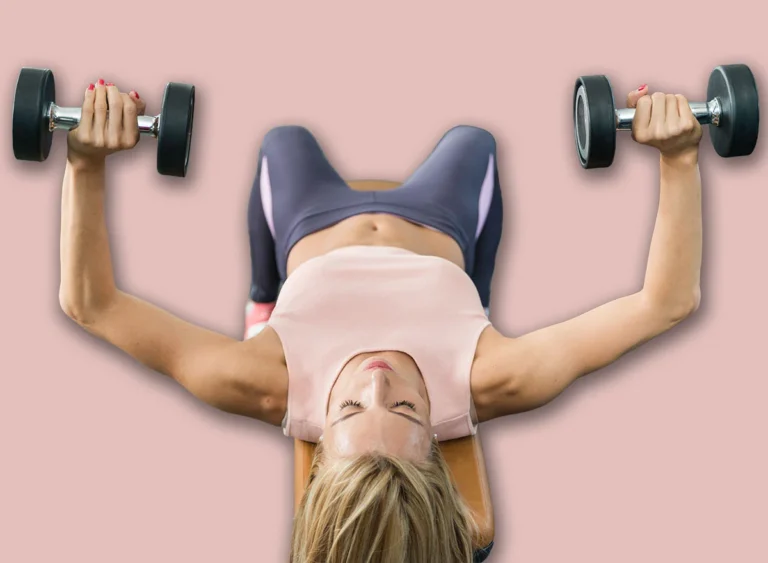
The physiological changes associated with aging, such as a gradual decrease in muscle mass (sarcopenia) and a potential slowdown in metabolism, contribute to the propensity for fat storage, especially in the abdominal region. Consequently, the strategy for addressing midsection concerns in this demographic requires thoughtful consideration. While countless hours spent on seated machines or performing repetitive crunches might seem intuitive, these methods often fall short in comprehensively engaging the deep core musculature. When the body is supported by a bench or pad, the intrinsic stabilizers of the trunk—including the deep transverse abdominis, multifidus, and the obliques—are not compelled to work as vigorously to maintain postural integrity. This reduced demand limits their development and, subsequently, their capacity to contribute to overall waistline tightening and functional strength.
In contrast, standing exercises inherently demand that the entire kinetic chain, from the feet to the fingertips, works synergistically. The core, in particular, transforms from a primary mover in isolated movements to an indispensable stabilizer, constantly adjusting to maintain equilibrium against gravity and external loads. This continuous, low-level activation builds dense, functional muscle tissue throughout the abdominal wall, including the often-neglected obliques and deep core muscles. Furthermore, the integration of multi-planar movements—those involving rotation, anti-rotation, lateral flexion, and anti-lateral flexion—mimics the complex demands of daily life, fostering a more resilient and adaptable physique. For adults over 50, this functional emphasis not only contributes to aesthetic improvements but also confers substantial benefits in terms of improved balance, reduced risk of falls, enhanced posture, and alleviation of common back pain.
The efficiency of these standing movements is paramount for older adults, where quality of movement often outweighs sheer volume. By recruiting multiple muscle groups simultaneously and elevating the heart rate through dynamic, loaded actions, these exercises offer a superior metabolic stimulus compared to many isolated strength routines. This increased energy expenditure, combined with the development of lean muscle mass, contributes to a more favorable body composition, aiding in the reduction of subcutaneous fat that characterizes love handles. The emphasis shifts from simply "burning calories" to building a robust, responsive core that actively shapes and supports the entire torso.
Here are five functional standing movements, championed by fitness experts, that strategically target the midsection for optimal definition and stability in adults over fifty:
1. Unilateral Loaded Gait (Dumbbell Suitcase Carry)
This foundational exercise is a potent tool for developing anti-lateral stability, directly addressing the muscles responsible for resisting side bending—precisely the area where love handles manifest. By carrying a significant load in one hand, the obliques on the opposite side are forced to engage continuously and powerfully to prevent the torso from collapsing laterally. This sustained isometric contraction is profoundly effective, far surpassing the benefits of isolated side bends, as it trains the core to function as it does in real-life scenarios: stabilizing the body during locomotion and uneven loads.
To perform: Stand tall with a dumbbell held in one hand, arm extended naturally by your side. Your posture should be erect, shoulders level, and ribs stacked directly over your hips. Resist any inclination to lean towards the loaded side. Walk purposefully, maintaining this rigid posture. Every step challenges the core, forcing it to counteract the weight and maintain spinal neutrality. Begin with a moderate weight and focus on maintaining perfect form over distance or duration.
2. Isometric Front-Loaded Trunk Stabilization (Dumbbell Front-Loaded Squat Hold)
Static tension is an underutilized yet remarkably effective method for sculpting the midsection and building profound core strength. The front-loaded squat hold compels the entire core to brace continuously against the downward pull of gravity and the forward momentum of the weight. Unlike seated core machines, this position demands active engagement of the deep abdominal muscles, the spinal erectors, and the glutes to maintain an upright, stable posture. It strengthens the trunk without the repetitive spinal flexion that can be problematic for some older adults.
To perform: Hold a dumbbell horizontally across your chest, cupping each end with your hands, elbows lifted. Lower into a controlled squat position, aiming for your thighs to be parallel to the floor or as deep as your mobility allows comfortably. Hold this position for 20-40 seconds. Throughout the hold, maintain an elevated chest, shoulders pulled back, and a deeply braced core, as if preparing for a gentle impact. This sustained tension creates immense engagement throughout the entire waistline.
3. Dynamic Lower Body and Rotational Core Integration (Standing Alternating Reverse Lunge with Rotation)
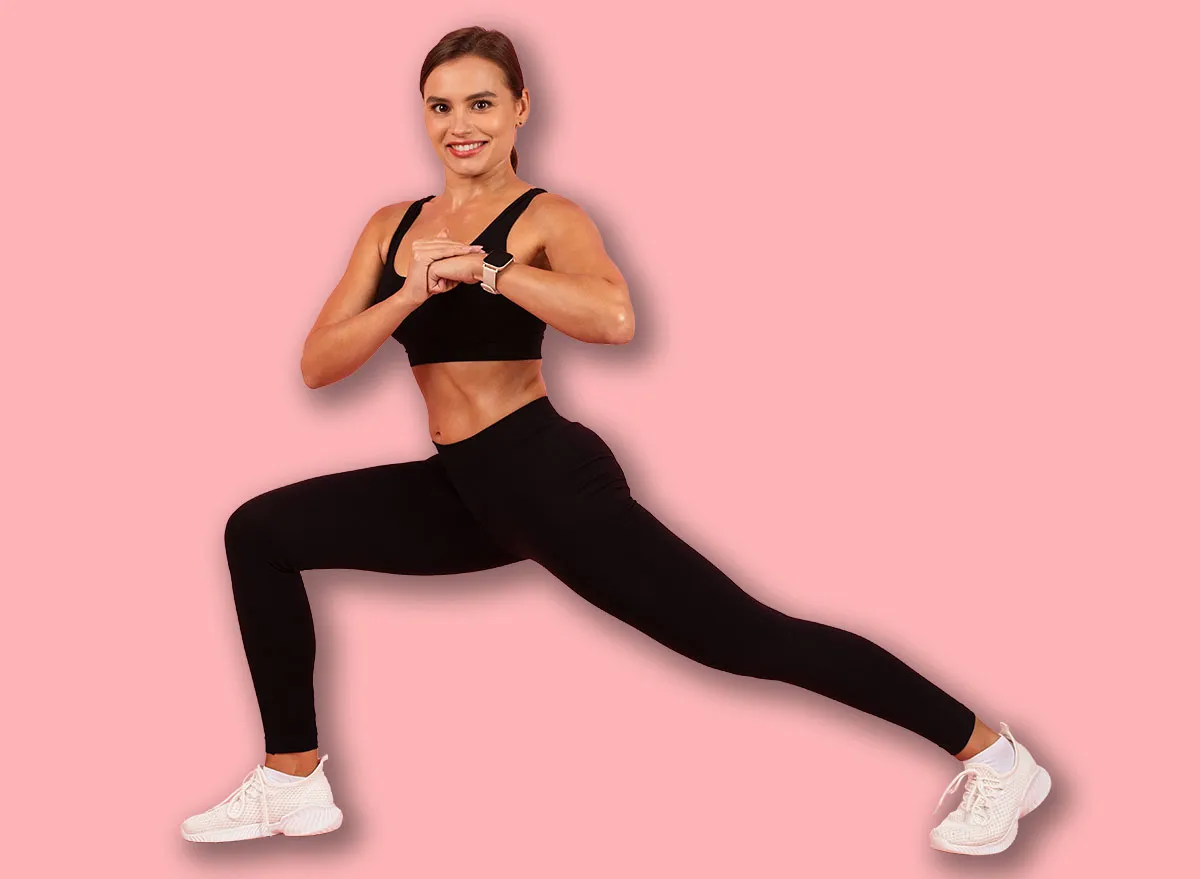
This compound movement elegantly fuses lower body strength, balance, and controlled core rotation, making it exceptionally beneficial for older adults. The reverse lunge component builds gluteal and leg strength while challenging balance, a critical aspect of functional fitness. Adding a torso rotation amplifies oblique engagement, as the core must generate and then resist rotational forces while simultaneously stabilizing the body during the lunge. This integrated approach not only tightens the waist but also improves overall coordination and proprioception.
To perform: Stand tall, holding a light dumbbell in front of your chest with both hands (or no weight to start). Step back with one leg into a reverse lunge, ensuring both knees bend to approximately 90 degrees, and the front knee tracks over the ankle. As you lunge, gently rotate your torso towards your front leg. Keep your chest elevated and movements smooth and deliberate. Drive through the heel of your front foot to return to the starting position, then switch sides. Controlled tempo is key to maximizing core activation and joint safety.
4. Controlled Multi-Planar Core Power (Standing Dumbbell Wood Chop)
Rotational control is a hallmark of a strong, functional midsection. The standing dumbbell wood chop trains the core to both generate and resist rotation dynamically, a pattern rarely challenged effectively by traditional gym machines. This exercise strengthens the entire abdominal wall, particularly the obliques, improving how the midsection appears from all angles and enhancing its capacity to perform powerful, twisting movements in daily life or sports.
To perform: Stand with feet shoulder-width apart, holding one end of a dumbbell with both hands. Begin with the dumbbell positioned outside one hip (e.g., right hip). In a controlled motion, twist your torso diagonally upwards and across your body, bringing the dumbbell towards the opposite shoulder (e.g., left shoulder). Pivot on your back foot as needed. The power should come from your core and glutes, not just your arms. Crucially, control the return phase, resisting the weight as it pulls you back to the starting position. This deceleration phase is vital for profound oblique activation. Start with a light weight and prioritize precision over speed.
5. Cross-Body Coordination and Dynamic Oblique Engagement (Standing Cross-Body Knee Drive with Dumbbell)
This dynamic movement is excellent for reinforcing cross-body coordination, which often diminishes with age, and for engaging the obliques in a functional, integrated manner. Rebuilding this pattern enhances rotational stability and balance, contributing to a noticeably firmer midsection. The coordinated movement of opposite arm and leg mimics natural human locomotion and requires significant core involvement to stabilize the pelvis and spine.
To perform: Stand tall, holding a light dumbbell in one hand. From a stable base, drive the knee on your opposite side upward and across your body, simultaneously bringing the dumbbell down towards the rising knee. For example, if holding the dumbbell in your right hand, drive your left knee up towards your right hand. Maintain a tall posture and avoid leaning excessively. The movement should be slow and controlled, with a brief pause at the peak of the knee drive to maximize core engagement. Reset fully between repetitions before switching sides. Precision and control are more valuable than speed for this exercise.
Incorporating these standing, functional movements into a comprehensive fitness regimen can profoundly impact midsection definition and overall physical capability for adults over 50. While these exercises are powerful, it is crucial to remember that a holistic approach to wellness, encompassing balanced nutrition, adequate hydration, sufficient sleep, and stress management, remains foundational for achieving sustainable results. Consistency, progressive challenge, and meticulous attention to form will unlock the full potential of these core-centric strategies, leading to a stronger, more stable, and aesthetically refined physique. Consulting with a qualified fitness professional can further tailor these recommendations to individual needs and ensure safe and effective execution.
About the Author