

As individuals navigate the landscape of later life, maintaining physical strength becomes a critical component of sustaining independence and overall well-being. Far from being merely an exercise for athletes, the humble pushup offers a profound diagnostic tool for evaluating upper body strength, muscular endurance, and core stability, particularly for those aged 60 and above. This foundational bodyweight movement serves as an accessible barometer for gauging one’s capacity to perform essential daily activities, highlighting areas where proactive physical conditioning can significantly enhance quality of life. The natural physiological processes associated with aging often lead to a gradual decline in muscle mass and strength, a phenomenon known as sarcopenia, making regular assessments and targeted exercise regimens increasingly vital.
Sarcopenia typically commences in the third decade of life and accelerates significantly after age 60, manifesting as a progressive loss of skeletal muscle tissue and function. This reduction isn’t just about diminishing bicep size; it translates directly into reduced power, decreased mobility, and an elevated risk of falls and fractures. The implications extend beyond physical prowess, impacting metabolic health, immune function, and overall vitality. For older adults, the ability to lift, push, and stabilize oneself becomes paramount for tasks ranging from carrying groceries to preventing injury during an unexpected stumble. Neglecting strength maintenance can precipitate a cascade of negative health outcomes, potentially eroding autonomy and necessitating assistance with routine activities. Therefore, understanding and actively working to preserve muscle mass is not merely a fitness goal but a cornerstone of healthy aging and prolonged independence.
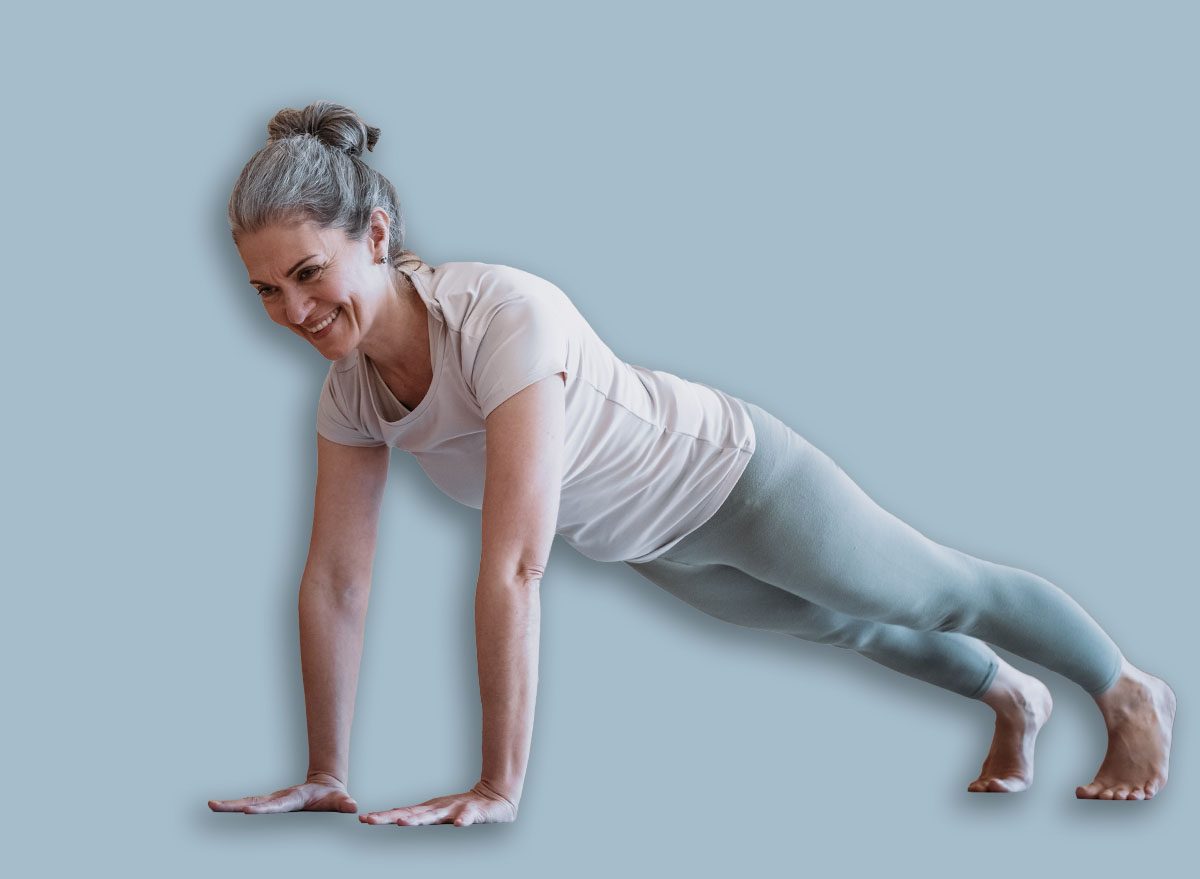
A key figure in this domain is Luka Hocevar, an experienced fitness professional with over two decades of coaching expertise. As the founder and co-owner of Vigor Ground Gym in Ljubljana, Slovenia, and Vigor Ground Fitness and Performance in Seattle, Washington, Hocevar emphasizes the utility of the pushup as a multifaceted indicator of physical condition. He highlights that this single exercise provides insights into relative upper body strength, the endurance of various muscle groups, and the crucial stability of the core and shoulder girdle. Unlike exercises that isolate specific muscles, the pushup engages a synergistic network, demanding coordination and control across the chest, shoulders, triceps, and abdominal region, making it an excellent holistic measure.
The mechanics of a pushup are akin to a "dynamic plank," requiring the body to maintain a rigid, neutral spine while simultaneously executing a controlled lowering and pressing motion. This continuous engagement of the core musculature—including the rectus abdominis, obliques, and transverse abdominis—is fundamental to preventing spinal hyperextension and ensuring efficient force transfer. Concurrently, the pectoralis major and minor muscles drive the pressing motion, supported by the anterior deltoids and triceps brachii. Crucially, the serratus anterior and rhomboids contribute to scapular stability, preventing shoulder impingement and promoting optimal shoulder joint health. This comprehensive muscular activation underscores why proficient pushup performance is indicative of robust overall upper body and core integrity.
Translating pushup proficiency into real-world functionality reveals its profound impact on daily living. A strong upper body and stable core are indispensable for a myriad of everyday tasks. Consider the effort involved in retrieving heavy items from high shelves, pushing open a stubborn door, or navigating through crowded spaces without losing balance. These actions rely heavily on the same muscular groups and stabilization patterns activated during a pushup. Furthermore, the capacity to rapidly brace and stabilize oneself is critical in preventing or mitigating the severity of falls, a leading cause of injury and disability among older adults. The ability to catch oneself with outstretched arms or push up from the floor after a fall directly correlates with upper body strength, providing a crucial safety net for maintaining physical autonomy.
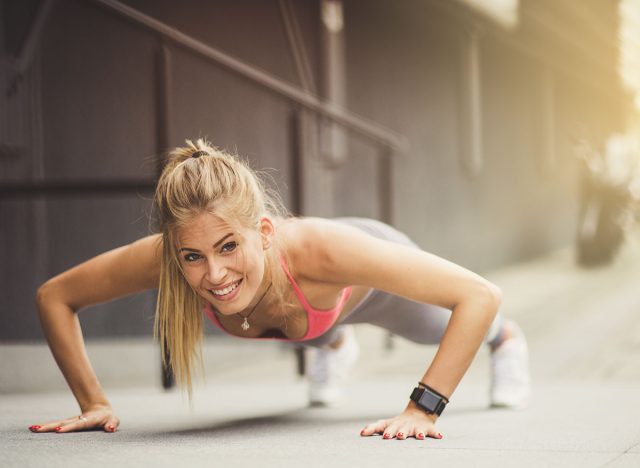
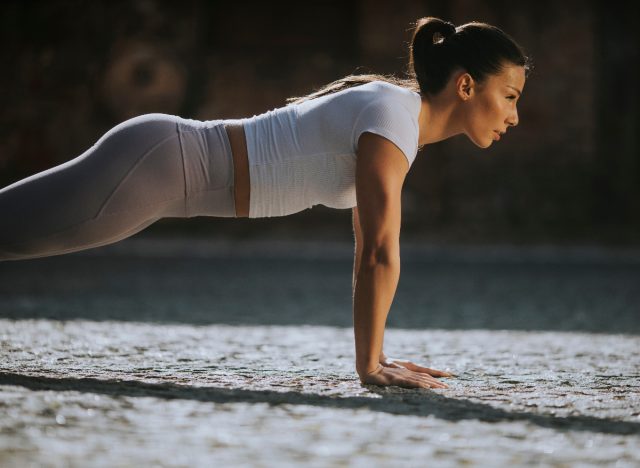
For those looking to assess or improve their pushup capabilities, understanding proper technique is paramount to maximizing benefits and minimizing injury risk. A standard pushup begins in a plank position: hands slightly wider than shoulder-width apart, fingers pointing forward, and the body forming a straight line from head to heels. The core should be actively braced, and the glutes squeezed to maintain this rigid alignment. As you descend, the elbows should track back at a 45-degree angle to the torso, and the chest should approach the floor without allowing the hips to sag or rise prematurely. The ascent involves powerfully pressing through the hands to return to the starting plank position, maintaining control throughout the movement. Focus on a full range of motion, ensuring the shoulder blades move freely and the core remains engaged throughout the entire repetition.
Recognizing that not everyone can immediately perform a full standard pushup, Hocevar advocates for accessible modifications that allow individuals to build strength progressively. The fundamental principle behind these adaptations is to reduce the percentage of body weight being lifted, thereby decreasing the relative intensity. Elevated pushups are an excellent starting point: performing the exercise with hands placed on a raised surface, such as a sturdy wall, a kitchen counter, a robust table, or even a barbell racked at a gym. The higher the elevation, the easier the movement, as less body weight is supported by the arms. As strength improves, the hand placement can gradually be lowered, systematically increasing the challenge until full floor pushups become achievable. Another common modification involves performing pushups from the knees, which reduces the lever arm and makes the movement less demanding on the core and lower body, allowing for greater focus on upper body strength development. The key is consistent effort and gradual progression, respecting individual capabilities and patiently working towards greater strength.
Hocevar has established specific benchmarks at his facilities for individuals over 60 years of age, providing tangible goals for those committed to maintaining their physical conditioning. For men in this age group, achieving 20 or more classic pushups with proper form places them in an "elite category," signifying exceptional upper body strength and endurance. Completing between 10 and 19 repetitions is considered strong, while 5 to 9 repetitions indicates a good foundation that can be built upon. Fewer than 5 repetitions suggest a need for focused attention on improving upper body and core strength. For women over 60, 15 or more classic pushups are deemed elite, with 7 to 14 repetitions indicating strong performance, and 3 to 6 repetitions representing a good starting point. Fewer than 3 repetitions suggest an area for significant improvement. For those utilizing modified or knee pushups, 15 to 20 repetitions for both men and women over 60 is considered a commendable level of strength, demonstrating consistent effort in building foundational power. These benchmarks serve as motivational targets, reflecting a commitment to physical well-being.
It is important to remember that while pushup performance is an excellent indicator, it is just one facet of a comprehensive fitness strategy for healthy aging. A well-rounded regimen should also incorporate exercises targeting the lower body, such as squats and lunges, to maintain leg strength and mobility. Pulling movements, like rows, are crucial for balancing muscle development around the shoulder joint and promoting good posture, counteracting the dominant pushing patterns of daily life. Flexibility and balance training are equally vital to prevent falls and improve overall functional movement. Furthermore, cardiovascular exercise contributes to heart health, endurance, and cognitive function. Before embarking on any new exercise program, particularly after the age of 60, consulting with a healthcare professional or a certified fitness trainer is highly recommended to ensure the activities are appropriate and safe for individual health conditions.
In conclusion, the ability to perform pushups, particularly at specific benchmarks after the age of 60, serves as a powerful testament to one’s commitment to physical resilience and independent living. This simple yet profound exercise effectively measures a complex interplay of upper body strength, muscular endurance, and core stability, all of which are indispensable for navigating the challenges of daily life as we age. By understanding its significance, embracing proper technique, and utilizing appropriate modifications, individuals can proactively combat sarcopenia, enhance their functional capacity, and secure a greater degree of autonomy for years to come. The pursuit of pushup proficiency is more than a fitness challenge; it is an investment in a vibrant, independent future.
About the Author










