As individuals progress beyond the age of 55, maintaining robust core strength and healthy body composition becomes increasingly vital, not only for aesthetic reasons but for overall well-being and functional independence. While traditional abdominal exercises like crunches often receive considerable attention for targeting the midsection, a more holistic and accessible approach, particularly through chair-based movements, can offer superior benefits. This method integrates broader muscle engagement, enhances stability, and supports a metabolic advantage that isolated exercises frequently miss, making it particularly effective for addressing changes in body shape and physical capability associated with aging.
The physiological shifts occurring after the mid-fifties often include a natural decline in muscle mass, a phenomenon known as sarcopenia, and altered fat distribution. Hormonal fluctuations, such as those during menopause in women and andropause in men, can lead to an increase in visceral fat—the fat stored deep within the abdominal cavity, surrounding internal organs. This type of fat is not merely a cosmetic concern; it is metabolically active and linked to a higher risk of chronic conditions like type 2 diabetes, cardiovascular disease, and certain cancers. Consequently, effective strategies for managing body composition must extend beyond superficial abdominal toning, emphasizing full-body strength, metabolic stimulation, and functional movement patterns.
Chair-supported exercises emerge as an exceptionally valuable tool in this context, providing a secure and convenient platform for comprehensive physical activity. The primary advantage of incorporating a chair into a fitness routine is the enhanced stability and support it offers, significantly reducing the risk of falls or injury, which can be a major deterrent for older adults engaging in floor-based workouts. This accessibility encourages greater participation and consistency, two critical factors for achieving sustainable health improvements. Furthermore, these exercises often mimic daily functional movements, such as sitting, standing, and stepping, thereby directly improving capabilities essential for independent living. By engaging multiple muscle groups simultaneously, chair workouts elevate overall energy expenditure and contribute more significantly to boosting metabolism and fostering a healthier body composition than exercises focused solely on small, isolated abdominal muscles.
A well-rounded chair-based regimen should strategically combine exercises that build lower body strength, enhance core stability, and improve dynamic balance. Integrating these components ensures a synergistic effect, where each movement contributes to a broader goal of functional fitness and improved metabolic health.
Chair Box Squat: Foundation for Functional Lower Body Strength
The Chair Box Squat stands as a cornerstone exercise, meticulously designed to activate major muscle groups in the lower body and core. Its fundamental nature directly translates to everyday actions, such as rising from a seated position or descending to one, movements that are crucial for maintaining autonomy. Unlike isolated abdominal work, this exercise demands significant engagement from the quadriceps, glutes, and hamstrings, which are among the body’s largest muscle groups. When these muscles are actively worked, they not only become stronger but also contribute substantially to calorie expenditure and metabolic rate, facilitating a more effective reduction in overall body fat, including abdominal adiposity. The core muscles, in turn, play a vital stabilizing role, ensuring the torso remains upright and aligned throughout the movement, thereby building intrinsic core strength without direct flexion.
- Execution Guidance: Begin by positioning yourself in front of a sturdy chair, standing with feet shoulder-width apart. Extend your arms forward for balance or keep them at your chest. Initiate the movement by slowly bending at your hips and knees, as if preparing to sit down, ensuring your back remains straight and your chest lifted. Lower yourself with control until you lightly touch the chair’s seat, avoiding fully resting your weight. Immediately press through your heels to return to the standing position, engaging your glutes and quadriceps. Maintain a steady, controlled tempo throughout, inhaling as you descend and exhaling as you ascend.
- Recommended Volume: Aim for 2 to 3 sets, performing 10 to 15 repetitions per set.
- Adaptations: To modify intensity, utilize a higher chair for an easier range of motion, or introduce a pause at the bottom of the squat for increased challenge. Slower execution tempos also amplify muscle engagement and control.
- Form Focus: Emphasize a light, momentary contact with the chair, using it as a depth guide rather than full support, to ensure continuous muscular tension.
Seated Knee Tucks: Direct Core Engagement with Supported Stability
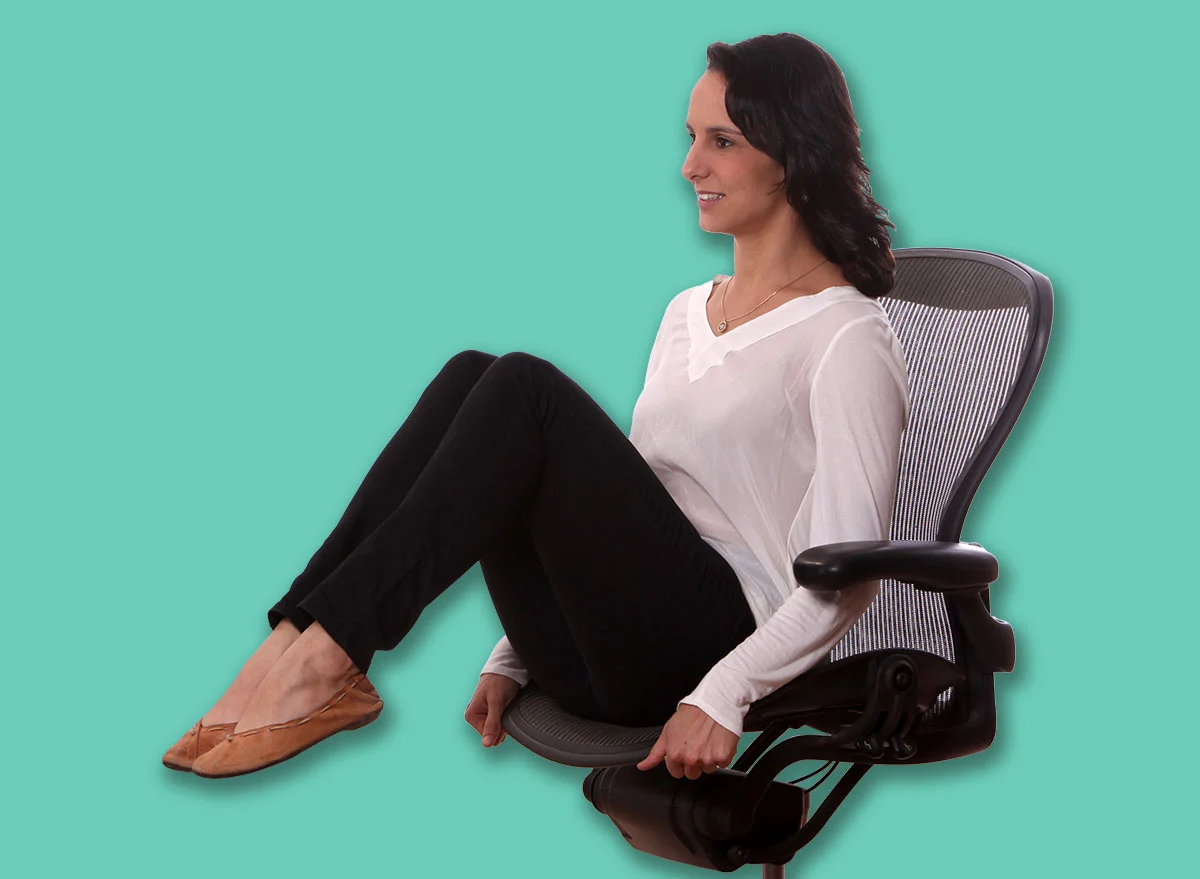
The Seated Knee Tuck offers a targeted approach to strengthening the abdominal muscles, particularly the rectus abdominis and hip flexors, all while benefiting from the chair’s supportive structure. This exercise provides a direct stimulus to the core without requiring floor work, making it highly accessible for individuals with limited mobility or concerns about getting up and down. By actively drawing the knees towards the chest, the exercise compresses the abdominal region, fostering a controlled contraction that builds muscular endurance and definition in the midsection. The dynamic leg movement also enhances circulation and keeps the body engaged, contributing to a more active and effective workout session.
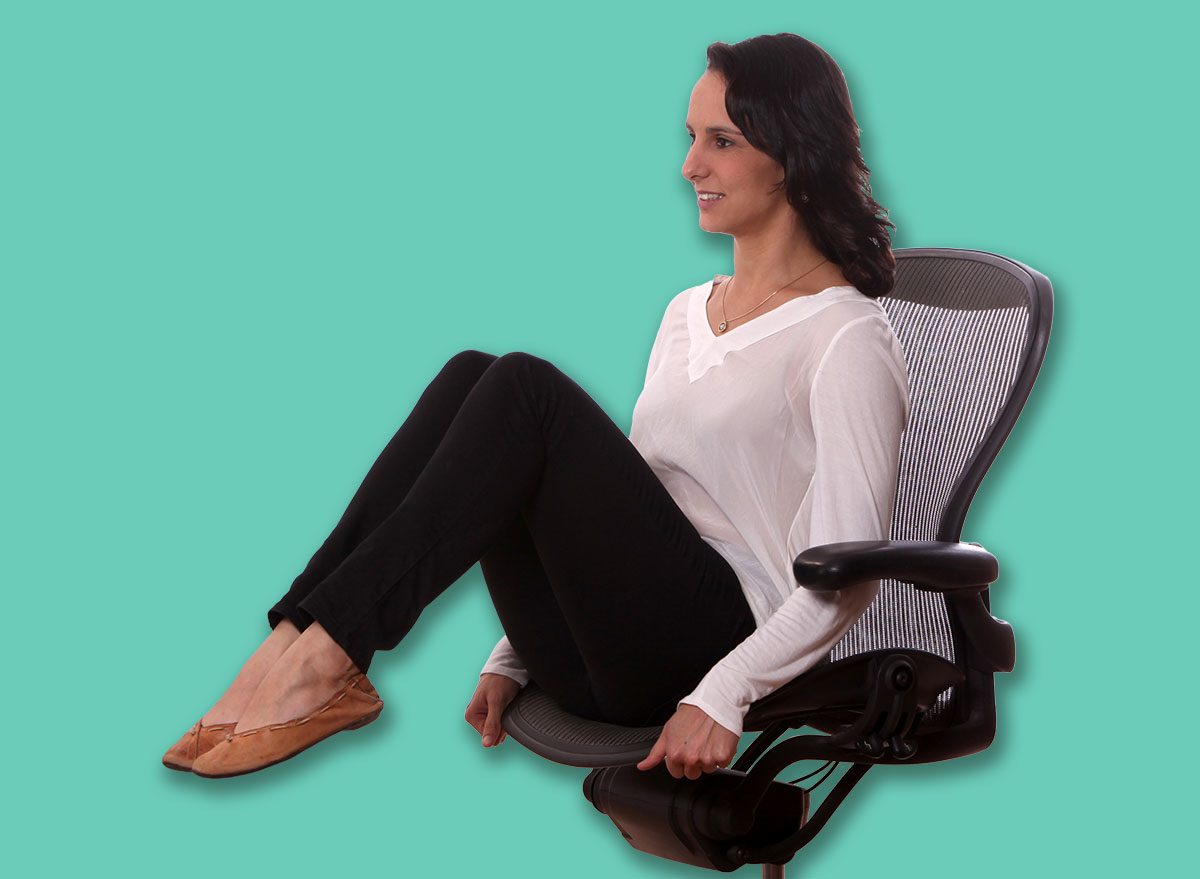
- Execution Guidance: Sit upright on the edge of a stable chair, ensuring your back is straight and your feet are flat on the floor. Grip the sides of the chair for added stability. Lean back slightly, engaging your abdominal muscles, and lift both feet off the floor. From this position, slowly draw your knees towards your chest, exhaling as you contract your core. Extend your legs back out to the starting position with control, inhaling as you release, ensuring your feet do not touch the floor until the set is complete.
- Recommended Volume: Complete 2 to 3 sets of 10 to 15 repetitions.
- Adaptations: For a simpler version, perform single-leg knee tucks, alternating legs. To increase difficulty, slow down the movement, holding the contracted position briefly.
- Form Focus: Prioritize maintaining a tall posture and engaging your core before initiating leg movement to prevent strain on the lower back. The effort should primarily originate from your abdominal muscles.
Seated Flutter Kicks: Cultivating Core Endurance and Dynamic Stability
Seated Flutter Kicks introduce a dimension of continuous core tension and endurance, differentiating them from the more concentric contractions of knee tucks. This exercise demands sustained activation of the abdominal muscles to stabilize the torso while the legs perform small, rapid movements. For older adults, developing core endurance is paramount, as it supports sustained postural integrity and reduces fatigue during daily activities, without the need for prolonged static holds like planks. The repetitive, controlled leg motion also engages the hip flexors, contributing to overall hip mobility and strength, which are crucial for maintaining gait and preventing falls.
- Execution Guidance: Sit on the edge of your chair with an upright posture, holding the sides for support. Lean back slightly, engaging your core, and lift both feet off the ground, extending your legs forward with a slight bend in the knees. From this position, rapidly alternate small, controlled up-and-down movements with your legs, as if gently kicking in water. Keep the range of motion minimal to maintain constant tension in your abdominal muscles. Breathe steadily throughout the exercise.
- Recommended Volume: Perform 2 to 3 sets, maintaining the flutter kicks for 20 to 30 seconds per set.
- Adaptations: Individuals can modify the exercise by bending their knees more for reduced leverage, or by performing single-leg flutter kicks to focus on one side at a time. Shorter intervals can also be used initially to build endurance.
- Form Focus: Ensure the kicks are small and controlled, preventing the lower back from arching excessively. The primary sensation should be consistent abdominal engagement.
Chair Reverse Lunge: Enhancing Unilateral Leg Strength and Balance
The Chair Reverse Lunge is a powerful addition that significantly elevates the lower body challenge within a chair-based routine, directly addressing strength imbalances and improving unilateral stability. Unlike bilateral exercises, lunges work each leg independently, which is crucial for improving balance, coordination, and the functional strength required for walking, climbing stairs, and navigating uneven terrain. The chair provides invaluable support, allowing individuals to focus on proper form and muscle engagement without compromising safety. By targeting the quadriceps, glutes, hamstrings, and calves, this exercise stimulates a large amount of muscle tissue, leading to a greater metabolic demand and more effective fat burning, including that in the abdominal region.
- Execution Guidance: Stand tall behind a sturdy chair, holding onto the backrest for balance. Step one foot directly backward, lowering your hips until both knees are bent at approximately a 90-degree angle. Ensure your front knee remains aligned over your ankle and your back knee hovers just above the floor. Push through the heel of your front foot to return to the starting position, maintaining control. Alternate legs with each repetition, or complete all reps on one side before switching.
- Recommended Volume: Execute 2 to 3 sets of 6 to 10 repetitions per leg.
- Adaptations: Beginners can perform smaller step-backs or supported split squats where the back foot remains stationary. Incorporating a brief pause at the bottom of the lunge can increase muscular time under tension.
- Form Focus: Rely on the chair purely for balance, ensuring the working leg bears the majority of the load. Maintain an upright torso and controlled movement throughout.
Integrating the Routine for Lasting Wellness Beyond 55
The true efficacy of these chair exercises is realized through consistent application and integration into a broader lifestyle framework. For adults over 55, sustainable improvements in core strength, body composition, and functional mobility necessitate a multifaceted approach that extends beyond the exercise session itself. Committing to this chair-based routine three to five days per week is a critical first step. Beginners should start with two rounds of the circuit and gradually progress to three as strength and familiarity increase. The objective is not high-intensity overload, but rather consistent, controlled effort that allows the body to adapt and strengthen over time.
Beyond structured exercise, a holistic strategy for enhancing metabolic health and reducing abdominal fat involves two key pillars: nutrition and daily movement. Incorporating daily walking or other forms of moderate cardiovascular activity complements the strength training by improving cardiovascular health, increasing caloric expenditure, and further aiding fat loss. Simultaneously, mindful nutrition, focusing on whole, unprocessed foods, adequate protein intake to support muscle mass, and controlled portion sizes, plays an indispensable role. Hydration and sufficient sleep are also crucial, as they influence hormonal balance and recovery.
Ultimately, addressing changes in body composition and fostering enduring physical vitality post-55 is a journey that thrives on patience, persistence, and a positive mindset. These chair-based exercises offer an empowering, safe, and highly effective pathway to achieve these goals, contributing significantly to improved quality of life and sustained independence.
About the Author