For a quarter of a century, a pioneering public-private collaboration has been systematically dismantling barriers to academic discovery, democratizing access to critical scholarly resources for institutions in low- and middle-income nations worldwide. This monumental initiative, known as Research4Life, recently commemorated its 25th anniversary, marking a significant milestone in its enduring mission to bridge the global knowledge divide. Conceived originally as a targeted effort to address health information disparities, the program has blossomed into a comprehensive global movement, profoundly influencing research capacity, educational advancement, and evidence-based policy-making across more than 120 countries.
The genesis of Research4Life can be traced back to the early 2000s, a period when the digital revolution was beginning to reshape information access, yet vast disparities persisted. Researchers, educators, and health professionals in developing countries often found themselves isolated from the latest scientific advancements, primarily due to prohibitive subscription costs for academic journals and databases. High-income nations benefited from extensive libraries and institutional subscriptions, while their counterparts in less affluent regions struggled to access even foundational research. Recognizing this critical imbalance, the World Health Organization (WHO) spearheaded a visionary three-year pilot initiative in 2001. The core idea was straightforward yet revolutionary: leverage partnerships with leading publishers to provide free or highly affordable access to essential biomedical and health research literature. This initial endeavor laid the groundwork for what would become one of the most successful and enduring partnerships in the realm of global scientific communication.
From its humble beginnings with just six publishing partners, Research4Life has experienced exponential growth, evolving into a sprawling consortium that now includes over 185 publishers and partner organizations. This expansion has translated into unprecedented access: more than 12,000 institutions across the globe can now tap into a vast digital library comprising over 250,000 journals, books, and scientific databases. This rich repository covers a multitude of disciplines, extending beyond health to encompass agriculture (through AGORA), environmental science (OARE), innovation and technology (ARDI), and law (GOALI), reflecting the diverse needs of its user base and the commitment of a broad spectrum of UN agencies, academic institutions, and industry associations. The World Intellectual Property Organization (WIPO), the Food and Agriculture Organization of the United Nations (FAO), the International Labour Organization (ILO), and the United Nations Environment Programme (UNEP) are among the key UN partners, alongside academic powerhouses like Cornell and Yale Universities, and the International Association of Scientific, Technical and Medical Publishers (STM). This robust multi-stakeholder model underscores the collective belief in scientific knowledge as a universal public good.
The quantifiable impact of Research4Life is compelling and speaks volumes about its effectiveness. Independent assessments have revealed a dramatic increase in research output from beneficiary countries, with publication rates surging by up to 75%. This surge is not merely about volume; it signifies a growing ability for researchers in LMICs to contribute meaningfully to the global scientific discourse, sharing local insights and addressing regional challenges with broader relevance. Furthermore, the partnership has been instrumental in boosting participation in international clinical trials by over 20%. This is particularly crucial for global health, as it ensures that clinical research benefits from diverse geographical and demographic representation, leading to more robust and universally applicable findings. A particularly noteworthy achievement lies in strengthening opportunities for women researchers, a demographic often facing compounded barriers in academic careers within many developing contexts. Studies indicate an increase in publication rates for women by up to 30% in countries where access challenges were most pronounced, signifying a tangible step towards gender equity in science.
Beyond these impressive statistics, Research4Life’s influence extends to fostering a more robust research ecosystem. By providing access to high-quality, peer-reviewed literature, the initiative empowers institutions to strengthen their internal research capacity. This means equipping academics and students with the foundational knowledge necessary to design sound studies, interpret complex data, and formulate innovative solutions. Crucially, this enhanced access underpins evidence-informed decision-making across various sectors. Policymakers in health ministries, agricultural departments, and environmental agencies can now consult the latest global research to shape interventions that are more effective, sustainable, and tailored to local contexts. For instance, a public health official battling an emerging infectious disease can quickly access global epidemiological data and treatment protocols, rather than relying on outdated or limited local resources. Similarly, an agronomist seeking to improve crop yields in drought-prone regions can draw upon international research in plant genetics or sustainable farming techniques.
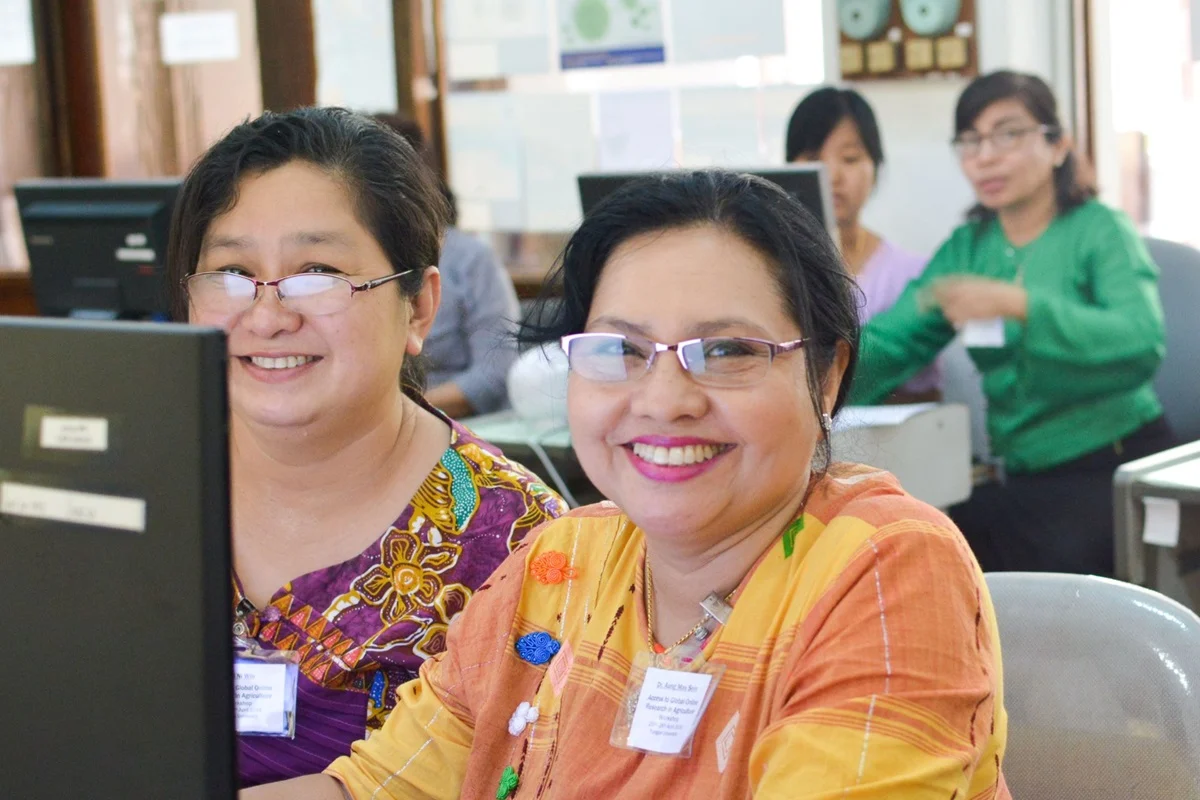
The partnership’s vision has also evolved beyond simply providing access to scientific publications. It actively seeks to foster meaningful participation in the global research community. This involves a multi-pronged approach encompassing training, publishing support, and collaborative initiatives. Research4Life offers comprehensive training programs designed to enhance researchers’ skills in literature searching, critical appraisal, scientific writing, and navigating the complexities of the peer-review and publication process. This empowers them not only to consume research but also to produce and disseminate their own high-quality work. Publishing support helps demystify the submission process, address ethical considerations, and identify suitable journals, thereby increasing the chances of successful publication. Furthermore, collaborative initiatives and networking opportunities connect researchers from LMICs with their peers internationally, fostering mentorship, joint projects, and greater visibility on the global stage – crucial elements for career progression and the development of vibrant research communities.
As the global research landscape continues its rapid evolution, Research4Life remains committed to adapting and innovating, guided by its ambitious 2030 Strategy. The advent of open science, while laudable in its aspiration to make research freely available, has inadvertently introduced new challenges, particularly in the form of Article Processing Charges (APCs). These fees, often required to publish in open-access journals, can present a significant financial barrier for researchers in LMICs who lack institutional funding or personal grants to cover such costs. This paradox means that while the content itself might be "open," the ability to contribute to it remains restricted for many. Addressing these emerging obstacles is paramount to ensuring that scientific knowledge truly remains a global public good – a resource from which all can benefit and to which all can contribute equitably. Research4Life’s future strategy will likely focus on advocating for waivers, exploring alternative publishing models, and potentially direct support mechanisms to enable researchers from beneficiary countries to disseminate their findings without financial impediments.
Dr. Sylvie Briand, Chief Scientist at the World Health Organization, succinctly captured the essence of Research4Life’s journey: "What began as an effort to close the knowledge gap in health has grown into a global movement for research equity." Her words underscore the transformative power of sustained collaboration and the moral imperative to ensure that geographical or economic circumstances do not dictate access to vital information. This pursuit of research equity aligns seamlessly with broader global development agendas, including the United Nations Sustainable Development Goals (SDGs), particularly those related to good health and well-being (SDG 3), quality education (SDG 4), innovation (SDG 9), and partnerships for the goals (SDG 17). By strengthening the capacity for independent, locally relevant research, Research4Life directly contributes to national self-sufficiency and sustainable progress.
The 25th anniversary is being commemorated through a series of events, including a pivotal Research4Life Partners Meeting hosted by WIPO. This gathering serves as an important forum for members to reflect on the partnership’s remarkable achievements over the past quarter-century and to collaboratively shape priorities for the forthcoming 2030 Strategy. It is a moment to reaffirm the collective commitment of all partners, past and present, whose dedication transformed a short-term pilot into a lasting global movement. Their ongoing efforts are critical not only for strengthening research capacity and advancing research equity but ultimately for translating knowledge into tangible improvements in global health and sustainable development worldwide. The enduring legacy of Research4Life is a testament to the power of collaboration in overcoming systemic inequalities and fostering a truly inclusive global scientific community.
About the Author