
Upon examination, medical professionals identified a significant intracranial mass, necessitating an urgent consultation with an oncologist. Subsequent diagnostic procedures confirmed the presence of glioblastoma, a formidable and highly aggressive form of brain cancer. The established therapeutic regimen for glioblastoma typically involves a multi-pronged approach, commencing with surgical intervention aimed at maximal tumor resection, followed by adjuvant radiation therapy and chemotherapy. Despite the implementation of these rigorous treatments, a frequent and disheartening outcome is the recurrence of the malignancy.
In response to the persistent challenges posed by glioblastoma, a team of investigators at the University of Calgary has embarked on a groundbreaking research endeavor, exploring the potential of high-dose vitamin B3, also recognized as niacin, to augment the efficacy of conventional treatment protocols. Mr. Waldner was extended an invitation to participate in a prospective clinical trial designed to assess this therapeutic hypothesis. Driven by a desire to contribute to medical advancement and to bolster his own well-being, Mr. Waldner readily accepted the opportunity to be part of the research initiative. He articulated that his involvement in this scientific inquiry provided a crucial psychological benefit, instilling a sense of proactive engagement in his recovery journey, particularly in contrast to the initial prognosis he received post-surgery, which offered limited further therapeutic options.
This pioneering study is under the scientific stewardship of Dr. Gloria Roldan Urgoiti, a distinguished specialist in brain oncology, and Dr. Wee Yong, a neuroscientist whose research intricately examines the interplay between the immune system and cerebral function. Both researchers are affiliated with prestigious institutions, including the Hotchkiss Brain Institute and the Arnie Charbonneau Cancer Institute, underscoring the caliber of expertise directing this critical research. Their collaborative efforts have culminated in the development of a comprehensive research program meticulously designed to ascertain whether niacin possesses the capacity to revitalize compromised immune cells, thereby enhancing their ability to target and eradicate tumorous cells. The foundational stages of this project were conducted within Dr. Yong’s laboratory, utilizing preclinical models in mice. These initial investigations yielded compelling results, indicating that niacin supplementation was associated with prolonged survival in the animal subjects, thereby paving the way for the subsequent initiation of a Phase I and II human clinical trial.
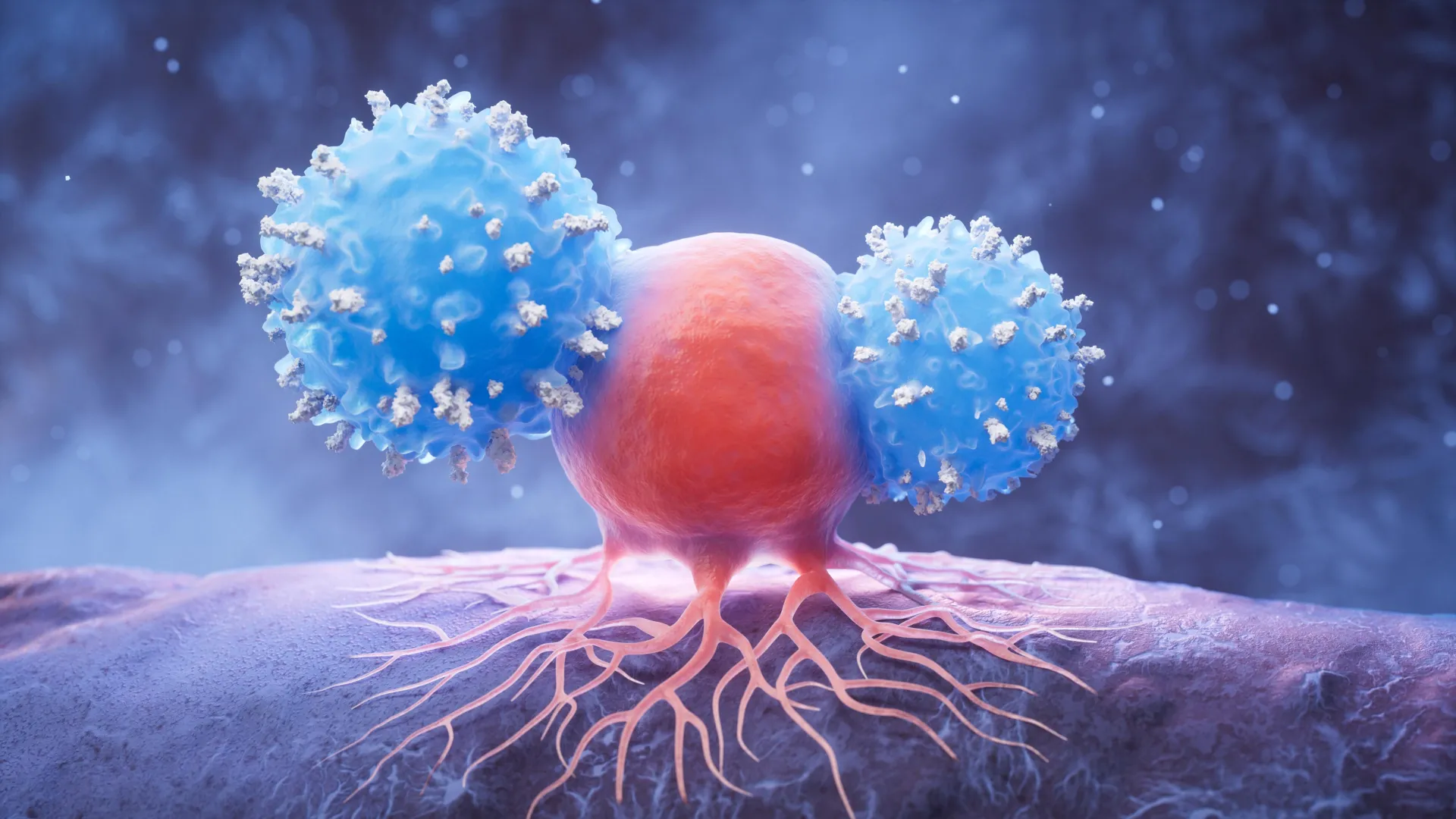
A central tenet of the research posits that the body’s immune system, under normal circumstances, actively endeavors to impede and prevent the proliferation of cancerous growths. However, glioblastoma exhibits a remarkable capacity to subvert and suppress these natural immunological defenses. Dr. Yong elaborated on this critical mechanism, describing niacin treatment as a method to "rejuvenate" immune cells, restoring their inherent functionality to effectively combat and eliminate cancer cells, framing the ongoing battle against this disease as a continuous "battle for the brain." The clinical trial was strategically conceived to meticulously determine the maximum tolerable dosage of controlled-release niacin that could be safely administered in conjunction with standard chemotherapy and radiotherapy, while simultaneously evaluating its potential therapeutic advantages. Prior to its commencement, researchers established a stringent benchmark for success: the trial would be discontinued if progression-free survival at the six-month mark did not demonstrate a quantifiable improvement of at least 20 percent when compared to historical data from prior studies.
The preliminary findings emanating from the initial cohort of 24 participants have demonstrably surpassed this predetermined efficacy threshold. At the conclusion of the six-month observation period, an impressive 82 percent of the study subjects exhibited no discernible evidence of disease progression. This outcome represents a significant 28 percent improvement over the benchmarks established by previous research endeavors. The investigators interpret these encouraging results as a beacon of hope for a malignancy that currently lacks a definitive cure.
Glioblastoma stands as the most formidable and aggressive form of brain cancer encountered in adult populations, and regrettably, the prognoses for patients afflicted with this condition have seen minimal substantial advancement over the past two decades. Dr. Roldan Urgoiti emphasized the critical importance of exploring any potential avenues for therapeutic intervention, while simultaneously stressing the absolute necessity for rigorous adherence to established protocols and vigilant safety monitoring throughout the research process. These pivotal findings have been formally disseminated through publication in the esteemed Journal of Neuro-Oncology, contributing valuable insights to the scientific community.
It is imperative for the researchers to underscore that the administration of elevated vitamin dosages, including niacin, carries inherent risks and can potentially lead to adverse health consequences if not meticulously supervised by qualified medical professionals. The ongoing research is actively progressing, with the research team anticipating the completion of its comprehensive final analysis following the enrollment of a total of 48 participants, projected to conclude by the close of 2026 or in the early months of 2027. Reflecting on his personal experience, Mr. Waldner reports feeling remarkably well in his current state. During his routine follow-up imaging appointments, he expresses profound gratitude for the consistent and reassuring assessment from his medical team, often summarized by the singular, encouraging word: "stable." This research initiative is generously supported by funding from the Canadian Institutes of Health Research and the Alberta Cancer Foundation, underscoring a collaborative commitment to advancing cancer research.
About the Author












