Global Aid Mobilizes: Vital Medical Supplies Reach Beirut to Bolster Post-Explosion Healthcare Response
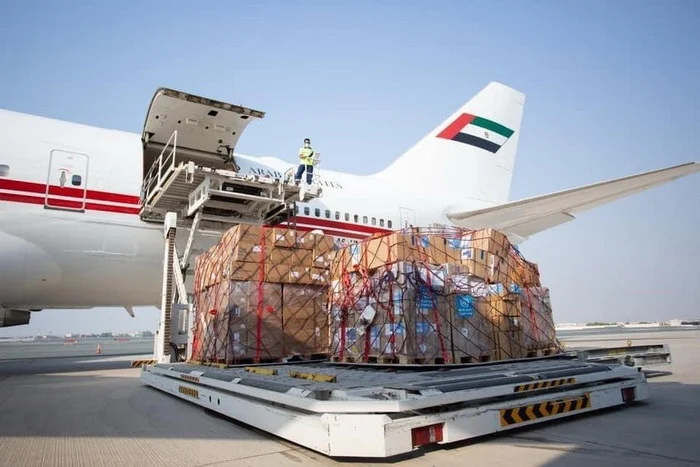
Beirut, Lebanon – In a critical display of international solidarity and urgent humanitarian intervention, a specialized aircraft laden with essential medical provisions has arrived in Beirut, delivering a much-needed lifeline to a nation grappling with the devastating aftermath of a colossal port explosion. This significant consignment, spearheaded by the World Health Organization (WHO), represents a crucial step in alleviating the immense pressure on Lebanon’s already beleaguered healthcare infrastructure, which was severely compromised by the catastrophic event of August 4th.
The tragic incident, stemming from the detonation of approximately 2,750 tonnes of ammonium nitrate stored unsafely at the city’s port, unleashed a shockwave that decimated vast swathes of the capital. The blast claimed over 200 lives, injured more than 6,000 individuals, and left hundreds of thousands displaced, causing property damage estimated in the billions of dollars. The scale of destruction was unprecedented, transforming a vibrant urban landscape into a scene of widespread devastation and plunging an already struggling populace into deeper despair.
Amidst the chaos, the immediate priority became the care of the wounded. Hospitals across Beirut and beyond were rapidly overwhelmed by an influx of patients suffering from a gruesome array of injuries, including severe burns, shrapnel wounds, lacerations, and trauma-induced fractures. The sheer volume of casualties stretched medical resources to their breaking point. Furthermore, the explosion itself directly incapacitated several vital healthcare facilities. Three hospitals within the blast radius were rendered completely non-functional, their structures severely compromised and equipment destroyed. An additional two hospitals sustained significant damage, forcing partial closures and reductions in operational capacity. This collective loss of bed space and specialized services created a critical deficit in the capital’s ability to cope, necessitating the transfer of injured patients to facilities as far south as Saida and as far north as Tripoli, placing an extraordinary burden on medical transport and regional hospitals.
Responding swiftly to this dire situation, the WHO mobilized its global logistics network. A cargo plane carrying approximately 20 metric tonnes of critical health supplies was dispatched from the organization’s primary logistics hub in Dubai. This rapid deployment was made possible through the generous donation of the aircraft by the Government of the United Arab Emirates, a steadfast partner in global health emergency responses. The cargo’s contents were meticulously curated to address the most pressing medical needs arising from the blast: kits designed to support 1,000 trauma interventions and an equal number of surgical procedures. These specialized kits contain essential instruments, sterile dressings, sutures, antibiotics, and other vital consumables necessary for treating complex injuries and performing life-saving operations, directly targeting the types of wounds sustained by the victims.
Dr. Iman Shankiti, the WHO Representative in Lebanon, articulated the organization’s profound empathy and unwavering commitment to the Lebanese people. She emphasized that the WHO’s mission extends beyond immediate aid, focusing on providing sustained, life-saving, and essential healthcare services. Dr. Shankiti highlighted the crucial coordination efforts underway with national health authorities, local health partners, and hospitals treating the wounded. This collaborative approach is designed to systematically identify evolving needs and ensure that support is deployed precisely where it is most impactful. The newly arrived supplies, for instance, are slated for immediate distribution to priority hospitals across Lebanon that are actively receiving and managing the extensive caseload of injured patients.
The explosion’s catastrophic impact did not occur in a vacuum; it compounded an already precarious situation in Lebanon. For months preceding the blast, the nation had been gripped by a multifaceted crisis, characterized by profound civil unrest, a crippling economic collapse, and the pervasive threat of the COVID-19 pandemic. The Lebanese pound had plummeted in value, leading to hyperinflation, widespread poverty, and a severe shortage of essential goods, including medicines and medical supplies. Public services were faltering, and social cohesion was under immense strain. Adding to these domestic challenges, Lebanon continued to host a disproportionately large number of refugees, placing additional pressure on its already stretched resources and social infrastructure. The collective weight of these crises had already tested the renowned resilience of the Lebanese population to an unprecedented degree.
The arrival of the WHO supplies, therefore, is not merely about addressing immediate physical injuries but also about shoring up a healthcare system that was already on the brink. A key concern for both the Ministry of Public Health and the WHO is ensuring the continuity of the ongoing COVID-19 response. The pandemic, with its specific demands on healthcare facilities, personal protective equipment, and public health messaging, had already created significant challenges. The blast exacerbated these, potentially hindering containment efforts and increasing the vulnerability of already at-risk populations. Protecting the most vulnerable citizens from both the immediate consequences of the explosion and the persistent threat of the pandemic remains a paramount objective.
Dr. Najat Rochdi, the UN Resident Coordinator in Lebanon, echoed the sentiment of collective responsibility and solidarity. She underscored that the United Nations system in Lebanon, in conjunction with its diverse partners, had mobilized comprehensively to provide immediate humanitarian assistance. This concerted effort is designed to buttress the Lebanese Government’s response to this profound tragedy. Dr. Rochdi conveyed a powerful message of unity, reaffirming the international community’s unwavering commitment to standing with Lebanon during this exceptionally difficult period. This multi-agency approach ensures a coordinated and effective response, addressing not only medical needs but also broader humanitarian concerns such such as shelter, food security, and psychological support for those traumatized by the event.
The path to recovery for Beirut and Lebanon will be arduous and protracted. Beyond the immediate medical emergency, the nation faces monumental tasks of reconstruction, economic revitalization, and addressing the deep-seated psychological trauma inflicted upon its citizens. The international community’s continued engagement, through financial aid, technical expertise, and sustained humanitarian assistance, will be indispensable in supporting Lebanon through this challenging chapter and helping its people rebuild their lives and their vibrant capital. The arrival of these vital medical supplies is a beacon of hope, symbolizing that Lebanon is not alone in its hour of need, and that global solidarity remains a powerful force in mitigating the impact of humanitarian catastrophes.

Related News