A World in Crisis: The Mounting Peril and Indispensable Role of Global Humanitarian Responders.
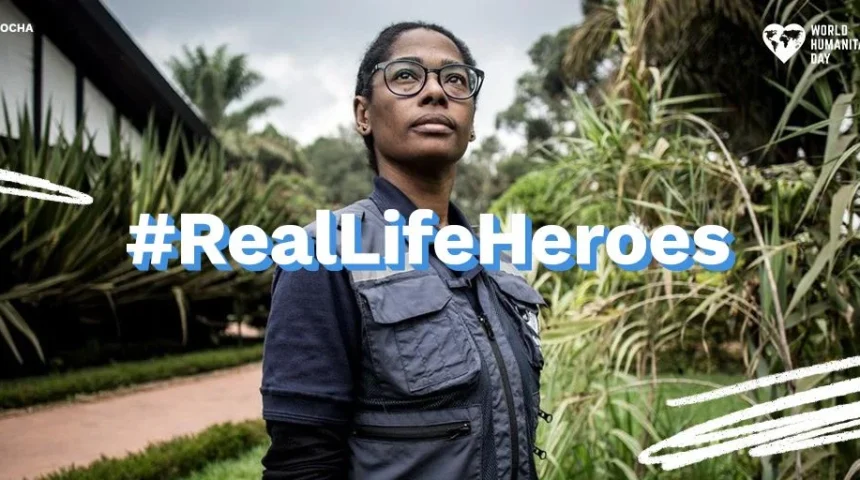
Annually, on August 19th, the global community pauses to acknowledge the profound sacrifices and unwavering commitment of humanitarian aid workers worldwide. This designated day, World Humanitarian Day, serves as a poignant reminder of the lives lost in service, the escalating dangers faced by those delivering assistance, and the ever-growing needs of populations caught in the throes of conflict, displacement, disaster, and disease. In 2020, this observance carried an exceptional weight, unfolding against the backdrop of a global pandemic that not only amplified existing vulnerabilities but also introduced unprecedented complexities and risks for humanitarians striving to reach the most vulnerable.
The genesis of World Humanitarian Day is rooted in a tragic event that underscored the profound risks inherent in aid work. On August 19, 2003, a devastating terrorist attack on the United Nations headquarters in Baghdad, Iraq, claimed the lives of 22 individuals. Among the deceased was Sergio Vieira de Mello, the UN Secretary-General’s Special Representative for Iraq, a highly respected diplomat with a distinguished career dedicated to humanitarian service and peacebuilding. Five years later, in 2008, the United Nations General Assembly formally recognized this date, establishing World Humanitarian Day to both honor fallen humanitarians and advocate for the safety and security of all aid personnel. Since that fateful day in Baghdad, the toll has mounted significantly, with nearly 5,000 humanitarians reportedly killed, wounded, or abducted in the line of duty, starkly illustrating the increasingly perilous environment in which aid operations are conducted.
The landscape of humanitarian action has undergone a dramatic transformation in recent decades, characterized by the increasing frequency and severity of complex emergencies. Protracted conflicts, often intra-state, have created vast populations of internally displaced persons and refugees, while climate change fuels more intense and unpredictable natural disasters. Economic instability, political fragility, and inadequate governance further exacerbate these challenges, trapping millions in cycles of deprivation and vulnerability. In this intricate web of crises, humanitarian workers act as a critical lifeline, providing essential services ranging from emergency food and shelter to healthcare, education, and protection. They embody a collective commitment to alleviating suffering, guided by principles of humanity, neutrality, impartiality, and independence, often operating in environments where these very principles are under siege.
The year 2020, marked by the rapid global spread of the COVID-19 pandemic, presented a new dimension of crisis that rippled through every aspect of humanitarian operations. The virus not only threatened the health of aid workers themselves but also introduced a cascade of logistical and operational hurdles. Strict movement restrictions, border closures, and lockdowns complicated the delivery of vital supplies and the deployment of personnel. Supply chains, already fragile in many conflict-affected regions, experienced unprecedented disruptions, leading to shortages of essential goods, including medical equipment and protective gear. Furthermore, the pandemic triggered a significant surge in humanitarian needs. Economic shutdowns pushed millions into poverty, food insecurity escalated, and health systems in vulnerable countries, already struggling, faced collapse. The global health emergency also fueled misinformation and stigmatization, particularly affecting marginalized communities, adding another layer of complexity to humanitarian response efforts.
Amidst these escalating challenges, the fundamental threat to the safety and security of aid workers has alarmingly intensified. Data from the Aid Worker Security Database, maintained by Humanitarian Outcomes, paints a grim picture of this escalating peril. The year 2019 witnessed a record number of major attacks against humanitarians, surpassing all previous years on record. A staggering 483 relief workers were victims of violence, with 125 killed, 234 wounded, and 124 abducted across 277 separate incidents. This represented an 18 percent increase in the number of victims compared to 2018, signaling a deeply concerning trend. The preceding decade, from 2010 to 2019, experienced a 117 percent increase in attacks compared to the period between 2000 and 2009, underscoring a systemic erosion of respect for humanitarian principles and international law.
A particularly disturbing aspect of this trend has been the surge in direct attacks against healthcare professionals and facilities. In 2019, medics in conflict zones like Syria, already grappling with a devastated health infrastructure, faced deliberate targeting. Similarly, in the Democratic Republic of the Congo (DRC), health workers battling the deadly Ebola virus disease were subjected to violent assaults, disrupting critical public health interventions and endangering both responders and communities. These attacks are not merely statistics; they represent a direct assault on the fundamental right to health and a flagrant violation of international humanitarian law, which explicitly protects medical personnel and facilities in armed conflict. Such acts not only hinder immediate relief efforts but also inflict long-term damage on communities by dismantling essential services and instilling fear among those who would otherwise provide care.
The geographical concentration of these major attacks highlights regions grappling with severe, protracted crises. Syria consistently ranked as the most dangerous country for aid workers, reflecting the brutal and prolonged nature of its civil conflict. Other hotspots included South Sudan, the Democratic Republic of the Congo, Afghanistan, and the Central African Republic. Mali and Yemen, both experiencing escalating conflicts and humanitarian emergencies, saw a doubling of major attacks from the previous year, further illustrating the expanding reach of violence against aid providers. The United Nations and its partners have consistently condemned these reprehensible acts, reiterating the fundamental principle that relief workers are not, and must never be, a target. Calls for accountability for perpetrators and justice for survivors are a constant refrain, yet impunity remains a significant barrier to safeguarding humanitarian space.
Despite the formidable obstacles and grave dangers, the resilience and unwavering dedication of humanitarians remain a beacon of hope. Many of these "real-life heroes" are not international expatriates but individuals working within their own communities – local health workers, members of civil society organizations, and even refugees who, having experienced displacement themselves, are uniquely positioned to understand and respond to the needs of their peers. Their intimate knowledge of local contexts, cultural sensitivities, and community trust are invaluable assets, particularly during a crisis like COVID-19 where localized responses are paramount. For instance, refugee health workers played essential roles in pandemic response efforts, leveraging their skills and commitment to serve both host and displaced populations. Similarly, medical professionals with experience battling Ebola in the DRC readily adapted their expertise to confront the new viral threat, demonstrating remarkable adaptability and courage. Doctors and nurses globally continued to provide critical healthcare, often under immense pressure and with inadequate resources, ensuring that women and children, among others, still received life-saving attention.
The international community, led by figures such as Mark Lowcock, the Under-Secretary-General for Humanitarian Affairs and Emergency Relief Coordinator at the time, has consistently emphasized the dual imperative of supporting and protecting these frontline workers. Lowcock’s message of gratitude resonated globally: "To humanitarian workers everywhere doing important, courageous work on the front lines, we say Thank You. You are saving lives every day, and as new challenges and crises are piling on to existing ones, your perseverance is an inspiration." Beyond mere words of appreciation, however, he underscored the concrete actions required. "Your protection is also paramount to making sure we can deliver to people most in need. The best way to pay tribute to humanitarian workers is by funding their work and ensuring their safety."
This call to action is more critical than ever. Adequate and flexible funding is essential to bridge the persistent gap between soaring humanitarian needs and available resources. Financial contributions enable organizations to procure supplies, deploy personnel, and implement programs effectively, especially in emergencies that demand rapid and adaptive responses. Equally vital is the unwavering commitment to ensuring the safety and security of aid workers. This involves a multi-faceted approach, encompassing diplomatic advocacy for adherence to international humanitarian law, robust security protocols on the ground, and fostering environments of respect for humanitarian principles. It also necessitates holding perpetrators of attacks accountable, thereby deterring future violence and upholding the sanctity of humanitarian space.
As the world continues to navigate complex crises, the role of humanitarian responders remains indispensable. World Humanitarian Day serves as a powerful annual reminder that while the challenges are immense and the dangers undeniable, the human spirit of compassion and dedication endures. It is a day not only to mourn those lost but also to celebrate the courageous individuals who tirelessly bring food, shelter, healthcare, protection, and hope to millions whose lives have been shattered. Their resilience in the face of adversity, their unwavering commitment to humanity, and their readiness to serve in the most challenging environments define the very essence of humanitarianism, demanding our collective support, protection, and profound gratitude.

Related News