Global Child Mortality Progress Under Severe Threat as Pandemic Disrupts Essential Health Services.
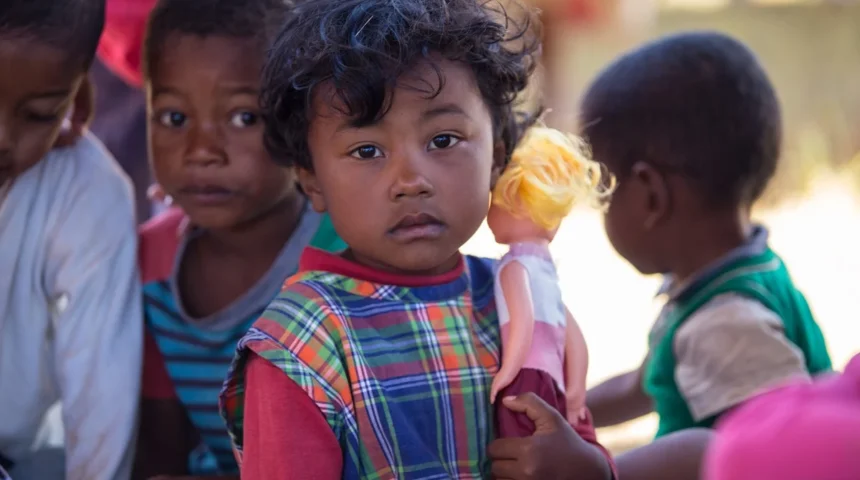
A monumental stride in global health, the number of children dying before their fifth birthday, reached an unprecedented low in 2019, culminating decades of dedicated international effort. However, this hard-won progress now faces an existential threat, as the pervasive impact of the COVID-19 pandemic severely destabilizes vital health systems worldwide. International organizations, including UNICEF, the World Health Organization (WHO), the United Nations Population Division, and the World Bank Group, are issuing urgent warnings that disruptions to essential maternal and child health services could precipitate a tragic reversal, potentially costing millions of young lives that had previously been safeguarded.
For over thirty years, the global community has witnessed a remarkable transformation in child survival rates. From an estimated 12.5 million under-five deaths in 1990, the figure dramatically declined to 5.2 million by 2019. This significant achievement was not coincidental but the direct result of concerted global initiatives focusing on preventative care, improved sanitation, widespread vaccination campaigns, enhanced nutritional support, and the provision of skilled birth attendance. These interventions targeted the primary causes of child mortality, such as complications arising from preterm births, low birth weight, birth-related trauma, neonatal sepsis, and common infectious diseases like pneumonia, diarrhea, and malaria. The collective investment in these areas had been steadily yielding positive outcomes, fostering a global environment where more children survived to see their first birthday than at any other point in recorded history.
The advent of the COVID-19 pandemic, however, has introduced an unprecedented challenge to this trajectory. The global health crisis has not only directly impacted individuals infected with the SARS-CoV-2 virus but has also exerted immense indirect pressure on healthcare infrastructures, diverting resources, personnel, and attention away from routine, yet critical, services. This systemic strain is leading to widespread interruptions in crucial health services tailored for mothers and young children.
Surveys conducted by UNICEF and WHO across numerous countries reveal the alarming extent of these disruptions. A UNICEF assessment spanning 77 nations indicated that approximately 68% reported some degree of interruption in child health check-ups and immunization programs. Similarly, 63% experienced disruptions in antenatal care, and 59% in postnatal support. Concurrently, a WHO survey, gathering data from 105 countries, highlighted that over half of the responding nations—52%—reported impediments to services for sick children, while 51% faced challenges in managing malnutrition cases. These statistics paint a grim picture of a global healthcare landscape struggling to maintain foundational services amidst the pandemic’s demands.
The reasons behind these widespread service interruptions are multifaceted, stemming from both systemic pressures and behavioral changes. A primary factor identified is the widespread apprehension among parents and caregivers regarding seeking medical attention for their children due to fears of contracting COVID-19 at health facilities. This reluctance often leads to delays in crucial vaccinations, routine check-ups, and seeking care for common childhood illnesses, exacerbating potential health issues. Furthermore, governmental measures implemented to curb the pandemic, such as transportation restrictions and lockdowns, have hindered access to healthcare facilities, particularly in rural or underserved areas.
On the supply side, health systems are grappling with resource constraints. The redirection of healthcare workers to COVID-19 response efforts, coupled with staff shortages due to illness or fear of infection (often exacerbated by inadequate personal protective equipment), has led to the suspension or complete closure of certain services and facilities. Financial hardships, both at the individual and national levels, also play a significant role. Families facing economic distress may find it challenging to afford transportation or medical fees, while national budgets are stretched thin balancing pandemic response with other essential services.
The impact of these disruptions is not uniformly distributed. Nations already contending with fragile health systems, high baseline child mortality rates, and socio-economic vulnerabilities are bearing the brunt of the crisis. Countries like Afghanistan, Bolivia, Cameroon, the Central African Republic, Libya, Madagascar, Pakistan, Sudan, and Yemen have been identified as among the hardest hit. In many of these regions, the pre-existing challenges are compounded by conflict, poverty, and limited access to basic healthcare, making them particularly susceptible to the pandemic’s cascading effects.
Consider Afghanistan, where in 2019, one in every seventeen children died before reaching their fifth birthday. The country’s Ministry of Public Health has documented a substantial decline in visits to healthcare facilities, as families, out of fear of contracting the virus, prioritize avoiding potential exposure over essential prenatal and postnatal care. This shift places both expectant mothers and newborn infants at heightened risk. Similarly, in Cameroon, which saw one in thirty-eight newborns perish in 2019, the UNICEF survey estimated a staggering 75% disruption in crucial services including essential newborn care, antenatal examinations, obstetric support, and postnatal follow-ups.
Newborns represent the most vulnerable demographic within the under-five age group. In 2019, a newborn died every thirteen seconds, with neonatal deaths accounting for 47% of all under-five fatalities, an increase from 40% in 1990. This demographic is critically dependent on sustained, high-quality maternal and neonatal care, making them exceptionally susceptible to the current service disruptions. For instance, the presence of professionally trained midwives, adhering to international standards, significantly reduces the likelihood of infant loss by 16% and decreases the incidence of preterm births by 24%. The widespread interruption of such specialized care directly imperils the lives of countless newborns.
Early modeling from Johns Hopkins University in May indicated a dire potential outcome: nearly 6,000 additional children could die each day as a direct consequence of pandemic-related healthcare disruptions. This stark projection underscores the urgency of addressing the crisis beyond immediate COVID-19 treatment.
Leaders of global health organizations are unanimous in their call for immediate and sustained action. Henrietta Fore, UNICEF’s Executive Director, emphasized that the global community has invested too much in reducing preventable child deaths to allow the pandemic to derail this progress. She highlighted that when healthcare systems are overwhelmed, or when individuals fear seeking care, they become indirect casualties of the pandemic, stressing the need for urgent investments to revitalize disrupted health systems. Dr. Tedros Adhanom Ghebreyesus, Director-General of WHO, echoed this sentiment, asserting that the world must leverage proven strategies to save lives and continue investing in robust, resilient health infrastructures.
Muhammad Ali Pate, Global Director for Health, Nutrition and Population at the World Bank, underscored the imperative to safeguard life-saving services critical for reducing child mortality. He affirmed the World Bank’s commitment to collaborating with governments and partners to fortify healthcare systems, ensuring mothers and children receive necessary care. John Wilmoth, Director of the Population Division of the United Nations Department of Economic and Social Affairs, while acknowledging the progress in child mortality reduction, drew attention to the need to rectify significant inequities in a child’s prospects for survival and health, a challenge exacerbated by the pandemic.
The international community must prioritize restoring and enhancing childbirth services, alongside comprehensive antenatal and postnatal care for mothers and infants. This includes ensuring that skilled health workers are available to assist at birth and throughout the early developmental stages. Furthermore, concerted efforts are required to reassure parents and caregivers, alleviating their fears about accessing healthcare facilities and communicating the importance of continued routine care.
Ultimately, the COVID-19 pandemic has not merely presented a public health crisis but has exposed the vulnerabilities within global health systems, particularly concerning maternal and child health. The decades of dedicated work to improve child survival are now in serious jeopardy. Moving forward, the focus must extend beyond containing the virus to building more resilient, equitable health systems capable of withstanding future shocks, thereby protecting the most vulnerable populations and ensuring that the hard-won gains in child survival are not tragically undone.

Related News