
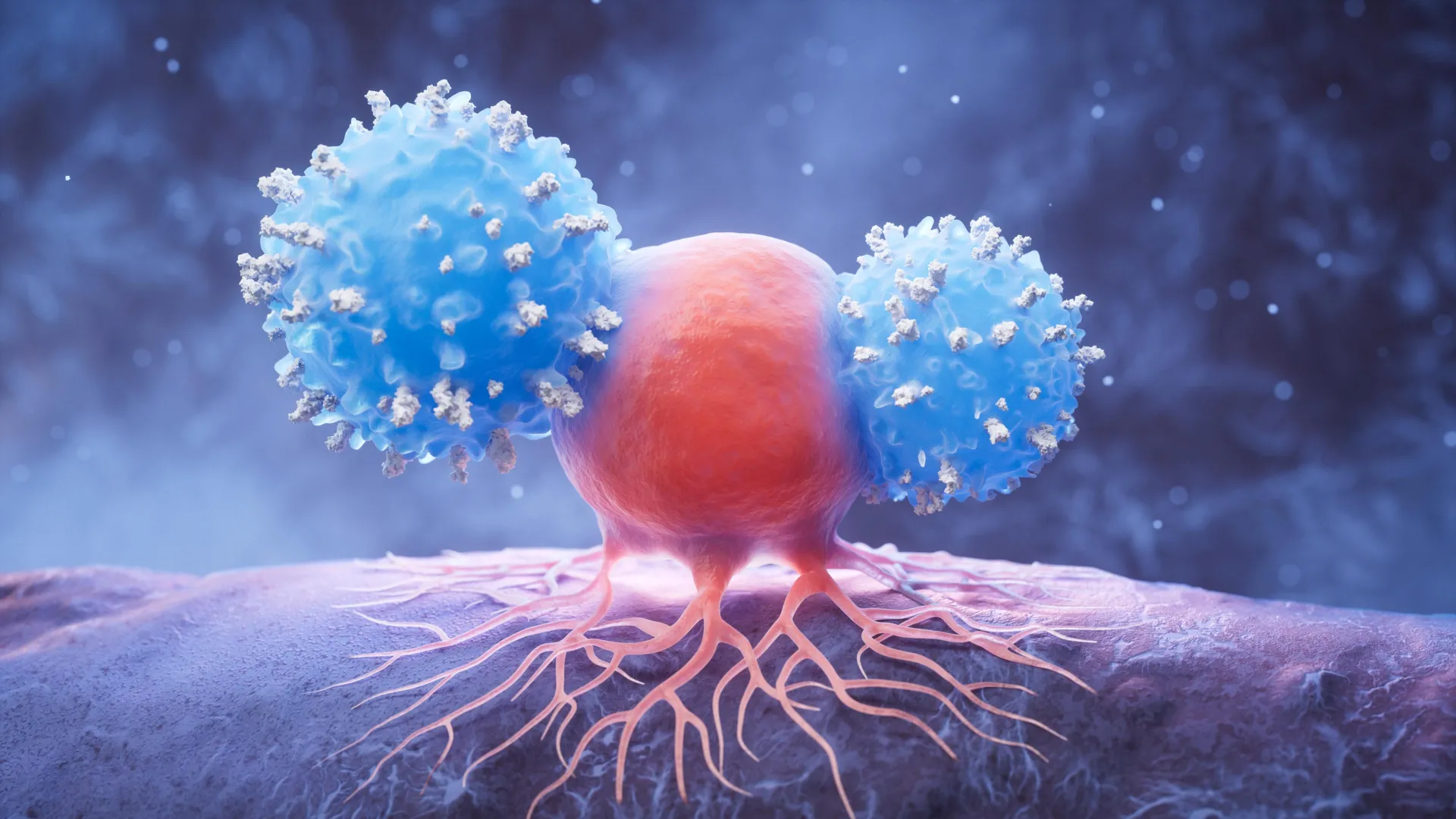
Glioblastoma multiforme (GBM) stands as one of the most formidable and devastating brain cancers, a diagnosis that often carries a profoundly grim prognosis. For decades, advancements in the treatment of this aggressive malignancy have been agonizingly slow, leaving patients and their families with limited options and a pervasive sense of despair. The standard therapeutic regimen—comprising surgical resection, followed by radiation and chemotherapy—has seen only marginal improvements in patient survival rates over the past two decades. This enduring challenge underscores the critical need for innovative research and novel approaches to combat a disease notorious for its rapid progression and high rates of recurrence.
Edward Waldner, at 55 years old, experienced firsthand the insidious onset of this unforgiving illness. Initially, his symptoms were subtle, a creeping exhaustion that seemed disproportionate to his daily activities, leading him to ponder common conditions like sleep apnea. However, the manifestations soon became more alarming, evolving into distinct changes in his gait. He described a sensation of his heels dragging, a disquieting alteration in his normal movement patterns. The accumulating oddities eventually compelled him to seek urgent medical attention, leading him to an emergency department visit where he received the life-altering news: a mass had been discovered in his brain, necessitating immediate consultation with an oncologist. This mass was subsequently identified as glioblastoma, setting him on a path of intensive treatment and profound uncertainty.
The inherent difficulty in treating glioblastoma stems from its highly invasive nature. Unlike many other tumors, GBM cells do not form a neatly defined mass; instead, they infiltrate surrounding healthy brain tissue like tendrils, making complete surgical removal virtually impossible without causing irreparable neurological damage. Even when surgeons meticulously excise as much of the visible tumor as safely possible, microscopic malignant cells invariably remain, leading to inevitable recurrence in the vast majority of cases. This biological reality has long frustrated clinicians and researchers alike, highlighting the need to look beyond traditional methods.
In a promising new direction, researchers at the University of Calgary are exploring an unconventional adjuvant therapy: high doses of niacin, commonly known as vitamin B3. This innovative investigation, based at the institution’s renowned Hotchkiss Brain Institute and Arnie Charbonneau Cancer Institute, seeks to harness the body’s own defense mechanisms against glioblastoma. Mr. Waldner, facing the stark reality of his diagnosis and the limitations of conventional care, willingly enrolled in the clinical trial. He articulated a profound sense of purpose in his participation, stating, "I have no problem trying to help anybody. I agreed. I want to help myself too. I can tell you being part of this research helps me mentally because we’re trying. When I left the hospital after surgery I was told, that’s it, that’s all we can do." His words encapsulate the hope and psychological benefit that participation in cutting-edge research can offer patients confronting such a dire prognosis.
The interdisciplinary research team leading this effort comprises Dr. Gloria Roldan Urgoiti, an oncologist specializing in brain cancers, and Dr. Wee Yong, a neuroscientist whose work focuses on the intricate interplay between the immune system and the central nervous system. Their collaborative approach addresses a critical vulnerability of glioblastoma: its ability to subvert and incapacitate the host’s immune response. Glioblastoma tumors are known to create an immunosuppressive microenvironment, effectively disarming immune cells that would otherwise recognize and attack cancerous cells. This strategic immune evasion is a key factor in the tumor’s relentless growth and resistance to treatment.
The scientific premise underpinning this trial originated in Dr. Yong’s laboratory, where extensive preclinical studies utilizing mouse models yielded compelling results. These experiments demonstrated that niacin administration could significantly prolong survival in subjects with glioblastoma. The observed mechanism involved the "rejuvenation" of immune cells, enabling them to overcome the tumor’s suppressive tactics and actively engage in the fight against cancer cells. Dr. Yong, a professor at the Cumming School of Medicine (CSM), describes this dynamic as an ongoing "battle for the brain," emphasizing the vital role of an activated immune system. These encouraging findings provided the crucial impetus to translate the laboratory discovery into a human clinical trial.
The current investigation is designed as a combined Phase I and Phase II clinical trial. Phase I trials primarily prioritize safety, meticulously determining the maximum tolerable dose of a new treatment and identifying any potential adverse effects. Following this, Phase II studies begin to assess the efficacy of the treatment, looking for preliminary signs of clinical benefit. For this particular trial, researchers are administering a controlled-release formulation of niacin alongside the established standard of care, which includes chemotherapy and radiotherapy. One of the primary objectives is to establish the optimal and safest dosage of niacin when combined with these conventional therapies. Concurrently, the study aims to evaluate whether the addition of niacin can improve "progression-free survival" (PFS), a critical endpoint in oncology trials that measures the duration of time a patient lives without their cancer worsening.
The preliminary data emerging from the trial, involving an initial cohort of 24 patients, has provided a significant glimmer of hope. Before the study commenced, the researchers established a stringent benchmark for continuing the trial: an improvement in progression-free survival at six months of at least 20 percent compared to historical data from older studies. Remarkably, the early results surpassed this predefined threshold. At the six-month mark, an impressive 82 percent of the participants had not experienced any progression of their cancer. According to the research team, this figure represents a 28 percent increase in progression-free survival compared to what has been observed in previous studies of glioblastoma patients receiving standard care alone.
While these initial findings are undeniably promising for a cancer that has long defied effective treatment, the researchers are careful to emphasize their preliminary nature. The results are derived from a relatively small patient group, and larger, randomized trials will be necessary to definitively confirm these observations and establish the full clinical benefit. Dr. Roldan Urgoiti, a clinical associate professor at the CSM, underscored the urgency of the research, stating, "Glioblastoma is the most aggressive brain cancer in adults. Survival of patients with this condition hasn’t changed significantly for 20-years. Anything that may help should be explored, but it requires strict protocols and safety monitoring." The publication of these early findings in the prestigious Journal of Neuro-Oncology lends scientific credence to the potential of this novel approach.
It is crucial to stress that while niacin is a readily available vitamin, the high doses being utilized in this clinical trial are far beyond typical dietary intake and should not be considered harmless. Large quantities of any vitamin, including niacin, can be toxic and may induce significant adverse effects if consumed without appropriate medical supervision. The dosages and treatment protocols employed in the clinical trial are meticulously controlled, administered, and monitored by a dedicated team of medical professionals to ensure patient safety. Individuals should under no circumstances attempt to self-medicate with high-dose niacin, particularly if they are undergoing cancer treatment, due to the inherent risks and potential interactions with other medications.
Looking ahead, the research team aims to expand the trial to include a total of 48 participants. The final analysis of the study’s comprehensive data is anticipated by the end of 2026 or in early 2027. For patients like Mr. Waldner, who continues to navigate his glioblastoma journey, the trial represents more than just a potential treatment; it offers a lifeline of hope and active engagement in his fight against the disease. He reports feeling very good, finding immense relief and gratitude in his routine scans whenever the reassuring word "stable" appears. This ongoing research, supported by vital funding from the Canadian Institutes of Health Research and the Alberta Cancer Foundation, exemplifies the relentless pursuit of breakthroughs against one of medicine’s most formidable adversaries, offering a new pathway in the complex battle against brain cancer.
About the Author









