
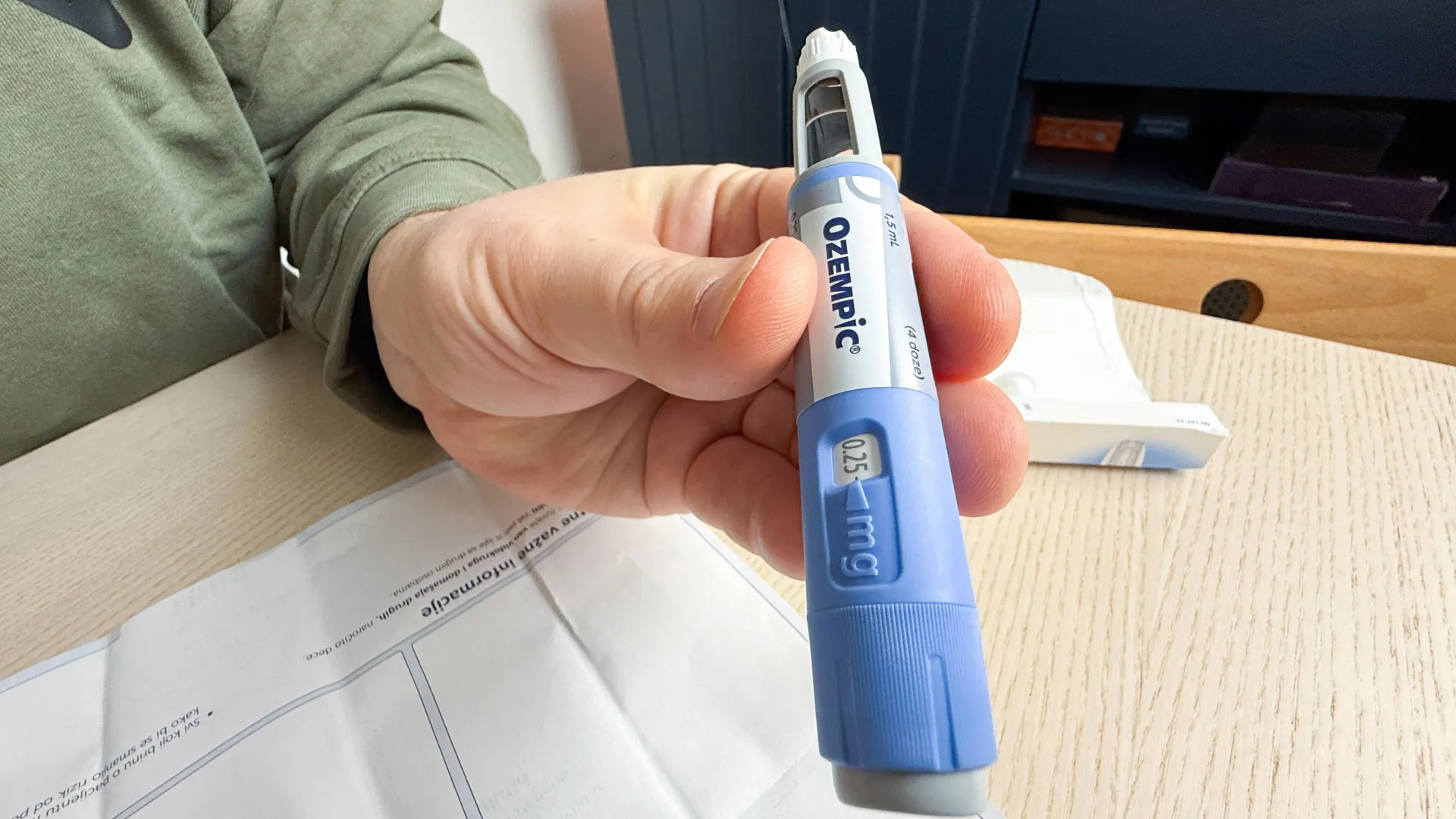
Recent scientific inquiry from Griffith University has unveiled a potentially transformative connection between glucagon-like peptide-1 receptor agonists (GLP-1RAs), a class of drugs primarily recognized for their efficacy in managing type 2 diabetes and facilitating weight reduction, and improvements in mental well-being, particularly for individuals diagnosed with bipolar disorder. This revelation emerges from a comprehensive analysis of extensive national health data, hinting at a therapeutic avenue previously unexplored for a condition that affects millions globally.
Bipolar disorder, characterized by extreme shifts in mood, energy, activity levels, and concentration, often coexists with metabolic conditions such as diabetes and obesity, suggesting a complex interplay of underlying biological pathways. Globally, an estimated one in every 200 individuals, amounting to approximately 37 million people, navigate the challenges of living with this chronic mental health condition, according to recent figures from the World Health Organization. While GLP-1 medications have firmly established their role in endocrinology and weight management, their direct impact on psychiatric conditions like bipolar disorder has remained a subject of considerable uncertainty and ongoing investigation.
To rigorously explore this nascent link, a distinguished research team, spearheaded by Professor Mark Taylor from Griffith’s School of Medicine and Dentistry, undertook an in-depth examination of anonymized Swedish population-level data. Their meticulous study encompassed the medical histories of nearly 15,000 individuals diagnosed with bipolar disorder who had been prescribed GLP-1 medications over a substantial 15-year timeframe. This large-scale retrospective analysis aimed to discern any correlative patterns between the use of these specific pharmaceutical agents and psychiatric outcomes.
The findings from this extensive dataset yielded a striking observation: individuals with bipolar disorder who were undergoing treatment with semaglutide, a prominent GLP-1 medication marketed under brand names such as Ozempic and Wegovy, demonstrated demonstrably lower incidences of psychiatric hospitalizations when contrasted with periods during which they were not receiving these particular medications. Professor Taylor articulated that these results contribute significantly to a growing body of evidence suggesting that GLP-1 receptor agonists possess therapeutic potential that extends far beyond their established indications for diabetes and obesity. He further posited that this research may illuminate a promising new direction for scientific exploration within the field of bipolar disorder treatment and management.
Quantifying this observed association, the research indicated that the utilization of semaglutide was linked to a notable 21 percent reduction in the risk of requiring psychiatric hospitalization among the study cohort. This statistical finding is particularly compelling, suggesting a tangible and quantifiable impact on a critical indicator of symptom severity and relapse in bipolar disorder.
The underlying mechanisms by which semaglutide might exert these beneficial effects on brain-related processes are still under active investigation, but preliminary hypotheses point towards its influence on neurobiological pathways. Researchers propose that the modulation of GLP-1 signaling within the brain could play a protective role, potentially by mitigating neuroinflammation, alleviating cellular stress, and positively impacting other biological processes that are frequently implicated in the pathophysiology of bipolar disorder. These neuroprotective effects, if confirmed, could translate into enhanced mood stability and a diminished susceptibility to relapse, offering a novel therapeutic strategy for managing this complex psychiatric condition.
However, it is crucial to note that this observed association was not uniformly present across all medications within the GLP-1 receptor agonist class. The study’s analysis revealed that other GLP-1 medications, such as liraglutide and dulaglutide, did not demonstrate a similar correlation with a reduced risk of psychiatric hospitalization. This differential effect suggests that any potential mental health benefits associated with this drug class may be specific to certain molecular structures or modes of action, rather than being a universal property of all GLP-1 receptor agonists. This specificity underscores the need for continued granular research to pinpoint the exact agents and mechanisms responsible for the observed psychiatric improvements.
Professor Taylor expressed his anticipation that these findings will serve as a catalyst for further, more definitive research, specifically advocating for the initiation of randomized controlled trials. Such trials, characterized by their rigorous design and ability to establish causality, would provide a higher level of evidence to ascertain whether semaglutide itself can directly lead to improved psychiatric outcomes in individuals living with bipolar disorder. The transition from observational studies to controlled clinical trials is a critical step in validating therapeutic claims and paving the way for potential clinical integration.
The groundbreaking research, formally documented in the publication titled ‘Use of glucagon-like peptide 1 receptor agonists and the associated risk of hospitalisation in bipolar disorder, from a nationwide cohort, 2009-2024,’ has been published in the esteemed scientific journal Acta Psychiatrica Scandinavica. This publication marks a significant contribution to the scientific literature, opening new avenues for understanding the intricate relationship between metabolic health, neurobiology, and mental well-being, and offering a glimmer of hope for improved therapeutic strategies for individuals affected by bipolar disorder. The implications of these findings extend beyond the immediate clinical context, potentially reshaping our understanding of the interconnectedness of physical and mental health and the multifaceted applications of existing pharmaceutical agents.
About the Author












