
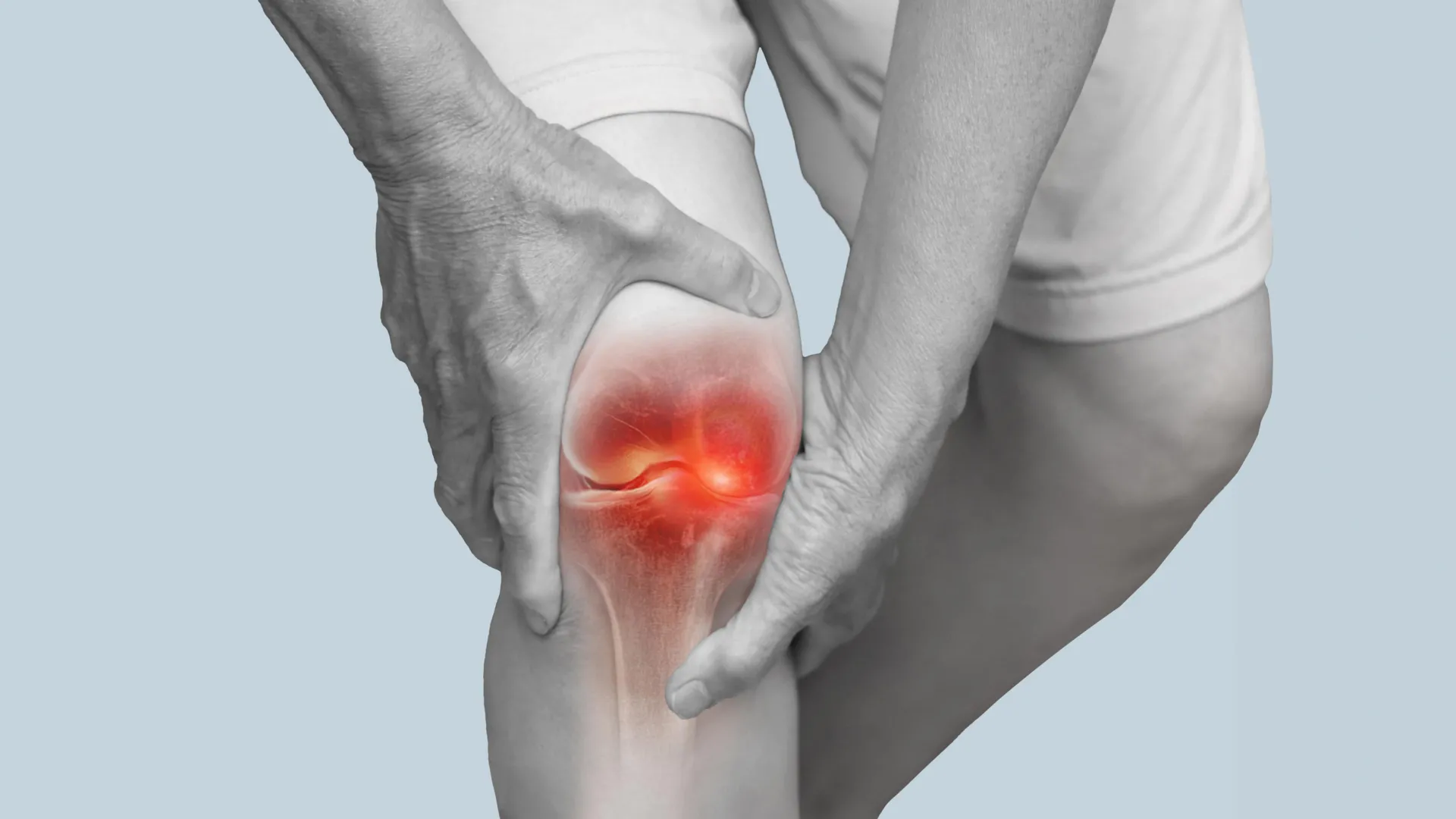
A comprehensive meta-analysis, meticulously conducted by researchers at the First People’s Hospital of Neijiang, China, and published in the esteemed open-access journal PLOS One, has illuminated a landscape of effective, drug-free interventions for individuals grappling with the debilitating effects of knee osteoarthritis. This extensive investigation, drawing upon data from nearly 10,000 patients across 139 distinct clinical trials, sought to delineate which therapeutic approaches offer the most significant relief without the recourse of pharmaceutical agents, a growing concern due to the potential for gastrointestinal and cardiovascular adverse effects associated with common anti-inflammatory medications.
Knee osteoarthritis, a pervasive degenerative joint condition, significantly impacts the mobility and quality of life for a vast number of individuals, particularly older adults, manifesting in persistent discomfort, pervasive stiffness, and a marked reduction in the ability to perform everyday activities. The inherent limitations imposed by these symptoms often lead patients to seek alternative management strategies that circumvent the risks associated with conventional pain relievers.
The research team embarked on a sophisticated comparative evaluation of twelve different therapeutic modalities. These encompassed a spectrum of interventions, ranging from established physical therapies like exercise and hydrotherapy to mechanical aids such as knee braces and insoles, alongside modalities like kinesiology taping, laser therapy, electrical stimulation, and ultrasound. Rather than relying on traditional pairwise comparisons, the investigators employed a network meta-analysis, a powerful statistical technique that enables the simultaneous evaluation and ranking of multiple treatments across a multitude of disparate studies, thereby providing a more robust estimation of their relative efficacy.
Among the evaluated interventions, knee braces emerged as a particularly noteworthy option, demonstrating consistent and significant benefits across several critical outcome measures. Patients utilizing knee braces reported notable reductions in both pain intensity and joint stiffness, alongside tangible improvements in their overall physical function and capacity to engage in daily tasks. This suggests that external mechanical support can play a crucial role in alleviating the biomechanical stresses that exacerbate osteoarthritis symptoms.
Hydrotherapy, a therapeutic approach involving exercises and treatments performed within a warm water environment, was identified as exceptionally effective in mitigating knee pain. The buoyancy and warmth of the water can reduce joint loading and muscle tension, facilitating movement and providing a soothing effect. Concurrently, regular, structured exercise programs consistently yielded positive outcomes, contributing to both pain reduction and enhanced physical functionality. These findings underscore the fundamental importance of physical activity, appropriately tailored, in managing the condition.
More advanced technological interventions also presented promising results in specific contexts. High-intensity laser therapy, which utilizes focused light energy to promote tissue healing and reduce inflammation, and shock wave therapy, employing acoustic pulses to stimulate repair processes, demonstrated beneficial effects in certain patient groups. These modalities represent a frontier in non-invasive pain management, offering potential alternatives for those who may not fully respond to more conventional physical therapies.
Conversely, ultrasound therapy, a modality that uses sound waves to generate heat and promote healing, repeatedly ranked at the lower end of the treatment efficacy spectrum within this comprehensive analysis. This suggests that, in the context of knee osteoarthritis pain relief, its impact may be less pronounced compared to other available interventions.
The overarching implication of these findings points towards the considerable potential of simple, readily accessible, and cost-effective therapies in managing knee osteoarthritis without the need for medication. This paradigm shift could empower patients and clinicians alike to prioritize interventions that are not only effective but also carry a lower burden of risk and expense.
However, the researchers, while confident in their findings, also acknowledged certain inherent limitations within the compiled studies. The significant heterogeneity across the 139 trials, including variations in study design, participant sample sizes, and the duration of therapeutic interventions, can introduce a degree of uncertainty in definitively ranking one therapy as universally superior to all others. These differences, while acknowledged, do not negate the overall trends observed in the data.
Despite these caveats, the study authors concluded that physical therapies offer a highly promising avenue for individuals suffering from knee osteoarthritis, presenting a valuable complement or alternative to the widespread use of anti-inflammatory medications. This evidence-based approach could significantly influence clinical practice, guiding healthcare providers towards interventions with a more favorable risk-benefit profile.
Future research directions are being actively explored, with a particular emphasis on investigating the potential synergistic effects of combining various therapeutic modalities to achieve even greater pain relief and functional improvement. Furthermore, ongoing investigations aim to rigorously assess the cost-effectiveness of different interventions, ensuring that the most beneficial treatments are also the most economically viable for patients and healthcare systems.
The study’s authors emphasized that "Knee braces, hydrotherapy, and exercise stand out as the most effective non-drug therapies for knee osteoarthritis, offering significant reductions in pain and substantial improvements in mobility without the gastrointestinal or cardiovascular risks associated with common pain medications." They strongly advocate that "Patients and clinicians should prioritize these evidence-based options." They further elaborated, stating, "Our analysis of nearly 10,000 patients reveals that simple, accessible therapies like knee bracing and water-based exercise outperform high-tech options like ultrasound. This could reshape clinical guidelines to focus on safer, lower-cost interventions." This comprehensive review provides a crucial foundation for optimizing the management of knee osteoarthritis, prioritizing patient well-being and the judicious use of healthcare resources.
About the Author












