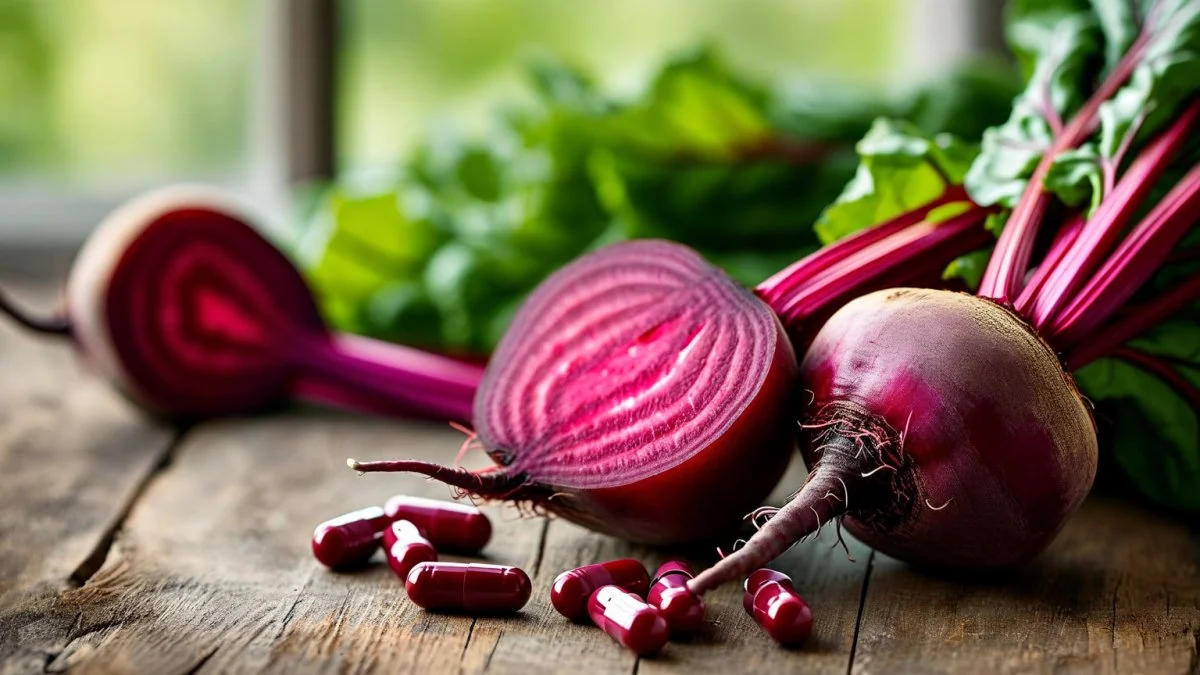
Athletes and fitness enthusiasts often find themselves navigating a complex landscape of performance-enhancing supplements, frequently overlooking a potent, naturally occurring solution readily available in the produce section. The remarkable benefits of beetroot, a vibrant root vegetable, extend far beyond its culinary appeal, offering a scientifically validated pathway to improved athletic output that can rival or even surpass many synthetic concoctions. This crimson powerhouse is not merely a trend; it represents a fundamental physiological advantage rooted in dietary nitrates.
At the core of beetroot’s performance-enhancing capabilities lies its rich concentration of inorganic nitrates. Upon ingestion, the body initiates a sophisticated biochemical transformation, converting these nitrates into nitric oxide (NO). This crucial molecule acts as a vasodilator, a biological signal that prompts blood vessels to relax and widen. This dilation facilitates a smoother, more efficient flow of oxygenated blood and vital nutrients to working muscles, a process that directly translates into enhanced endurance and reduced fatigue during strenuous activity. Unlike many stimulant-based pre-workout formulas that artificially elevate heart rate and can lead to subsequent energy crashes, beetroot’s mechanism is inherently physiological. It demonstrably lowers the oxygen cost of exercise, meaning individuals can sustain higher intensities of effort with a perceived reduction in exertion. Research consistently indicates that this effect can yield performance improvements ranging from 2% to 3%, a margin that often separates personal bests from ordinary training sessions for competitive athletes.
Beyond its nitrate content, beetroot offers a comprehensive nutritional profile that synthetic supplements typically cannot match. It is a valuable source of essential micronutrients such as folate, a B vitamin critical for cell growth and function; manganese, a trace mineral involved in energy metabolism and bone health; and betalains, potent antioxidants that contribute to cellular protection and recovery. This synergistic combination means that consuming beetroot not only boosts immediate performance but also supports the body’s broader health and resilience, aiding in faster recuperation between training bouts and reducing the physiological stress associated with intense exercise.
The intricate role of nitric oxide in physiological function cannot be overstated. Functioning as a vital signaling molecule, NO orchestrates numerous bodily processes, including blood pressure regulation, immune response, and neurotransmission. In the context of athletic performance, optimal NO levels are paramount for efficient oxygen delivery, waste product removal, and muscle function. When blood vessels are effectively dilated, circulation is optimized, ensuring that muscles receive the fuel they need precisely when they need it and that metabolic byproducts are cleared promptly. This optimized internal environment directly contributes to improved aerobic capacity, enhanced power output, and accelerated recovery, creating a virtuous cycle of enhanced performance.
Strategic timing of beetroot consumption is a critical factor in maximizing its ergogenic effects. The physiological pathway from dietary nitrate to nitric oxide involves a multi-step conversion process that peaks approximately two to three hours post-ingestion. Therefore, a pre-workout beverage consumed immediately before a training session, if it contains beetroot, may not deliver its peak benefits during the crucial exercise window. For optimal results, particularly for planned competitive events or demanding training sessions, consumption should be timed to align with this peak nitric oxide availability. This suggests that for an evening workout, incorporating beetroot earlier in the day, perhaps with a mid-morning meal or snack, would be more effective than consuming it just prior to exercise.
However, the impact of beetroot is not solely dependent on acute, single-dose timing; consistent, regular intake plays a significant role in building a foundational level of nitrates within the body. Over time, the body’s capacity to store and utilize nitrates increases, creating a sustained physiological state that can be further amplified by strategic acute doses. This cumulative effect means that incorporating beetroot into the regular dietary regimen, rather than relying on sporadic consumption, is key to unlocking its full potential. This long-term adaptation ensures a more robust and reliable enhancement of nitric oxide production and its subsequent performance benefits.
When considering the various forms of beetroot consumption, each presents a unique set of advantages and considerations. Whole, fresh beetroot offers the complete spectrum of nutrients, including dietary fiber, which aids in digestion and satiety. However, its nitrate concentration can be relatively lower compared to processed forms. Beetroot juice, a popular option, provides a more concentrated dose of nitrates, making it a convenient choice for athletes seeking a potent effect. Yet, the intensity of the flavor and potential gastrointestinal discomfort for sensitive individuals are important factors to acknowledge. Beetroot powder offers a highly concentrated and convenient form, often standardized for nitrate content, but may lack some of the synergistic micronutrients found in the whole vegetable. The choice among these forms should be guided by individual dietary preferences, tolerance, and specific performance goals.
In situations where beetroot is not readily available or palatable, several alternative foods can provide similar nitric oxide-boosting benefits through analogous physiological pathways. Dark leafy greens such as arugula, spinach, and kale are exceptionally rich in dietary nitrates and can be easily incorporated into smoothies, salads, or cooked dishes. While their nitrate density may not always match that of beetroot, their versatility and ease of regular consumption make them valuable additions to an athlete’s diet. Pomegranate juice, while utilizing a different biochemical route involving polyphenols that protect and enhance nitric oxide activity, also contributes to improved cardiovascular function and can be a more appealing taste option for some. Watermelon, particularly its rind, is a significant source of citrulline, an amino acid that the body converts into arginine, which in turn is a precursor to nitric oxide. The combination of watermelon and beetroot can create a synergistic effect, amplifying the overall nitric oxide production beyond what either food could achieve independently.
A crucial aspect often overlooked in the pursuit of beetroot’s benefits is the quality and concentration of the product. Not all commercially available beetroot products are created equal, and many may be diluted with fillers, diminishing their actual nitrate content and, consequently, their performance-enhancing efficacy. Athletes should prioritize products that are standardized to provide a specific, effective dose of nitrates, typically in the range of 250-400 mg per serving, to ensure they are receiving a potent and reliable source of this ergogenic compound. Careful scrutiny of product labels and independent laboratory testing can help identify superior options.
Practical considerations surrounding beetroot consumption are also important to address. A common and harmless side effect of beetroot intake is the temporary pink or red discoloration of urine and stools, known as beeturia. While this is a benign physiological response, it can be startling if individuals are unaware of it. Furthermore, individuals with a history of kidney stones or a predisposition to developing them should exercise moderation in their beetroot consumption due to its oxalate content. While this concern affects a smaller subset of the population, it is a pertinent factor for personalized dietary planning. Optimizing the body’s intrinsic nitric oxide production pathways is also key. This involves maintaining good oral hygiene, as the initial conversion of nitrates to nitrites (a precursor to NO) occurs in the mouth by oral bacteria; however, antibacterial mouthwashes used immediately before exercise can disrupt this process. Adequate intake of vitamin C, a potent antioxidant that supports NO synthesis, and minimizing the consumption of highly processed foods, which can interfere with nitrate conversion, are also beneficial strategies for maximizing beetroot’s effectiveness.
The distinct earthy flavor of beetroot can be a barrier for some individuals. Fortunately, several culinary techniques can effectively mitigate this. Blending beetroot with intensely flavored fruits like berries and citrus can mask the earthiness, while the use of golden beetroot varieties, which possess a milder flavor profile, offers an alternative. Gradual introduction in smaller quantities, incorporated into familiar dishes such as smoothies, soups, or salads, can also help individuals develop a tolerance for its taste.
A particularly interesting application of beetroot’s benefits can be found in combining it with other nutrient-dense foods to create performance-focused meals. A thoughtfully prepared potato salad, for instance, can become a potent pre-competition meal by integrating beetroot with easily digestible carbohydrates from potatoes. Potatoes provide sustained energy release, crucial for prolonged athletic efforts, while the beetroot contributes its nitric oxide-boosting properties. Incorporating nutrient-rich greens like arugula further enhances the nitrate content. This combination offers a dual benefit of energy provision and physiological enhancement, all within a palatable and satisfying dish that avoids the need for artificial supplements. The timing of such a meal is also important, ideally consumed three to four hours before intense activity to allow for optimal digestion and the peak of nitric oxide synthesis.
Beyond the physiological, the mental component of athletic performance is equally critical, and beetroot’s influence extends to cognitive function as well. Enhanced blood flow to the brain, facilitated by increased nitric oxide levels, can lead to improved focus, quicker decision-making, and heightened alertness. This is particularly advantageous in sports that demand rapid reflexes and sustained concentration. The synergistic effect of optimal physical conditioning and enhanced cognitive function creates a more complete performance advantage.
Furthermore, the notion that "more is always better" is a common pitfall when trying to optimize performance with any dietary strategy, including beetroot. Simply increasing beetroot intake will not compensate for fundamental deficiencies in sleep, stress management, or overall recovery. The most profound benefits of beetroot are realized when it is integrated into a holistic approach to athletic development, rather than being viewed as a singular "magic bullet." Athletes must also recognize individual variability in response; some individuals are "responders" who experience significant performance gains, while others may show a more modest effect. Understanding one’s personal response is key to tailoring an effective strategy.
Developing a personalized beetroot protocol involves a systematic approach to experimentation and monitoring. Beginning with a conservative daily intake of nitrates, perhaps 100-150 mg, allows the body to adapt and assess tolerance, paying attention to any digestive or performance changes. Gradually increasing the dosage to an optimal range of 250-400 mg while fine-tuning the timing based on individual response patterns is the next step. This involves observing when the most pronounced effects are felt and adjusting consumption schedules accordingly. Long-term adjustments can then be made in alignment with training periodization, with higher doses during intense training blocks and strategic loading before key competitions.
Diligent tracking of beetroot consumption, including dosage, timing, and perceived effects on performance metrics such as endurance, power output, and recovery, is essential for optimizing an individual’s protocol. This data-driven approach moves beyond generic recommendations and allows for a truly personalized strategy. Ultimately, beetroot is not merely a passing superfood trend but a legitimate and scientifically supported performance-enhancing tool. When employed strategically within a comprehensive framework of nutrition, training, and recovery, this humble root vegetable offers a potent, natural alternative to synthetic supplements, fostering not only immediate athletic gains but also contributing to long-term cardiovascular health.
About the Author