As individuals navigate the landscape of their later decades, maintaining robust physical health becomes an increasingly critical determinant of independence and quality of life. The natural physiological changes associated with aging, notably sarcopenia—the progressive loss of muscle mass, strength, and function—pose significant challenges, impacting everything from metabolic health to balance and overall mobility. While traditional gym settings often feature a myriad of complex machinery, a compelling argument exists for the efficacy and accessibility of a more minimalist approach: targeted strength training using just one dumbbell. This method not only offers convenience but also uniquely engages the body in ways that foster functional strength, core stability, and improved proprioception, which are paramount for older adults.
The benefits of incorporating resistance training into one’s routine are well-documented, extending far beyond mere aesthetics. For those over 60, consistent engagement in strength exercises helps mitigate muscle atrophy, enhances bone mineral density, improves insulin sensitivity, and can significantly reduce the risk of falls by strengthening stabilizing muscles. Moreover, the mental engagement required to master new movements can contribute to cognitive health. While gym machines can isolate specific muscle groups along a fixed trajectory, free weights, such as a single dumbbell, demand greater control, balance, and activation of synergistic muscles, closely mimicking the complex movements encountered in daily life. This emphasis on integrated, multi-joint actions proves particularly advantageous for seniors seeking to bolster real-world capabilities.
A structured regimen built around a singular dumbbell can effectively target the entire body, promoting holistic development. The following five exercises form a robust framework, carefully selected for their ability to deliver substantial muscular stimulation while remaining adaptable to varying fitness levels. Each movement emphasizes fundamental human patterns—squatting, pressing, pulling, hinging, and carrying—ensuring a well-rounded and functionally relevant workout.
Foundational Leg and Core Power: The Goblet Squat
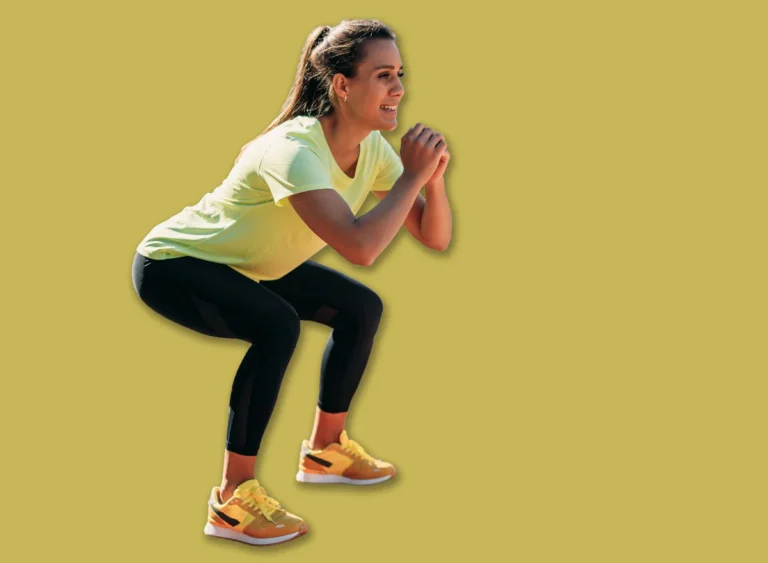
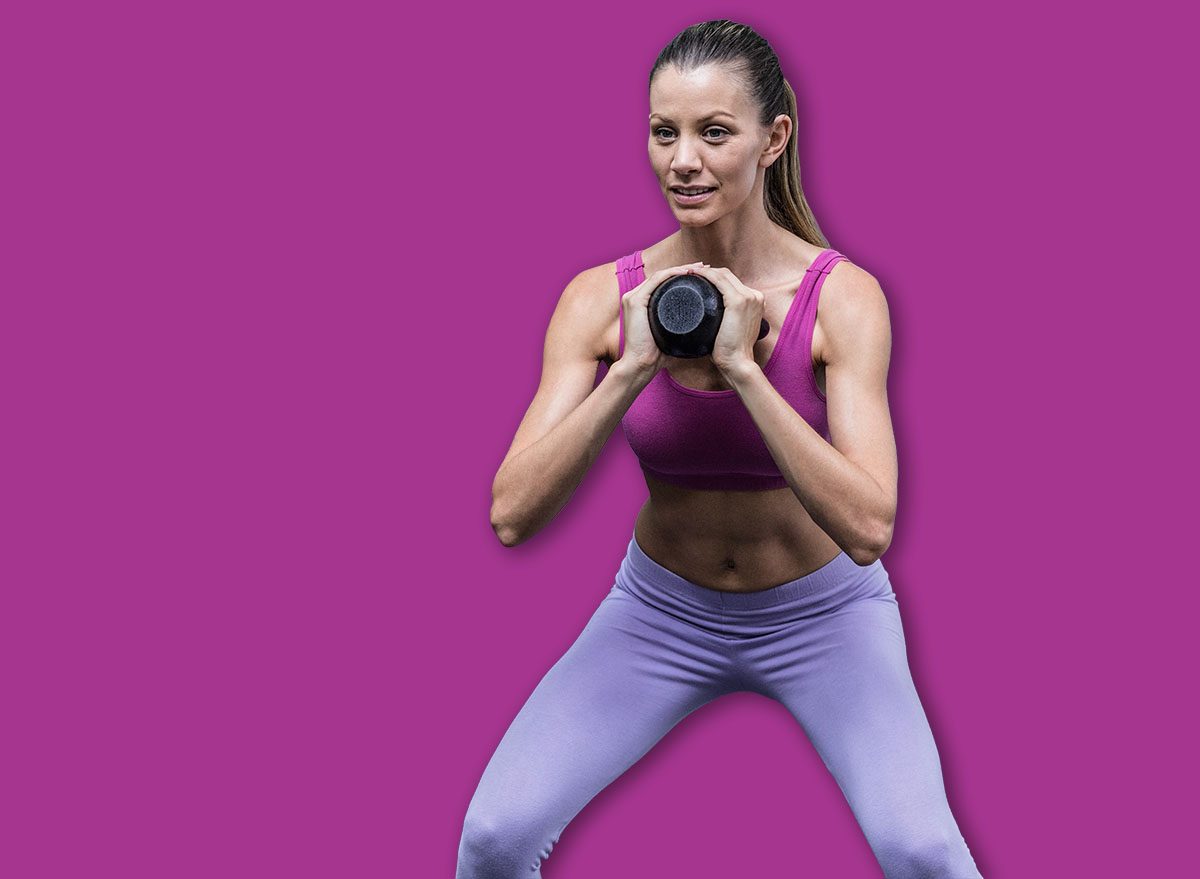
The goblet squat stands as an exemplary starting point for lower body development, particularly for older adults. Unlike barbell squats that place the load on the spine, holding a single dumbbell vertically against the chest in a "goblet" position serves as a natural counterbalance. This anterior loading mechanism often makes it easier to maintain an upright torso, encourage proper depth, and protect the lumbar spine, which can be a common area of concern. The exercise fundamentally trains the ability to descend and ascend with control, a movement pattern essential for actions like sitting down, standing up from a chair, or getting in and out of a car.
During execution, the primary movers are the quadriceps and gluteal muscles, responsible for extending the knees and hips, respectively. However, the core musculature, including the rectus abdominis and obliques, works intensely to stabilize the trunk and keep the dumbbell secure against the chest. The upper back and shoulders also engage isometrically to support the weight. To perform, stand with feet roughly shoulder-width apart, toes slightly pointed out. Hold the dumbbell by one end with both hands, pressed against your sternum. Initiate the movement by pushing the hips back and bending the knees, descending as if sitting into a chair. Strive to keep your chest lifted and your elbows tracking inside your knees at the bottom of the movement. Push through your heels to return to the standing position. Beginners might find it beneficial to squat to a box or chair to ensure proper depth and build confidence before progressing. Aim for 2-3 sets of 8-12 repetitions, focusing on a controlled descent and powerful ascent.
Upper Body Strength and Shoulder Health: The Half-Kneeling Shoulder Press
Developing overhead strength and mobility is crucial for numerous daily tasks, from reaching for items on high shelves to dressing oneself. The half-kneeling shoulder press offers a highly stable and effective method to train the shoulders and arms, while simultaneously engaging the core in an anti-extension capacity. By placing one knee on the floor and the other foot flat, a solid foundation is created, minimizing the potential for compensatory movements from the lower back often seen in standing overhead presses. This positional constraint forces the core to work harder to maintain a neutral spine, preventing excessive arching.
The primary muscles engaged are the anterior and medial deltoids, responsible for shoulder flexion and abduction, respectively, along with the triceps brachii, which extends the elbow. The upper trapezius and serratus anterior also play vital roles in scapular stability and upward rotation. To execute, kneel on one knee, with the opposite foot planted firmly on the floor, forming a 90-degree angle at both knees. Hold the dumbbell in the hand corresponding to the planted foot, resting it at shoulder height with the palm facing forward. Brace your core, ensuring your ribs are stacked directly over your hips. Press the dumbbell directly overhead in a controlled manner, avoiding any lean or excessive arch in your lower back. Lower the weight slowly back to the starting position. Perform 2-3 sets of 8-10 repetitions per side, prioritizing smooth movement and maintaining core integrity. For those new to overhead movements, a lighter weight or even a seated variation can be excellent starting points.
Postural Reinforcement and Back Development: The Single-Arm Bent-Over Row
In an era where many individuals spend significant time in seated positions, the muscles of the posterior chain, particularly the upper back, often become neglected or weakened relative to the chest muscles. This imbalance can contribute to poor posture, rounded shoulders, and discomfort. The single-arm bent-over row is a potent exercise for addressing these issues, building strength across the entire back while also challenging core stability. Its unilateral nature demands increased engagement from the abdominal muscles to resist rotation.
This movement primarily targets the latissimus dorsi, rhomboids, and middle/lower trapezius, which are responsible for pulling the arm down and back, and retracting the shoulder blades. The biceps brachii also assists in elbow flexion. To perform, stand with feet shoulder-width apart, holding the dumbbell in one hand. Hinge forward at your hips, maintaining a flat back and a slight bend in your knees, until your torso is roughly parallel to the floor. Your free hand can rest on your thigh or a stable surface for support. Let the dumbbell hang directly below your shoulder. Initiate the pull by drawing your elbow towards the ceiling, squeezing your shoulder blade towards your spine. Imagine pulling the dumbbell towards your hip, not just straight up. Control the eccentric phase as you lower the dumbbell back to the starting position. Focus on feeling the contraction in your back muscles rather than relying on momentum. Aim for 2-3 sets of 8-12 repetitions per side.
Posterior Chain and Balance Enhancement: The Staggered-Stance Romanian Deadlift (RDL)
The Romanian Deadlift (RDL) is a cornerstone exercise for strengthening the glutes, hamstrings, and lower back—the vital components of the posterior chain. These muscles are fundamental for powerful locomotion, maintaining upright posture, and safely lifting objects from the floor. The staggered-stance variation introduces a greater challenge to single-leg stability while still offering a more secure base than a full single-leg RDL, making it an excellent progression for older adults. This allows for increased load on one leg while the other provides supportive balance.
To execute, stand with one foot slightly in front of the other, with the heel of the rear foot elevated or only lightly touching the ground, putting most of your weight through the front leg. Hold a single dumbbell in the hand opposite your front leg (contralateral loading) or in the hand corresponding to your front leg (ipsilateral loading), letting it hang in front of your working thigh. Maintain a soft bend in the front knee. Initiate the movement by pushing your hips directly backward, allowing the dumbbell to descend along the front of your working leg. Keep your back flat and your gaze neutral. You should feel a significant stretch in the hamstrings of the front leg. Only lower as far as you can maintain good form and feel the stretch. Squeeze your glutes to return to the starting upright position, driving your hips forward. This exercise trains the crucial hip hinge pattern, which is vital for everyday tasks like bending over to tie shoes or pick up groceries. Perform 2-3 sets of 8-10 repetitions per side.
Core Stability and Functional Grip: The Dumbbell Suitcase Carry
Often underestimated, the suitcase carry is a profoundly functional exercise that integrates grip strength, shoulder stability, and a tremendous demand on core musculature, particularly the obliques and quadratus lumborum, to resist lateral flexion. It directly translates to real-world activities such as carrying bags, groceries, or luggage, and navigating uneven terrain with confidence and balance. This exercise effectively teaches the body to maintain a tall, stable posture under an asymmetrical load, which is a common scenario in daily life.
To perform, select a dumbbell of appropriate weight and hold it in one hand at your side, as if carrying a suitcase. Stand tall, engaging your core and pulling your shoulders back and down. Resist the urge to lean away from the weight; instead, actively brace your midsection to maintain an upright, neutral posture. Walk a designated distance or for a set period, focusing on controlled, even steps. Your gait should remain steady, and your torso should stay perfectly vertical, not tilting sideways towards or away from the weight. This exercise provides an excellent "finisher" to a workout, reinforcing full-body stability and endurance. Perform 2-3 carries of 20-45 seconds per side, switching hands after each interval. The suitcase carry is a testament to how simple movements, when executed with intention, can yield significant functional benefits.
Maximizing Outcomes from Single-Dumbbell Training
To fully capitalize on the advantages of a single-dumbbell regimen, several principles should guide your practice. Foremost is the concept of progressive overload: consistently challenging your muscles to adapt and grow stronger. This doesn’t solely mean increasing the weight; it can also involve performing more repetitions or sets, slowing down the tempo of movements (especially the eccentric, or lowering, phase), reducing rest periods between sets, or improving form and range of motion.
Prioritizing impeccable form over lifting heavy weight is non-negotiable, particularly for older adults. Incorrect technique can not only diminish the effectiveness of an exercise but also significantly increase the risk of injury. It is advisable to start with a lighter dumbbell to master the movement patterns before gradually increasing the load. Listening to your body, incorporating adequate rest, and allowing for recovery are also critical components of a sustainable and effective training program.
Consistency remains the cornerstone of any successful fitness endeavor. Aim to incorporate these exercises into your routine 2-4 days per week, either as a standalone full-body session or by integrating one or two movements into an existing workout. Before embarking on any new exercise program, individuals over 60, especially those with pre-existing health conditions, should consult with a healthcare professional to ensure it is appropriate for their specific needs. Consulting a certified personal trainer experienced in working with older adults can also provide invaluable guidance on form and program design.
In conclusion, the journey to enhanced strength and sustained functional independence in later life does not necessitate complex gym setups or multiple pieces of equipment. The humble single dumbbell, wielded with intention and proper technique, offers a potent, accessible, and highly effective pathway to rebuilding muscle, improving balance, and fortifying the body against the challenges of aging. By embracing these foundational movements, older adults can unlock a profound capacity for continued vitality and an improved quality of life.
About the Author