New Research Uncovers Unexpected Metabolic Pathways for Sorbitol
A recent scientific investigation has cast doubt on the widely held belief that sugar substitutes offer a straightforward metabolic advantage over refined sugars like glucose. While compounds such as aspartame, sucralose, and sugar alcohols like sorbitol are frequently promoted as healthier alternatives, emerging data suggests a more nuanced reality, particularly concerning sorbitol, which may exhibit metabolic effects far from benign. This groundbreaking study, published in the esteemed journal Science Signaling, significantly advances our understanding of how these seemingly innocuous sweeteners interact with the human body, potentially challenging their status as universally beneficial dietary choices.
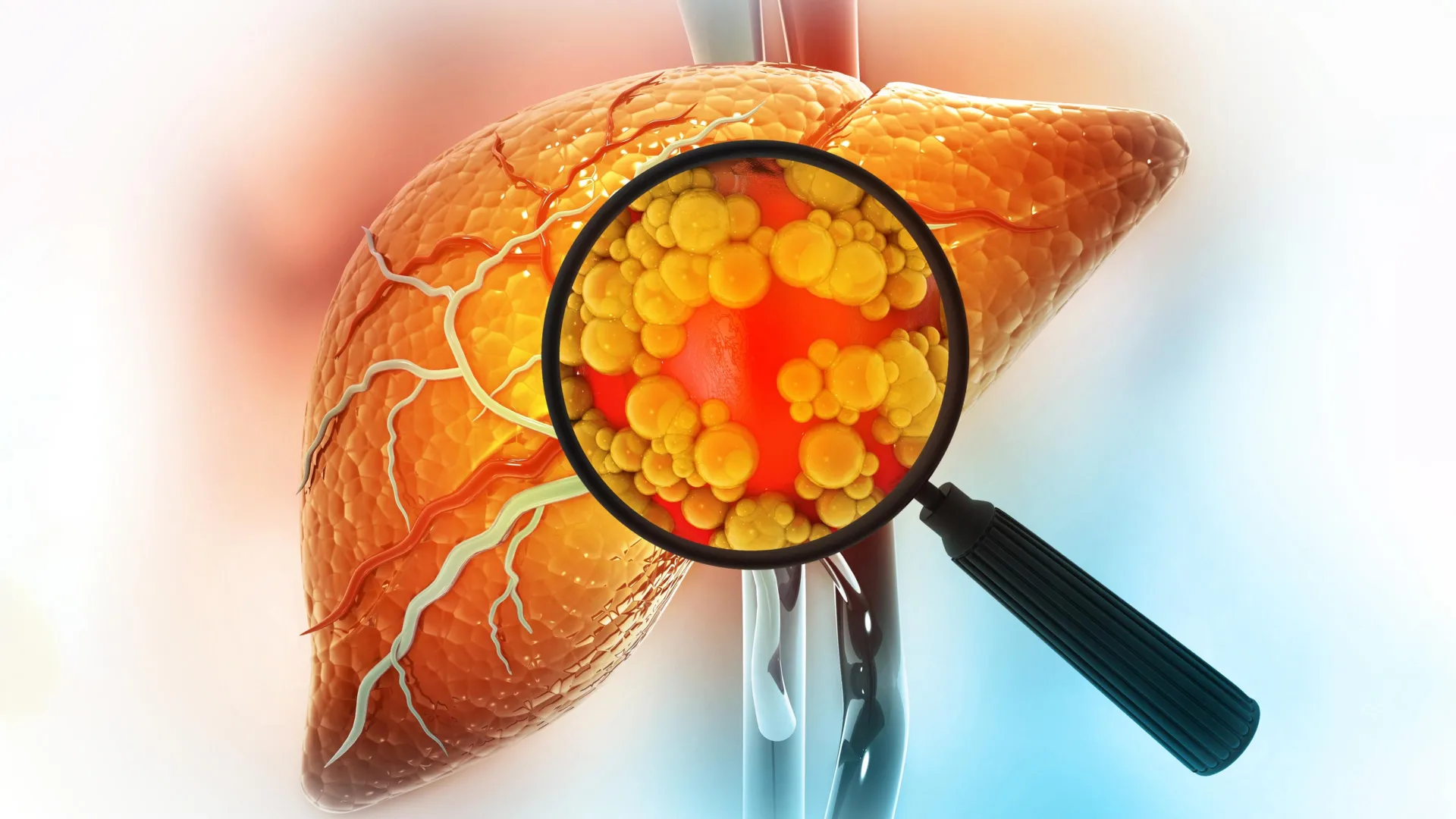
The research stems from an ongoing line of inquiry led by Gary Patti, a distinguished professor at Washington University in St. Louis, whose laboratory has been meticulously dissecting the intricate mechanisms by which fructose influences hepatic and systemic health. Professor Patti’s prior investigations delved into the liver’s processing of fructose, revealing how its metabolic byproducts could be co-opted by cancerous cells to fuel their proliferation. Furthermore, his earlier work contributed to the growing body of evidence linking fructose consumption to the escalating global prevalence of steatotic liver disease, a condition characterized by excessive fat accumulation in the liver affecting approximately one-third of the world’s adult population. The current findings concerning sorbitol are particularly concerning due to its close metabolic kinship with fructose. Patti aptly describes sorbitol as being merely "one transformation away from fructose," implying that the body can readily convert it into a molecular form that may elicit similar, potentially detrimental, physiological responses.
To unravel the fate of sorbitol within a living organism, the research team employed zebrafish as their experimental model, enabling them to meticulously trace the compound’s journey through the body. Sorbitol, a common additive in “low-calorie” confectionery and chewing gum, also occurs naturally in various stone fruits. However, the study revealed a critical insight: sorbitol’s presence in the body is not solely dictated by dietary intake. Enzymes present in the intestinal lining possess the capacity to synthesize sorbitol directly from glucose following a meal. The ultimate disposition of this endogenously produced sorbitol, the researchers discovered, is contingent upon a complex interplay of factors, including the relative concentrations of ingested glucose and sorbitol, as well as the specific microbial communities residing within the gut. This intricate interplay creates multiple potential pathways through which fructose-related metabolites can ultimately reach the liver, the central organ for metabolic processing.
Historically, much of the scientific discourse surrounding sorbitol metabolism has been framed within the context of chronic diseases, particularly diabetes. In individuals with diabetes, persistently elevated blood glucose levels can compel the body to generate larger quantities of sorbitol. The enzyme responsible for this sorbitol synthesis exhibits a relatively low affinity for glucose, meaning it typically remains quiescent until glucose concentrations rise significantly. Consequently, sorbitol production has traditionally been associated with diabetic states, where hyperglycemia is a hallmark. However, the zebrafish experiments provided compelling evidence that diabetes is not a prerequisite for substantial sorbitol generation. Even in a healthy physiological state, postprandial glucose spikes within the intestinal lumen can reach sufficient levels to stimulate significant sorbitol production by the intestinal enzymes. This finding underscores that the body can produce sorbitol endogenously at substantial levels, independent of diabetic conditions.
Intriguingly, the study highlighted the pivotal role of the gut microbiota in modulating the metabolic fate of sorbitol. Certain bacterial species appear to act as a crucial protective barrier, effectively preventing sorbitol from exerting adverse effects. Specifically, strains of Aeromonas bacteria, capable of degrading sorbitol, can metabolize the sugar alcohol into an innocuous bacterial byproduct. This microbial enzymatic activity acts as a natural detoxification process, determining whether sorbitol remains confined to the intestinal tract or translocates further into the systemic circulation. Conversely, the absence or scarcity of these sorbitol-degrading bacteria transforms the situation into a potential health concern. In such microbial environments, sorbitol is not efficiently broken down and is consequently permitted to traverse to the liver. Upon arrival in the liver, sorbitol can then undergo transformation into a fructose derivative, thus initiating a cascade of metabolic events similar to those induced by direct fructose consumption. This revelation is particularly pertinent for individuals managing diabetes and other metabolic disorders, who often opt for "sugar-free" products with the explicit intention of mitigating the health risks associated with refined sugars. Understanding whether these alternative sweeteners truly offer a metabolic advantage is therefore of paramount importance for public health.
The capacity of the gut microbiome to manage sorbitol load appears to have its limits. At lower concentrations, such as those typically derived from natural sources like fruits, gut bacteria are generally adept at eliminating sorbitol. However, this microbial capacity can be overwhelmed when the sorbitol burden exceeds the metabolic processing capabilities of these resident microbes. This overconsumption scenario can arise through two primary mechanisms: elevated glucose intake, which prompts increased endogenous sorbitol production, or direct consumption of large quantities of sorbitol itself. As both glucose and sorbitol intake escalate, even individuals who harbor beneficial sorbitol-degrading bacteria may find their microbial communities unable to cope with the escalating load. This complexity renders the navigation of sugar substitutes increasingly challenging for consumers. The pervasive presence of multiple forms of sugars and sugar substitutes in many processed foods further compounds this issue, as exemplified by Professor Patti’s personal discovery of a substantial sorbitol content in his favorite protein bar.
Sorbitol, belonging to the broader class of compounds known as polyols or sugar alcohols, is widely incorporated into food products due to its ability to impart sweetness while often providing fewer calories than traditional sugar. A prevalent assumption has been that these compounds largely pass through the digestive system without eliciting significant metabolic consequences. However, the findings of this study challenge that simplistic view, suggesting a far more intricate metabolic engagement. While Professor Patti’s laboratory is still working to elucidate the precise biochemical mechanisms by which gut bacteria break down and eliminate sorbitol, the research provides unequivocal evidence that sorbitol does not necessarily remain localized within the gastrointestinal tract. The experiments clearly demonstrated that sorbitol administered to animal models was indeed detected in tissues throughout the body, indicating systemic absorption and distribution.
Ultimately, these findings reinforce a broader paradigm shift emerging from research into alternative sweeteners: the mere substitution of refined sugar with another sweet-tasting compound does not automatically absolve the body of metabolic repercussions. As Professor Patti aptly summarized the core message of his research, "there is no free lunch" when seeking sugar alternatives, particularly when the metabolic pathways can converge towards hepatic dysfunction. This research was generously supported by grants from the National Institutes of Health, specifically R35ES028365 (to G.J.P.) and P30DK056341 (to S.K.).

Related News