Unveiling the Microscopic Bastions: Researchers Map Dormant Breast Cancer Cell Sanctuaries
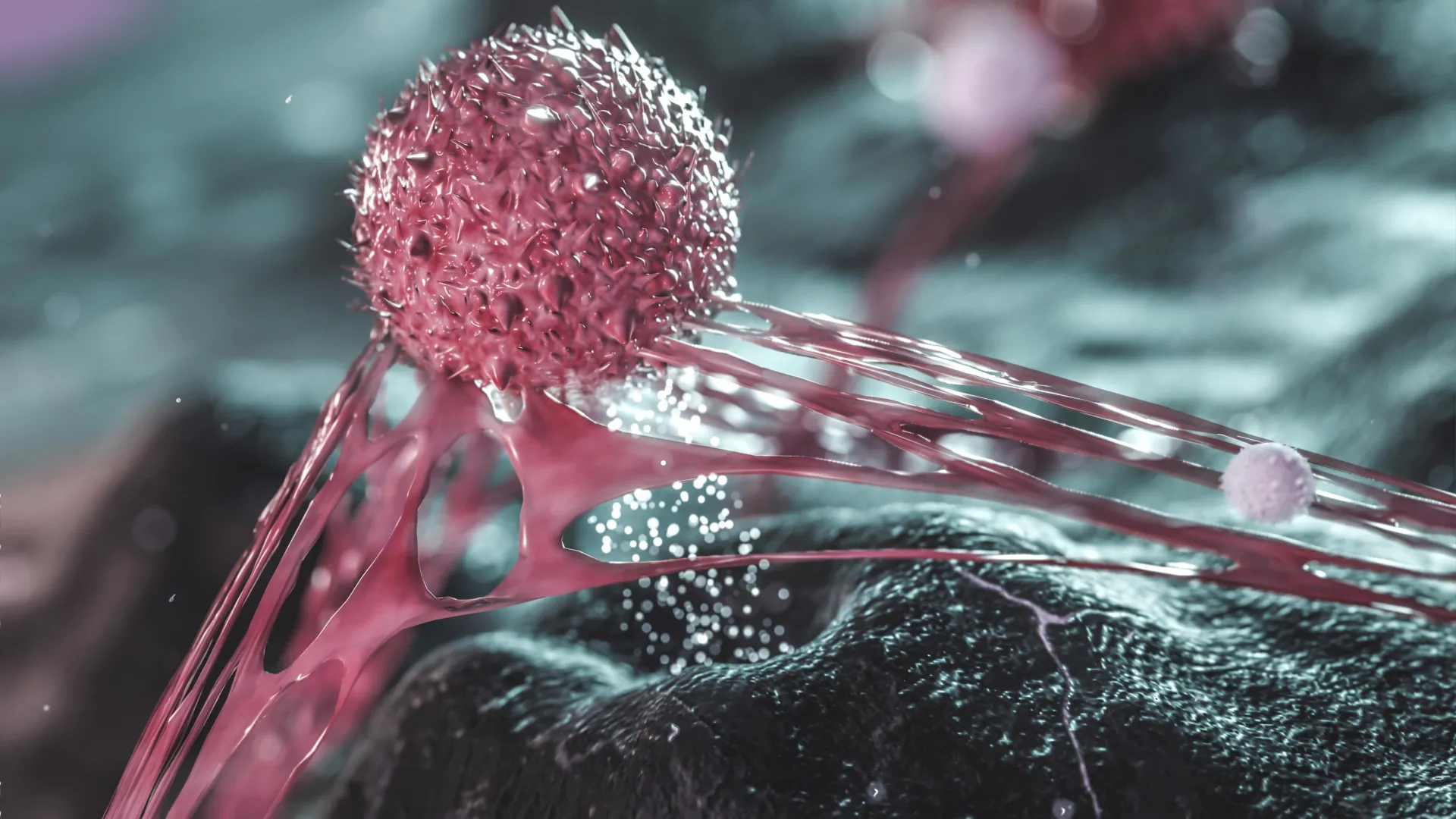
A groundbreaking cellular atlas of breast tumors, meticulously constructed by a collaborative team from the MRC Laboratory of Medical Sciences (LMS), Imperial College London, and the UCL Genetics Institute, has illuminated a hidden dimension within malignant growths. This intricate mapping reveals distinct cellular neighborhoods, some teeming with actively replicating cancerous cells, while others harbor quiescent, or dormant, malignant entities. Published in the esteemed journal Genome Medicine, the research uncovers a critical insight: these inactive cancer cells are frequently ensconced by a supportive entourage of immune and connective tissue cells, potentially forming protective fortifications that shield them from therapeutic interventions.
This sophisticated understanding suggests a paradigm shift for future oncological strategies, positing that treatments must extend beyond mere assaults on rapidly proliferating tumor cells. Instead, a dual-pronged approach may be necessary, one that simultaneously targets dormant cancer cells and the specific microenvironments that facilitate their persistence. The ultimate aim is not only to halt current tumor progression but also to significantly diminish the specter of disease recurrence.
Breast tumors, far from being monolithic entities, represent complex ecosystems, a bustling confluence of diverse cell types. Interspersed with the frenetic activity of rapidly dividing cancer cells are various immune cells, newly established blood vessels, and a particularly concerning contingent of cancer cells that exhibit an unnerving stillness. These dormant, or quiescent, cells possess a remarkable capacity to evade treatment, lying in wait to potentially fuel future metastasis or relapse. Researchers at the LMS, Imperial, and UCL embarked on an ambitious quest to precisely delineate the spatial distribution of these quiescent cells within untreated tumors, to elucidate their distinguishing characteristics, and to identify the neighboring cells that tend to form their protective perimeter.
Leveraging publicly accessible datasets, the research consortium painstakingly assembled high-resolution maps of breast cancer tumors. Their analysis unveiled distinct aggregations of quiescent cells, consistently encircled by a constellation of other cell types that appear to function as a formidable defensive barrier.
The inherent danger posed by quiescent cancer cells cannot be overstated. Dr. Alexis Barr, a co-lead author and the head of the Cell Cycle Control group at the LMS, emphasizes their perilous nature. "Quiescent cancer cells are very dangerous," he states. "These cells can hide from chemotherapy and then remain in this dormant quiescent state in the tumor, and then later reactivate to drive proliferation." This ability to lie in ambush, evading the direct onslaught of conventional therapies, makes them a significant challenge in achieving lasting remission.
Cancer cells can enter this state of dormancy as a survival mechanism in response to the inherent stressors within a burgeoning tumor. As tumors expand with aggressive speed, the supply of oxygen and essential nutrients may not always keep pace with the escalating demand. In such challenging circumstances, some cells adopt a strategy of suspending their growth, effectively putting their cellular machinery on pause. This quiescent state can be likened to a form of biological hibernation, allowing the cells to endure adverse conditions until a more favorable environment emerges. This opportune moment may arise precisely after treatment has concluded, presenting a renewed threat.
Dr. Barr further elaborates on the strategic imperative: "If we want to achieve long-term control of peoples’ tumors and prevent tumor relapse, we have to focus on these dormant quiescent cancer cells, and have to understand more about them." This sentiment underscores the critical need to shift research focus towards these less understood cellular populations.
To meticulously investigate these elusive cell populations, Dr. Barr collaborated closely with Dr. Maria Secrier’s computational biology team at UCL. Together, they undertook the complex task of constructing a detailed, multi-dimensional representation of the tumor microenvironment, encompassing not only the cancerous cells but also the surrounding immune and stromal support cells.
Their methodological approach integrated single-cell RNA sequencing, a powerful technique that dissects the genetic activity of individual cells by revealing which genes are actively being transcribed, with spatial transcriptomics. This latter technique provides crucial spatial context, mapping the precise locations of cells within the tumor and identifying their immediate cellular neighbors.
"We found cells that resemble therapy-resistant cells already residing in the tumor before we give any treatment," reports Dr. Secrier, suggesting a potentially pre-existing predisposition to treatment resistance rather than an acquired characteristic that emerges solely in response to therapy. This finding challenges conventional thinking, implying that certain cellular traits associated with resistance might be intrinsically present within the tumor from an earlier stage.
This observed pattern was not confined to particularly aggressive forms of breast cancer; it was also evident in slower-developing subtypes. This was an unexpected observation, given that quiescence had previously been more closely associated with diseases that exhibit a more indolent course. The universality of this phenomenon across different tumor classifications highlights its potential broad significance.
The comprehensive analysis extended beyond the cancer cells themselves, delving into the intricate roles played by the numerous supporting cell types that become integral components of the tumor milieu. A consistent and striking pattern emerged from this examination: dormant cancer cells were frequently found in close proximity to CXCL10-positive macrophages, a specific type of immune cell, and myofibroblastic cancer-associated fibroblasts, a category of cells that actively support tumor growth and progression.
These neighboring cells may have been actively recruited to these specific locations or may have undergone alterations in their function, collectively contributing to the protection of the dormant cancer cells. One compelling hypothesis is that these surrounding cells construct a physical or biochemical barrier, effectively impeding the infiltration of cancer-killing immune cells or therapeutic agents, thereby preventing them from reaching the inactive cells.
"The cancer cells are really encapsulated within these areas of macrophages and fibroblasts that we think act as shields for these dormant cancer cells," Dr. Secrier explains. However, she acknowledges the complexity of the causal relationship: "But we don’t yet know the direction of cause and effect: whether the surrounding cells push cancer cells into dormancy or if the cancer cells attract or alter their surroundings. It’s very likely coming from both sides." This reciprocal interaction suggests a dynamic interplay between the cancer cells and their microenvironment.
The heterogeneity observed within tumors implies that different regions may necessitate distinct therapeutic interventions. Many conventional chemotherapy drugs are designed to target rapidly dividing cells, a mechanism that inherently spares dormant cells. The findings suggest that the rapidly proliferating and dormant compartments of the same tumor might exhibit differential responses to treatment. Notably, the researchers detected heightened activity within the complement pathway, a component of the innate immune system, specifically within the niches occupied by dormant cells. This observation opens avenues for exploring therapeutic strategies that target this pathway, potentially rendering these dormant cell sanctuaries more vulnerable.
The supportive cell populations that ensconce dormant cancer cells present another intriguing therapeutic target. However, further investigation is critically needed to ascertain whether these cells actively sustain dormancy and their precise contribution to the overall survival of cancer cells.
"Different parts of the tumor will likely respond to different drugs," Dr. Secrier asserts. "If we understand what drug combinations we can use to target both the proliferative and the dormant areas, potentially that could be more successful than current therapies. This is giving us a first insight into how we can then intervene with different therapeutics that specifically target different areas of the tumor where the cells have adapted and have evolved differently." This highlights the potential for personalized and combination therapies tailored to the specific cellular landscape of individual tumors.
Dr. Barr reiterates the importance of this nuanced understanding: "It is clearly important to focus on proliferative cancer cells, but we also need to understand this population of quiescent dormant cancer cells. And that’s been less studied." This call for increased research into these understudied populations is crucial for advancing the field.
The conceptual frameworks generated by this detailed analysis, while promising, necessitate rigorous experimental validation. Nevertheless, the ability to precisely identify pre-existing treatment-resistant regions within tumors and to comprehend the cellular constituents that support them holds immense potential for the development of more effective combination cancer therapies in the future. By meticulously mapping quiescent cells and their surrounding microenvironments, scientists may ultimately be empowered to design therapeutic regimens that simultaneously assail both the rapidly growing portions of a tumor and the resilient dormant cells capable of reawakening and perpetuating the disease.
This significant research endeavor received primary funding from a UKRI Future Leaders Fellowship, the Medical Research Council, and the Biotechnology and Biological Sciences Research Council, underscoring the collaborative and well-supported nature of this scientific advancement.

Related News