Unlocking Longevity: Elite Immune Cells Show Remarkable Persistence in the Ultra-Aged.
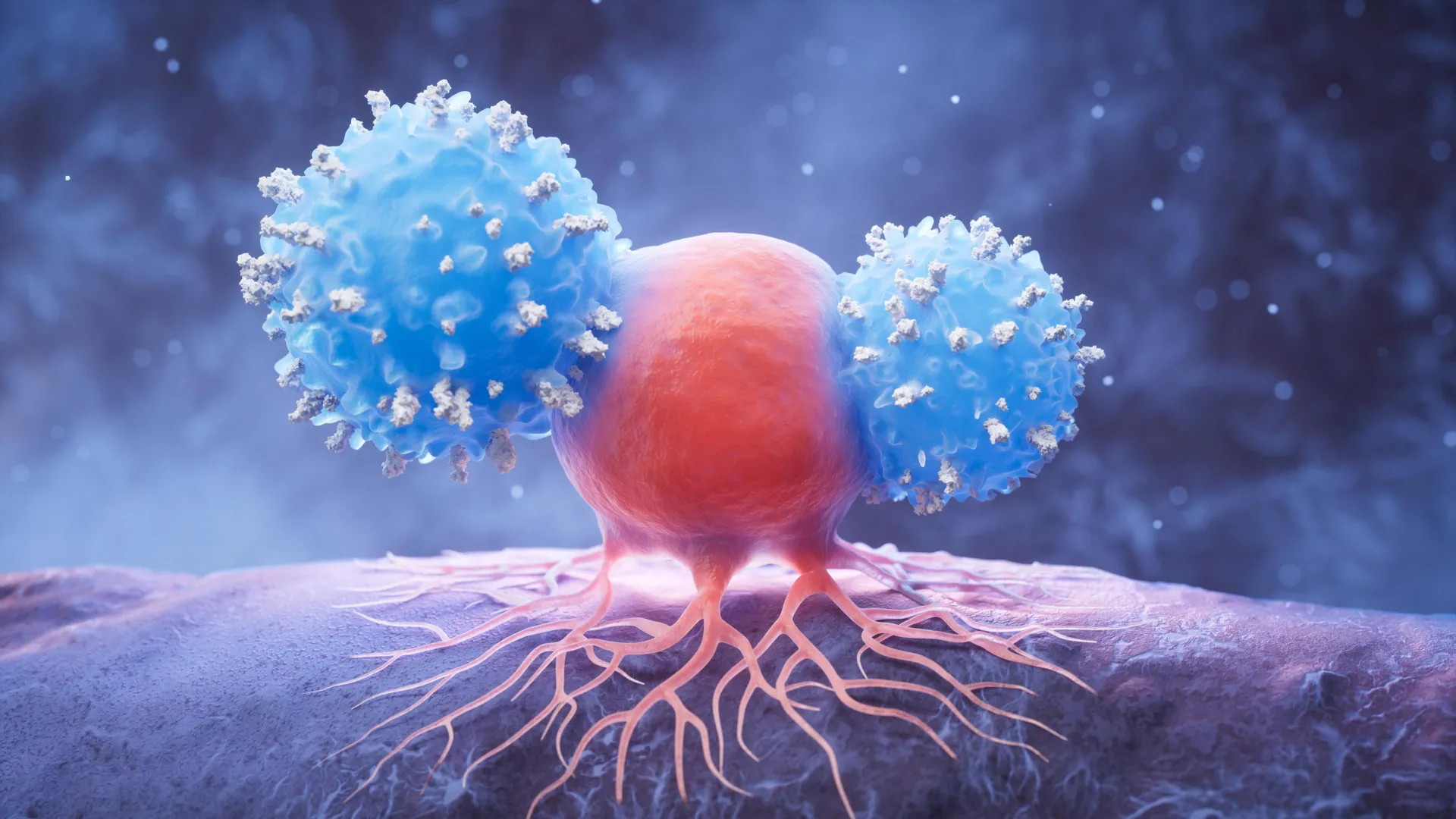
Scientific inquiry into the mechanisms underpinning extreme human longevity has illuminated a fascinating aspect of the immune system’s resilience, suggesting that the capacity to fend off novel threats persists, and perhaps even intensifies, in individuals who surpass the age of 110. This cohort, known as supercentenarians, has been observed to possess an unexpectedly high prevalence of a particular type of immune cell, designated as CD4 cytotoxic T lymphocytes (CD4 CTLs). These specialized cells are not new to scientific understanding; prior investigations have demonstrated their capability to target and eliminate cancerous cells in specific oncological contexts. Furthermore, during periods of illness, these cells exhibit a remarkable ability to proliferate rapidly through a process termed clonal expansion, thereby bolstering the body’s defense against infectious agents. Emerging research, meticulously detailed in the August 19th edition of the esteemed journal Cell Reports by Cell Press, posits that this same dynamic immunological activity might be intrinsically linked to the phenomenon of healthy aging in those who attain ages exceeding 110 years.
Dr. Kosuke Hashimoto, an associate professor at the University of Osaka in Japan and the lead author of this groundbreaking study, articulates a nuanced perspective on immunological senescence, asserting that "immune aging is not simply a process of decline." He elaborates, "The selective expansion of certain T cells suggests that, even in extreme old age, the immune system may continue to adapt to age-related challenges." This perspective challenges the prevailing notion of a universally deteriorating immune function with advanced age, proposing instead a more dynamic and adaptive model.
The study’s findings place CD4 CTLs in a distinct cellular profile characteristic of supercentenarians. The research meticulously gathered and analyzed blood samples from 28 adult participants, carefully stratified into three distinct age brackets: individuals aged 70-99, those between 100 and 109 years old, and the select group aged 110 and above. The quantitative analysis revealed a consistent and progressive increase in the median proportion of CD4 CTLs across these age groups. Specifically, the proportion rose from a baseline of 4% in the youngest demographic to 9.6% among those navigating their centenarian years (100-109), and significantly escalated to a striking 17.6% in the supercentenarian cohort (110+). This data strongly implies that the remarkable proliferation of these potent immune cells may initiate around the milestone age of 100. However, the observed pattern was not rigidly confined to the oldest age brackets; intriguingly, one participant younger than 100 exhibited the highest proportion of CD4 CTLs documented throughout the entire study, hinting at individual variations in immune response trajectories.
To delve deeper into the underlying reasons for this pronounced abundance of CD4 CTLs, the research team undertook a detailed examination of the participants’ T cell receptors. This sophisticated analysis provided compelling evidence that clonal expansion plays a pivotal role in their increased numbers. When the immune system encounters a perceived threat, CD4 CTLs possess the intrinsic capability to generate numerous identical copies of themselves. Within the study’s participant pool, the most substantial individual clone constituted, on average, 33.3% of the entire CD4 CTL population. Such a significant concentration strongly suggests that a subset of elderly individuals may be engaged in sustained, robust responses against persistent immunological challenges. This phenomenon was particularly pronounced in one centenarian participant, where a single, dominant clone accounted for an exceptional 53.8% of all their CD4 CTLs.
Further enriching the investigation, the researchers meticulously compared the genetic sequences of the dominant CD4 CTL clones from each participant with sequences archived in a comprehensive public database. This comparative analysis yielded nearly three dozen matches with individuals previously diagnosed with various forms of cancer, including notably lung, breast, and liver cancers. The significance of this finding is amplified by the fact that none of the centenarian or supercentenarian participants in the study had any recorded history of these specific cancer diagnoses. This observation led the researchers to propose a compelling hypothesis: the accelerated expansion of these specialized immune cells could potentially represent an early, preemptive response to abnormal cellular activity or targets that possess cancer-related characteristics. Dr. Hashimoto posits, "Some CD4 CTLs may recognize cancer-related targets, although their exact targets remain unknown," acknowledging the need for further elucidation of their specific antigens.
While the study offers profound insights, it is crucial to emphasize that the findings do not definitively establish a causal link whereby elevated levels of CD4 CTLs directly confer protection against cancer or unequivocally guarantee an extended lifespan. The current research focused on T cells circulating within the bloodstream, and the precise activities of these cells within various bodily tissues remain an area requiring further investigation. Dr. Hashimoto outlines the critical next phase of their research, which will involve a detailed exploration of how CD4 CTLs behave within the complex microenvironments of human tissues. He elaborates on the broader implications, stating, "As we age, abnormal cells, including senescent and cancerous cells, become more common." He concludes, "Our findings suggest that immune adaptation to these changes may contribute to exceptional longevity." This research, supported by grants from the Japan Society for the Promotion of Science KAKENHI, the Promotion Program for Frontier Protein Research from the Institute for Protein Research, the University of Osaka, the Takeda Science Foundation, the Mochida Memorial Foundation for Medical and Pharmaceutical Research, research grants for Keio University Global Initiative Research Projects, and a research grant from the Ministry of Education, Culture, Sports, Science and Technology to the RIKEN Center for Integrative Medical Sciences, opens new avenues for understanding the intricate relationship between immune function and the remarkable feat of extreme aging.

Related News