Immunotherapy has revolutionized the landscape of cancer treatment, particularly for malignancies affecting the blood and lymphatic systems. These groundbreaking cellular therapies harness the formidable power of a patient’s own immune system to target and eliminate cancerous cells. However, a significant hurdle persists in oncology: solid tumors. These formidable masses, which account for the vast majority of cancer diagnoses, have largely defied the efficacy of current immune-based interventions due to a complex interplay of physical barriers and immunosuppressive signals within their microenvironment. The inherent challenges of solid tumors, including their dense architecture and ability to disarm immune defenses, have necessitated a continuous quest for innovative therapeutic strategies.
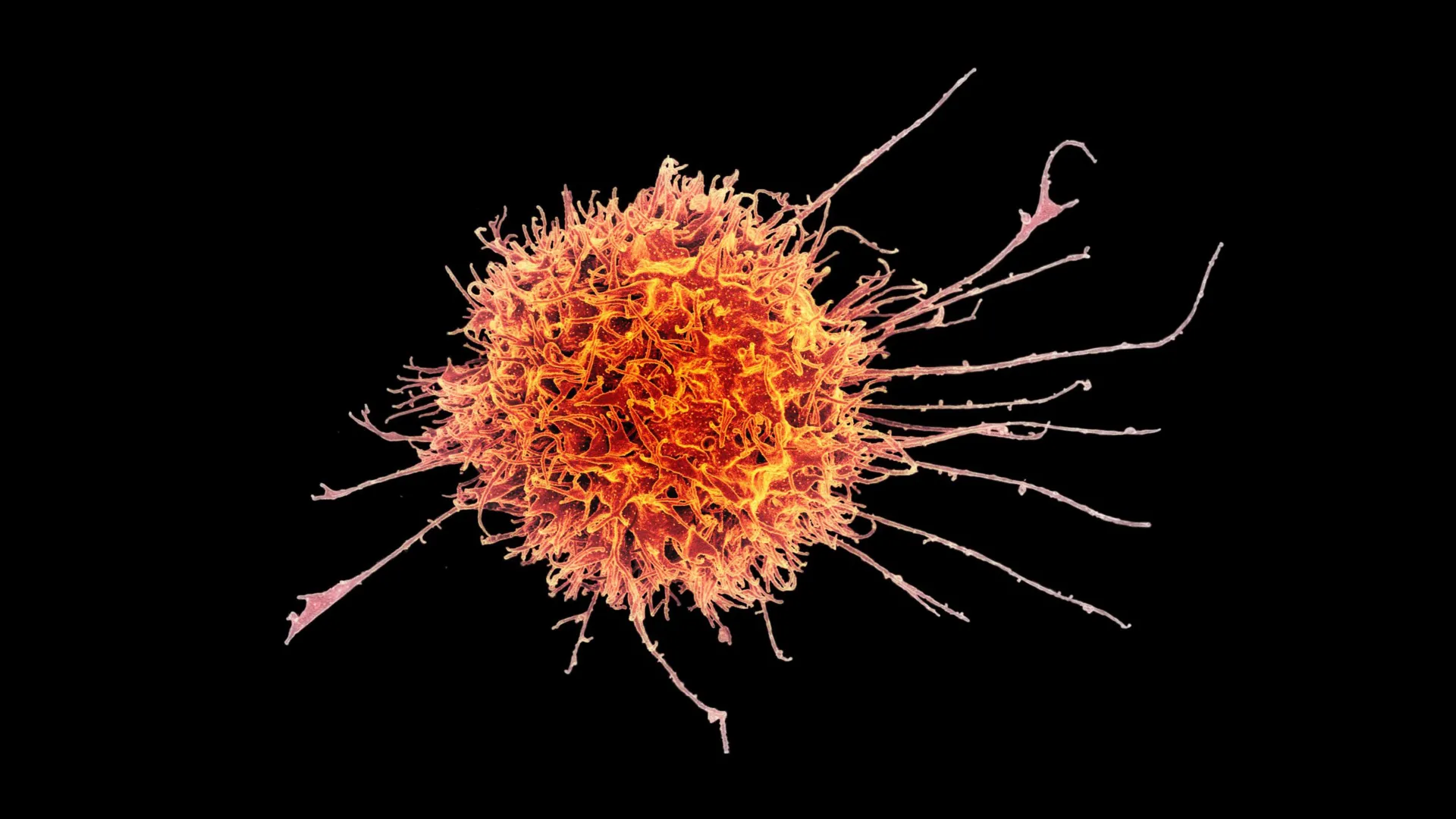
Against this backdrop, a pioneering collaborative effort led by researchers at Stanford Medicine and affiliated institutions has unveiled a novel approach designed to surmount these persistent obstacles. Their groundbreaking methodology involves engineering natural killer (NK) cells, a crucial component of the innate immune system renowned for its rapid cytotoxic capabilities, into a specialized, tissue-resident form. This re-engineered variant exhibits an enhanced capacity to penetrate the hostile terrain of solid tumors and unleash a potent assault on malignant cells. This advancement holds profound implications for broadening the scope of cellular immunotherapies, potentially offering an "off-the-shelf" solution that could transform treatment for a wider spectrum of cancer patients.
The principal investigator of this seminal study, Dr. John Sunwoo, the Edward C. and Amy H. Sewall Professor in the School of Medicine, highlighted the compelling nature of their findings. "Our investigations unequivocally demonstrate that these engineered tissue-resident natural killer cells infiltrate solid tumors with significantly greater efficiency compared to their conventional counterparts. The consistency and clarity of these observations were remarkably compelling," stated Dr. Sunwoo, whose team’s work was recently published in the prestigious journal Science Translational Medicine. The multidisciplinary research effort also recognized the critical contributions of Dr. Nina Horowitz, a former doctoral student in otolaryngology, Dr. Imran Mohammad, a postdoctoral fellow, and Dr. June Ho Shin, a senior scientist within the Sunwoo laboratory, as co-lead authors.
The inherent resistance of solid tumors to immune attack stems from multiple interwoven mechanisms. Physiologically, solid tumors are often encapsulated by a dense extracellular matrix and exhibit irregular vascularization, creating physical impediments that prevent circulating immune cells, such as T cells and conventional NK cells, from reaching and sustaining contact with cancer cells. Furthermore, the tumor microenvironment (TME) is a complex ecosystem rich with immunosuppressive factors. Malignant cells and associated stromal cells actively secrete molecules like transforming growth factor-beta (TGF-β), prostaglandins, and adenosine, which can directly inhibit the activity of immune effector cells, promote regulatory T cell function, and foster a state of immune tolerance. This hostile environment often leads to the exhaustion or anergy of immune cells that do manage to infiltrate, rendering them ineffective. Existing immunotherapies, particularly autologous CAR T-cell therapies, have shown remarkable success in hematological cancers but face considerable challenges in solid tumors due to these very factors, alongside issues of antigen heterogeneity and the high cost and logistical complexities of patient-specific manufacturing.
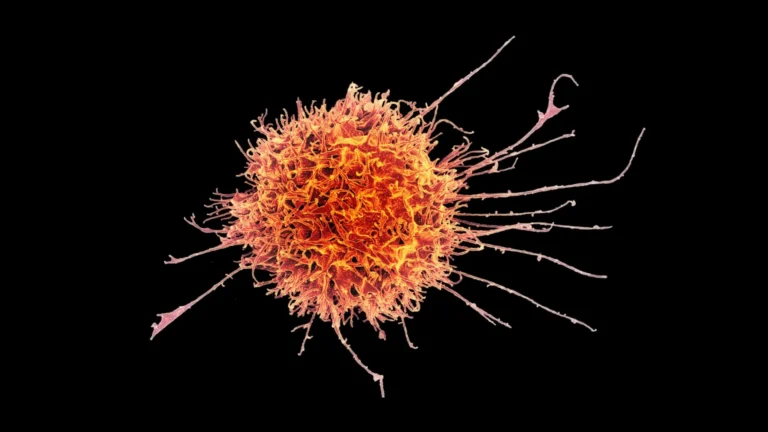
Natural killer cells, first identified in the 1970s, stand apart in the immune hierarchy. Their designation reflects their intrinsic ability to recognize and swiftly eliminate abnormal cells, including those transformed by cancer or infected by viruses, without prior sensitization. Unlike B cells and T cells, which require specific antigen presentation and clonal expansion, NK cells operate as immediate responders, leveraging a sophisticated array of activating and inhibitory receptors to distinguish healthy cells from diseased ones. This inherent "non-specific" yet highly effective surveillance mechanism makes them attractive candidates for cancer therapy. Moreover, NK cells generally do not trigger severe graft-versus-host disease when transferred between individuals, offering a distinct advantage over T-cell-based therapies for allogeneic (donor-derived) applications. Historically, however, harnessing NK cells effectively against solid tumors has been hampered by their poor tumor infiltration and susceptibility to the immunosuppressive TME.
The concept of tissue-resident immune cells has significantly reshaped our understanding of local immunity. For decades, immunological research primarily focused on immune cells circulating in the bloodstream, such as B cells, T cells, and conventional NK cells, which continuously patrol the body for pathogens and disease. However, it has become increasingly evident that a substantial proportion of immune cells eventually settle within specific tissues, adopting unique phenotypes and functions tailored to their local environment. These "tissue-resident memory" cells provide immediate, localized defense. Dr. Sunwoo emphasized this shift in focus: "Historically, the study of human immunity largely centered on blood-borne immune cells. With advancements in research tools and bioinformatics, we are now gaining a deeper appreciation for the intricate immune processes occurring within tissues. For many immune cell types, the tissue is indeed the primary site of immunological activity."
Tissue-resident natural killer cells (trNK cells) are found in various anatomical sites, including the skin, mucosal membranes, lungs, and liver. Yet, precisely defining their roles has proven challenging due to conflicting reports in earlier studies. Some investigations suggested these cells might possess limited cytotoxic potential or even contribute to immune suppression, while others highlighted their remarkable efficiency in eliminating target cells. Dr. Sunwoo attributed this discrepancy to environmental plasticity: "These cells likely adopt divergent functions influenced by specific cues within their local microenvironment and tissue, differentiating into distinct sub-populations." Indeed, in certain physiological contexts, such as early pregnancy, immunosuppressive trNK cells residing in the uterine lining play a crucial role in preventing maternal immune rejection of fetal cells and supporting placental development. However, for cancer therapy, the goal is to cultivate the most aggressive, tumor-killing phenotype.
The Stanford team’s breakthrough hinged on deciphering the molecular recipe for generating these potent cytotoxic trNK cells. Evidence hinted at the existence of two functionally distinct forms of trNK cells, but the underlying developmental pathways and reasons for their divergent behaviors remained largely enigmatic. To unravel this mystery, Dr. Sunwoo’s group embarked on a series of experiments, isolating circulating NK cells from healthy human blood donors and exposing them to various combinations of cellular signals in vitro.
A critical component in their cellular engineering strategy proved to be transforming growth factor-beta (TGF-β). This pleiotropic signaling protein is ubiquitously produced by many cell types, including tumor cells, and plays a pivotal role in regulating cell growth, differentiation, and immune responses. While TGF-β is often associated with immunosuppression in the TME, the researchers discovered that the amount and duration of its signal were paramount. Dr. Sunwoo aptly described this delicate balance: "It’s a very precise calibration. If you provide precisely the right amount of TGF-β signal, the natural killer cells differentiate into a tissue-resident form with robust cytotoxic activity against malignant cells. Conversely, if the TGF-β exposure is excessive, while they still become tissue-resident, they are rendered inhibited and dysfunctional, losing their killing capacity. The presentation of TGF-β to NK cells must be precisely regulated in both quantity and manner."
Their experiments confirmed that TGF-β was essential for inducing the tissue-resident phenotype in NK cells. However, prolonged exposure, mimicking the chronic TGF-β presence in many tumors, resulted in cells with impaired cytotoxic function. A more effective strategy emerged: briefly exposing circulating NK cells to short-lived human epithelial tumor cells that delivered a transient burst of active TGF-β. This refined protocol successfully generated tissue-resident natural killer cells endowed with powerful tumor-killing capabilities. Furthermore, direct physical contact with the epithelial tumor cells was identified as indispensable; merely placing the cells in close proximity was insufficient, suggesting the involvement of additional activating signals that require cell-to-cell interaction. These findings highlighted the nuanced interplay of signals required to sculpt NK cell identity and function, revealing why superficially similar trNK populations could exhibit vastly different behaviors.
To further characterize these distinct trNK cell populations, the research team conducted detailed comparative analyses. Both types of tissue-resident NK cells expressed surface proteins CD49a and CD103, which are established markers of tissue residency. However, only the highly effective, cancer-killing cells displayed the surface marker CD39. Crucially, the more potent cytotoxic cells also exhibited an increased abundance of the molecular machinery essential for target cell elimination, including perforin, a protein responsible for creating pores in the membranes of target cells, and granzyme A, a toxic enzyme delivered through these openings to induce apoptosis. The presence of these markers and effector molecules provided clear indicators of their superior killing capacity.
Having established a reliable methodology for generating these highly aggressive trNK cells, the researchers proceeded to evaluate their ability to infiltrate tumors and suppress tumor growth in vivo. In controlled laboratory experiments, the modified NK cells demonstrated successful infiltration into tumor organoids grown in culture dishes, mimicking the three-dimensional architecture of solid tumors. When subsequently injected into mouse models, these engineered cells effectively slowed the progression of several types of solid tumors over periods spanning days and weeks. These included tumors derived from human melanoma and head and neck squamous cell carcinoma, two aggressive cancers known for their resistance to conventional therapies.
The most compelling therapeutic outcomes were observed when the modified trNK cells were administered in conjunction with cetuximab, a monoclonal antibody. Cetuximab functions by binding to the epidermal growth factor receptor (EGFR), a protein frequently overexpressed on various cancer cells, thereby inhibiting signaling pathways critical for tumor growth and survival. Moreover, cetuximab can trigger antibody-dependent cell-mediated cytotoxicity (ADCC), where immune effector cells, including NK cells, recognize and destroy antibody-coated tumor cells. While cetuximab is approved for treating metastatic colorectal cancer and advanced head and neck squamous cell carcinoma, its efficacy as a monotherapy is often limited. The combination therapy—modified NK cells plus cetuximab—demonstrated a significantly more potent and sustained suppression of tumor growth in mice over a one-month period compared to either treatment administered alone. Importantly, the researchers did not observe any apparent adverse effects in the treated animals, suggesting a favorable safety profile for this combined approach in preclinical settings. Dr. Sunwoo, while emphasizing the preliminary nature of these findings, remarked, "Even at day 30, when mice receiving single treatments showed signs of illness, those that received the combination therapy appeared remarkably healthy. This was an encouraging proof of concept, though we must exercise caution in extrapolating too directly from mouse models to human patients."
The logistical and economic implications of this research are substantial, particularly regarding the prospect of an "off-the-shelf" cellular therapy. Unlike many current immune cell therapies, which necessitate the laborious and costly process of individually manufacturing therapeutic cells from a patient’s own biological material (autologous approach), the engineered trNK cells exhibit a critical practical advantage: they do not typically provoke an immune rejection when transferred from one individual to another. This allogeneic potential means that a treatment based on these modified NK cells could potentially be produced in large batches from healthy donors, cryopreserved, and made readily available for numerous patients.
Dr. Sunwoo further elaborated on this transformative aspect: "This could essentially function as a pre-made, readily available pharmaceutical product. Such an advancement would dramatically enhance the accessibility of cell therapy to a much broader population of patients, circumventing the extensive wait times and high manufacturing costs associated with personalized autologous treatments." The researchers project that NK cells collected from a single donor could yield approximately 20 treatment doses within roughly two weeks. These doses could then be cryopreserved, ensuring immediate availability. "The ability to produce a multitude of doses and administer them to different patients without delay would be a game-changer," Dr. Sunwoo added.
Building on these encouraging preclinical results, Dr. Sunwoo and his collaborators are now actively preparing for a Phase I clinical trial. This crucial next step will evaluate the safety and preliminary efficacy of this combination therapy in human patients diagnosed with advanced squamous cell carcinoma. Pending approval from the Food and Drug Administration, the trial could commence by the end of the year. Concurrently, Dr. Sunwoo has developed and applied for a patent for a method to efficiently produce and expand large quantities of these specialized cytotoxic tissue-resident natural killer cells. The collaborative nature of this research was also underscored by contributions from researchers at Ohio State University and Washington University School of Medicine, with funding secured from the National Institutes of Health, the Tai Tsun Wu Research Fund for Natural Killer Cell Immunotherapy, and the Stanford Bio-X Fellowship. This collective effort represents a significant stride towards overcoming the longstanding challenges of solid tumor immunotherapy, heralding a future where effective, accessible cellular treatments may become a reality for millions of cancer patients worldwide.
About the Author